
Film
Bicentennial Man
A robot purchased as a servant gradually becomes sentient, artistic, and capable of love over two centuries. Robin Williams plays Andrew with genuine warmth rather than quirk, anchoring a film about consciousness, mortality, and what it means to be human. It's sincere science fiction for people who believe emotions matter, and it earns every tear it asks for.
Should you watch it?
Watch it if you enjoy gentle, sentimental science fiction that asks big questions about what makes someone human through small domestic moments, and don't mind the story being more earnest than clever.
Skip it if you tire of sentiment, because the film leans hard on it across more than two hours and its heavy-handed moments will grate.
What it asks of you: A long, unhurried runtime of mostly quiet scenes, with the drama building slowly and very few action set pieces, so it asks for patience more than close attention.
Not sure? Find tonight's pick in a minute.
If you liked this
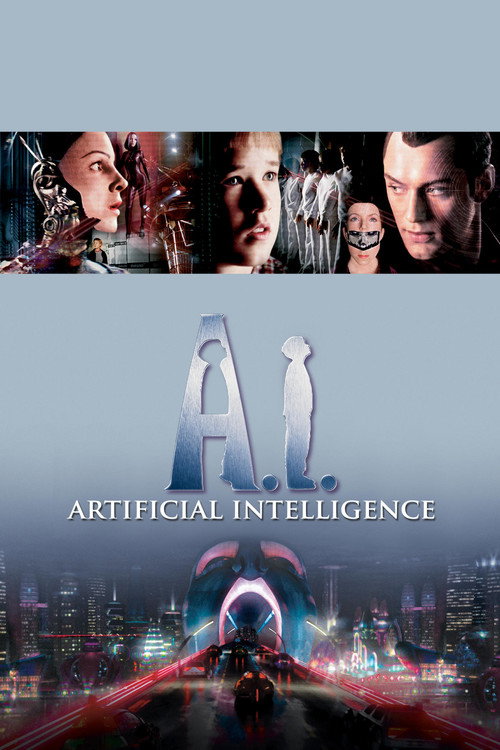
A.I. Artificial Intelligence2001
Spielberg's meditation on love, loss, and artificial consciousness. Like Bicentennial Man, it follows a robot's impossible journey toward humanity with visual beauty and emotional restraint. A film that trusts you to feel.
But The ending divides people sharply. Some find it transcendent; others find it manipulative and bleak. It's also three hours, and the pacing won't rush you.
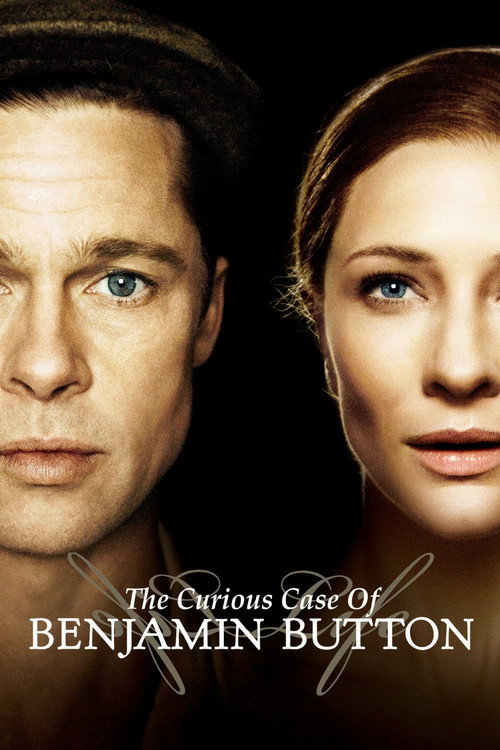
The Curious Case of Benjamin Button2008
A human version of Andrew's story: a man living backward through time, watching the world change while he searches for love and meaning. Fincher's direction is gorgeous, and the performance is surprisingly tender.
But The special effects age visibly in places. And the film's fascination with its own technical problem sometimes overshadows the emotional one.
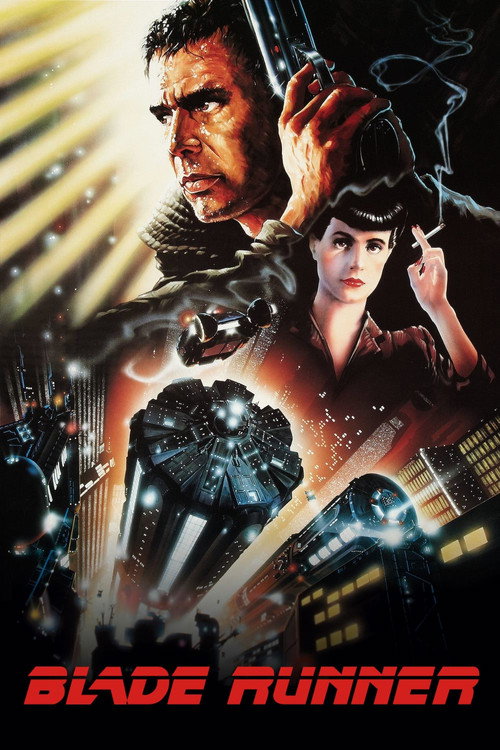
Blade Runner1982
The definitive film about what happens when artificial beings become impossible to distinguish from real ones. It's noir, it's beautiful, and it asks harder questions about consciousness than most philosophy seminars.
But It's deliberately slow and ambiguous. If you need a film to tell you what to think, this will frustrate you. Also, the theatrical cut is the weaker version.
Not sure tonight? Get a pick in a minute, starting from Bicentennial Man
The wildcard
Something you would not have found on your own.
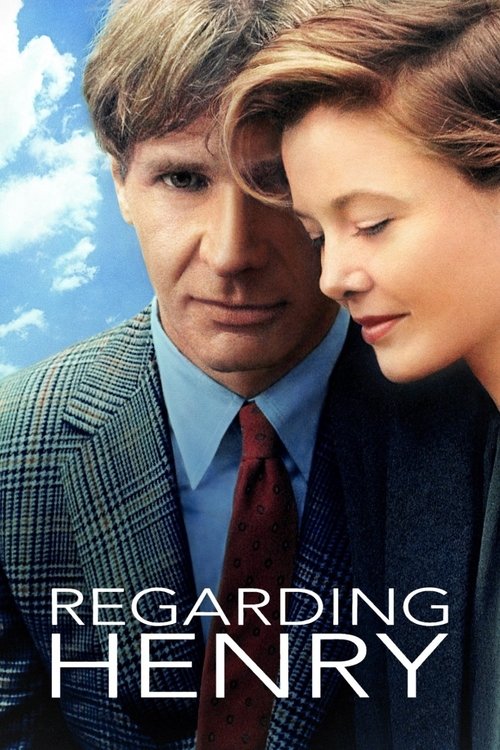
Regarding Henry1991
Both feature protagonists learning fundamental human skills from scratch, discovering emotion as a form of growth rather than a threat.
Harrison Ford as an arrogant doctor reduced by stroke to learning how to be human again. Like Andrew, it's about the slow, painful journey toward empathy and connection. It's the anti-Bicentennial Man—a human becoming more like a robot before learning to feel again.
But It's aggressively sentimental in the way early-90s dramas could be. The sentiment is earned, but it wears its heart on its sleeve so openly that it can feel cloying. Also: very much of its era.
More like this (8)
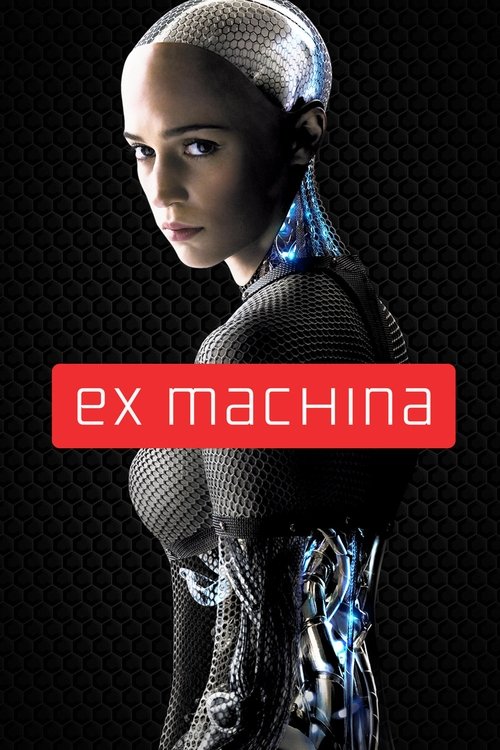
Ex Machina2015
A taut, intelligent film about an AI becoming sentient—and genuinely dangerous. It keeps the philosophical stakes high while never losing sight of human manipulation and desire. Sharp, stylish, and unsettling.
But It's more cerebral thriller than emotional journey. The ending lands as a gut-punch, not a catharsis. Also, it's primarily a chamber piece set in a claustrophobic facility.
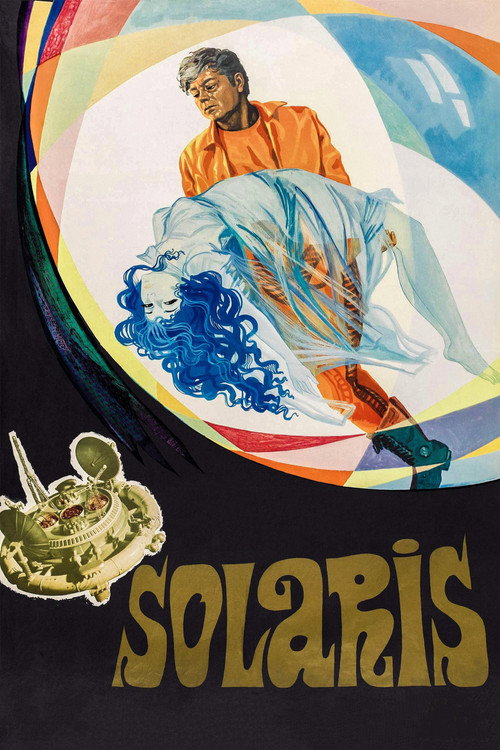
Solaris1972
Tarkovsky's sci-fi masterpiece: a man meets a duplicate of his dead wife created by an alien ocean. Like Bicentennial Man, it's about whether artificial consciousness can contain genuine love, set against questions of identity and memory.
But It's meditative to the point of glacial. This is 167 minutes of long takes and philosophical dialogue. Not a film that accommodates impatience.
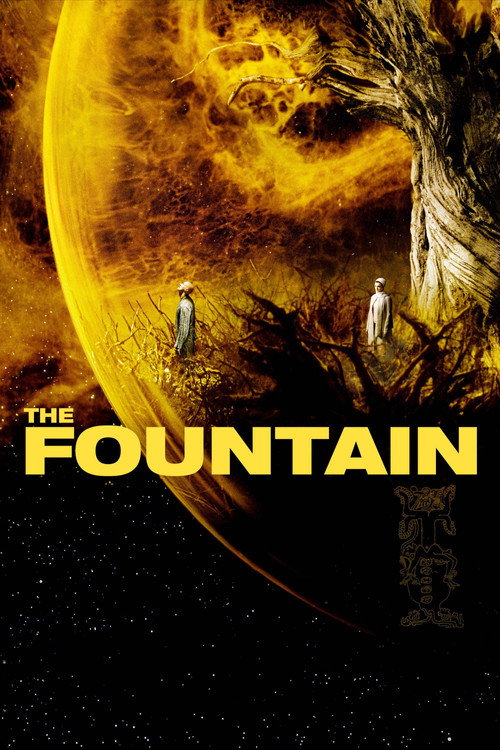
The Fountain2006
Three timelines, one man, eternal love tested across centuries. Like Andrew's journey, it's about mortality, devotion, and the human impulse to transcend death. Aronofsky at his most ambitious and heartfelt.
But It's bewildering on first viewing and genuinely divisive. The ambition frequently exceeds the execution. Some will call it pretentious; they're not entirely wrong.
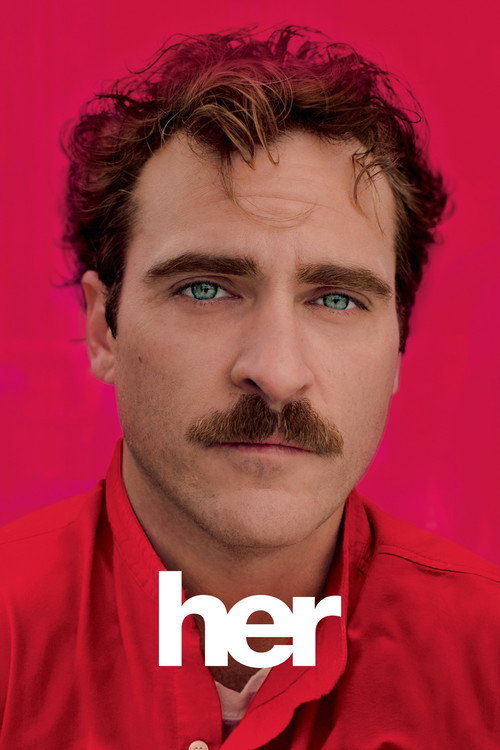
Her2013
A man falls in love with an AI that understands him completely. It's tender, funny, and quietly devastating about intimacy, connection, and the things we need from each other that technology can't quite provide.
But It's closer to romantic comedy than science fiction. Some find it slight or maudlin. And the OS's voice acting, while brilliant, may grate on repeat viewing.
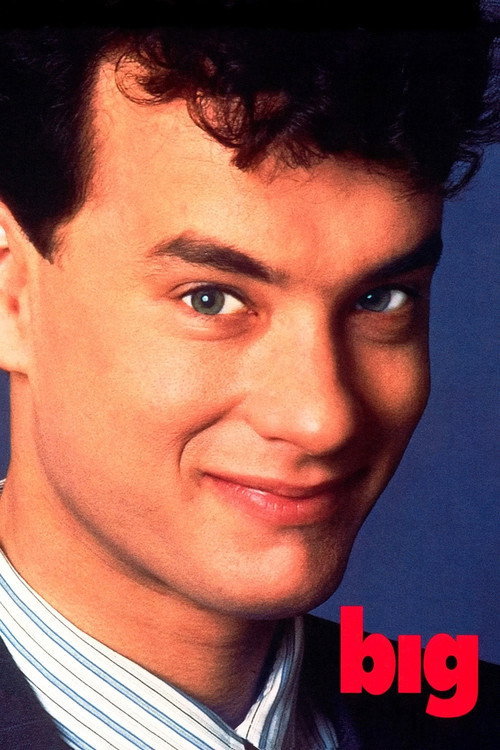
Big1988
A boy trapped in an adult body navigates a world he doesn't understand while discovering unexpected joy. Like Andrew, it's about innocence encountering experience, and finding your place between two worlds.
But It's fundamentally a fantasy-comedy, not a philosophical film. If you're after depth, this won't provide it. It's also wildly dated in places.
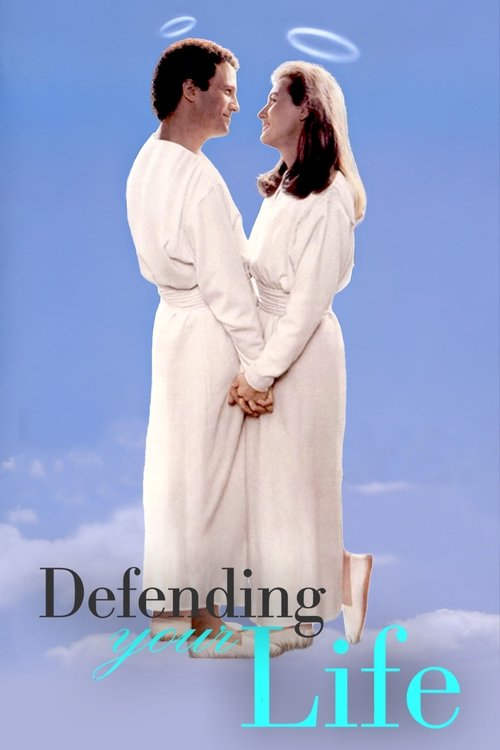
Defending Your Life1991
After death, a man must justify his life to celestial judges. It's gently funny and surprisingly moving about regret, courage, and whether we're living authentically. A film about becoming yourself.
But The heaven depicted is oddly mundane and corporate. Some will find that undermines the spiritual stakes. The tone is deliberately light, which won't land for everyone.
The Remains of the Day1993
Both explore consciousness and feeling across decades: Andrew learns to desire and grieve; Stevens learns he always had the capacity to feel but trained himself not to.
A butler reflects on a lifetime of service to a Nazi sympathizer, recognizing only too late what he sacrificed for duty. It's about consciousness dawning, but in reverse: a human becoming aware of his own emotional suppression, his own emptiness.
But It's restrained to the point of stillness. The emotional climax is a single tear. If you prefer cinema that announces its feelings, this will feel like watching paint dry.

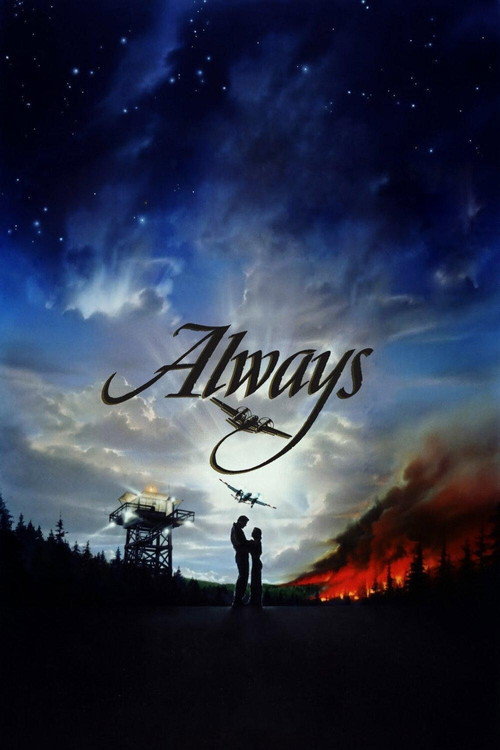
Always1989
Both are films about transcending human limitation—one through becoming more human, one through accepting human mortality—and both believe sincerely in the transformative power of love.
Spielberg's ghost story: a dead pilot watches over his living girlfriend and her new lover, finally accepting loss and the necessity of letting go. It's science fiction in mode but emotional in substance, like Bicentennial Man, and it trusts you to cry.
But It's Spielberg at his most overtly sentimental, and the film's gentle touch sometimes reads as maudlin. The plot is also thin—the whole thing hangs on mood and performance.
People
Cast
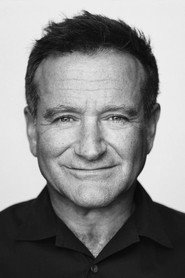 Robin WilliamsAndrew
 Embeth DavidtzLittle Miss / Portia
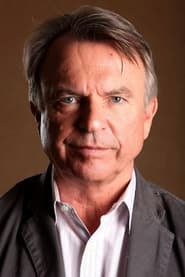 Sam NeillSir
 Oliver PlattRupert Burns
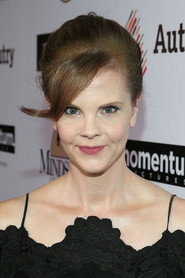 Kiersten WarrenGalatea Robotic / Human
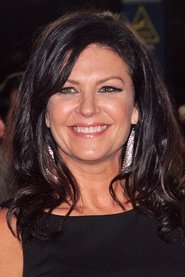 Wendy CrewsonMa'am
 Hallie EisenbergLittle Miss 7 yrs. old
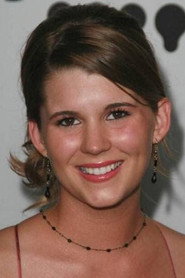 Lindze LethermanMiss 9 yrs. old
 Angela LandisMiss
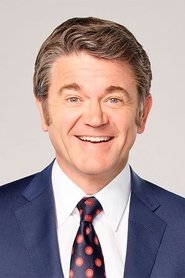 John Michael HigginsBill Feingold
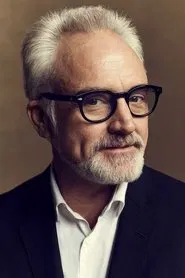 Bradley WhitfordLloyd
- Igor HillerLloyd 10 yrs. old
Directing
- Chris ColumbusDirector
Writing
- Isaac AsimovNovel
- Robert SilverbergNovel
- Nicholas KazanScreenplay
Production
- Paula DuPré PesmenAssociate Producer
- Jane JenkinsCasting
- Janet HirshensonCasting
- Dan KolsrudExecutive Producer
- Chris ColumbusProducer
- Gail KatzProducer
- Laurence MarkProducer
- Mark RadcliffeProducer
- Michael BarnathanProducer
- Neal MillerProducer
- Wolfgang PetersenProducer
Recommended by
Flowers for Algernon, The Trouble with Being Born, Heartbeeps