
Film
Flowers for Algernon
Other titles called Flowers for Algernon: the 2015 series (Nagoya Broadcasting Network).
- Hard science fiction
- Medical drama
- Very dark
A man with intellectual disability volunteers for an experimental procedure that promises to triple his intelligence. Based on the beloved science fiction novella, this French-Belgian co-production is a quiet, contemplative film about what we gain and lose when we change fundamentally. It's achingly human and asks hard questions about identity, memory, and whether transformation is ever really progress.
If you liked this
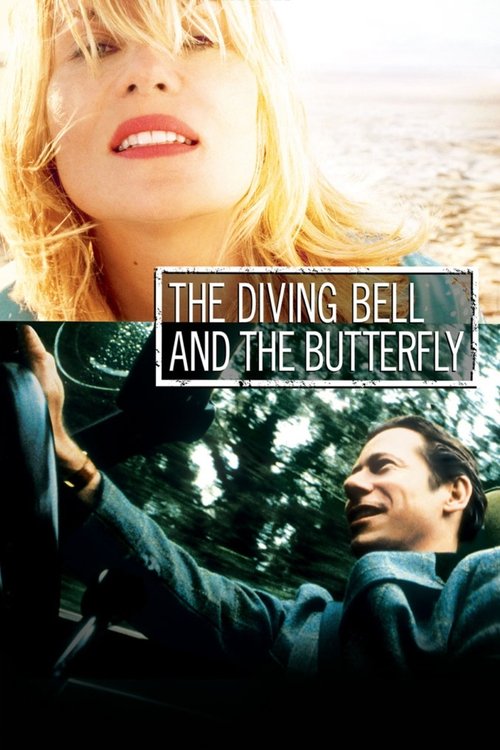
The Diving Bell and the Butterfly2007
A portrait of consciousness trapped and transformed, told through the vivid inner life of a man who can no longer move. Like Algernon, it finds profound beauty in limitation and the power of memory to sustain us.
But Deliberately slow and introspective; the subject matter—locked-in syndrome—is genuinely difficult and not uplifting in any easy sense.
Arrival2016
A scientist discovers that learning an alien language rewires how humans think and perceive time. It shares Algernon's central fascination: what happens to the self when the mind transforms?
But Heavy on linguistic philosophy and emotion rather than spectacle; some find the pacing meditative to the point of stalling.

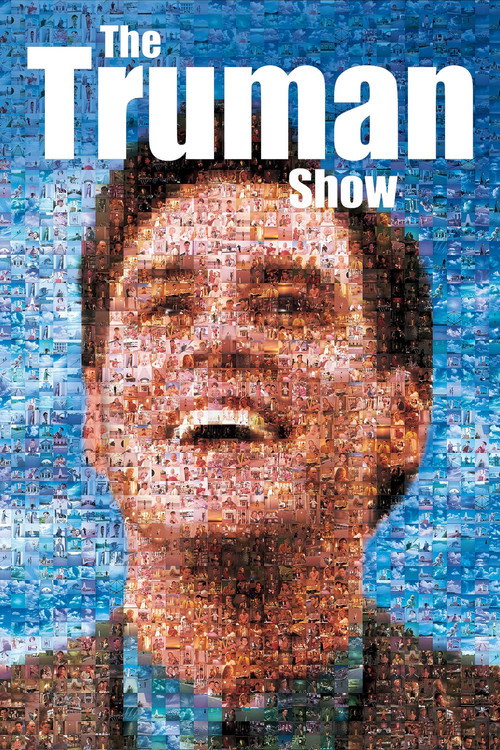
The Truman Show1998
A man begins to realize his entire reality is constructed and false. Both films wrestle with what's real about identity when the external world shifts beneath you.
But More whimsical than Algernon; the tonal difference might feel jarring if you're seeking that film's specific kind of melancholy.
Not sure tonight? Get a pick in a minute, starting from Flowers for Algernon
The wildcard
Something you would not have found on your own.
The Ascent1977
Both films are concerned with what persists of the self when everything else—memory, capability, hope—is taken. Both are quiet apocalypses of the human condition.
Two Soviet deserters trek through winter to reach shelter, and the film becomes a philosophical meditation on suffering, faith, and what remains when everything is stripped away. Tarkovsky's masterpiece finds transcendence in devastation.
But Black and white, slow, punishingly bleak, and entirely in Russian. It operates in a register of spiritual cinema that repels as many as it moves.

More like this (7)
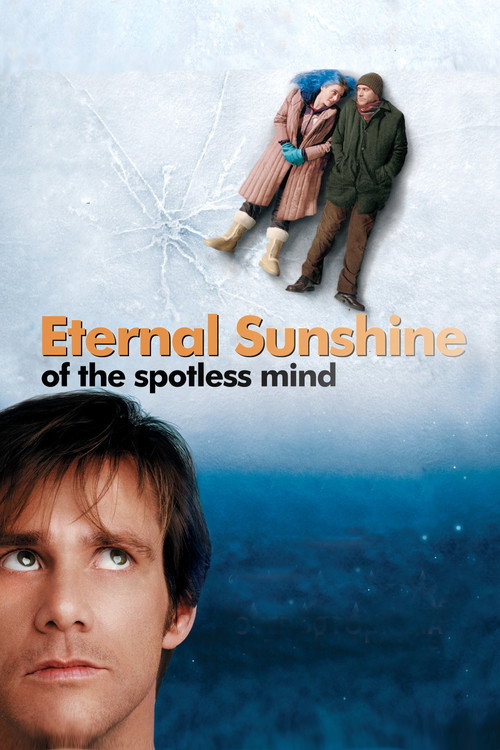
Eternal Sunshine of the Spotless Mind2004
A man opts to erase memories of his ex-lover and experiences the terrifying, beautiful loss of his own past. Memory and identity are the same question Algernon asks, from a different angle.
But Deliberately disorienting structure; the nonlinear narrative can feel frustrating rather than illuminating on a first viewing.
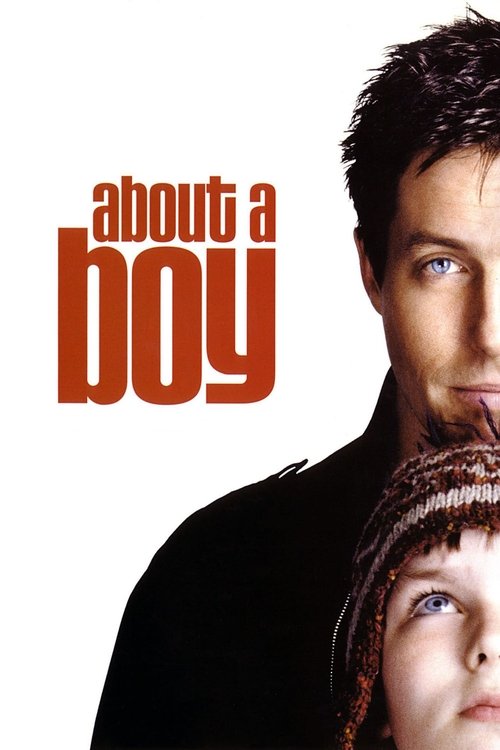
About a Boy2002
A shallow man is forced to grow and change by genuine human connection. Gentler than Algernon, but it shares the theme that becoming better isn't automatic—it requires vulnerability.
But Romantic comedy trappings may seem tonally mismatched if you're after something darker and more philosophically rigorous.
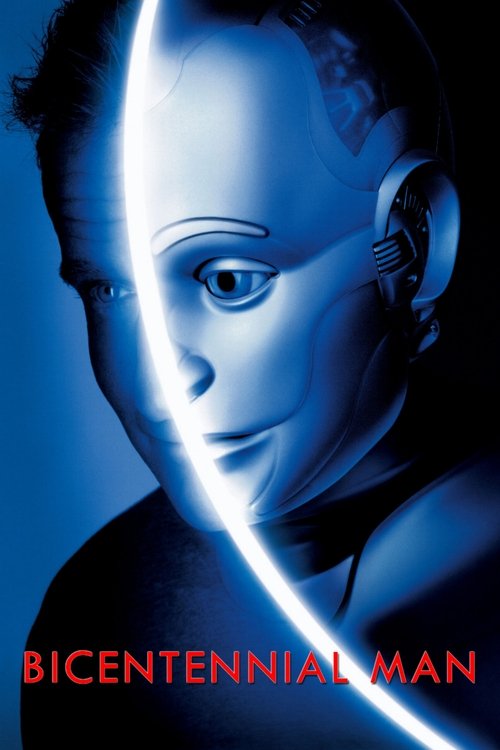
Bicentennial Man1999
An android becomes increasingly human across centuries, gaining consciousness, emotion, and mortality. The inverse of Algernon's arc, but the same essential question: what does it mean to change who you are?
But Aging poorly; it feels dated in ways that undermine the emotional stakes, and the ending strains credibility.
The Best Offer2013
An isolated man is transformed by love and connection, but the film asks whether his new self is genuine progress or another illusion. Sophisticated and mysterious.
But Deliberately withholding and enigmatic; frustrating if you need your endings neat, or if you don't enjoy parsing visual metaphor.

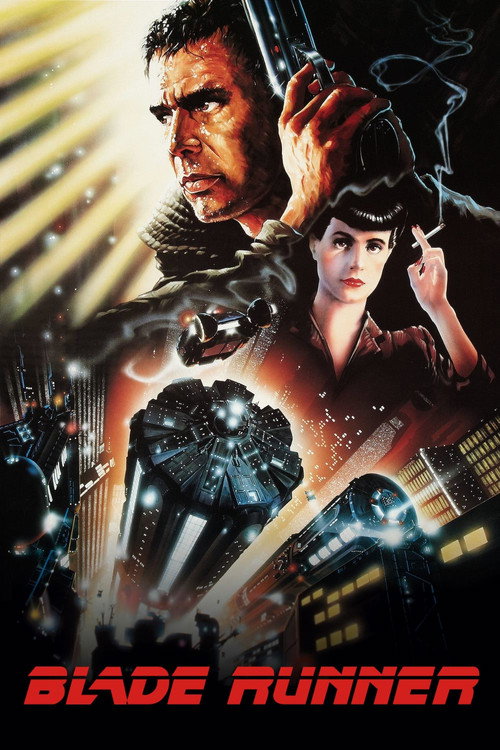
Blade Runner1982
A man hunts beings who are functionally human but artificially created, forcing him to question what consciousness and humanity actually are. The DNA runs deep.
But Science fiction spectacle and noir atmosphere that overshadow character work; very much a product of 1982 in pacing and style.
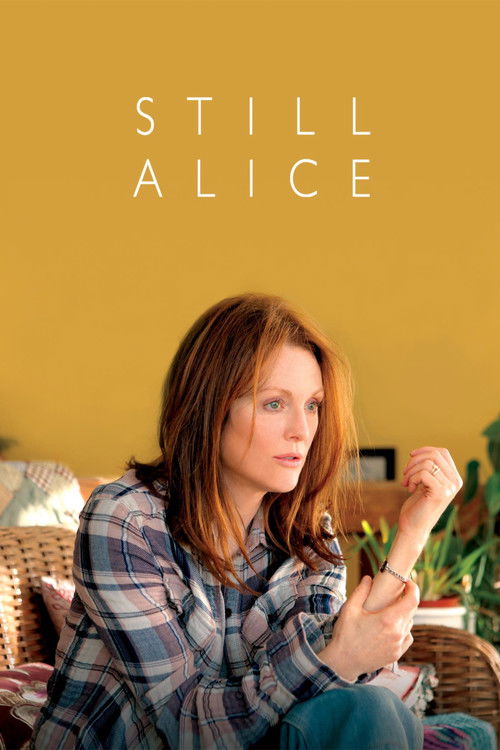
Still Alice2014
A brilliant woman loses her mind to Alzheimer's. The inverse of Algernon: instead of gaining cognition, we watch it slip away. Devastating and uncompromising about what that costs.
But Emotionally harrowing without reprieve; some viewers find it too painful rather than cathartic, and it offers no comfort.
My Left Foot: The Story of Christy Brown1989
Both center on a mind at odds with its vessel, but Algernon asks what happens when the mind changes, while Foot asks what happens when the body fails. Complementary inversions.
Daniel Day-Lewis plays Christy Brown, a man with cerebral palsy who becomes a celebrated artist and writer. It's a true story of a mind brilliant and alive, fighting against a body that doesn't cooperate—a mirror of Algernon's interior life.
But Tonally quite different: it's more combative and triumphalist, where Algernon is elegiac. The biographical framework is more conventional than Algernon's sci-fi framework.

People
Cast
 Grégory GadeboisCharlie
Directing
- Yves AngeloDirector
Writing
- Daniel KeyesNovel
- Gérald SibleyrasTheatre Play
- Gérald SibleyrasWriter
- Yves AngeloWriter