
Film
Journey into Fear
A taut 1943 spy thriller where an American engineer fleeing Nazi agents discovers his hunters have boarded the very ship meant to ferry him to safety. Orson Welles directs with shadowy urgency; the claustrophobia builds as paranoia spreads through the passenger list. Perfect for anyone who loves wartime intrigue that trusts tension over exposition.
Should you watch it?
Watch it if you love taut, shadowy espionage told with a wry, almost playful eye, where a city of cafés and dark corridors matters as much as the plot, and where a 1940s studio thriller still feels like a pickpocket's sleight of hand.
Skip it if you need brisk, constant action or a story that explains itself; this one lingers in conversation and mood, and its pace may feel slack and talky for anyone expecting a modern thriller's momentum.
What it asks of you: It runs barely over an hour and rewards close attention to dialogue and atmosphere, asking you to settle into a slow, sly build rather than a steady stream of set pieces.
Not sure? Find tonight's pick in a minute.
If you liked this
The Third Man1949
Carol Reed's Vienna-set masterpiece about post-war espionage, fractured loyalties, and a man discovering his best friend is not who he thought. The zither score and bombed-out setting create an atmosphere of moral decay that lingers.
But At nearly two hours, it moves with deliberate pace. Some find the ending bleak rather than satisfying.

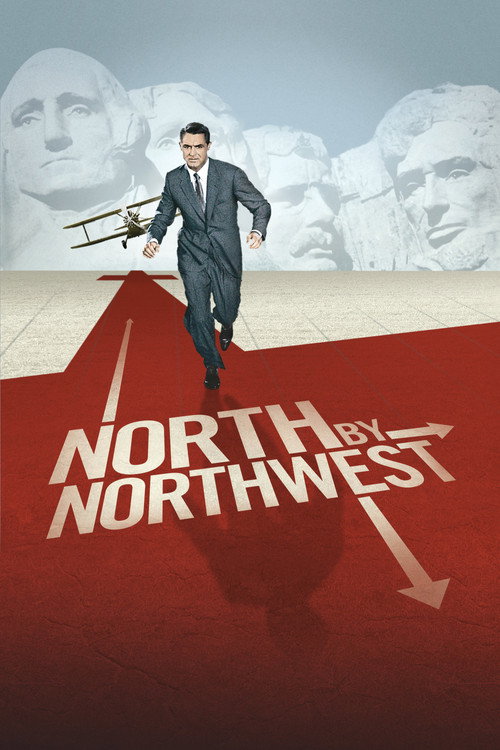
North by Northwest1959
Hitchcock's supreme thriller about an ordinary man mistaken for a spy and hunted across America. The action is precise, the humor sharp, and Cary Grant carries you through impossible situations with charm and desperation.
But The plot logic occasionally snaps under scrutiny. If you need every plot point to lock perfectly, you'll notice the seams.
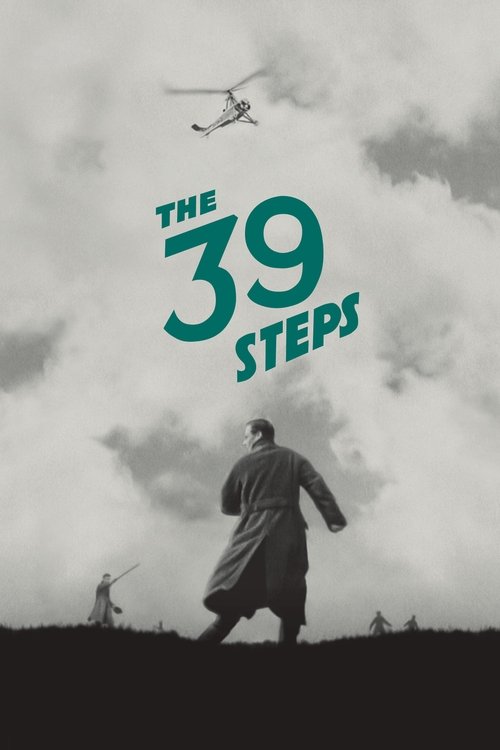
The 39 Steps1935
Hitchcock's earlier model for the innocent-man-on-the-run formula: a Scotsman framed for murder, pursued across the country while chasing the real culprits. Brisk, playful, and endlessly inventive with confined spaces and narrow escapes.
But The pacing occasionally stutters between scenes. The romantic subplot feels obligatory by modern standards.
Not sure tonight? Get a pick in a minute, starting from Journey into Fear
The wildcard
Something you would not have found on your own.
The Asphalt Jungle1950
Both are pressure-cooker ensemble thrillers about men in proximity to one another, each nursing secrets, each waiting for betrayal.
John Huston's heist-film prototype about ordinary criminals planning a robbery. Like *Journey into Fear*, it traps a group in proximity and watches paranoia and competing agendas tear them apart. The machinery of crime replaces wartime spy networks, but the tension comes from the same place: enclosed space, mounting pressure, mutual distrust.
But The grainy black-and-white photography and slow setup mean it asks patience. The heist itself is less flashy than modern audiences expect.

More like this (8)
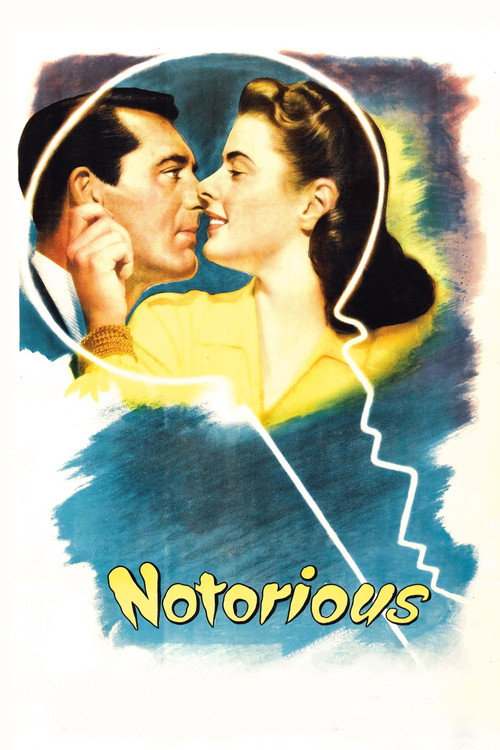
Notorious1946
Cary Grant and Ingrid Bergman in Hitchcock's masterwork of espionage, seduction, and paranoia. The chemistry is incandescent; the moral ambiguity cuts deep. Every scene builds dread beneath surface glamour.
But The second half pivots toward claustrophobic psychological torment. Some find it unrelentingly grim.
The Killers1946
Robert Siodmak's noir classic opens with a contract killing and spirals backward through betrayal and passion. Burt Lancaster's debut is electric; the fragmented narrative was radical for its time and remains hypnotic.
But The structure can feel disorienting. If you need a straightforward revenge story, the elliptical approach frustrates.

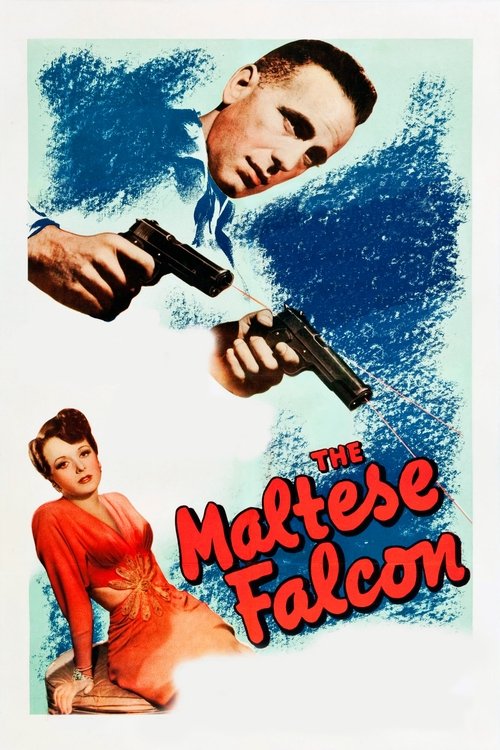
The Maltese Falcon1941
John Huston's debut is noir bedrock: Humphrey Bogart as Sam Spade navigating a web of murderers and liars all chasing the same obsession. Lean, quotable, morally murky, and perfectly paced at under two hours.
But The plot is genuinely convoluted. Sit too passively and you'll lose the threads.
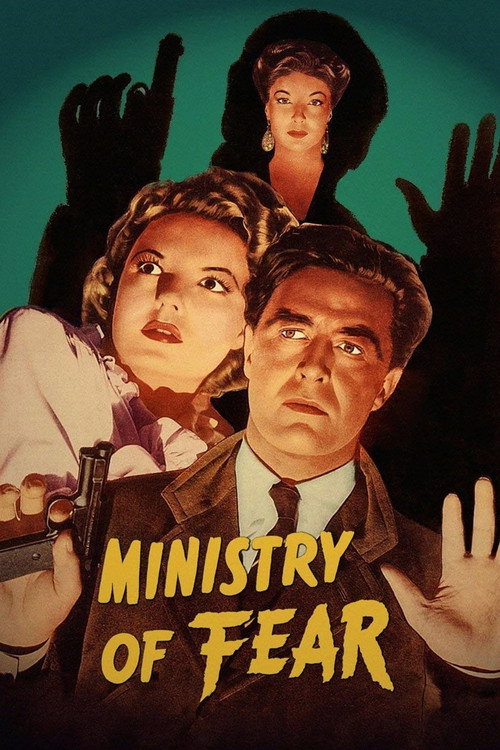
Ministry of Fear1944
Fritz Lang's wartime paranoia-thriller about a man released from an asylum stepping into a conspiracy he doesn't understand. London under blackout, bomb craters, and the constant threat of being mistaken for a spy create genuine unease.
But The middle section drags through romantic distraction. The resolution feels somewhat rushed.
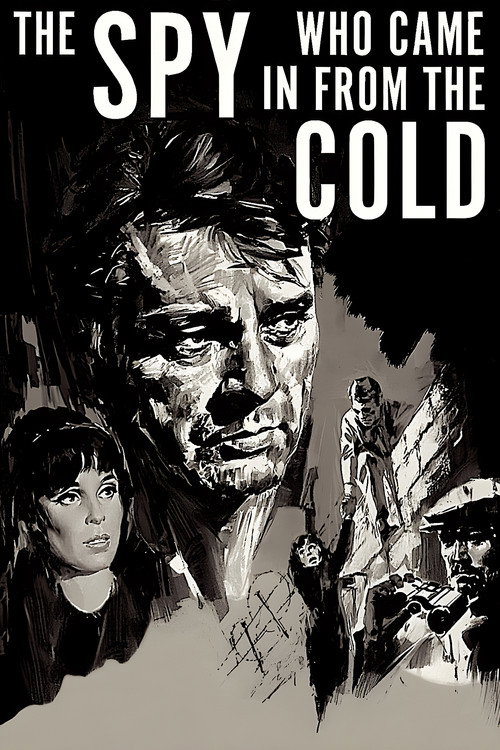
The Spy Who Came In from the Cold1965
Martin Ritt adapts John le Carré's cold-war masterpiece. Richard Burton as a burned-out British agent caught between East and West Berlin. Unglamorous, morally gray, and brutally intelligent about espionage's true cost.
But There are no heroes here. The ending is bleak in a way that leaves no redemption, which some viewers find punishing.
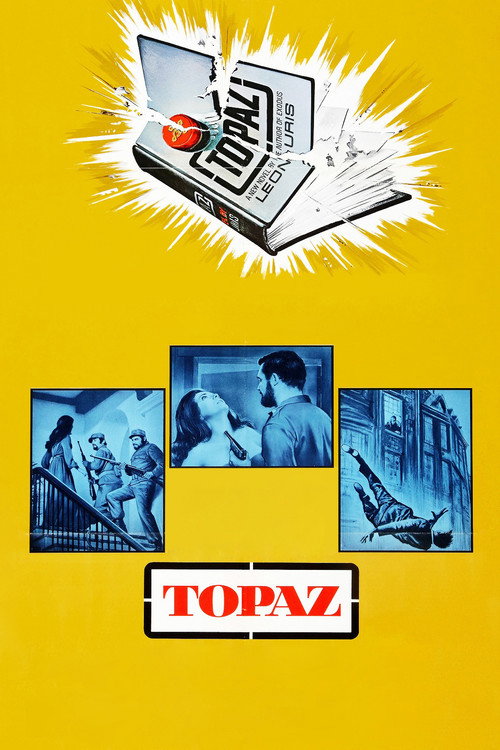
Topaz1969
Hitchcock's espionage thriller about a French agent uncovering a Soviet spy ring during the Cuban Missile Crisis. Intricate, globe-trotting, with set-pieces that crackle with precision and surprise.
But The film has aged into dated-looking sequences. Critics have never quite warmed to it; it feels like Hitchcock working in autopilot.
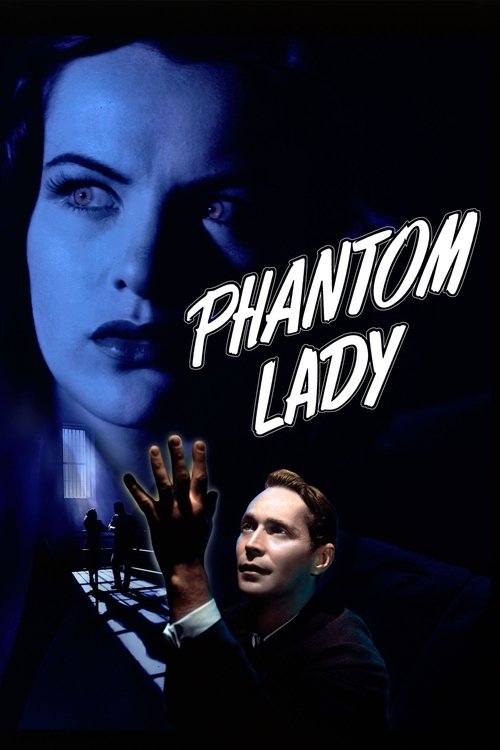
Phantom Lady1944
Both trap the innocent in a maze of false clues and hostile faces. Both ask: when everyone becomes suspect, how do you survive?
Robert Siodmak's masterwork of wrongful accusation and obsessive pursuit. A woman tries to clear her brother of a murder he didn't commit, moving through the noir underbelly of 1940s New York. The paranoia and entrapment mirror *Journey* exactly, but on land instead of at sea, in nightclubs instead of ship cabins.
But The pace is glacial by modern standards. Ella Raines can feel passive as a protagonist; the story belongs to the men around her.
L'Avventura1960
Both use the boat as a locked-room pressure cooker, but *L'avventura* asks what happens when the threat is internal—when people themselves become the mystery.
Michelangelo Antonioni's elliptical Italian masterpiece about a woman vanishing from a boat, and the strange drift that follows as her fiancé and her best friend become lovers amid the aimless searching. Like *Journey*, it's set aboard a vessel, but replaces war-thriller mechanics with existential dread and the unsettling psychology of boredom, desire, and moral indifference.
But Nothing is resolved. The plot dissolves into mood. If you need narrative closure or external conflict, this will feel like a waste of your time.

People
Cast
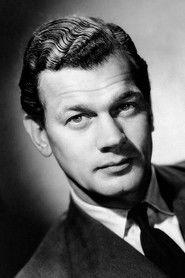 Joseph CottenHoward Graham
 Dolores del RíoJosette Martel
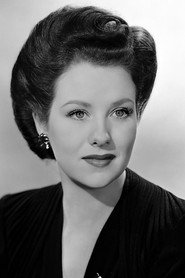 Ruth WarrickMrs. Stephanie Graham
 Agnes MooreheadMrs. Mathews
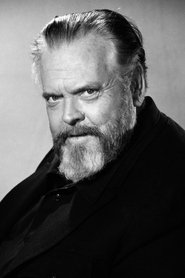 Orson WellesColonel Haki
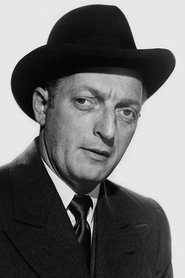 Everett SloaneKopeikin
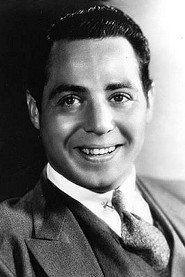 Jack DurantGogo Martel
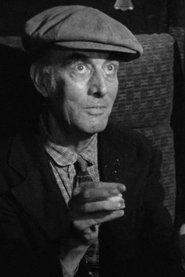 Eustace WyattProf Haller - German archeologist
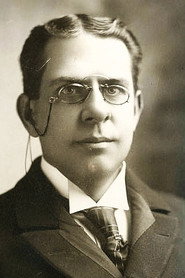 Frank ReadickMatthews - Cockney socialist
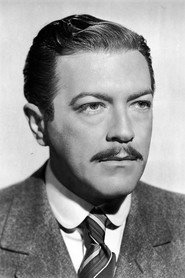 Edgar BarrierKuvetli - tobacco salesman
- Jack MossPeter Banat - obese gunman
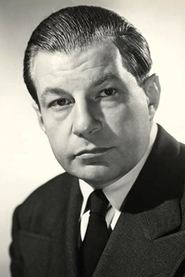 Stefan SchnabelTranslator for ships captain
Directing
- Norman FosterDirector
Writing
- Eric AmblerNovel
- Joseph CottenScreenplay
- Orson WellesScreenplay
Production
- Orson WellesProducer