
Film
Nuremberg: Its Lesson for Today
A 1948 documentary capturing the Nuremberg trials in their immediate aftermath, using Nazi regime's own records and film to prosecute war crimes. It's a stark historical record—courtroom proceedings, damning evidence, and the architecture of international justice being built in real time. Essential viewing for anyone grappling with accountability, law, and how societies reckon with atrocity.
Should you watch it?
Watch it if you want to see how prosecutors turned the regime's own meticulous filming and paperwork into evidence, and how the men who built that machine appear on screen in their own words.
Skip it if you need a drama with invented characters or a fresh perspective; this 1948 film is archive footage and courtroom talk, and can feel dry.
What it asks of you: Seventy-eight minutes of archive material that stays with the horror without relief, so come ready to sit with it rather than be entertained.
Not sure? Find tonight's pick in a minute.
If you liked this
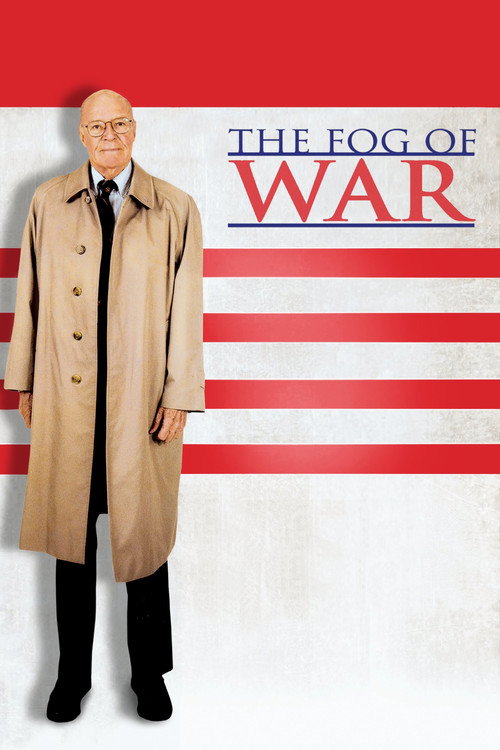
The Fog of War2003
Errol Morris's meditation on Robert McNamara's decisions in Vietnam offers a parallel study of how powerful men justify catastrophe. Intimate, philosophical, and deeply unsettling about the gap between intention and consequence.
But It's a single man's testimony rather than a trial, and requires patience with ambiguity where Nuremberg offers clarity and judgment.
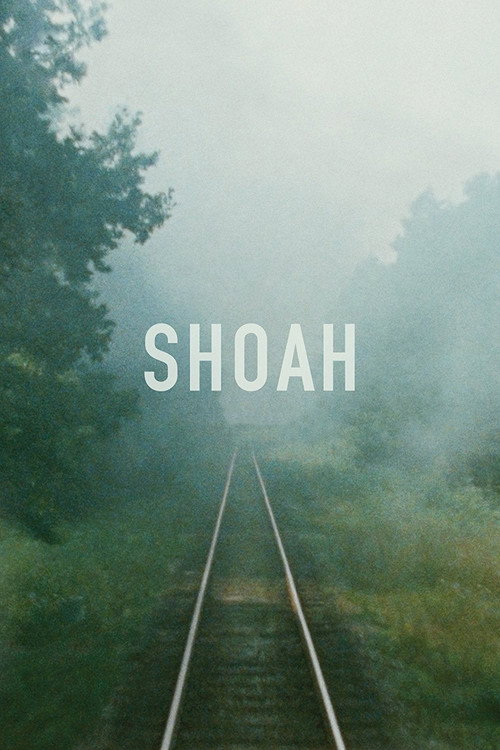
Shoah1985
Claude Lanzmann's nine-hour testimony-based film confronts the Holocaust through survivors and witnesses. It refuses easy comprehension, demanding viewers sit with horror as the only honest response to industrial genocide.
But Its length and refusal to use archival footage—only talking heads and landscapes—will exhaust and frustrate anyone wanting a traditional documentary experience.
The Act of Killing2012
Joshua Oppenheimer films Indonesian death-squad leaders recreating and reflecting on the 1965 genocide they perpetrated. It's a profound psychological study of how perpetrators narrate their own atrocities.
But The perpetrators are unrepentant and sometimes darkly charming, which some viewers find morally disorienting rather than clarifying.

Not sure tonight? Get a pick in a minute, starting from Nuremberg: Its Lesson for Today
The wildcard
Something you would not have found on your own.
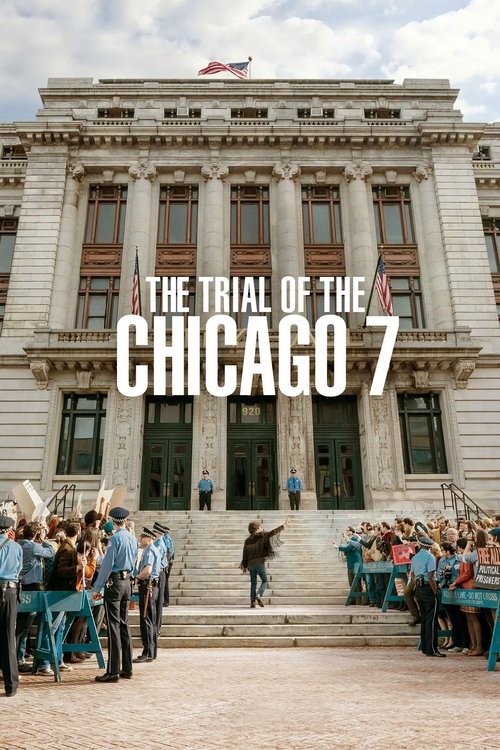
The Trial of the Chicago 72020
Both are films about whether courts can deliver justice when politics has already decided the verdict. Both watch the machinery of law straining under the weight of history.
Aaron Sorkin's courtroom drama about the 1969 trial of anti-war protesters captures the same DNA as Nuremberg—law deployed as either justice or weapon. It's a riotous, fast-talking examination of how trials become theater.
But It's contemporary and comedic-toned in a way that risks trivializing the comparison to war crimes prosecution. Sorkin's quippy dialogue works here but cuts against gravity.
More like this (8)
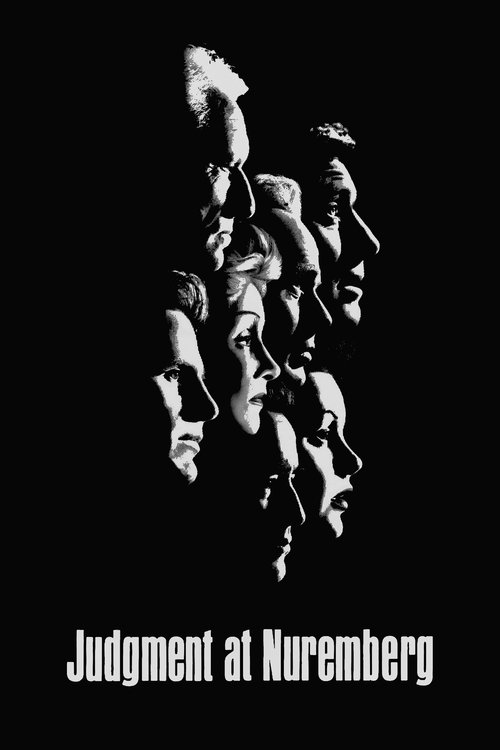
Judgment at Nuremberg1961
Stanley Kramer's courtroom drama, starring Spencer Tracy and Maximilian Schell, dramatizes the subsequent trials with shattering performances. It distills the moral weight into three hours of cinema that still lands hard.
But It's a Hollywood interpretation, not the real trial—streamlined and reshaped for emotional impact rather than historical precision.
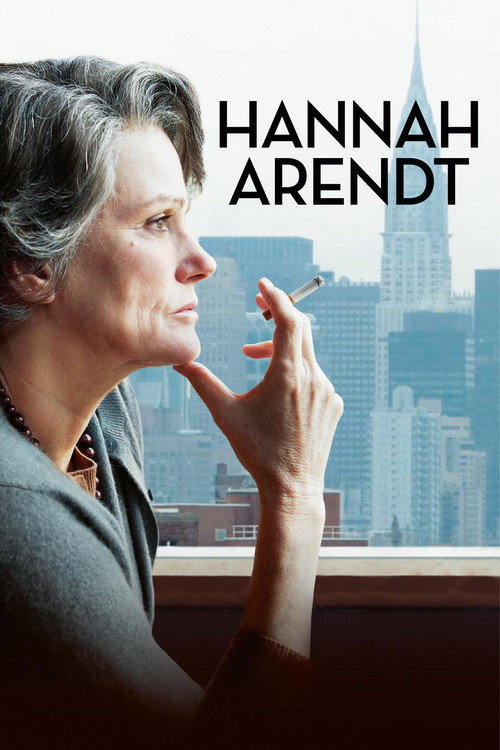
Hannah Arendt2012
Margarethe von Trotta's film about Arendt covering the Eichmann trial in Jerusalem examines how we think about evil and complicity. Intellectually rigorous and dramatically compelling.
But The philosophical debates can feel remote if you're looking for courtroom drama rather than ideas about totalitarianism.
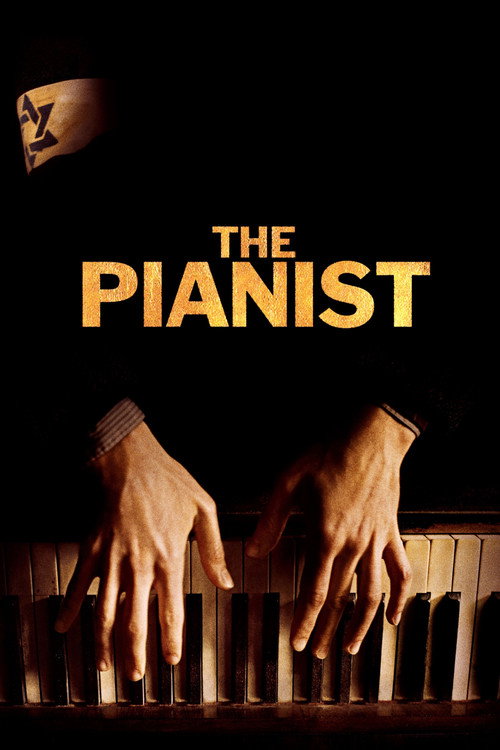
The Pianist2002
Roman Polanski's film of Wladyslaw Szpilman's memoir is a survivor's-eye account of Warsaw under Nazi occupation. It grounds the historical moment in one man's impossible choices and moral endurance.
But It's survival narrative rather than justice narrative—it doesn't answer 'what happens to the perpetrators,' which may feel incomplete.
Come and See1985
Elem Klimov's Soviet film follows a boy conscripted into the Red Army as he witnesses the horror of Nazi occupation in Belarus. Unrelenting, hallucinatory, and the closest cinema comes to rendering the Eastern Front's savagery.
But It's a punishing experience—grotesque, violent, and deliberately traumatizing in its style. Not a film you 'enjoy' but endure and remember.

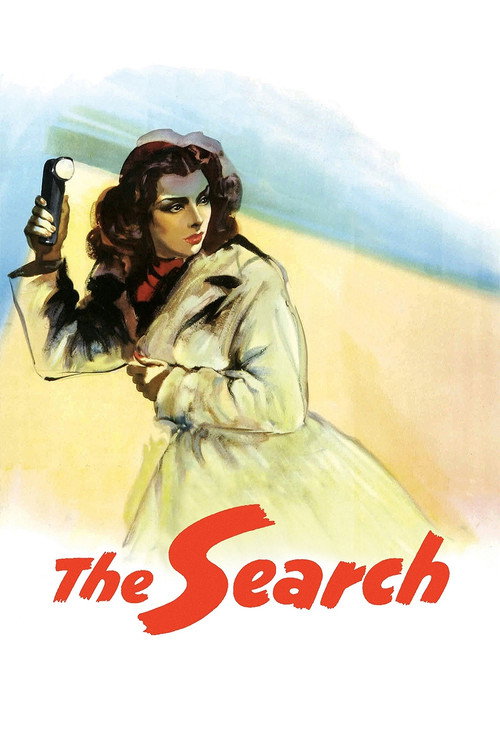
The Search1948
Fred Zinnemann's film, made the same year as Nuremberg, follows a soldier and a traumatized child in post-war Europe. It captures the immediate human wreckage the trials were meant to address.
But It's a melodrama that softens the edges—the trials offer no such comfort, and the sentimentality here might feel evasive.
Night and Fog1956
Alain Resnais's 30-minute essay film uses archival footage and Auschwitz locations to confront the Holocaust's incomprehensibility. Devastating in its brevity and formal precision.
But At half an hour, it's poetic and abstract rather than forensic—it aims at feeling rather than evidence.
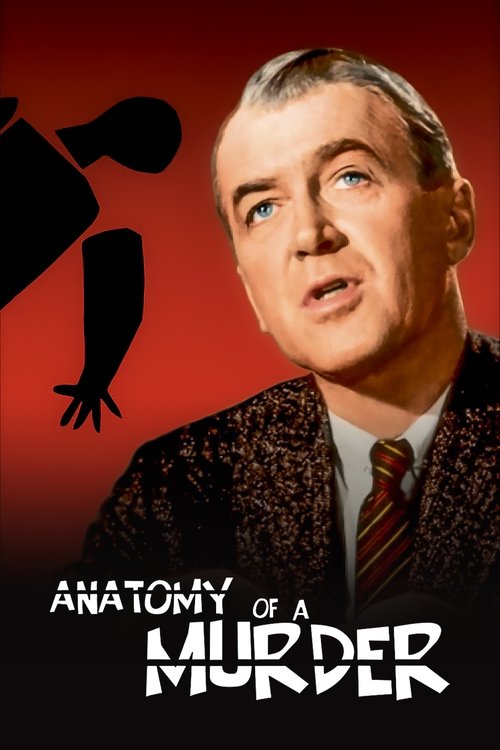
Anatomy of a Murder1959
Both films trust the accumulation of testimony and evidence over narrator guidance. Both make you do the work of moral judgment rather than handing it to you.
Otto Preminger's courtroom procedural is meticulous about how evidence accumulates and testimony fractures. It's the closest American cinema gets to a real trial—technical, unglamorous, and morally ambiguous.
But It's domestically scaled and sexually charged rather than historically epochal, which may feel like a step down from Nuremberg's stakes.
The Battle of Algiers1966
Both examine what happens when legal systems are asked to prosecute state violence. Both wrestle with whether international or national law can serve justice when power imbalances are absolute.
Gillo Pontecorvo's film about the Algerian independence war is shot like a documentary but dramatized, showing torture and terrorism from both colonizer and colonized. It refuses easy sides and asks what justice means when systems are corrupt.
But Its formal ambiguity—blending documentary and drama—can read as evasion rather than complexity. And its sympathy for violent resistance will alienate viewers expecting moral clarity.

People
Cast
- Francis BiddleSelf
- Robert JacksonSelf
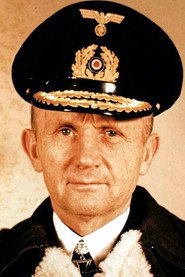 Karl DönitzSelf
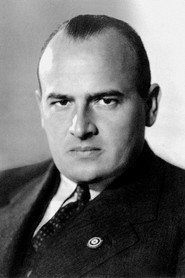 Hans FrankSelf
- Wilhelm FrickSelf
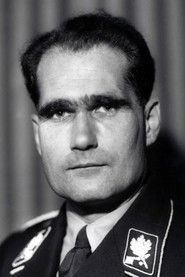 Rudolf HessSelf
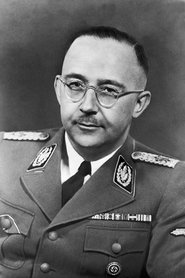 Heinrich HimmlerSelf
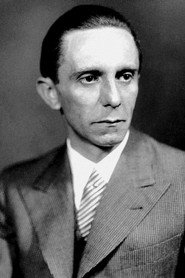 Joseph GoebbelsSelf
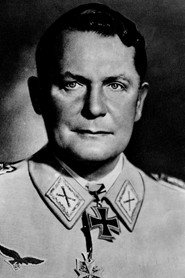 Hermann GöringSelf
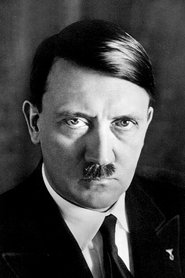 Adolf HitlerSelf (archive footage)
Directing
- Stuart SchulbergDirector
Writing
- Budd SchulbergWriter
- Stuart SchulbergWriter
Production
- Pare LorentzProducer
- Stuart SchulbergProducer