
Film
Children on Trial
A 1947 British documentary following the lives of young offenders in Approved Schools, examining how the system attempts rehabilitation through education and discipline. It's a measured, observational film that treats its subjects with uncommon dignity, revealing the reasoning behind institutional care rather than sensationalizing failure. For anyone interested in how societies have tackled youth crime, or in the visual and social history of post-war Britain.
If you liked this
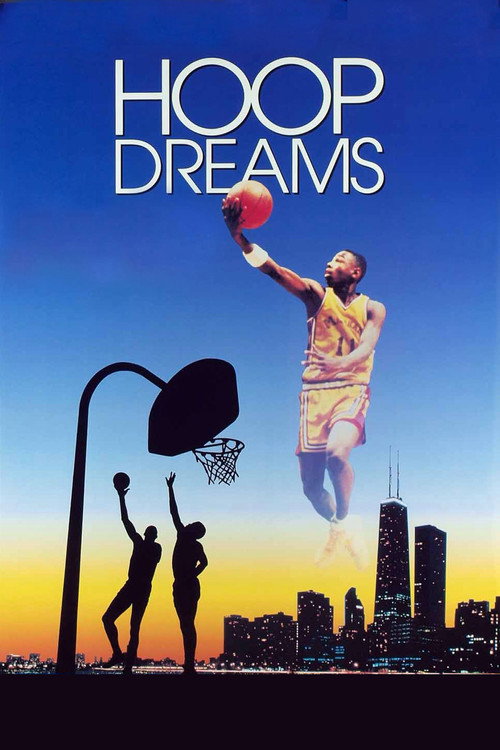
Hoop Dreams1994
A landmark documentary following two basketball players over five years, exploring how talent, class, and circumstance intersect. It's patient, humanizing filmmaking that refuses easy judgement about aspiration and systems.
But At three hours, it demands real time commitment. The rhythms are slow, and there's no dramatic arc, just accumulation.
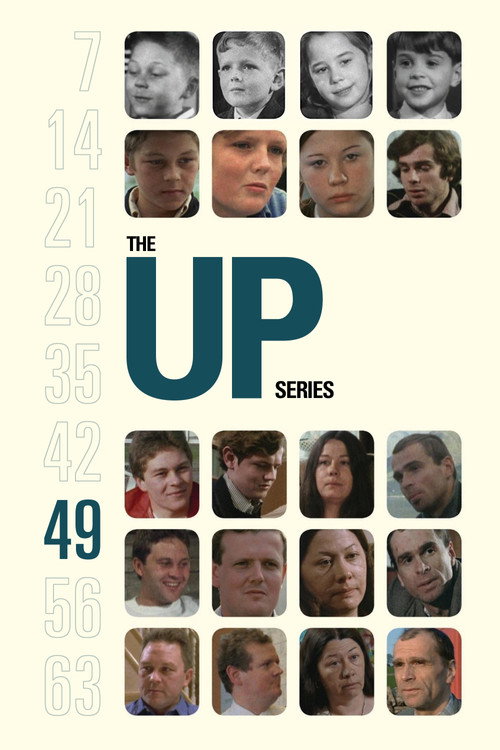
49 Up2006
Michael Apted's extraordinary longitudinal study of British children interviewed every seven years from age seven onward. Like *Children on Trial*, it observes how environment shapes life, but across five decades with the same people.
But The early films move at a 1960s pace that modern viewers find glacial. You need patience for observation over narrative.
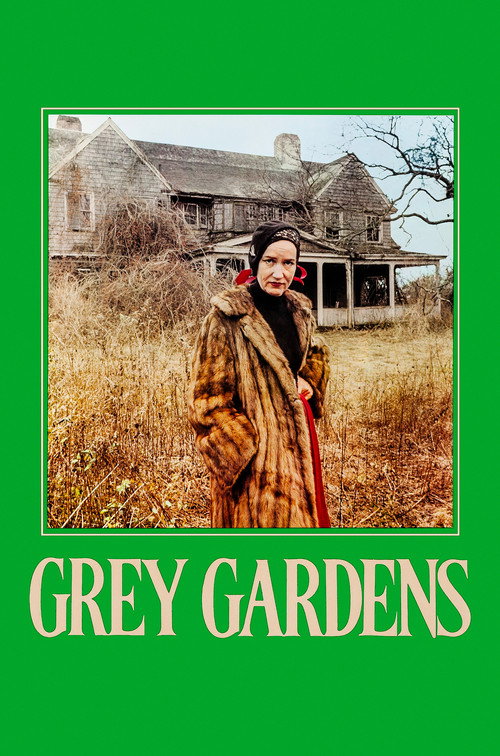
Grey Gardens1976
The Maysles brothers' haunting portrait of two reclusive women in a decaying mansion. It observes without commentary, letting you form your own moral picture from what unfolds in front of the camera.
But It's claustrophobic and bleak. Some viewers find it exploitative, watching decline for its own sake.
Not sure tonight? Get a pick in a minute, starting from Children on Trial
The wildcard
Something you would not have found on your own.
Kes1970
Both examine how institutions shape childhood and the rare moments when a young person finds agency. Loach learned from documentary to make fiction that feels like witnessing.
Ken Loach's drama (not documentary) about a working-class boy in a northern school finding refuge in training a hawk. It's a narrative film, but shot and performed with documentary authenticity, capturing institutional failure and one boy's resistance.
But The British regional accent and slow pacing will seem impenetrable to some. The ending is bleak in a way that offers no comfort.

More like this (7)
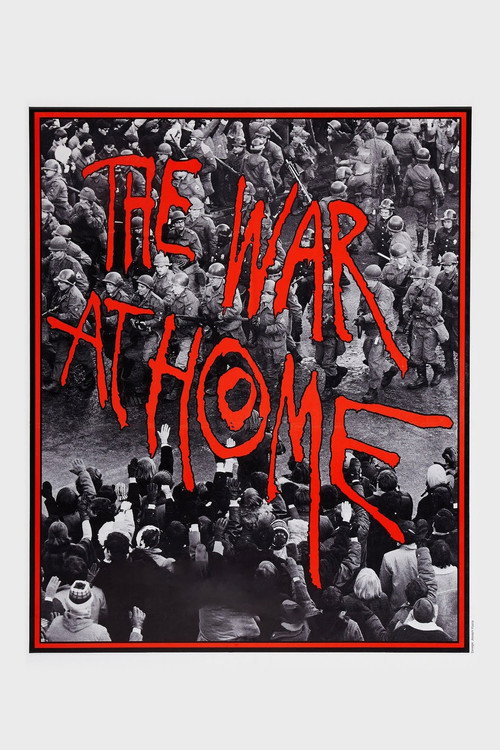
The War at Home1979
A documentary about the 1960s anti-war movement told through archival footage and interviews. It captures institutional conflict and generational rupture with the same restrained, evidence-based approach.
But The political context is very specific to its era. If you're not interested in that history, the film won't pull you in.
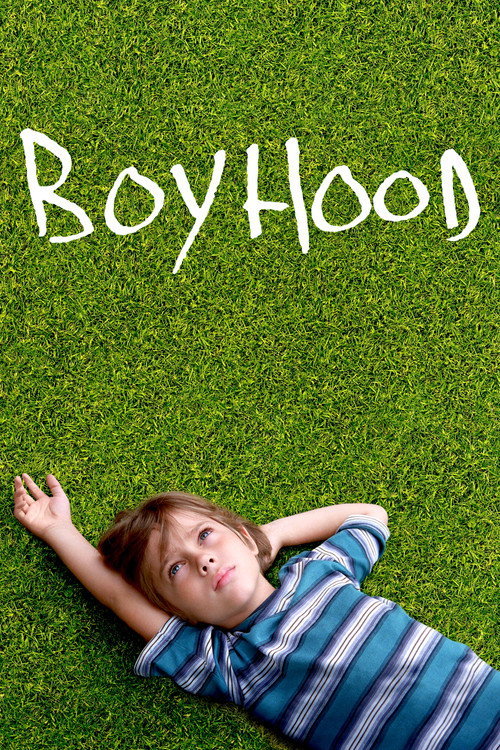
Boyhood2014
Richard Linklater filmed the same boy over twelve years, creating a documentary-like chronicle of growing up. It mirrors *Children on Trial*'s attention to how context shapes a young life, but with narrative fiction's intimacy.
But The lack of dramatic tension frustrates many. Watching mundane life happen, even beautifully, can feel like waiting.
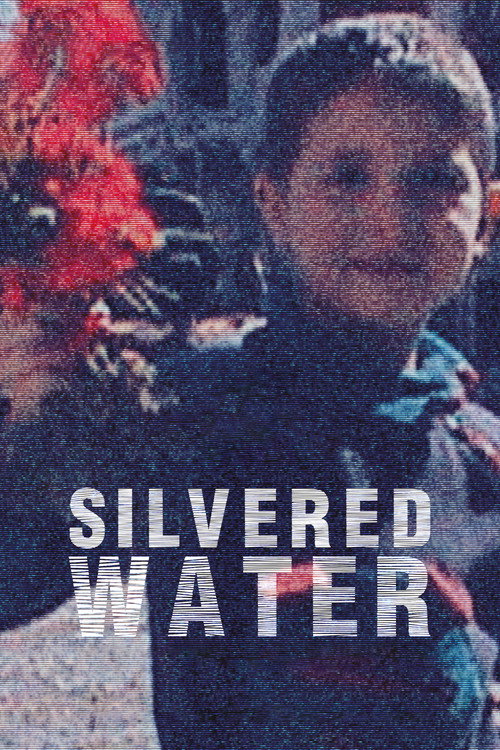
Silvered Water2014
Activists documenting the Syrian uprising through handheld footage and testimony. It shares the observational integrity of *Children on Trial*—letting evidence and witness testimony build the argument.
But It's extremely distressing. The suffering is not theoretical, and the fragmented editing can be disorienting.
The Act of Killing2012
A documentary asking perpetrators of a genocide to reenact their crimes. It's a profound meditation on how systems corrupt, and how humans rationalize atrocity—thematically aligned with *Children on Trial*'s institutional concerns.
But Morally difficult and sometimes unwatchable. Some see the premise itself as ethically compromised.

Night and Fog1956
Alain Resnais's 30-minute documentary on the Holocaust, balancing archive footage with color cinematography of the camps now empty. It's restrained, devastating, and formally innovative.
But The subject is unbearable. The poetic approach, while powerful, may feel insufficient to the horror.

Sans Soleil1983
Both use cinema to ask how people are shaped by forces larger than themselves. *Children on Trial* is institutional; *Sans Soleil* is historical and philosophical. But the mode—witness, accumulation, refusal of easy answers—is shared.
Chris Marker's essayistic film-poem roaming across Japan, Guinea-Bissau, and Iceland, meditating on memory and time. Formally radical—voice-over, montage, no narrative—but about how systems (political, personal, temporal) contain us.
But It's deliberately fragmented and abstract. If you need plot or clear argument, this will frustrate you. Some find it pretentious.

Winter Light1963
Both are Swedish-language films interrogating how institutions—schools, churches, reformatories—fail their members. Both trust observation and stillness to make their point.
Bergman's chamber film about a pastor and his congregation in rural Sweden, observing faith breaking down. It's fiction, but shot with the austere clarity of documentary, and its interest in systems failing people echoes *Children on Trial*.
But It's austere, quiet, and theologically demanding. There's no warmth. Some viewers find it punishing rather than moving.

People
Directing
- Jack LeeDirector
Writing
- Jack LeeWriter
- Nora DawsonWriter