
Film
The Story of Three Loves
A 1953 omnibus film where ocean liner passengers exchange tales of love—romantic, yearning, transformative. Each vignette shifts tone and mood, from whimsical ballet fantasy to passionate drama. It's a showcase for major stars and a meditation on how love reshapes us. For anyone drawn to old Hollywood elegance and episodic storytelling.
If you liked this
The Red Shoes1948
Visually rapturous ballet film about artistic obsession and impossible love. Like Three Loves, it uses dance to express what dialogue cannot, and both explore the price of devotion.
But The pacing is unhurried and the emotional logic is dreamlike rather than naturalistic, which distances some viewers immediately.

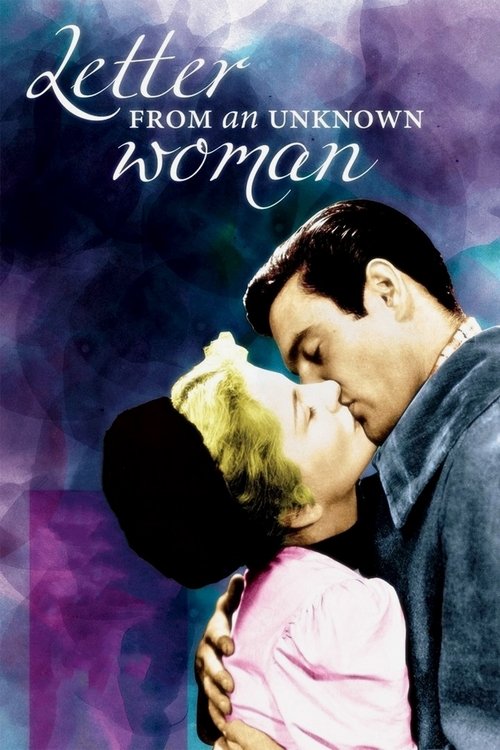
Letter from an Unknown Woman1948
A woman's lifetime of unrequited love unfolds in a single letter. Exquisitely melancholic and structurally daring, it shares Three Loves' interest in how memory and love distort each other.
But The protagonist's passivity—her willingness to orbit a man who doesn't notice—will frustrate viewers expecting agency or modern sensibility.
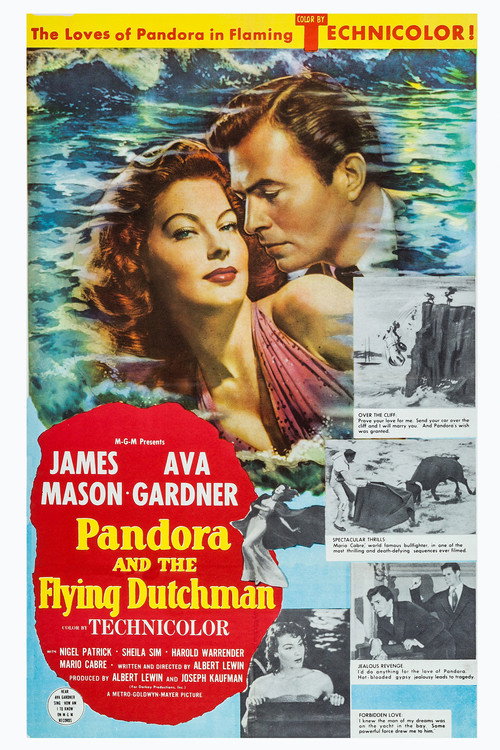
Pandora and the Flying Dutchman1951
Ava Gardner in Technicolor romance about a man cursed to wander until he finds true love. Rich, strange, beautifully shot—another 1950s film that prizes visual storytelling over plot mechanics.
But The narrative is thin and the pacing luxurious to the point of stalling. Some find it gorgeous but dramatically inert.
Not sure tonight? Get a pick in a minute, starting from The Story of Three Loves
The wildcard
Something you would not have found on your own.
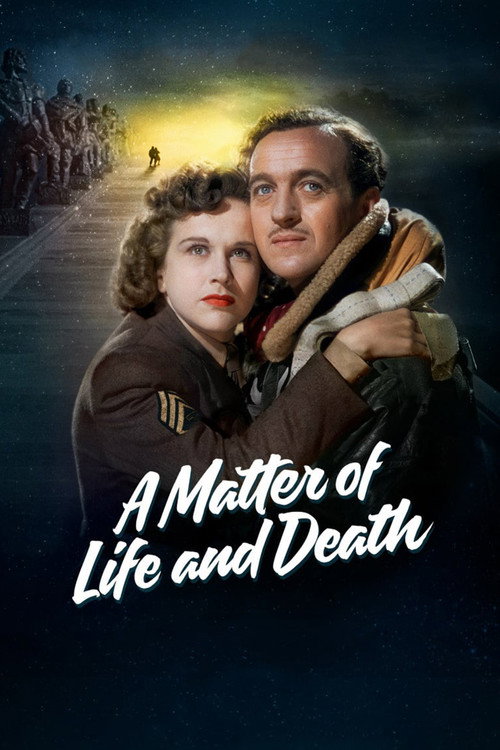
A Matter of Life and Death1946
Both use impossible, magical scenarios (heaven, ballet fantasy) to explore love as something that defies logic or death. Both believe in love absolutely.
Powell and Pressburger's metaphysical romance where a pilot falls in love with a radio operator before crashing, then fights in heaven's court to return to her. Like Three Loves, it uses fantasy and visual invention to express the irrational logic of love itself.
But The courtroom sequence is lengthy and the British eccentricity is pronounced. It requires patience and an openness to whimsy that not everyone brings to drama.
More like this (8)
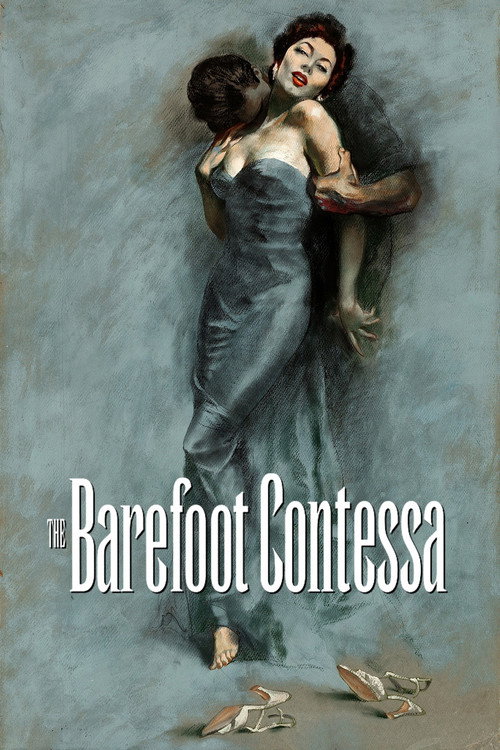
The Barefoot Contessa1954
Ava Gardner again, and Humphrey Bogart, in a noir-tinged romance told through flashbacks. Like Three Loves, it examines love from multiple angles and asks what we owe the people we desire.
But It's cynical where Three Loves is romantic, and the frame structure can feel dated and unnecessarily complicated.
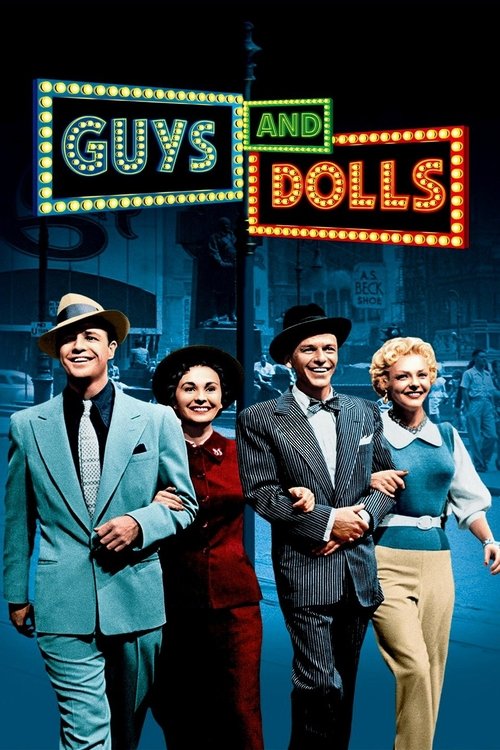
Guys and Dolls1955
Sinatra and Brando in Damon Runyon's musical romance. The theatrical exuberance and ensemble storytelling echo Three Loves' episodic warmth, and both celebrate love as the engine of transformation.
But The tonal shifts between comedy and sentiment are jarring, and the second half drags before the musical finale rescues it.
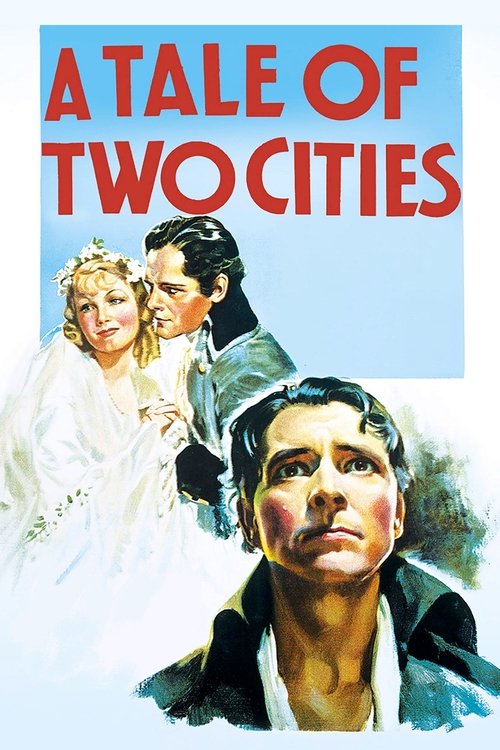
A Tale of Two Cities1935
Ronald Colman in this lush adaptation where love and sacrifice intertwine across a Dickens epic. The melodramatic intensity and historical sweep offer a companion to Three Loves' romantic grandiosity.
But The plot is dense and the pacing creaks by modern standards. You need to surrender to 1930s narrative rhythms to stay engaged.
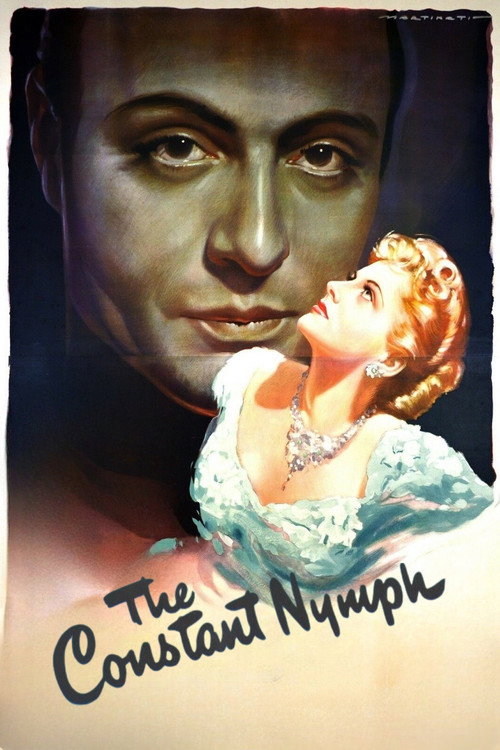
The Constant Nymph1943
Charles Boyer and Joan Fontaine in a music-soaked drama about artist and muse. Moody and introspective, it shares Three Loves' interest in the collision between artistic life and romantic desire.
But Fontaine's character's devotion feels one-sided and oddly passive, and the resolution is emotionally unsatisfying for modern tastes.
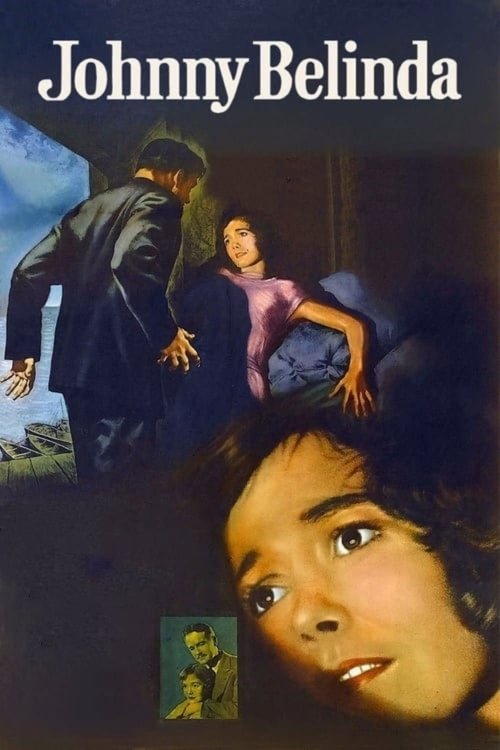
Johnny Belinda1948
Jane Wyman as a deaf woman finding love and agency. Quieter and more grounded than Three Loves, but both are mid-century dramas that take emotional stakes seriously and trust the audience to feel.
But The subject matter—disability and trauma—is handled with sincerity that can feel heavy-handed now, and the happy ending strains credulity.
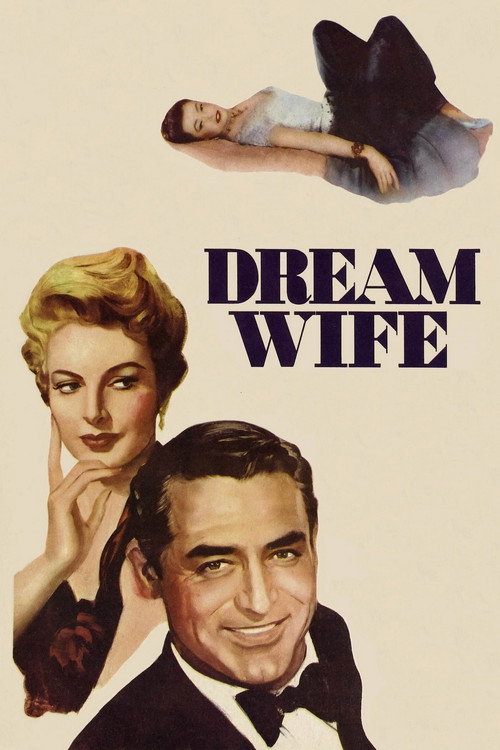
Dream Wife1953
Cary Grant and Deborah Kerr in a romantic comedy released the same year as Three Loves. Both films balance comedy and sincerity, and both view love as something to be earned rather than stumbled into.
But The gender politics are dated even for 1953, and the humor feels safer and more formulaic than the emotional depth the film sometimes reaches for.
Umberto D.1952
Both are mid-century films about what we sacrifice for love, but Three Loves romanticizes it while Umberto D. shows its cruelty. Together they bracket the question entirely.
Vittorio De Sica's neorealist masterpiece about an elderly pensioner and his dog, treated with such tenderness and specificity it becomes profound. A rebuke to Three Loves' romanticism, but equally convinced that human connection—in any form—matters.
But It's almost wordless, slow, and relentlessly about poverty and indignity. The emotional weight and bleakness are formidable. This will devastate you.

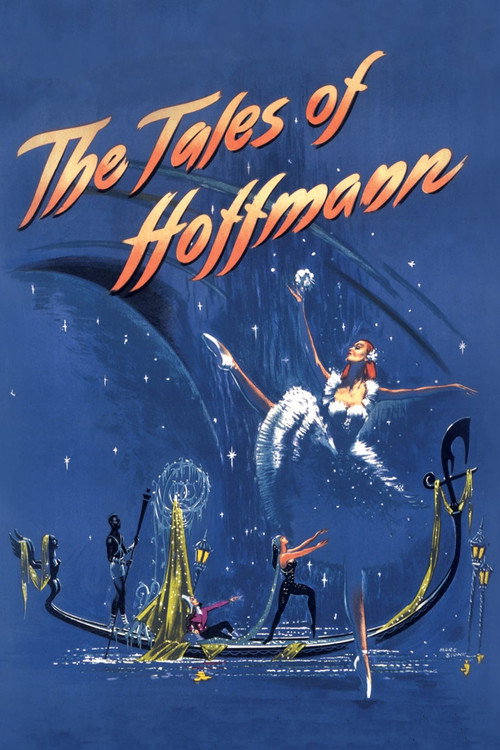
The Tales of Hoffmann1951
Both are episodic stories of love that refuse to be mundane, told through multiple vignettes with operatic or musical grandeur. Both believe cinema can be as theatrical as the stage.
Powell and Pressburger's operatic fantasy about a poet's three impossible loves, each ending in loss. Visually extravagant and theatrically bold—it's the spiritual sibling to Three Loves, both using music and spectacle to explore romantic obsession.
But It's deliberately artificial and stagey. If you want realism or conventional narrative clarity, the deliberate artifice will feel mannered and impenetrable.
People
Cast
 Pier AngeliNina Burkhardt
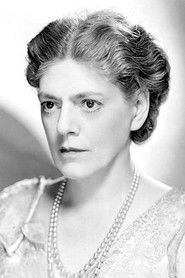 Ethel BarrymoreMrs. Hazel Pennicott
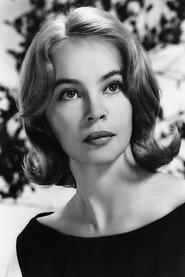 Leslie CaronMademoiselle
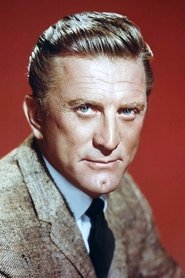 Kirk DouglasPierre Narval
 Farley GrangerThomas Clayton Campbell Jr
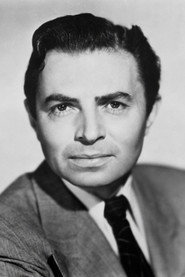 James MasonCharles Coutray
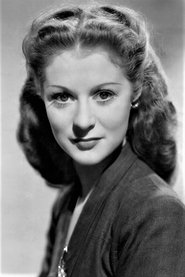 Moira ShearerPaula Woodward
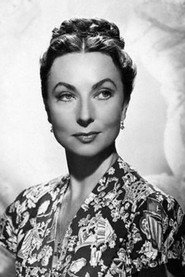 Agnes MooreheadAunt Lydia
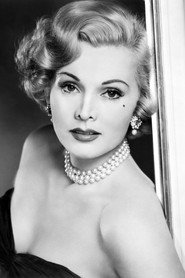 Zsa Zsa GaborFlirt at Bar
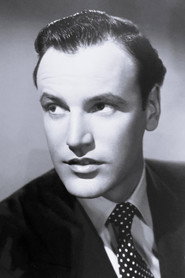 Richard AndersonMarcel
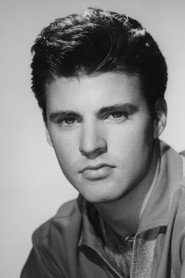 Ricky NelsonYoung Tommy
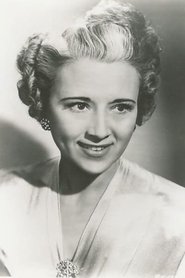 Bess FlowersWoman in hotel bar
Directing
- George RheinAssistant Director
- Jack GreenwoodAssistant Director
- Ridgeway CallowAssistant Director
- Gottfried ReinhardtDirector
- Vincente MinnelliDirector
Writing
- George FroeschelAdaptation
- Jan LustigAdaptation
- Arnold LippStory
- Jacques MaretStory
- Ladislao VajdaStory
- George FroeschelWriter
- John CollierWriter
Production
- Sidney FranklinProducer
Recommended by
The True Story of Lili Marlene, Moulin Rouge, Invitation to the Dance, Natalie Wood: What Remains Behind