
Film
Invitation to the Dance
- Dance musical
- Light-hearted
- Dip in and out
A 1956 Gene Kelly vehicle told entirely through dance and pantomime, with no dialogue. Three discrete stories—a Parisian romance, a classical ballet, a playful adventure—showcase Kelly's gifts as a dancer and director. Ravishing to look at but demands patience; it's a love letter to dance itself, and you must meet it on its terms.
Should you watch it?
Watch it if you care more about bodies moving through painted, dreamlike sets than about dialogue, and you like a film that trusts silence to carry the feeling.
Skip it if you want a plot you can follow in words, since nobody speaks here and the stories lean on mood and gesture more than on explanation.
What it asks of you: Three separate wordless stretches, each with its own style and mood, so you settle into one before the next begins; it runs ninety-three minutes at a measured pace.
Not sure? Find tonight's pick in a minute.
If you liked this
Singin' in the Rain1952
The apotheosis of the Hollywood musical: every number justifies its existence, every frame is composed with care, and Gene Kelly at his most magnetic. Pure joy.
But If musicals feel like narrative speed bumps to you, this won't convert you. It's very much a film *about* performing rather than a drama that happens to sing.

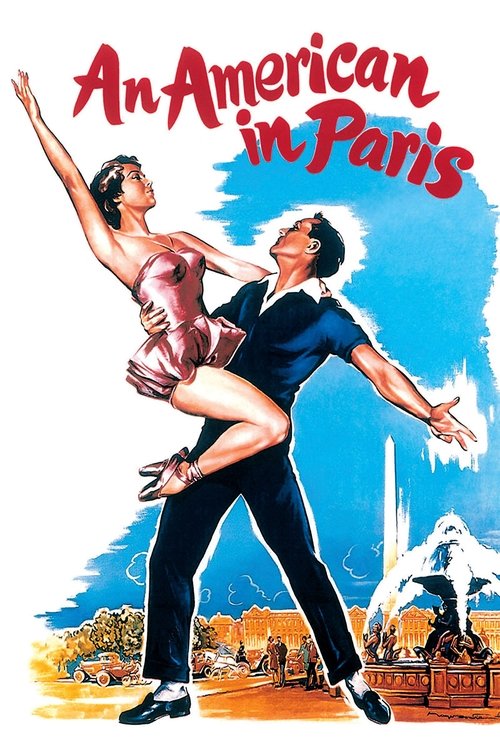
An American in Paris1951
Vincente Minnelli's masterpiece: Paris rendered in saturated Technicolor, a love story that actually lands, and a final twenty-minute ballet that redefined what film musicals could be.
But Post-war sentimentality wears thin if you're allergic to romance. The pacing asks you to luxuriate, not race.
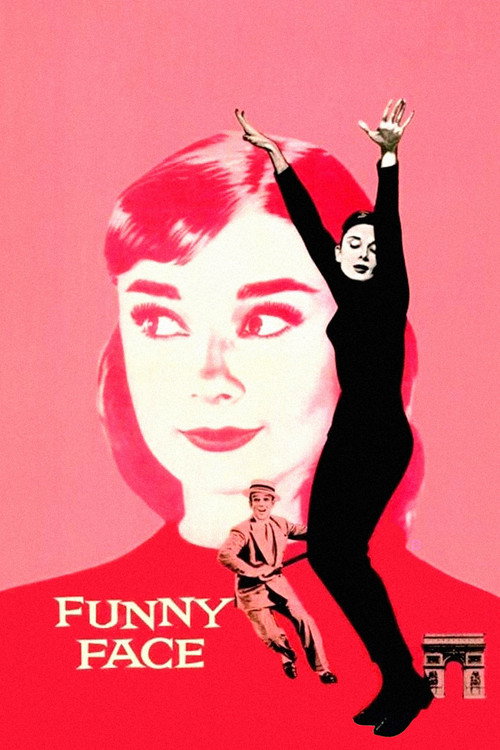
Funny Face1957
Audrey Hepburn and Fred Astaire dancing through Paris, George Gershwin's score, and a fashion-world satire that still sparkles. Lightweight but perfectly made.
But It's a featherweight plot designed as scaffolding for numbers. Caring deeply about the story is optional.
Not sure tonight? Get a pick in a minute, starting from Invitation to the Dance
The wildcard
Something you would not have found on your own.
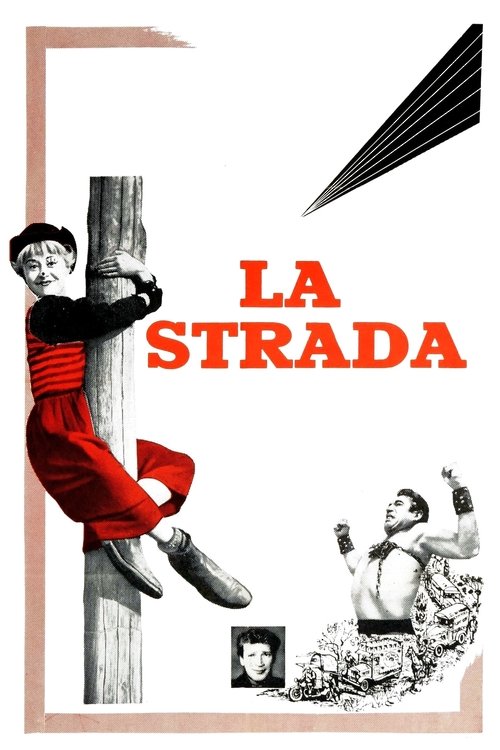
La Strada1954
Both use performance—dance, spectacle, physical virtuosity—as the language of the film rather than dialogue. Both ask what it costs to devote your life to beauty and art.
Federico Fellini's masterpiece: a circus strongman and the woman who loves him, filmed with a moral seriousness and visual poetry that transfigures the material. Watch it and carry it with you.
But It's profoundly sad. The circus setting is misleading—this is about exploitation and dignity, not entertainment. Bleak and demanding.
More like this (6)
The Red Shoes1948
Michael Powell and Emeric Pressburger's obsessive masterpiece: a dancer caught between love and art, with a seventeen-minute ballet that's hypnotic and genuinely unsettling. Uncompromising.
But It's painterly and slow-moving. The moral framework is rigid and the ending devastates some viewers rather than satisfying them.

Gigi1958
Vincente Minnelli again, this time in Belle Époque Paris with Maurice Chevalier, Leslie Caron, and a script full of wit. Ravishing and charming without a false step.
But The romance between an older man and a teenager reads uncomfortably now, and the whole thing is decorative rather than substantive.
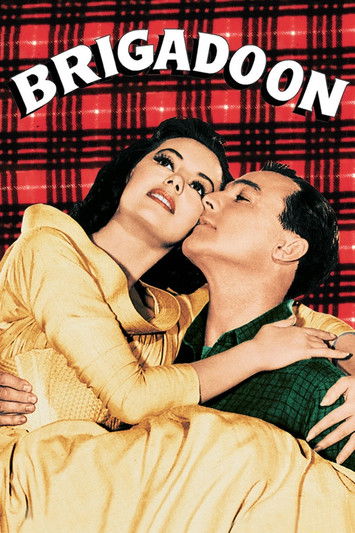
Brigadoon1954
A town that appears for one day every hundred years; Gene Kelly and Van Johnson; Vincente Minnelli painting Scotland in pastels and green screen. Preposterous and utterly charming.
But The magical-village premise requires real suspension of disbelief. It's kitsch, deliberately so, and that won't work for everyone.
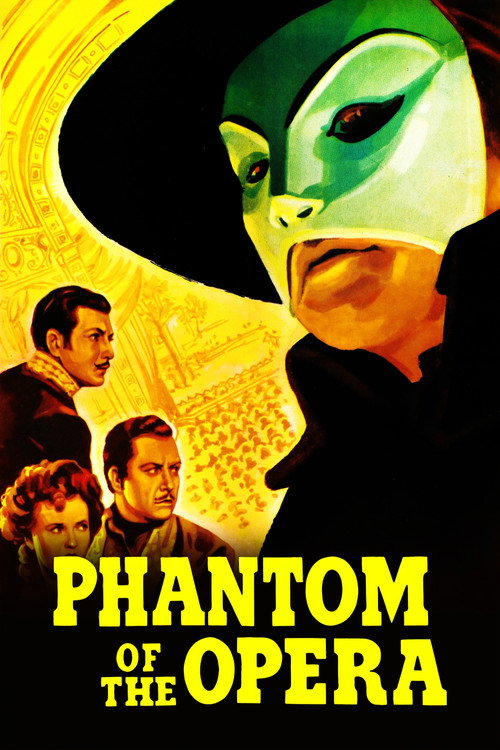
Phantom of the Opera1943
A Technicolor feast with Nelson Eddy and Susanna Foster; the Phantom's hideout is surreal and gorgeous; the climax takes place during a stage production of King Arthur.
But It's a dated adaptation of a creaky story. The romance between captor and captive doesn't play well now, and the pacing is glacial.
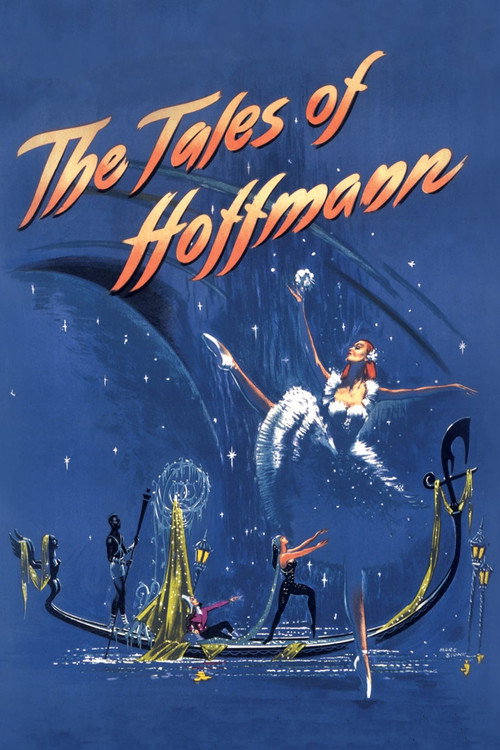
The Tales of Hoffmann1951
Powell and Pressburger again, adapting Offenbach's opera into a fever dream of color and dance. Three interconnected stories about love and art, with a visual imagination that's almost unhinged.
But It's a filmed opera without dialogue, essentially. If you're not already invested in the music or the form, the three acts feel distant and abstract.
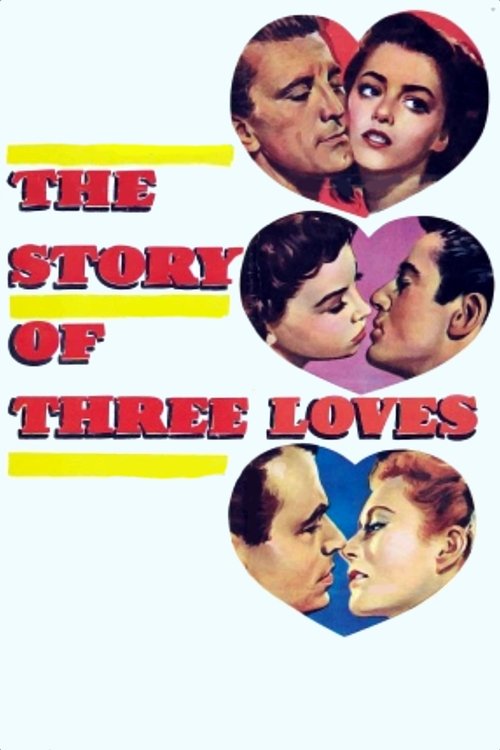
The Story of Three Loves1953
Like *Invitation*, it's a film built from discrete narrative units, each with its own visual language. Both trust that dance and stylization can carry emotion as effectively as dialogue. Both are forgotten now, which is a shame.
An omnibus film: three separate love stories told on a ship, each directed or co-directed by Vincente Minnelli or Gottfried Reinhardt. The second story is a ballet filmed by Minnelli with Kirk Douglas and Moira Shearer that rivals Powell's best work.
But It's uneven—one story thrills, one lands, one stumbles. Omnibus films live or die on whether you care about the structure, and many people don't.
People
Cast
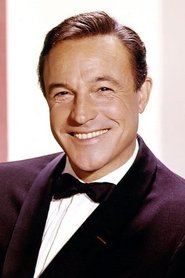 Gene KellyHost / Pierrot / The Marine / Sinbad
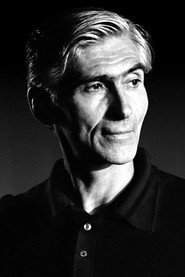 Igor YouskevitchThe Lover / The Artist
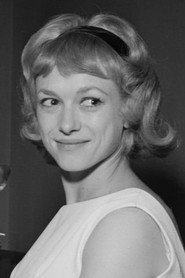 Claire SombertThe Loved
 Tamara ToumanovaThe Streetwalker
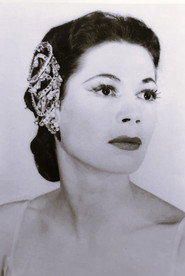 Diana AdamsHat Check Girl
 Tommy RallFlashy Boyfriend
 BelitaThe Femme Fatale
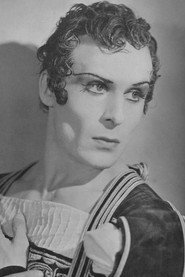 David PaltenghiThe Husband
- Daphne DaleThe Wife
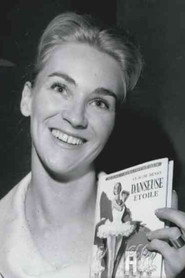 Claude BessyThe Model
- Irving DaviesThe Crooner in 'Ring Around the Rosy'
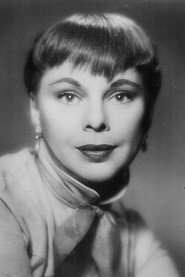 Carol HaneyScheherazade