
Film
Moulin Rouge
Other titles called Moulin Rouge: the 2001 film.
A lush 1952 drama centered on the crippled artist Henri de Toulouse-Lautrec, finding belonging in the bohemian chaos of Paris's Moulin Rouge nightclub. José Ferrer's performance anchors this portrait of a man searching for love and artistic meaning amid dancers, performers, and the city's glittering underbelly. Visually sumptuous, emotionally direct.
Should you watch it?
Watch it if you love old studio melodrama played with painterly color and big, unembarrassed emotion, and you don't mind a portrait of an artist that is more romance than rigor.
Skip it if you may find the sentiment laid on thick, with the hero's disability leaned on for pathos, if you want restraint or gritty bohemian Paris.
What it asks of you: A brisk, colorful two hours that moves through romance and rivalry at a pace that rarely lingers, with plenty of showy staging to sit through.
Not sure? Find tonight's pick in a minute.
If you liked this
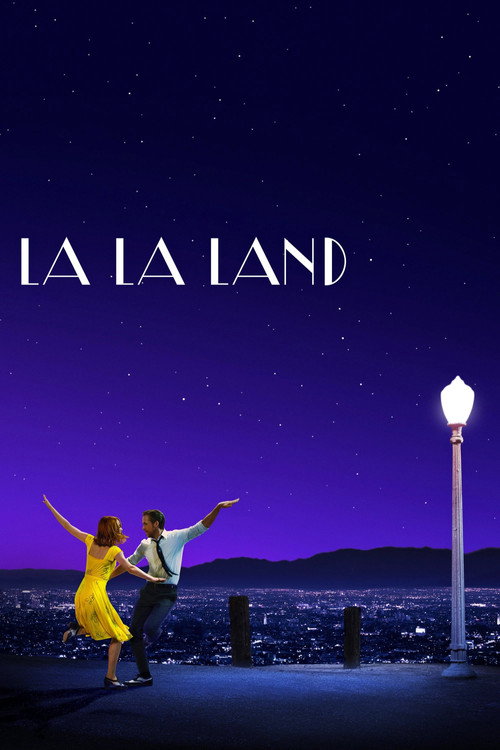
La La Land2016
A modern film equally obsessed with beauty, artistic ambition, and the ache of loving the wrong person in the wrong place at the wrong time. Jazz-inflected, gorgeously shot, and unafraid of melancholy.
But The musical numbers can feel slightly self-conscious, and the ending is deliberately bittersweet rather than cathartic.
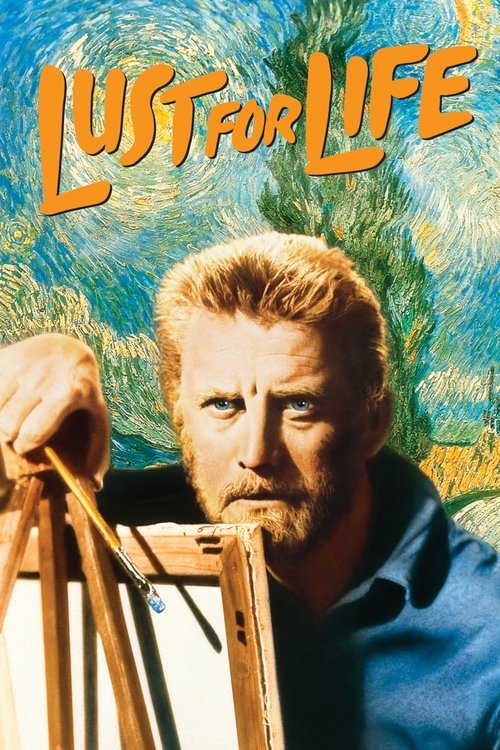
Lust for Life1956
Kirk Douglas as Van Gogh in another jewel-toned biopic about a tortured artist's search for connection. Directed by Vincente Minnelli, the same visual genius behind the original Moulin Rouge. A kindred spirit film.
But It's quite long and doesn't shy away from psychological anguish. Some may find the pacing deliberate rather than propulsive.
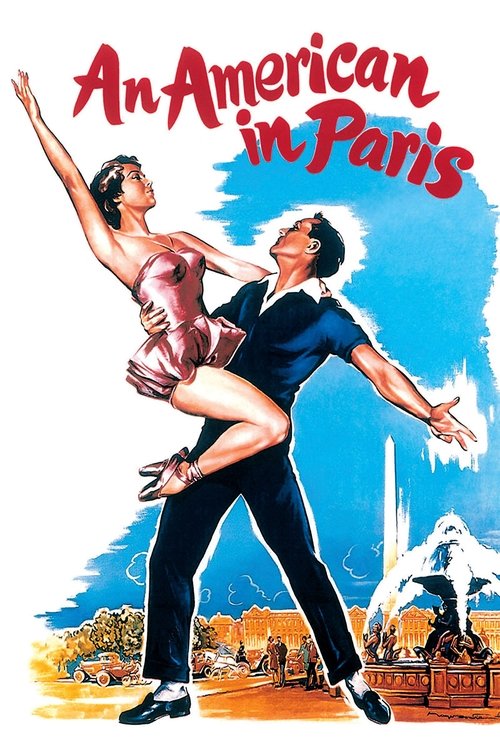
An American in Paris1951
Another Minnelli masterpiece set in post-war Paris, brimming with dance, romance, and the intoxication of artistic life in a beautiful city. Gene Kelly and Leslie Caron navigate desire with grace and style.
But The ballet sequence runs nearly twenty minutes and feels like a film within a film. If you're impatient with spectacle, it may test you.
Not sure tonight? Get a pick in a minute, starting from Moulin Rouge
The wildcard
Something you would not have found on your own.
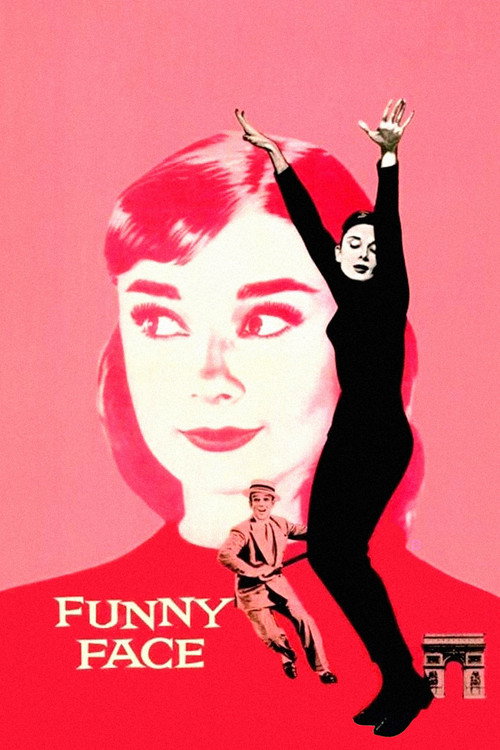
Funny Face1957
Both films are obsessed with Paris as a site of artistic transformation and use visual spectacle to explore how creative environments shape romantic possibility.
Audrey Hepburn and Fred Astaire in a Technicolor dream about art, photography, and intellectual life in Paris. Like Moulin Rouge, it locates romance and beauty in creative spaces, but it's a musical rather than a drama—brighter, more playful, with dance as its emotional language.
But The romance between the leads has an uncomfortable age gap that the film doesn't acknowledge as problematic. The fashion photography stuff can feel dated.
More like this (8)
The Red Shoes1948
A visually ravishing film about an obsessive dancer torn between love and artistic calling. The psychological intensity and Technicolor splendor make it required viewing for anyone moved by artists in crisis.
But The pacing is deliberate and stylized. The ending is devastating and won't offer you comfort.

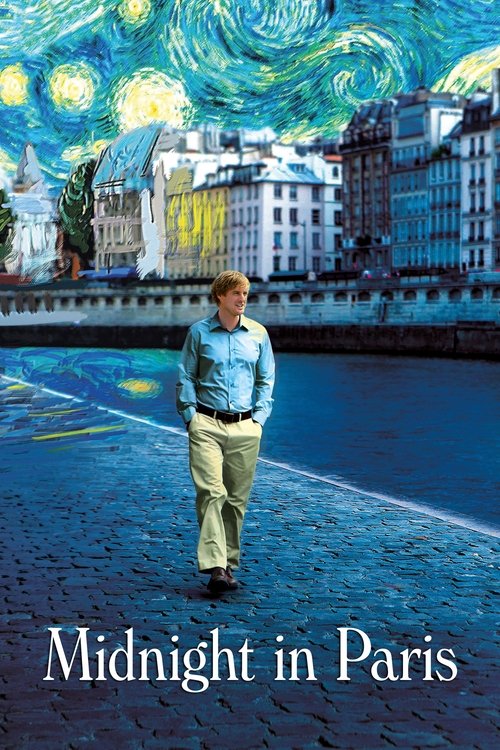
Midnight in Paris2011
Woody Allen's love letter to artistic Paris and the romance of the past. It captures that same intoxicating sense of a city where creativity feels possible and the right person might be waiting around any corner.
But Allen's whimsy doesn't work for everyone, and the film's nostalgia can feel a bit precious or escapist.
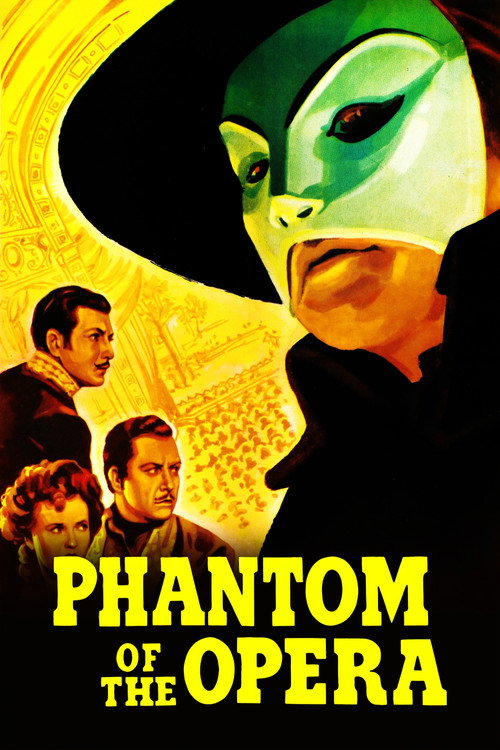
Phantom of the Opera1943
Claude Rains in Technicolor opulence, another film about artistic passion twisted by desire and obsession. Universal's monster movie that's actually an elaborate melodrama about beauty, art, and destructive love.
But It's a horror picture at heart, which means the tone can feel uncertain. Some of the acting is arch in a way that doesn't always land.
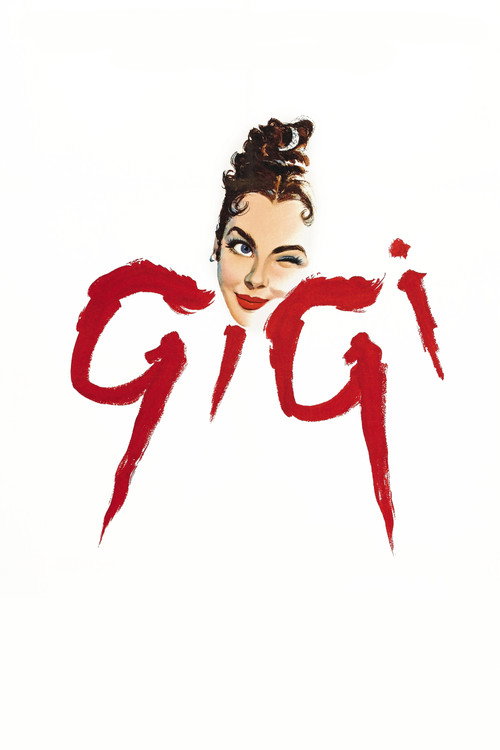
Gigi1958
Minnelli again, this time directing Leslie Caron in a Belle Époque romance set in the world of Parisian courtesans. Pure theatrical joy with impeccable music and production design that rivals any film ever made.
But Its treatment of women and the sex trade is deeply of its time. Some find the sugar-coated approach to the subject matter troubling.
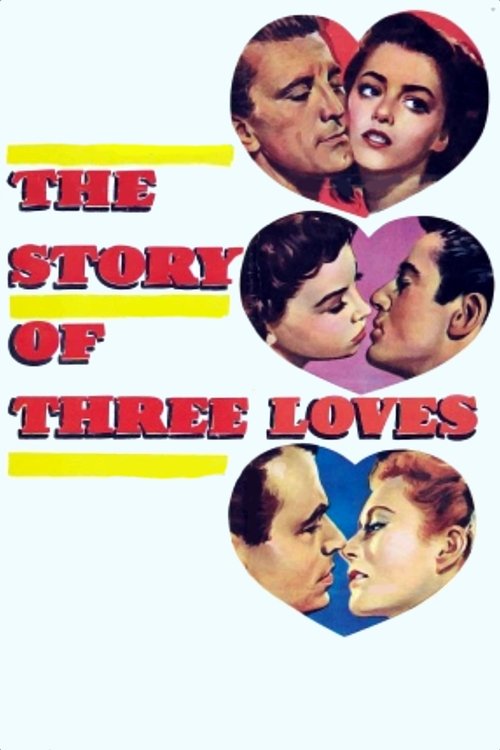
The Story of Three Loves1953
An anthology of three interconnected love stories in Paris, Vienna, and the circus. It has that same intoxicated European romance and features genuine emotional depth beneath its elegant surface.
But As an anthology, the tone and quality vary between segments. It's ambitious but uneven, and some stories land harder than others.
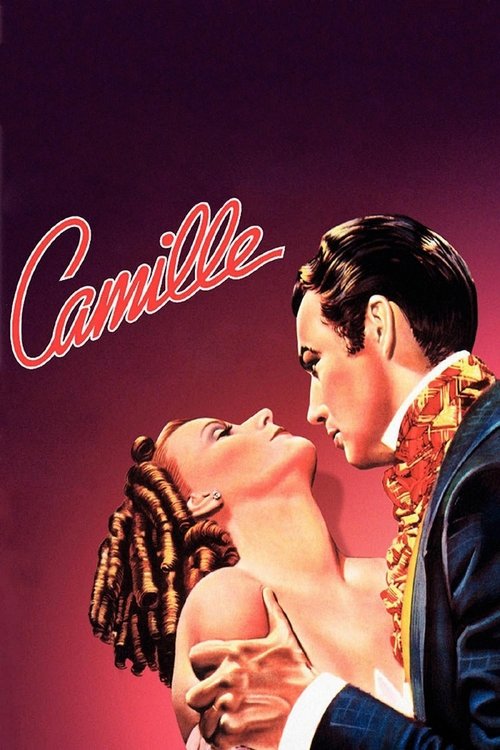
Camille1936
Greta Garbo as a courtesan torn between respectability and doomed love. A quieter, more intimate film about desire and artistic yearning set in the world of Paris nightlife and café society.
But It's nearly ninety years old and the pacing reflects an earlier era of filmmaking. The romantic melodrama may feel overwrought to modern sensibilities.
Singin' in the Rain1952
Both explore what it means to be a performer in a world that objectifies and uses artists. Both suggest that the stage is where sensitive people go to hide and find themselves.
Released the same year as Moulin Rouge and equally preoccupied with performers, ambition, and the vulnerability beneath showmanship. Gene Kelly and Donald O'Connor navigate fame, friendship, and the desire to be seen as more than an entertainer.
But It's relentlessly cheerful, which can feel at odds with the undercurrent of professional desperation in the story. Some find pure joy exhausting.

Umberto D.1952
Both films are character studies of outsiders searching for connection and worth in spaces that simultaneously promise and deny them belonging.
A neorealist masterpiece about an elderly man's dignity stripped away by poverty and social indifference. Like Moulin Rouge, it's a portrait of someone searching for belonging in an indifferent world, but here there's no nightclub glamour—just Rome, loneliness, and the quiet desperation of being unseen.
But It's bleak and slow and offers no redemption. The ending is anti-climactic in a way that some find unbearable. Not a film that comforts.

People
Cast
 José FerrerHenri de Toulouse-Lautrec
 Zsa Zsa GaborJane Avril
- Colette MarchandMarie Charlet
 Suzanne FlonMyriamme Hayam
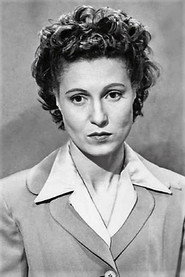 Claude NollierCountess de Toulouse-Lautrec
 Katherine KathLouise Weber
 Muriel SmithAicha
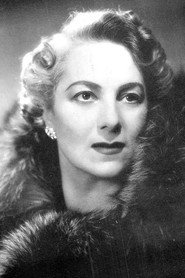 Mary ClareMadame Loubet
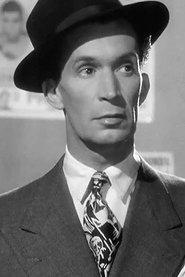 Walter CrishamValentin le Desossé
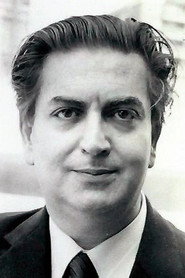 Harold KasketCharles Zidler
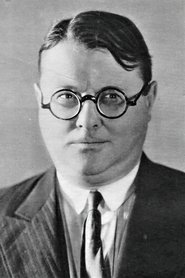 Jim GéraldLe Père Cotelle
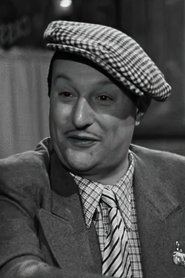 Georges LannesBalthazar Patou
Directing
- Adrian Pryce-JonesAssistant Director
- Angela AllenContinuity
- John HustonDirector
- Jack N. GreenThird Assistant Director
Writing
- Jacques LarueLyricist
- Paul DehnLyricist
- Pierre La MureNovel
- Anthony VeillerScreenplay
- John HustonScreenplay
Production
- Jack ClaytonAssociate Producer
- John HustonProducer
- Leigh AmanProduction Manager