
Television series
The War
Other titles called The War: the 1994 film.
- War drama
- Slow-burning
Ken Burns and Lynn Novick's intimate seven-part documentary follows WWII through the lives of ordinary Americans from four small towns. It's a masterclass in letting voices breathe—archive footage, photographs, letters, and testimony weave into something that feels personal rather than encyclopedic. For anyone who wants to understand not just what happened, but what it felt like to live through it.
Should you watch it?
Watch it if you want the Second World War seen through a few ordinary households back home and at the front, with patient interviews and archive footage that let memory do the storytelling.
Skip it if you want a tidy strategic overview of the campaigns, since the focus stays on individual memory rather than generals and maps.
What it asks of you: Two and a half hours across seven parts, so it suits a few evenings; the pace is deliberate and the tone stays sober throughout.
Not sure? Find tonight's pick in a minute.
If you liked this
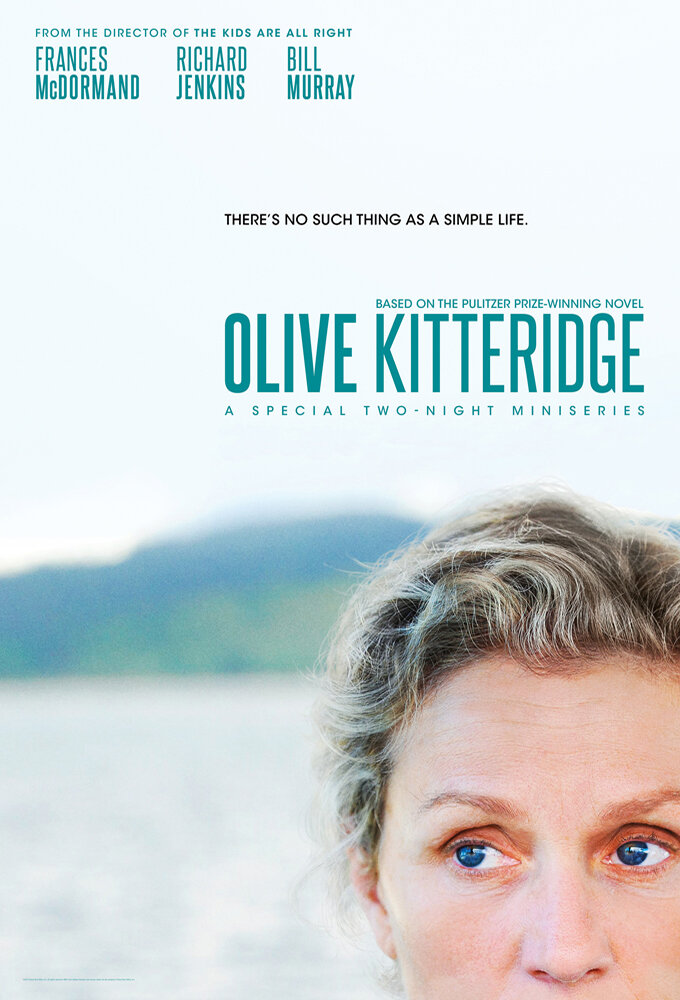
Olive Kitteridge2014
Small-town New England life rendered with unflinching depth, where ordinary people contain contradictions and decades of longing. Same DNA as The War, but fiction lets you sit inside people's heads instead of listening from outside.
But It's quiet and sometimes bleak. If you want drama that performs for you, this will feel withholding.
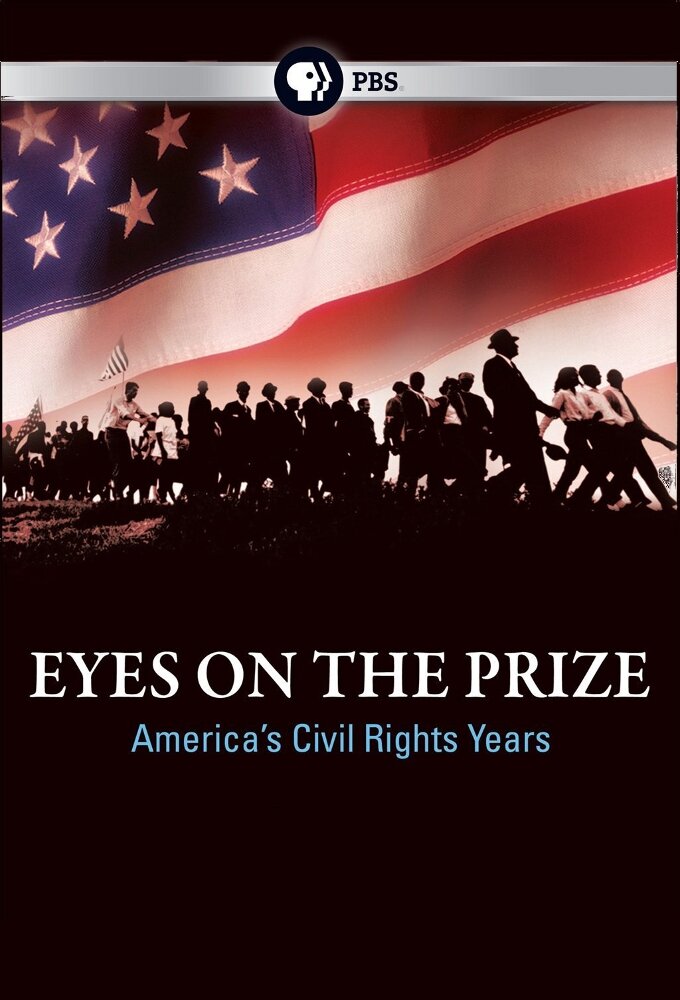
Eyes on the Prize1987
Fourteen hours of American history told through oral testimony and archive. It has the same reverence for human experience, the same commitment to letting people speak their own truths without editorializing.
But Watching it means confronting American cruelty without reprieve. It doesn't offer comfort or resolution.
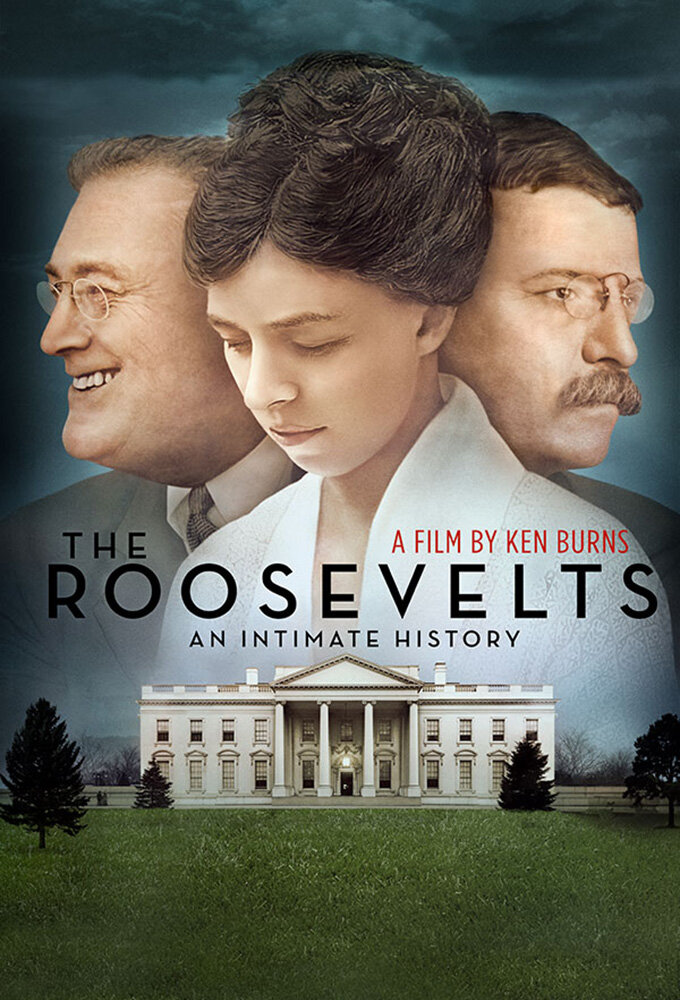
The Roosevelts: An Intimate History2014
Burns again, but tighter—five hours instead of seven, focused on three lives that shaped the twentieth century. The technique is identical, the emotional payoff is enormous.
But If you're burnt out on Burns' aesthetic by now, this won't change your mind. It commits fully to his vision.
Not sure tonight? Get a pick in a minute, starting from The War
The wildcard
Something you would not have found on your own.
Come and See1985
Both are refusals to prettify war or make it comprehensible. Both trust that witnessing is enough.
A Soviet film about a boy conscripted into the Red Army in WWII. It's brutal and hallucinatory and unlike anything in the Western canon. The War speaks about sacrifice; this one puts you inside the erasure of innocence.
But It's genuinely disturbing—not exploitative, but unwilling to look away from atrocity. Some violence is historical testimony. This film makes you feel it in your body.

More like this (6)
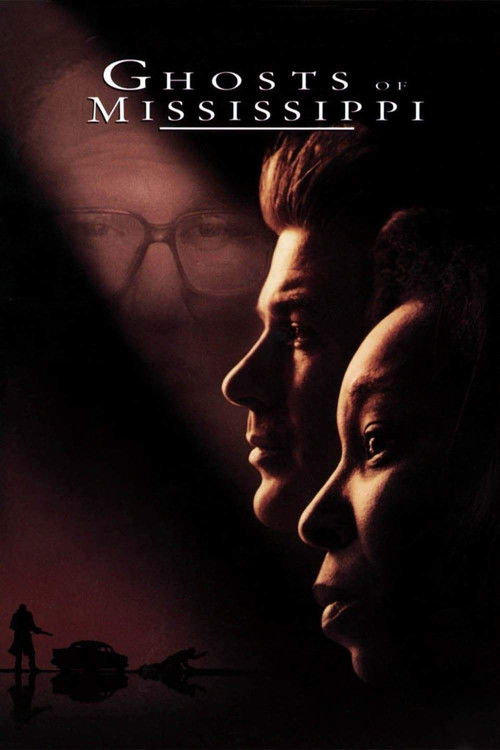
Ghosts of Mississippi1996
A narrative film about the reopening of a thirty-year-old murder case. It captures something The War does beautifully: how the past lives in the present, and how ordinary people are shaped by history they didn't make.
But It's a lawyer procedural at heart, so it follows conventional three-act structure. Some of the drama feels engineered.
The Fog of War2003
Errol Morris interviews Robert McNamara about his role in WWII and Vietnam. One voice, one perspective, but it's mesmerizing—a masterclass in how to extract truth through patient, careful questioning.
But McNamara remains guarded about his deepest regrets. You're always aware he's controlling the narrative.

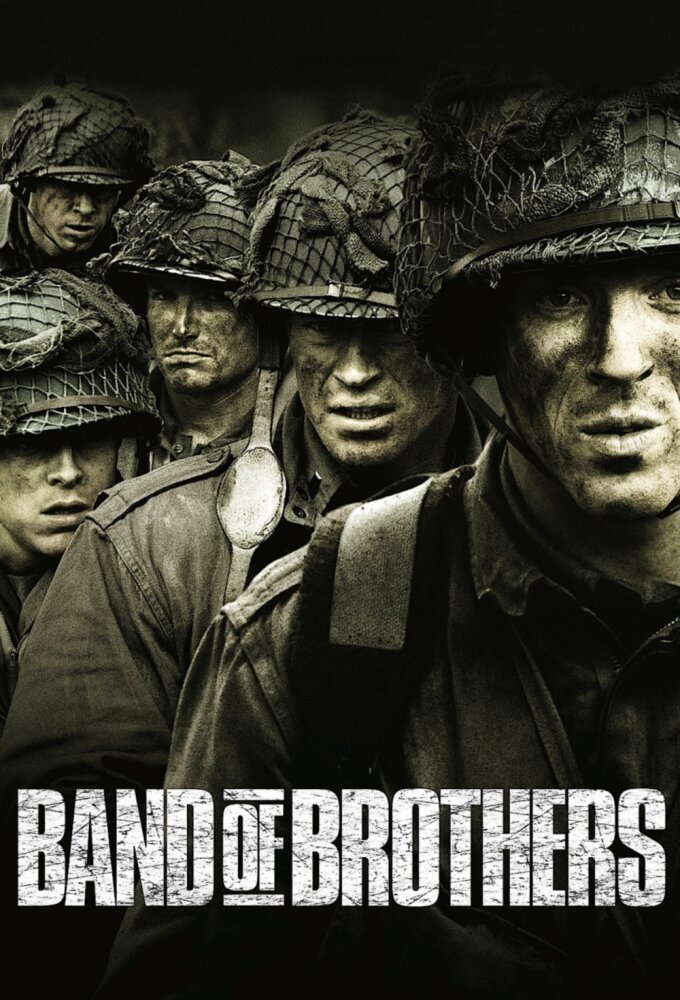
Band of Brothers2001
Ten hours following one company from training through the end of the war. It's the narrative counterpart to The War—scripted, but built from real accounts, and it honors the unglamorous truth of soldiering.
But It's cinematic and designed to move you. If you want documentary restraint rather than emotional manipulation, it's too orchestrated.
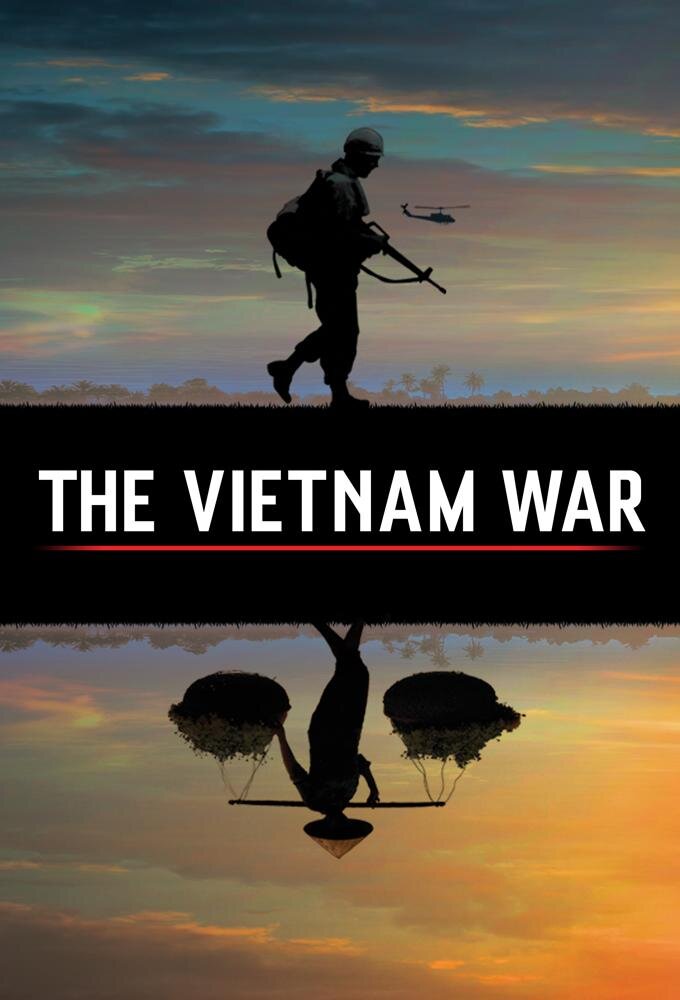
The Vietnam War2017
Burns and Novick again, but sadder—they turn their method on a war that split America. Watching them apply their framework to a conflict that still divides feels urgent and necessary.
But It's eighteen hours, and the pain is cumulative. Some viewers find it exhausting rather than illuminating.
Night and Fog1956
The War owes everything to this model: how to honor testimony through montage, how to let silence do the work, how to make the unbearable bearable by refusing to explain it.
Alain Resnais' thirty-minute essay on Auschwitz. Color footage of the camp as it was in 1955, intercut with archive photographs and audio testimony. It invents the form that The War perfects.
But It's abstract and philosophical rather than narrative. Some find that approach coldly intellectual, wrong for the subject matter.
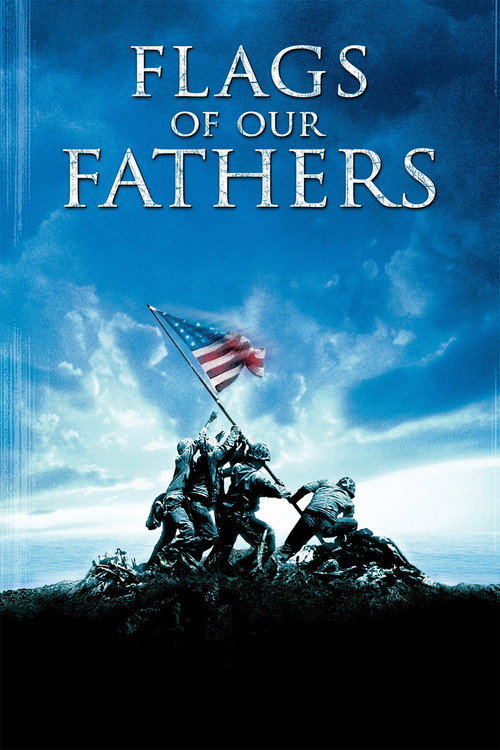
Flags of Our Fathers2006
Both are excavations—finding the real people buried under the mythology of heroism, letting them speak for themselves rather than performing what we think we want to hear.
Eastwood's film about the men in the famous Iwo Jima photograph, and how they were used to sell bonds back home. It's a narrative film, but it has The War's core question: what happened to the people after the cameras moved on?
But It's elegiac and deliberately unheroic, which some mistake for slow. If you want action-movie satisfaction, it won't provide it.
People
Cast
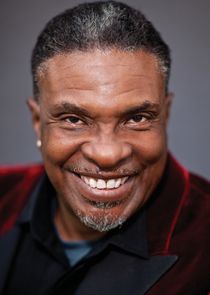 Keith DavidNarrator
Production
- Ken BurnsProducer
- Lynn NovickProducer
- Sarah BotsteinProducer
Recommended by
The Vietnam War, The Cold Blue, Let There Be Light, Baseball, The Memphis Belle, Desert Victory, The True Glory, Cider with Rosie, You Are There, Victory at Sea