
Film
Let There Be Light
Shot in 1945 at an Army hospital, this is Huston at his most restrained: a fly-on-the-wall record of soldiers relearning to speak, walk and sleep after combat, treated with hypnosis, narcosynthesis and simple patience. No music, no sermon — just faces recovering in real time. Tender, clinical, quietly devastating; the Army buried it for 35 years because it worked too well.
If you liked this
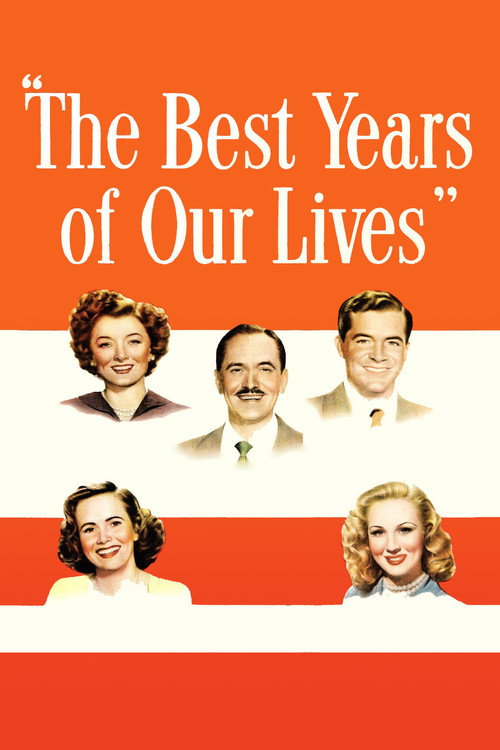
The Best Years of Our Lives1946
Released the same year, this Oscar-sweeping drama follows three servicemen adjusting to peacetime life — the glossy Hollywood mirror to Huston's raw ward, the same wounds, softened but still visible.
But The Hollywood polish and tidy resolutions smooth over the rawness that makes the documentary so unsettling.
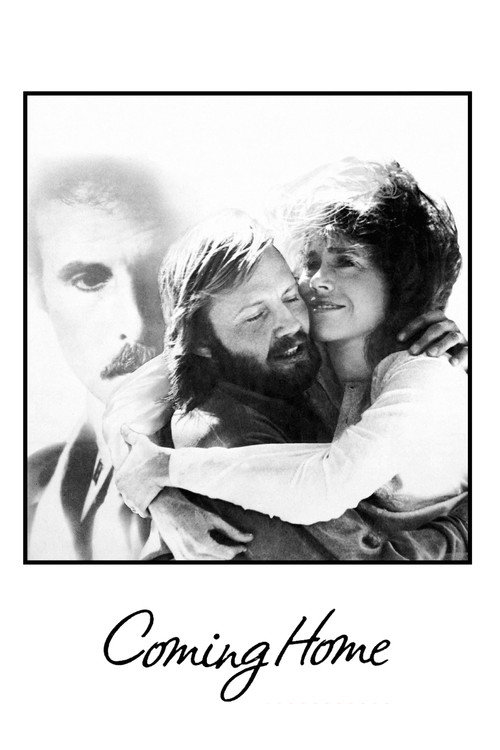
Coming Home1978
Jane Fonda falls for a paralyzed, embittered Vietnam vet in a film that treats sexual and psychological recovery as inseparable, decades before that was common ground in mainstream cinema.
But The central romance can tip into melodrama, pulling focus from the harder questions about reintegration.
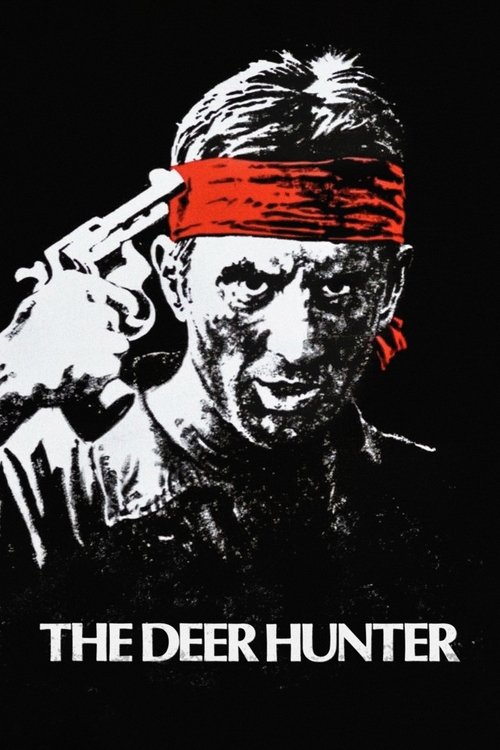
The Deer Hunter1978
An epic, brutal portrait of how Vietnam hollowed out a group of friends — still one of the most searing depictions of what war does to a mind long after the shooting stops.
But Three hours long, punishing in tone, and the Russian roulette sequences remain genuinely hard to sit through.
The wildcard
Something you would not have found on your own.
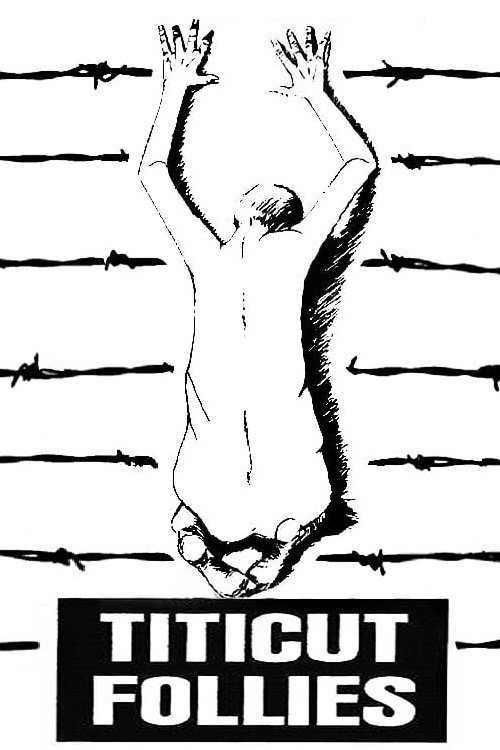
Titicut Follies1967
Both films were suppressed by the institutions they depicted — Huston's for 35 years, Wiseman's for over two decades in Massachusetts — and both use unflinching documentary access to a psychiatric institution as a form of protest.
Frederick Wiseman's unnarrated, unsentimental record of a state mental hospital is the film Let There Be Light might have become without Huston's compassion — cold, clinical, and genuinely disturbing in its access.
But It's bleaker and colder than Huston's film, with none of the tenderness — observation without comfort, and it can feel exploitative.
More like this (8)
Restrepo2010
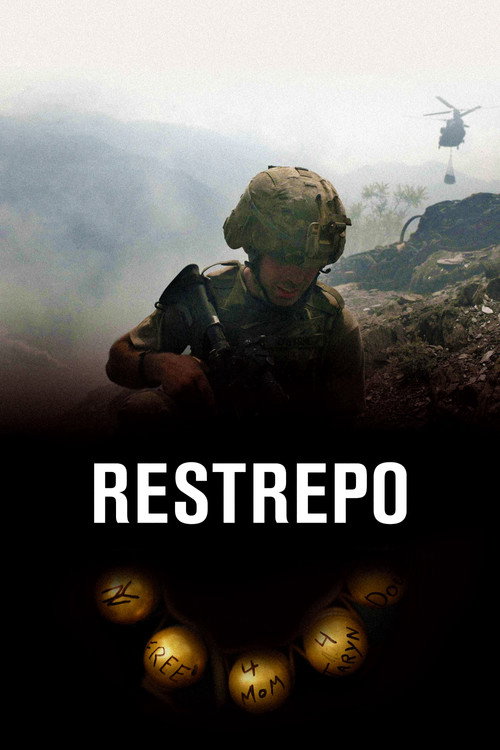
An unnarrated, embedded documentary shot with a platoon in Afghanistan's Korengal Valley — the closest thing to being there, and a spiritual descendant of Huston's fly-on-the-wall camera work.
But It's pure combat, with no aftermath or recovery shown — expect adrenaline and dread, not healing.
The Hurt Locker2008
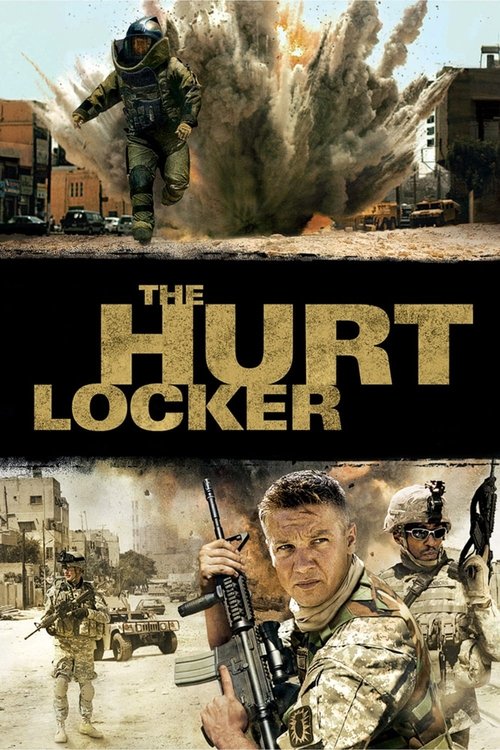
Kathryn Bigelow's Oscar-winner turns a bomb disposal unit's daily terror into a study of a man who can no longer feel normal life — addiction to war rendered as tragedy.
But It's a tense genre thriller first; the psychological portrait sneaks in around the action set pieces.
Thank You for Your Service2017no page yet
A blunt, sincere drama that puts PTSD treatment for Iraq veterans front and centre, following the bureaucratic maze as closely as the men trying to survive it.
But Fairly conventional in style — it explains what Huston's film simply shows, and loses some subtlety doing so.
Born on the Fourth of July1989
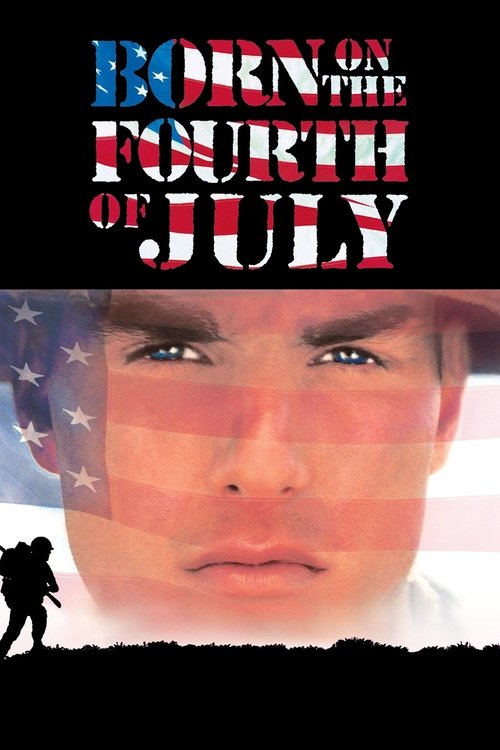
Oliver Stone's furious, autobiographical-in-spirit epic follows a paralyzed Vietnam vet from wounded patriot to disillusioned activist — angry where Huston's film stays quiet, but cut from the same wound.
But Stone's style is maximalist and didactic; if you want restraint, this is the opposite of that.
The War2007no page yet
Ken Burns's sprawling documentary series lets ordinary WWII veterans describe their own trauma decades later, in their own words, with the patience only a fifteen-hour running time can afford.
But It's a serious time commitment, and the psychiatric side is one thread among many in a huge tapestry.
In the Valley of Elah2007no page yet
A quiet, procedural mystery about a father investigating his son's death after returning from Iraq, unpicking what war leaves behind long after the uniform comes off.
But Slow and deliberately opaque — it withholds answers in a way some will find frustrating rather than haunting.
Waltz with Bashir2008
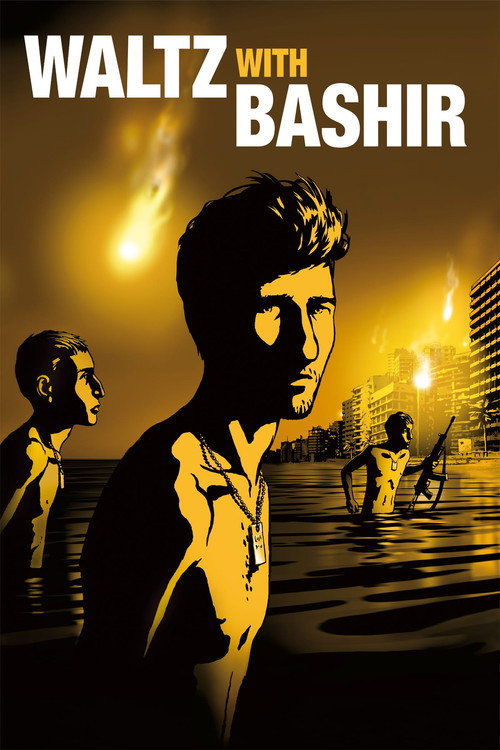
An animated documentary in which a veteran interviews fellow soldiers to reconstruct memories his mind has blocked out — the same idea Huston's narcosynthesis scenes rest on, that talking can unlock buried trauma, rendered in a wholly different visual language.
Ari Folman animates his own search for a suppressed memory of the 1982 Lebanon war, turning therapy-adjacent interviews into surreal, dreamlike sequences — proof the subject survives a total change of medium.
But Animation as a vehicle for trauma memoir is a hard sell if you want strictly factual, unmediated footage.
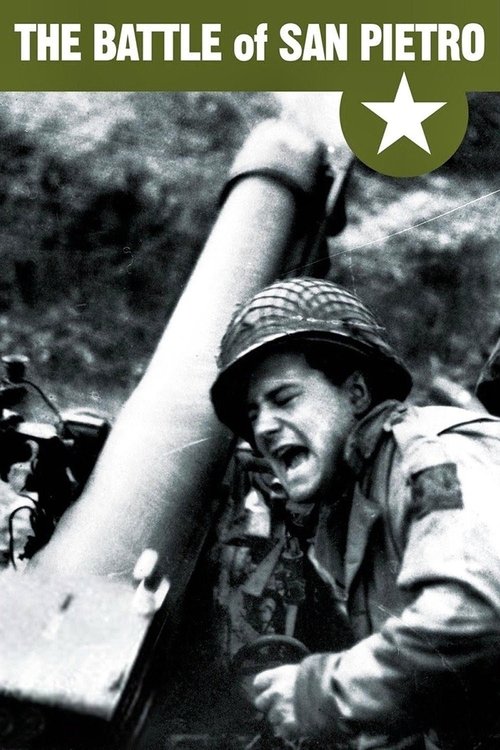
The Battle of San Pietro1945
Huston's own previous film in the same government-commissioned trilogy — a combat documentary so unflinching the Army also tried to suppress it, and the direct creative bridge to why he made Let There Be Light next.
The film Huston made just before Let There Be Light, following an infantry company through a brutal Italian battle — see where his instinct to show the true cost of combat began.
But It's a rougher, more conventional combat film with staged elements — less radical than what it led to.
People
Cast
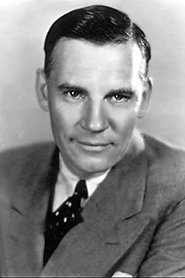 Walter HustonNarrator (voice) (uncredited)
Directing
- John HustonDirector
Writing
- Charles KaufmanWriter
- John HustonWriter