
Film
The War
Other titles called The War: the 2007 series (PBS).
A 1994 drama about a young boy navigating friendship, violence, and his father's invisible wounds in 1970s Mississippi. Kevin Costner plays a Vietnam vet struggling with PTSD while his son builds a treehouse fortress and faces local bullies. It's a quieter film about how trauma ripples through families, anchored by genuine performances and a real sense of place and period.
Should you watch it?
Watch it if you like quiet coming-of-age stories where a child's point of view makes a father's damaged silence readable, and the family's small rituals do more work than any combat scenes.
Skip it if you need the Vietnam war itself on screen, since the story stays home in a small southern town and moves at a patient, sometimes sentimental pace.
What it asks of you: Two hours and six minutes of unhurried, quiet stretches broken by sudden outbursts, where the mood gathers slowly and the drama stays grounded rather than flashy.
Not sure? Find tonight's pick in a minute.
If you liked this
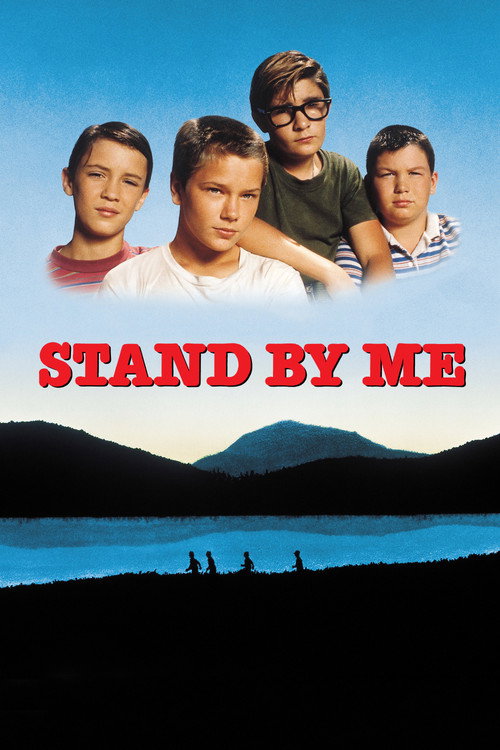
Stand by Me1986
A masterclass in capturing boyhood—the intensity of friendship, petty rivalries, and the moment innocence cracks. Like The War, it uses childhood adventures as a frame for something deeper about loss and growing up.
But If you're looking for plot momentum, this drifts. It's contemplative in a way that rewards patience but can feel slow on first watch.
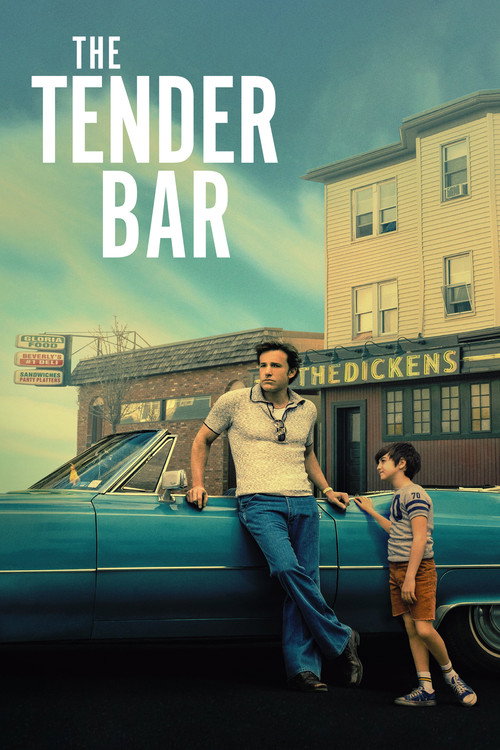
The Tender Bar2021
A son trying to understand his father through memory and longing. Beautifully shot, with a similar warmth and specificity about place, and a profound meditation on what fathers leave behind—whether absence or presence.
But It's melancholic and doesn't resolve neatly. Some find it too gentle, more like a memory than a story with stakes.
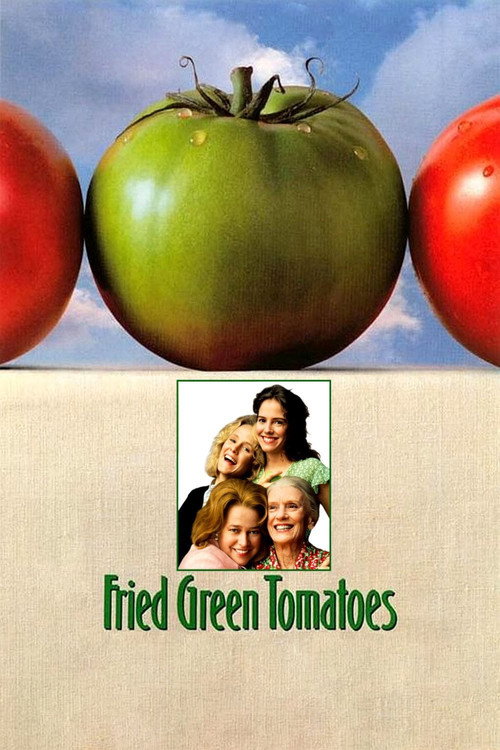
Fried Green Tomatoes1991
Another film about the American South with real depth, exploring friendship and quiet rebellion. It has The War's warmth and its willingness to sit with character over plot, with Kerry Winningham in it too.
But The framing device with the nursing home feels dated now. And if you're not moved by stories about the bonds between people, the core won't grip you.
Not sure tonight? Get a pick in a minute, starting from The War
The wildcard
Something you would not have found on your own.
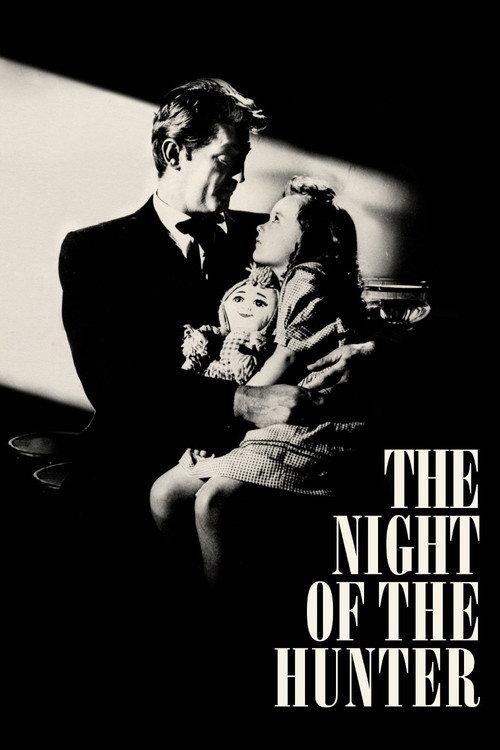
The Night of the Hunter1955
Both use the American South and childhood vulnerability to explore how evil and damage manifest in families and communities, but one does it through dream-logic.
A masterpiece about children in danger from a corrupt adult authority figure, with the South as a character itself. But where The War is intimate and tender, this is expressionistic and Gothic—a nightmare version of the same landscape. Both films see childhood clearly without sentimentalizing it.
But It's in black and white and visually very stylized, almost like a fever dream. If you want naturalism, this abandons it entirely for mood and symbol.
More like this (8)
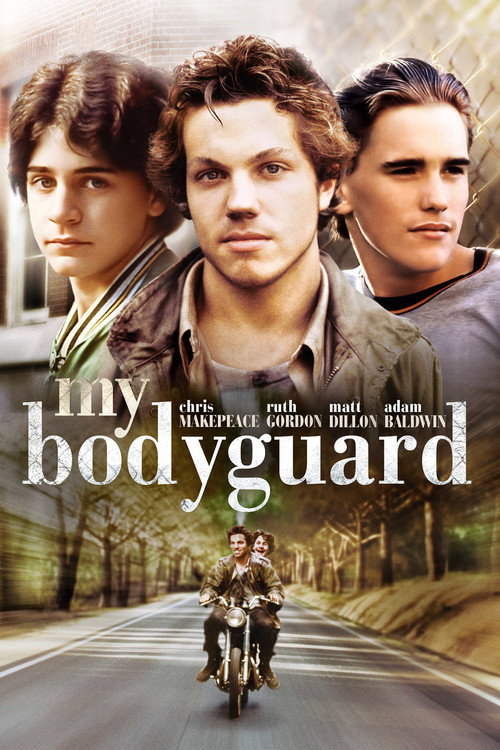
My Bodyguard1980
A boy navigates school bullies and finds an unlikely friend. It has the same curious, specific tone—funny and sad at once—and that 70s/80s texture that makes The War feel like watching someone else's real childhood.
But It's slim on plot and won't give you action or resolution in the way modern films train you to expect. The pacing is its own thing.
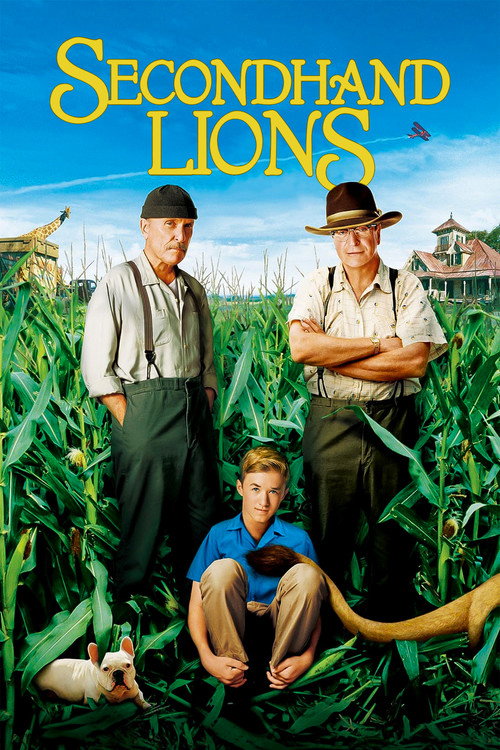
Secondhand Lions2003
A boy summers with two eccentric uncles and learns what it means to choose your own story. Shares The War's affection for the South, for makeshift family, and for the idea that love is a kind of bravery.
But It veers toward whimsy. If you want grit over sentiment, this will feel too fairy-tale despite its heart.
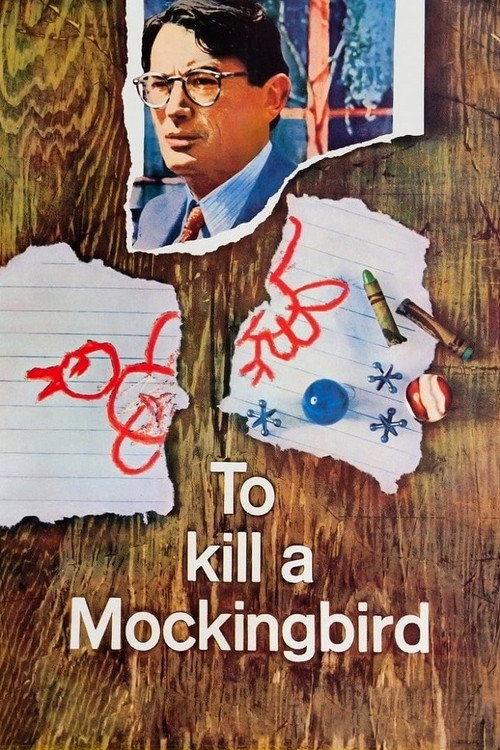
To Kill a Mockingbird1962
The gold standard for childhood perspectives on adult moral failure. Scout's Southern voice and her father's quiet heroism echo through The War. Both are about seeing through a child's eyes what adults are struggling with.
But The pacing is deliberate to the point of glacial for modern viewers. It's also iconic in a way that can feel like homework.
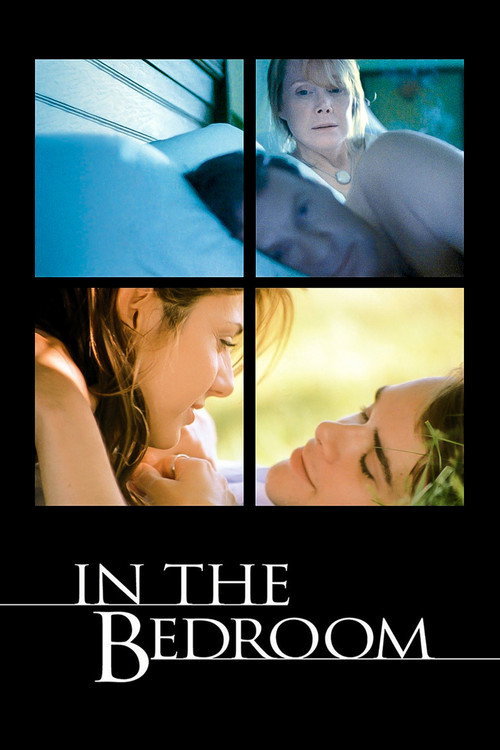
In the Bedroom2001
A Maine family fractured by grief and the desire for revenge. It shares The War's interest in how pain deforms love, and in the specificity of place. Costner does similar work here with raw vulnerability.
But It's extremely dark and contains violence that's not cathartic. Not a film to watch when you need comfort.
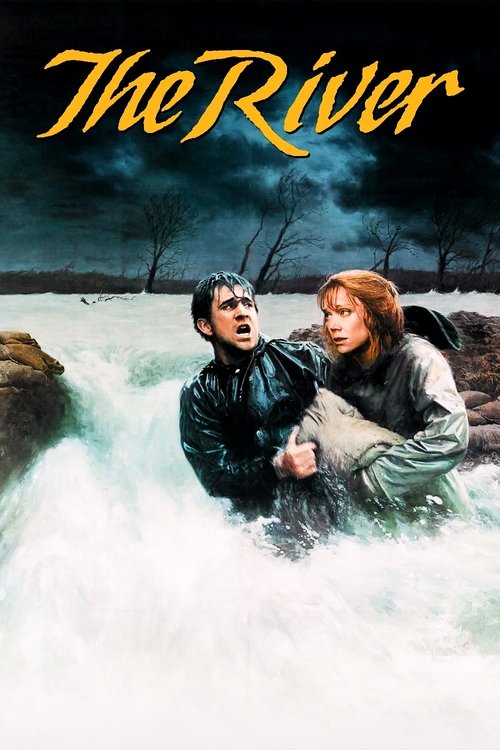
The River1984
A family fighting to save their farm from flood and foreclosure. It has Costner and that same focus on what fathers owe their sons, and rural American struggle rendered with dignity and specificity.
But It's melodramatic in places and the romance subplot feels obligatory. The stakes, while real, are also somewhat conventional.
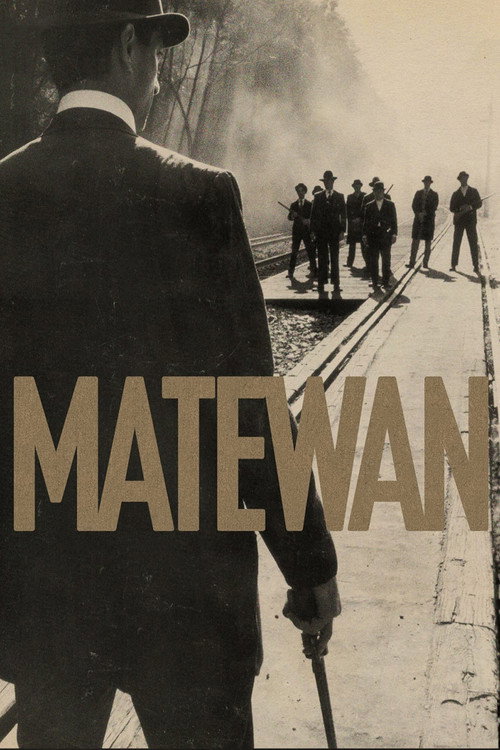
Matewan1987
A union organizer comes to a West Virginia mining town. It's a historical drama with the same eye for working-class dignity and community that animates The War, and a similar refusal to simplify its moral landscape.
But It's a period piece with a political agenda, which can feel didactic. The pacing is slow and the violence, when it comes, is jarring.
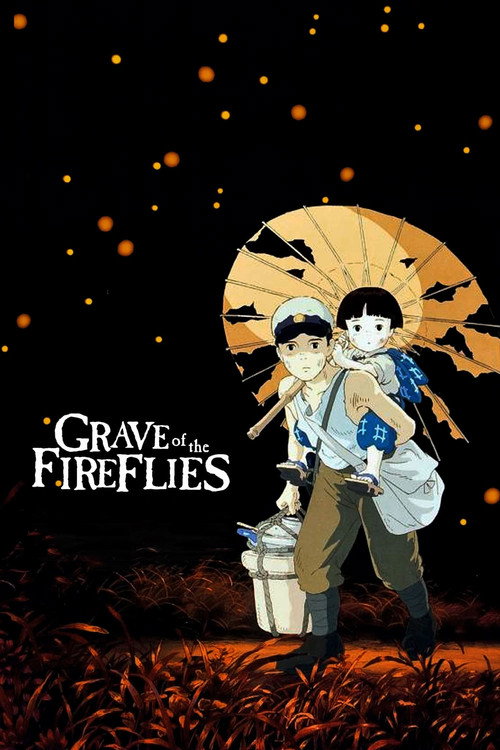
Grave of the Fireflies1988
Both center a child's perspective on adult trauma and war, but this one never looks away from the cost. The animation makes the devastation even more piercing because of the tenderness of the form.
An animated film about two children orphaned by war, surviving in post-WWII Japan. Like The War, it's about how conflict destroys families and how children are left to navigate the wreckage. It's devastating and beautiful, and animated, which somehow lets it say harder truths.
But It's relentlessly sad. There's no catharsis or uplift. If you watch it, you'll need to sit with grief afterward—it doesn't release you quickly.
Bicycle Thieves1948
Both are quietly radical portraits of fathers and sons navigating systems larger than they are, told with documentary precision and genuine love for their characters.
An Italian neorealist film about a father and son searching Rome for a stolen bicycle—their livelihood. It's from a different era and country, but it has The War's deep investment in how ordinary life and economic desperation shape family bonds. Watching it is like watching someone's real memory.
But It's in Italian with subtitles and has almost no plot. The emotional devastation comes from its refusal to give easy answers. Some will find it too austere.

People
Cast
 Elijah WoodStu Simmons
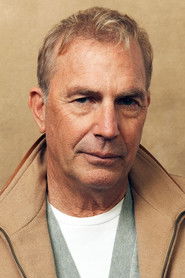 Kevin CostnerStephen Simmons
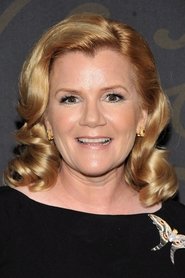 Mare WinninghamLois Simmons
 Lexi RandallLidia Joanne Simmons
- LaToya ChisholmElvadine
- Christopher FennellBilly Lipnicki
- Donald SellersArliss Lipnicki
- Leon SillsLeo Lipnicki
- Will WestLester Lucket
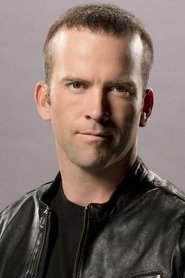 Lucas BlackEbb
- Jennifer TylerUla Lipnicki
- Charlette JuliusAmber
Directing
- Jon AvnetDirector
- Deborah LoveFirst Assistant Director
- Gail HunterScript Supervisor
Writing
- Kathy McWorterWriter
Production
- Deborah LoveAssociate Producer
- David RubinCasting Director
- Debra ZaneCasting Director
- Kathy McWorterCo-Executive Producer
- Lisa LindstromCo-Producer
- Martin HubertyCo-Producer
- Eric EisnerExecutive Producer
- Todd R. BakerExecutive Producer
- Maida N. MorganLocation Manager
- Jon AvnetProducer
- Jordan KernerProducer
- Alma KuttruffUnit Production Manager