
Film
The Cold Blue
- War action
- Slow-burning
A seventy-minute meditation on courage and mortality, built from William Wyler's 1943 footage of B-17 bomber crews. Erik Poppe rescues and reframes archival material, letting elderly veterans narrate their younger selves in combat. It's elegiac and intimate—a conversation between past and present, between the men who lived it and those who witness it now.
Should you watch it?
Watch it if you want the texture of wartime aviation told through real film and the memories of men who flew it, and you're happy to sit with reflection more than action.
Skip it if you're looking for a dramatised story with characters and a plot arc, since this is archive footage and reflective narration rather than a narrative built around individuals.
What it asks of you: A brief, unhurried 74 minutes that lets the old footage sit on screen while the pilots' voices do the work, asking you to listen closely rather than be carried along.
Not sure? Find tonight's pick in a minute.
If you liked this
The Memphis Belle1944
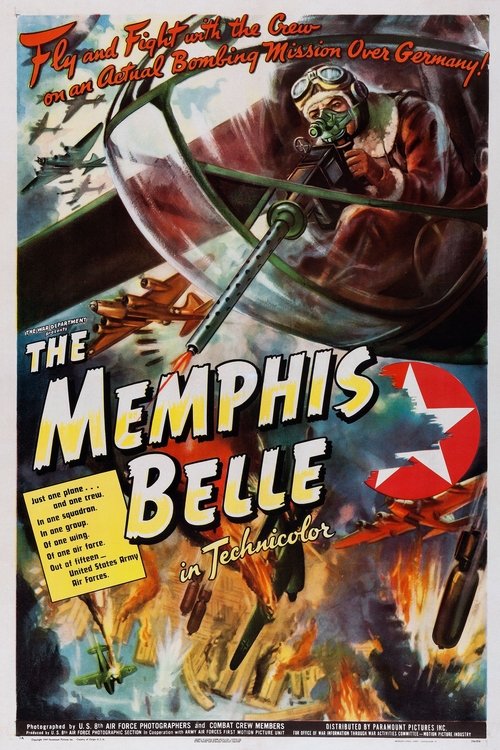
Wyler's original documentary is the source material itself: raw, tense footage of actual bombing runs over Germany, with the famous B-17 and its crew in unvarnished danger. Essential context.
But Black and white, no interviews, no modern framing—pure 1944 cinema. The pacing is deliberate, almost restful compared to modern documentaries.
The War2007
Ken Burns' seven-part series lets American WWII veterans tell their own stories in long, unhurried interviews. The emotional power comes from listening to ordinary people reckon with extraordinary things they survived.
But It's over 15 hours total. Even one episode demands patience and the willingness to sit with difficult memory and grief.
Night and Fog1956
Alain Resnais' 32-minute essay uses archival footage and contemporary visits to concentration camps to ask how atrocity persists in memory. It shares The Cold Blue's belief that old footage can hold moral weight.
But It's unbearably heavy. Resnais doesn't look away, and neither can you. Not a comfort film.
Not sure tonight? Get a pick in a minute, starting from The Cold Blue
The wildcard
Something you would not have found on your own.
The Fog of War2003
Both use archival material, aging voices, and the structure of reflection to ask what we owe to our younger selves and their choices. Both are elegies masquerading as history.
Errol Morris' film of Robert McNamara reflects on decisions made in war and the distance between intention and consequence. Like The Cold Blue, it finds profound meaning in aging men looking back at younger choices.
But McNamara is a controversial figure. Some viewers resent what they perceive as Morris giving him a platform for justification or redemption.

More like this (7)
Dunkirk2017
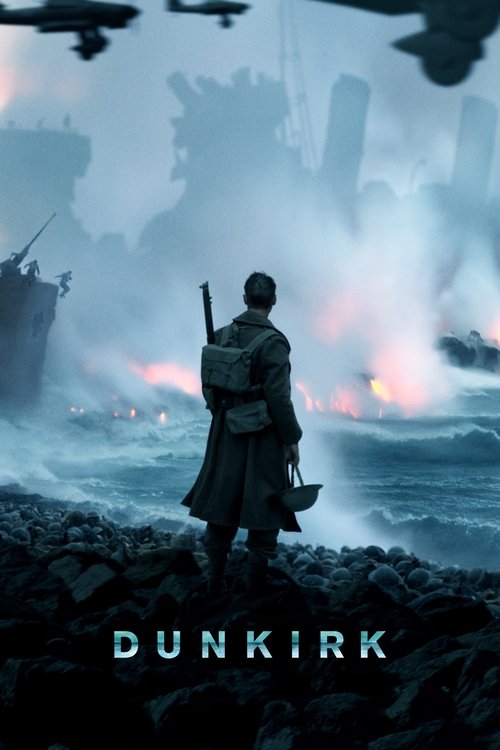
Nolan's film captures the texture of aerial combat and the specific terror of being trapped in a machine that can explode. The sound design alone conveys the chaos Wyler's crews endured.
But It's more spectacle than reflection. There's no time for the kind of quiet reckoning The Cold Blue specializes in.
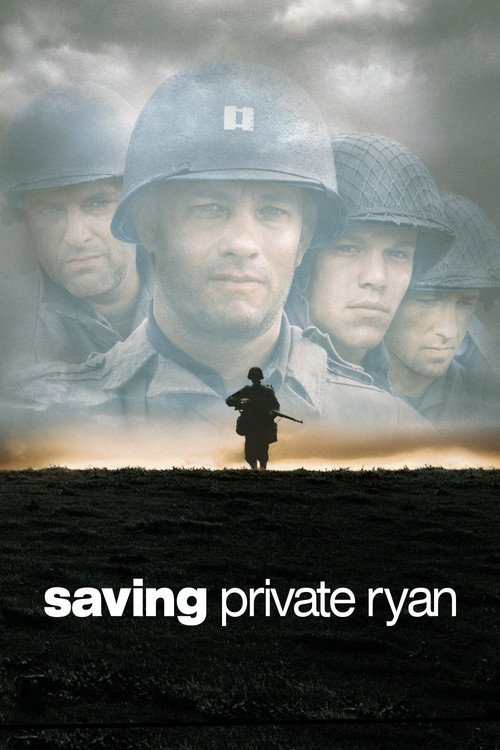
Saving Private Ryan1998
The opening thirty minutes remain the most visceral depiction of amphibious warfare on film. It respects the chaos and randomness of combat that documentaries like The Cold Blue confirm.
But After that opening, it becomes a more conventional war story. The later half trades realism for narrative shape, which some find manipulative.
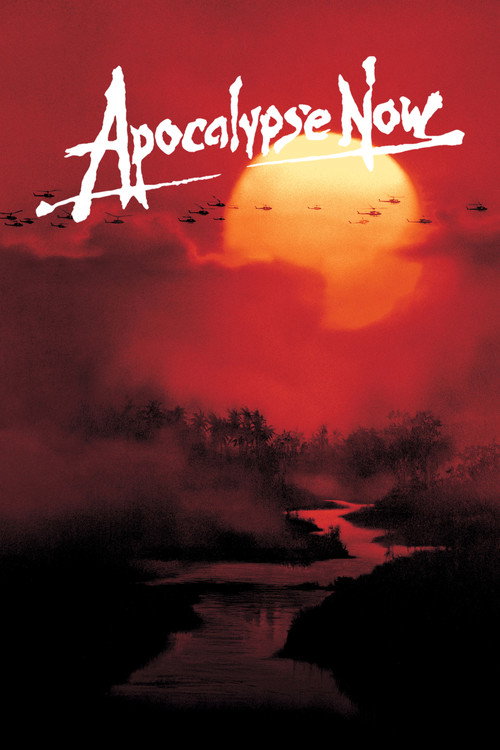
Apocalypse Now1979
Coppola's Vietnam film uses sound, archival footage, and disorientation to ask what war does to the men inside it. The philosophical ambition resembles what Poppe attempts with his reframing.
But It's a three-hour fever dream. Apocalypse Now is more interested in atmosphere than clarity, which can feel indulgent rather than enlightening.
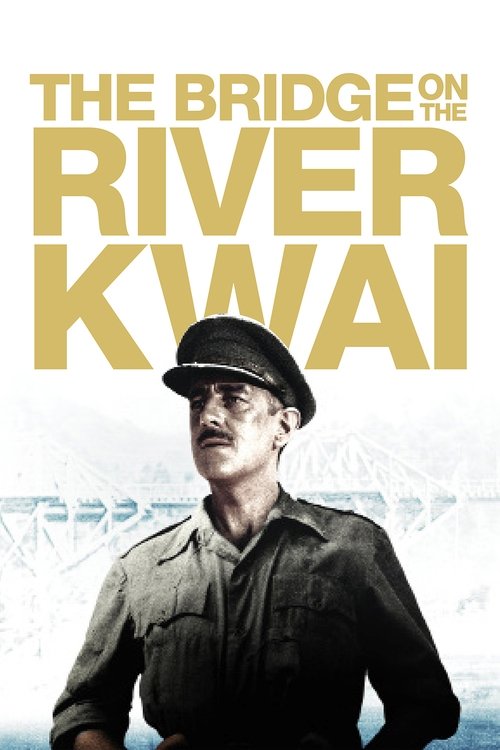
The Bridge on the River Kwai1957
A masterpiece of war cinema that explores obsession, duty, and the moral cost of survival. David Lean's command of scale and character mirrors the gravity Wyler brought to B-17 footage.
But It's a narrative drama, not a documentary. Some find the moral complexity frustrating rather than enriching.
Come and See1985
Elem Klimov's Soviet film is among cinema's most unflinching portrayals of war's effect on consciousness. It shares The Cold Blue's belief that bearing witness to survival means sitting with pain.
But It is punishing. This is not entertainment in any conventional sense; it's an ordeal designed to change how you think about violence.

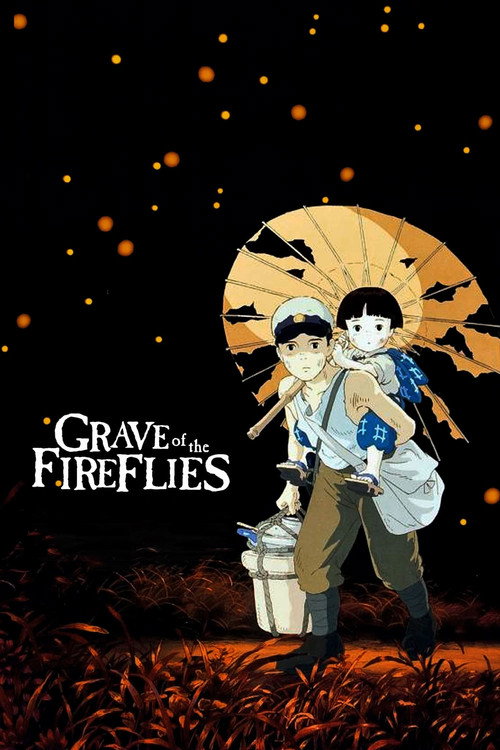
Grave of the Fireflies1988
Both films insist that you feel the weight of what you're seeing. Neither allows distance or comfort. The Cold Blue shows bomber crews; this shows what they dropped on.
Isao Takahata's animated film follows two children surviving the firebombing of Japan. It's animated, which lets you see civilian experience at the scale Wyler's bomber crews caused. Devastating and necessary.
But Animation of children suffering can feel like exploitation. The film refuses sentimentality, which some find punishing in a different register than documentary.
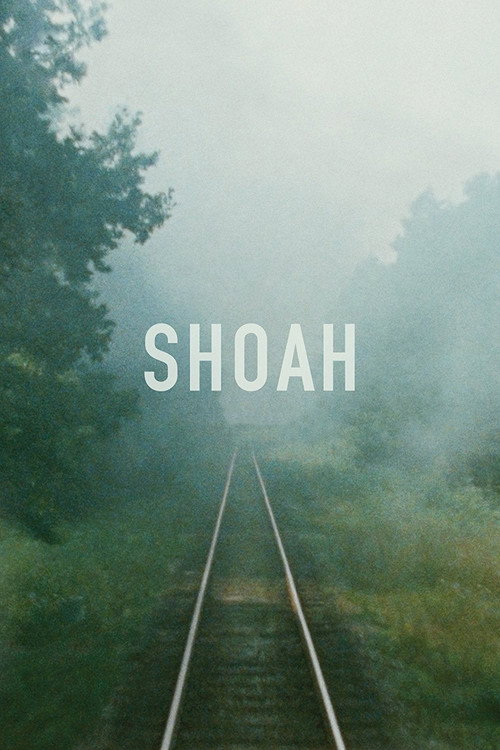
Shoah1985
Like The Cold Blue, Shoah argues that age and distance can grant clarity to trauma. Both films trust the voices of those who lived it more than any narration or editing could manage.
Claude Lanzmann's nine-hour oral history lets Holocaust survivors and perpetrators speak. It refuses archival footage entirely—instead, it trusts testimony, repetition, and the act of bearing witness to carry historical truth.
But Nine hours. No images. Lanzmann asks you to sit with voices and landscape and the weight of memory. Many find it austere to the point of difficulty.
People
Cast
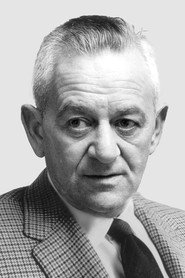 William WylerHimself (archive footage)
Directing
- Erik NelsonDirector