
Television series
The Vietnam War
Ken Burns and Lynn Novick's ten-part, eighteen-hour reckoning refuses any shorthand version of Vietnam. Nearly a hundred voices — American soldiers, protesters, and Vietnamese combatants and civilians on both sides — build a chorus rather than deliver a lecture. It's patient, exhausting, deliberately uncomfortable, and it never lets you settle comfortably into one side of the story.
If you liked this
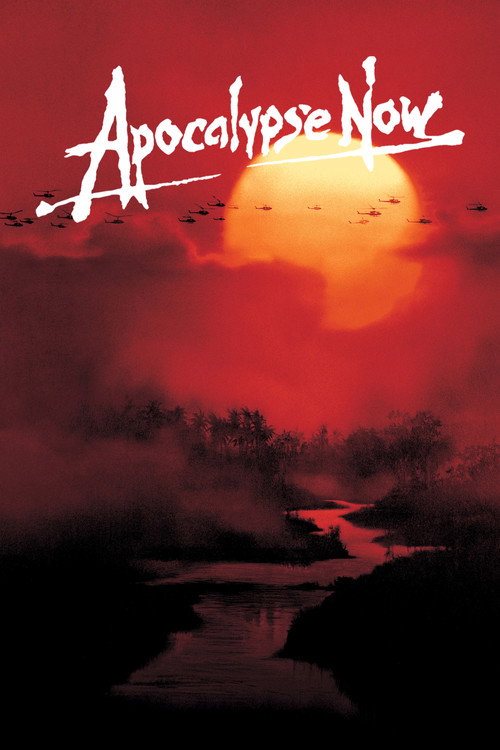
Apocalypse Now1979
Coppola's fever-dream descent into the war's moral chaos gives you the psychological truth the documentary can only gesture at — surreal, operatic, and still the most vivid Vietnam film ever made.
But It's more about madness and empire than any specific battle or policy — don't expect history, expect hallucination.
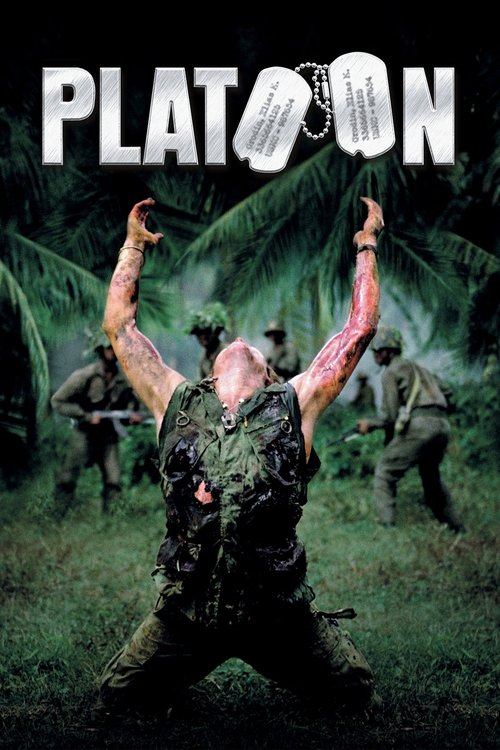
Platoon1986
Oliver Stone fought in Vietnam, and it shows — the mud, the paranoia, the moral rot within the platoon itself feel lived rather than staged, a ground-level companion to the documentary's testimony.
But Its good-sergeant-versus-bad-sergeant framing is a little schematic next to the documentary's messier truths.
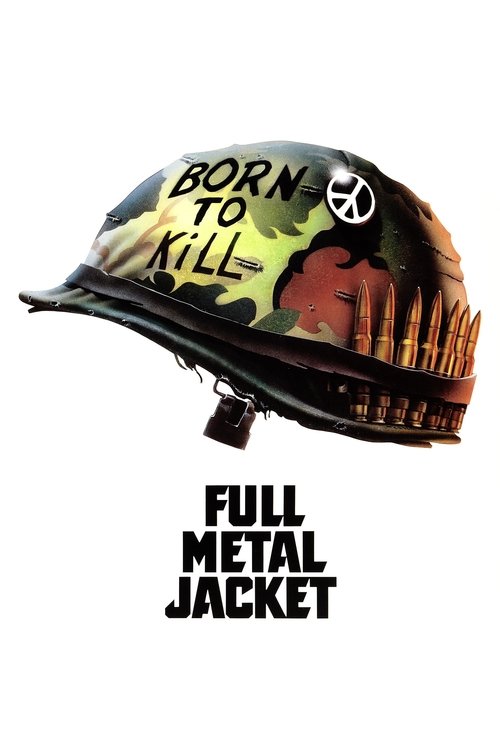
Full Metal Jacket1987
Kubrick splits the film in two — the dehumanizing machine of boot camp, then the surreal horror of Hue — and nails the war's absurdity better than almost anything else on film.
But The famous first half is so good it can make the second feel like a different, lesser movie.
The wildcard
Something you would not have found on your own.
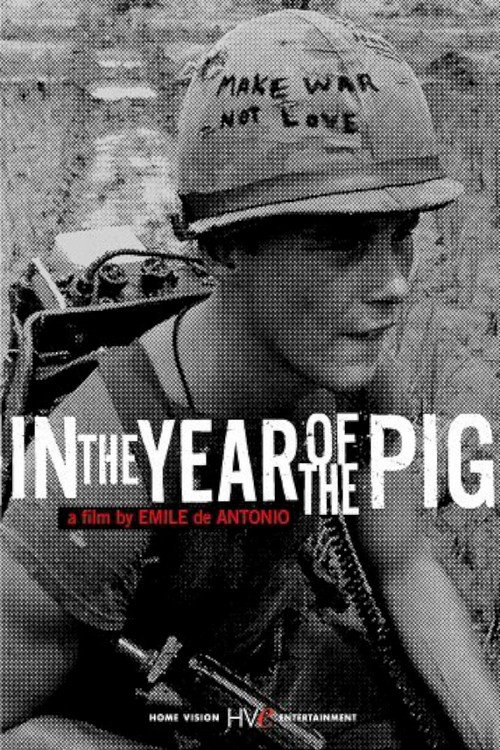
In the Year of the Pig1969
Burns' film has fifty years of hindsight to build its balance; this one has none — the same war seen through the fog rather than after it's lifted, a useful corrective to any illusion that history clarifies with time.
Emile de Antonio's Oscar-nominated documentary was cut together while the war was still escalating, with no comforting distance of hindsight — just raw newsreel, contradiction, and fury assembled into an argument.
But Its editing is deliberately disorienting and its politics are unambiguous — this is agitprop, not the measured multi-sidedness of Burns' approach.
More like this (8)
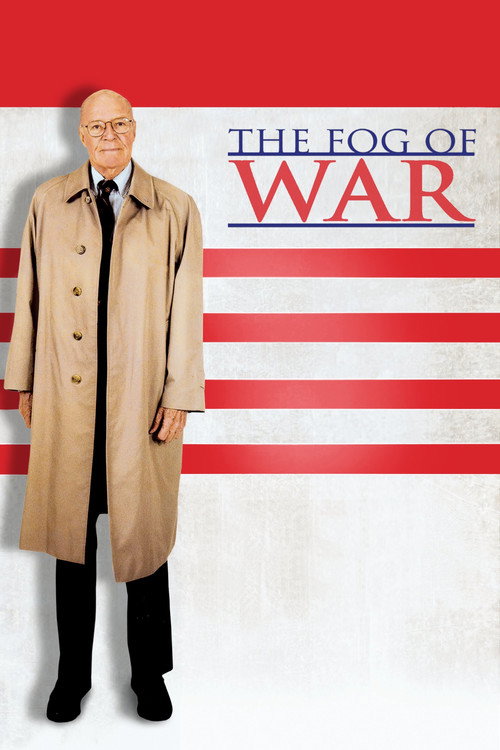
The Fog of War2003
Errol Morris interviews Robert McNamara alone, and the architect of the war's escalation talks himself into and out of responsibility in real time — riveting and uncomfortable.
But One old man talking for ninety minutes is a big ask if you want combat footage or a wider view.
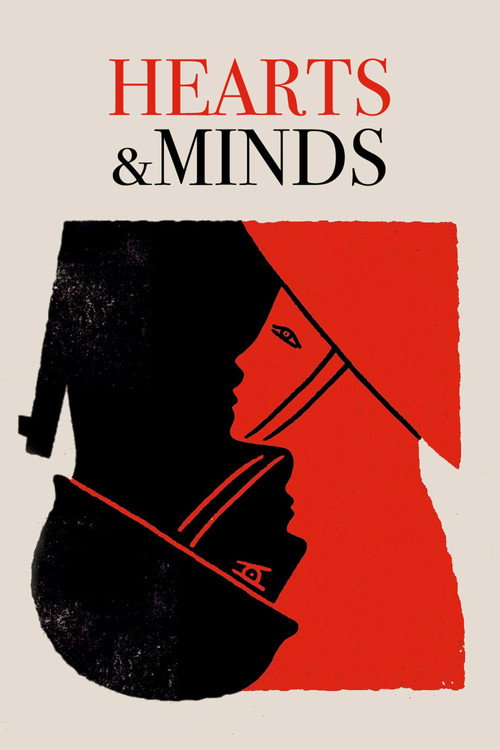
Hearts and Minds1974
Made while the war was still happening, this Oscar-winning documentary is angrier and more directly political than Burns' even-handedness — a raw snapshot of American self-delusion in real time.
But It has an axe to grind and doesn't hide it — don't expect the multiple-perspectives approach of the newer film.
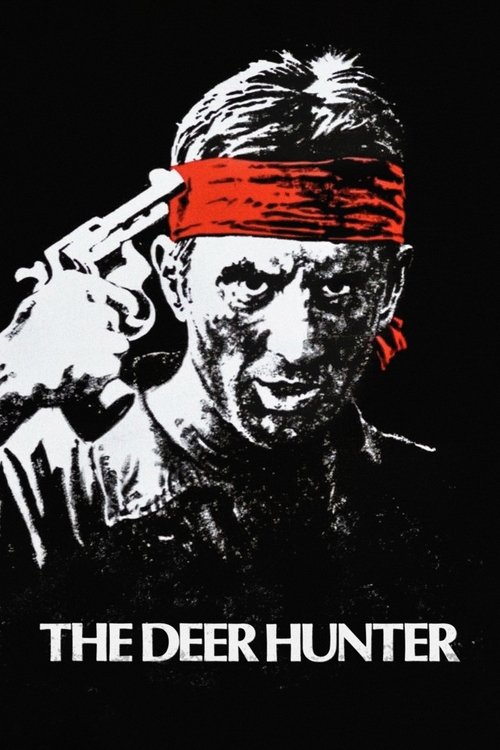
The Deer Hunter1978
Michael Cimino spends an hour in a Pennsylvania steel town before anyone gets near Vietnam, and that patience is the point — this is about what the war did to the people who came home.
But It's a long, slow burn with one deeply disturbing extended sequence that some viewers can't unsee.
The War2007no page yet
Same director, same choral structure, different war — if you want more of Burns and Novick's method applied to WWII's American home front and battlefields, this is the natural companion piece.
But At fifteen hours it's an even bigger commitment, and some of its rhythms will feel very familiar if you've just finished Vietnam.
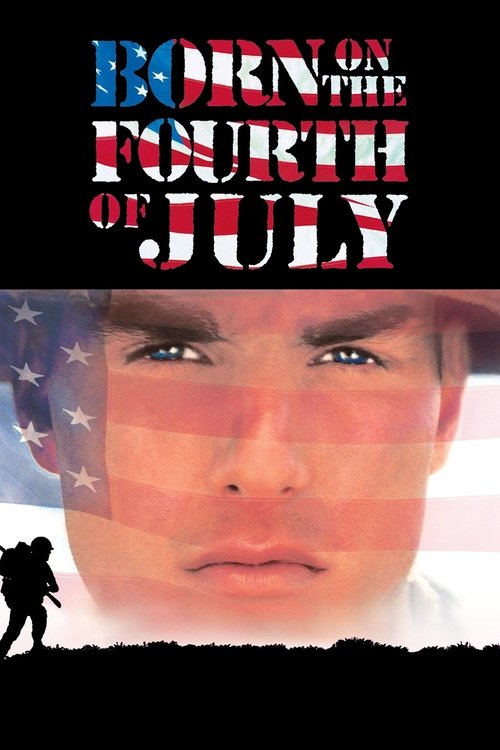
Born on the Fourth of July1989
Tom Cruise as a wounded veteran turned anti-war activist walks the exact arc the documentary traces in its later episodes — belief, betrayal, and the long road to speaking out.
But Stone's earnestness tips into melodrama at points where the documentary trusts its witnesses to make the point quietly.
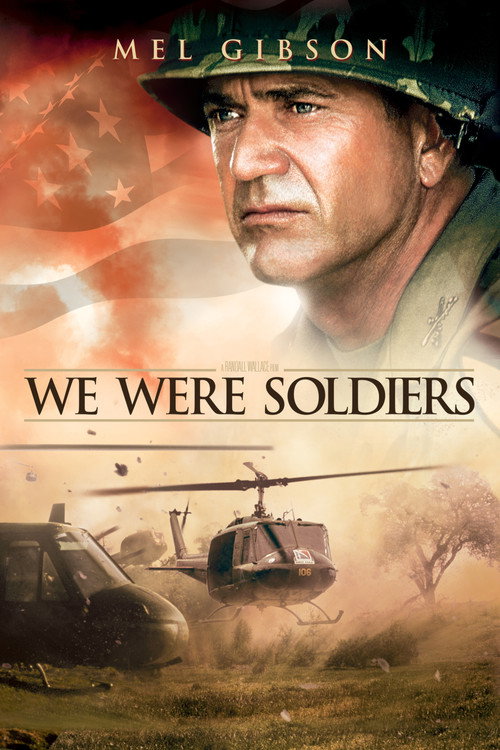
We Were Soldiers2002
A conventional, respectful account of the Battle of Ia Drang — the war's first major engagement — that gives faces and names to the kind of combat the documentary describes in aggregate.
But It's far more traditional and flag-waving than anything in Burns' film, with little interest in complicating the American perspective.
The Sympathizer2024no page yet
The documentary works hard to give Vietnamese voices equal weight to American ones; this fiction pushes that further, making a Vietnamese perspective not just present but the entire lens, in a darkly comic register nothing in the documentary would risk.
A Vietnamese double agent narrates his own story from inside both the fall of Saigon and the Hollywood machine that turned it into entertainment — satirical, surreal, and told entirely from a side the American canon usually flattens.
But Its tonal swings between farce and horror are jarring by design, and the Hollywood-satire episodes can feel like a detour from the war itself.
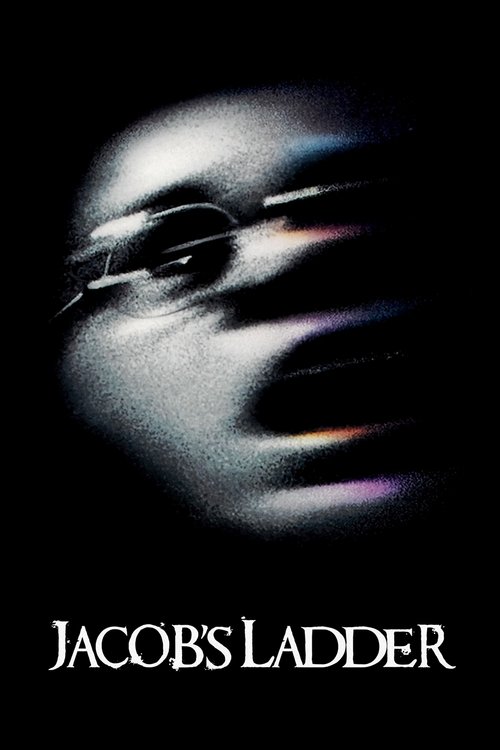
Jacob's Ladder1990
The documentary's late episodes dwell on veterans who came home carrying the war inside them; this takes that idea and stages it literally, using horror's tools to dramatize a psychic wound rather than explain it.
A Vietnam veteran's fractured, hallucinatory New York life folds his combat trauma into full-blown psychological horror — less about the war's events than about what a war doesn't let go of.
But It's a genre horror film first, with jump-scare grammar and a twist structure that has nothing to do with historical accuracy.
People
Cast
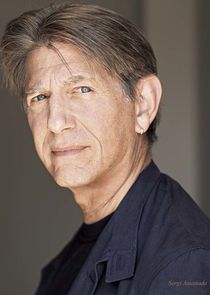 Peter CoyoteNarrator
Production
- David P. SchmidtAssociate Producer
- Lucas B. FrankAssociate Producer
- Mariah A. DoranAssociate Producer
- Ho Dang HoaCo-Producer
- Mike WeltCo-Producer
- Salimah El-AminCo-Producer
- Benjamin WilkinsonConsulting Producer
- Peter MillerConsulting Producer
- Ken BurnsProducer
- Lynn NovickProducer
- Sarah BotsteinProducer
- Yee Ming SiuProducer
Recommended by
M*A*S*H, The Wonder Years, The Fog of War, The Quiet American, They Shall Not Grow Old, Apocalypse Now, Platoon, Good Morning, Vietnam, China Beach, The Deer Hunter, We Were Soldiers, Hearts and Minds, In the Year of the Pig, The World at War, The Roosevelts: An Intimate History