
Film
Dear America: Letters Home from Vietnam
- Very dark
- Slow-burning
A documentary of extraordinary intimacy: real letters from American soldiers in Vietnam, read aloud by actors, set against archive footage. It's a war film that works through whisper rather than thunder—young men's voices telling home what they couldn't say in person, some of them not coming home. Devastatingly human.
Should you watch it?
Watch it if you want the war told through ordinary voices in private letters, the homesickness and small jokes mixed with confusion, rather than through generals and battle sequences.
Skip it if the format offers little argument or analysis, so if you want a film to explain the war, these letters will leave you short on context.
What it asks of you: Runs a brisk 84 minutes, mostly spoken letters laid over archive footage, so it is quiet and unhurried, rewarding steady attention more than close plot-tracking.
Not sure? Find tonight's pick in a minute.
If you liked this
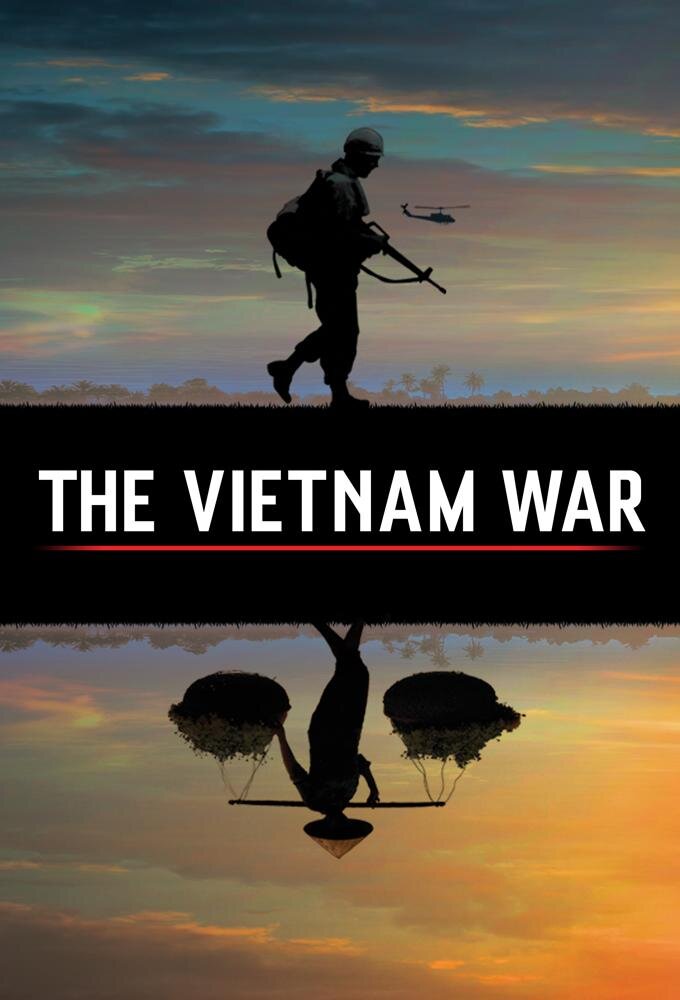
The Vietnam War2017
Ken Burns' ten-part series does what documentaries do best: lets testimony and image speak, avoids easy answers, treats every soldier and civilian with equal moral weight. Patient, rigorous, deeply moving.
But Ten hours is a commitment. The pace is deliberate; if you need momentum and narrative drive, it can feel slow.
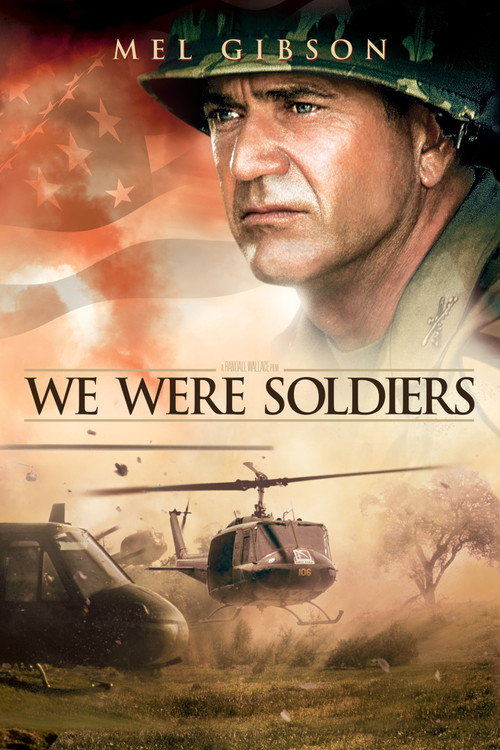
We Were Soldiers2002
Mel Gibson and the actors around him move through one of the war's first major battles. It's a combat film that respects both sides and doesn't pretend war is anything but terrible, even when soldiers are doing their duty well.
But It's also a conventional war movie—action sequences, heroic arcs—so it lacks the raw vulnerability that makes *Dear America* so piercing.
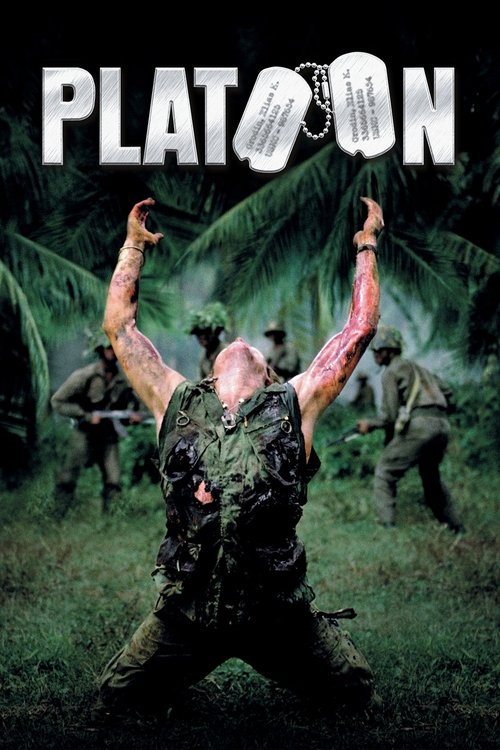
Platoon1986
Oliver Stone's autobiographical film captures the moral confusion, the fear, the way young men discover who they are under impossible pressure. It feels lived-in and honest, not mythologized.
But The plot is deliberately shapeless; some find that authentic, others find it frustrating. It's also grueling to watch.
Not sure tonight? Get a pick in a minute, starting from Dear America: Letters Home from Vietnam
The wildcard
Something you would not have found on your own.
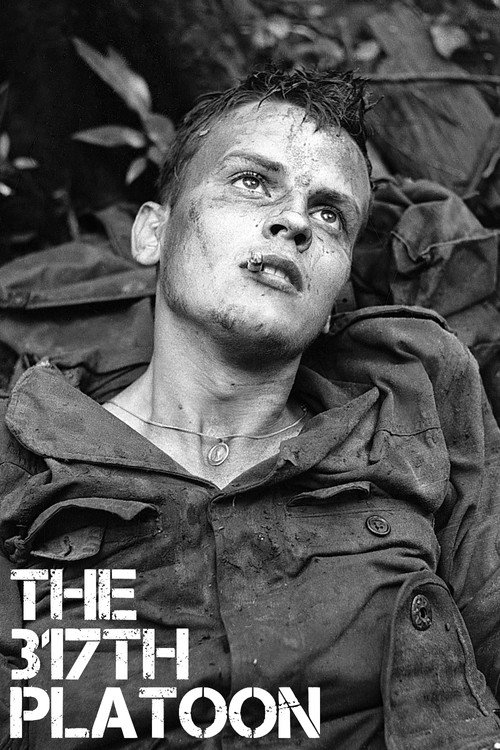
The 317th Platoon1965
Both films are made *after* their wars, asking what soldiers carried and what they needed to say afterward. Same geography, similar anguish, different national shame.
A French film about a colonial unit in Indochina during France's war—the precursor to America's Vietnam. It's a combat film that watches soldiers endure, suffer, and break. Austere and devastating.
But French cinema of this era; subtitled, black-and-white, structurally experimental. The narrative is deliberately fragmented.
More like this (6)
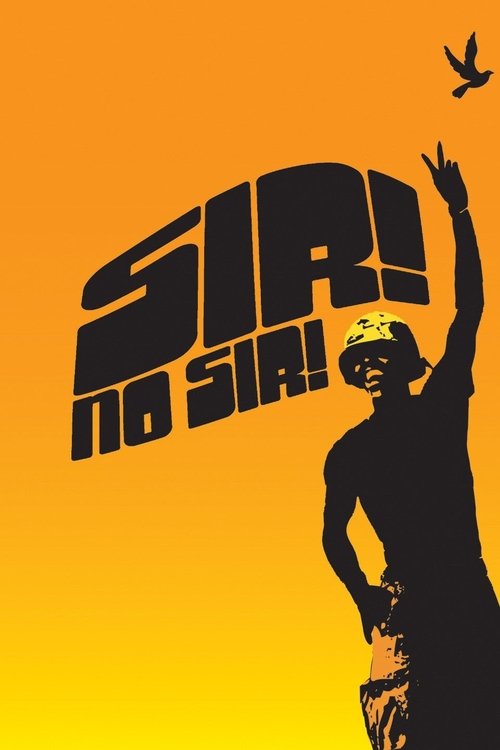
Sir! No Sir!2005
A documentary about GI resistance—soldiers who refused orders, went AWOL, organized against the war from inside the military. It's the other side of the story *Dear America* hints at but doesn't center.
But Less polished than bigger documentaries; the filmmaking is straightforward and sometimes rough. Some subjects are harder to hear than others.
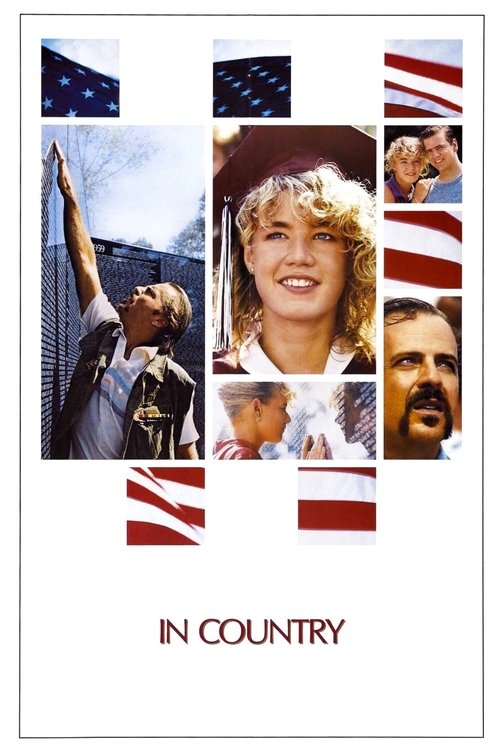
In Country1989
Bruce Willis as a Vietnam vet trying to connect with his niece, who wants to understand the war he won't talk about. It's about aftermath—how soldiers carry what happened, what they owe the living.
But It's a quieter, smaller film than you might expect from a mainstream drama. Some threads don't resolve neatly.
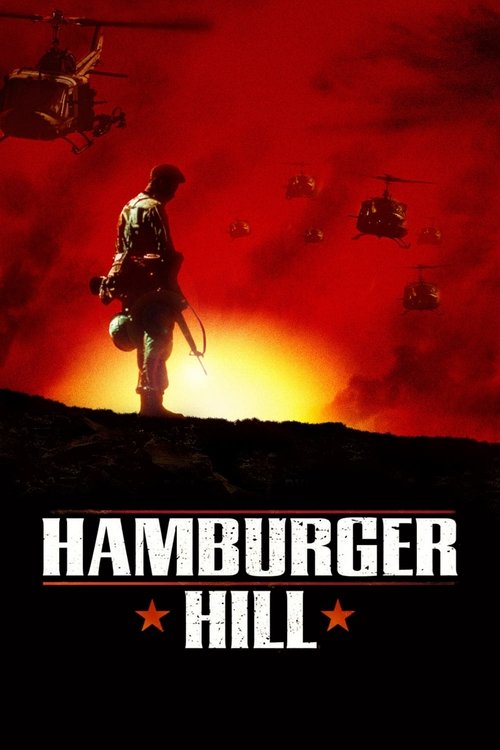
Hamburger Hill1987
A combat film about one brutal siege, built around an ensemble of soldiers rather than a single hero. It's visceral and unflinching about what soldiers did and what was done to them.
But The characterization is thin by design; you're meant to feel the grinding sameness of combat, not get invested in individuals.
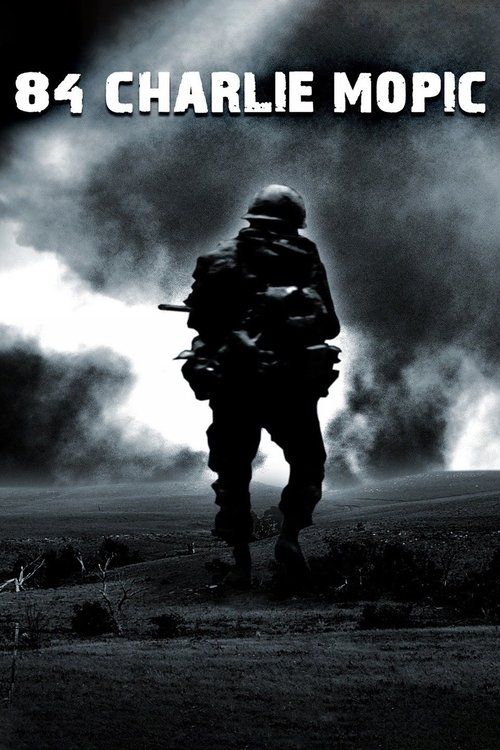
84 Charlie Mopic1989
A small, strange film about a Long Range Reconnaissance Patrol—seven men behind enemy lines for six days. It's tense, specific, built on real military detail and the bonds between soldiers under stress.
But It's low-budget and obscure. The pacing is slow; nothing grand happens, just the wear of survival.
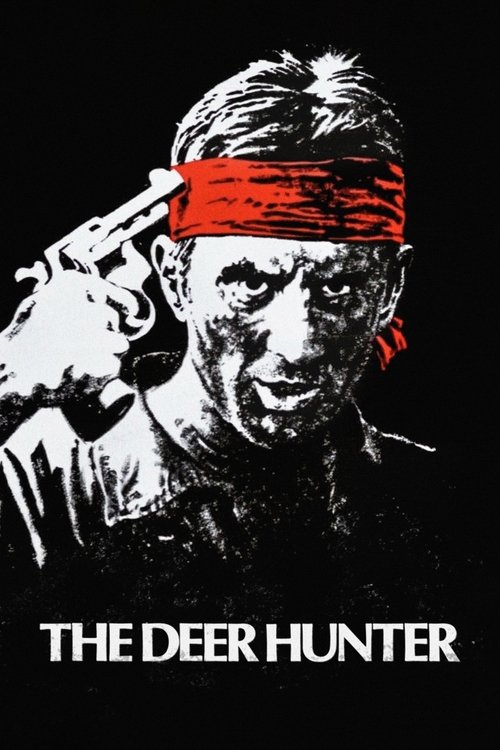
The Deer Hunter1978
Three friends from a steel town go to Vietnam and return damaged. It's operatic and devastating about how war doesn't end when soldiers come home, and how communities fracture.
But It's long, slow-moving, and the famous Russian roulette scenes are genuinely hard to watch. Some find the political framing dated.
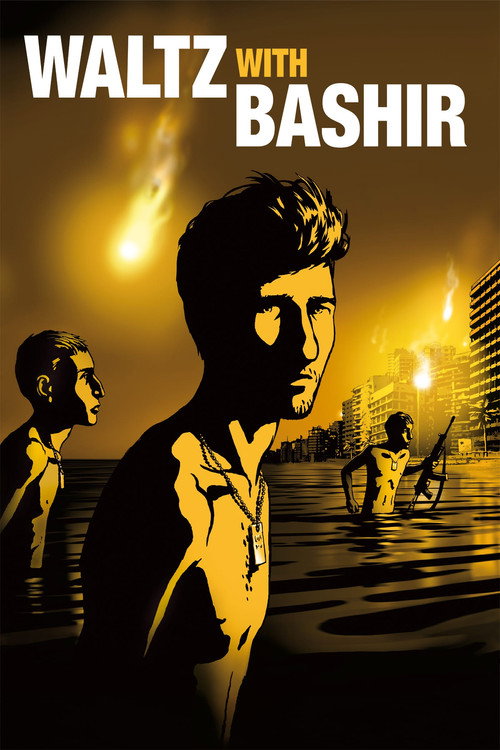
Waltz with Bashir2008
Both use artistic mediation—voice actors reading letters, animation—to create space for difficult memory. Both are about soldiers trying to speak what combat silenced in them.
An animated documentary about an Israeli filmmaker's repressed memories of war. It's formally stunning—rotoscoped, dreamlike—but it's asking the same question as *Dear America*: what do soldiers remember, what do they need to forget, what does remembering cost?
But Animation of war might feel like deflection to some. It's also about a different war, a different nation's choices. Some find the aesthetic distance troubling.
People
Cast
 Ellen BurstynMrs. Stocks (voice)
 Tom Berenger(voice)
 J. Kenneth Campbell(voice)
 Richard Chaves(voice)
 Josh Cruze(voice)
 Willem DafoeElephant Grass (voice)
 Robert De NiroGreat Sewer (voice)
 Brian Dennehy(voice)
 Kevin DillonJack (voice)
 Matt DillonMike (voice)
 Robert Downey Jr.(voice)
 Michael J. FoxRaymond Griffiths (voice)
Directing
- Bill CouturiéDirector
Writing
- Richard DewhurstWriter