
Film
The 317th Platoon
A 1965 French film about a doomed military retreat through Laotian jungle in 1954, as eight French soldiers and forty-one Laotian combatants race toward certain defeat. Shot with documentary immediacy, it's a lean, unglamorous portrait of exhaustion, duty, and the human cost of imperial collapse. For anyone who wants war cinema that refuses mythology.
Should you watch it?
Watch it if you love war films that care more about a small group's slow, muddy trek and the quiet friction between men than about battle set pieces, the kind of story where the jungle itself feels like an antagonist.
Skip it if you need brisk plotting or regular action beats, since much of the running time is spent walking, waiting and arguing through rain and undergrowth.
What it asks of you: Patience, mostly: a lean hundred minutes that moves at the pace of marching men, with long stretches of silence and weather, and little consolation along the way.
Not sure? Find tonight's pick in a minute.
If you liked this
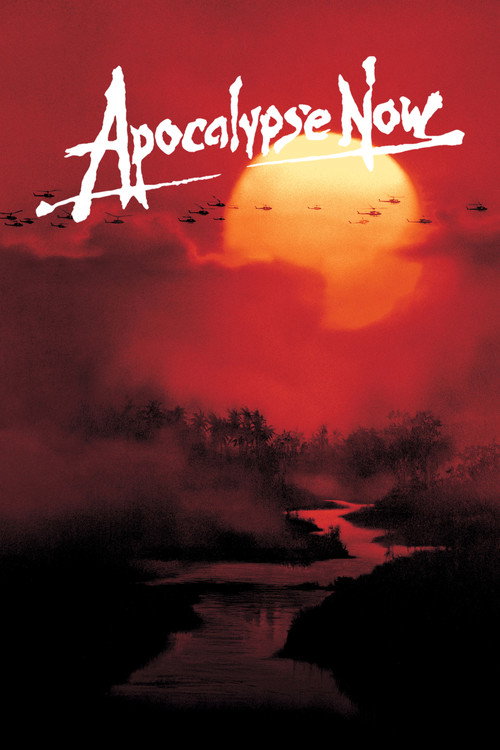
Apocalypse Now1979
Both films use jungle landscape as a character itself—suffocating, indifferent, transformative. Coppola learned from *The 317th Platoon* how to make terrain into dread. A masterwork of cinema that earns its ambition.
But Nearly three hours. Famously chaotic production. It's operatic where *317th* is austere, which can feel self-indulgent if you're not in the mood.
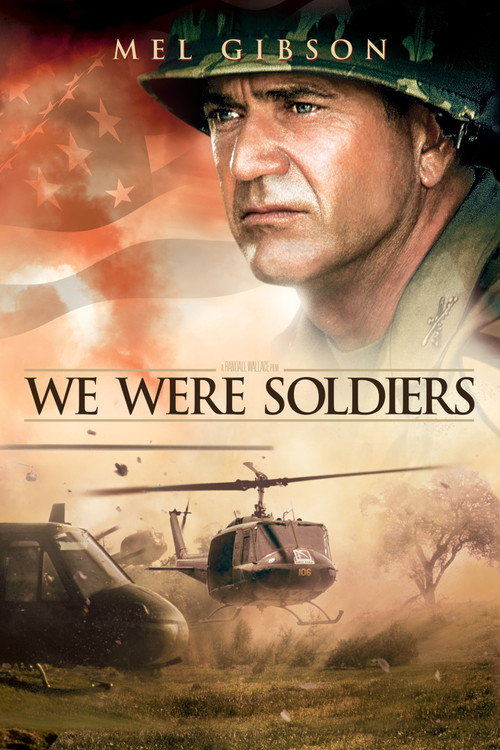
We Were Soldiers2002
Another film about soldiers moving through hostile jungle, trying to complete a mission everyone knows is already lost. Mel Gibson and this film find the dignity in that impossible task without sentimentality.
But Uneven pacing in the middle act. Some battle sequences slip into action-movie rhythms that feel at odds with the grimness the film is reaching for.
The Battle of Algiers1966
Made just a year later, also about colonial warfare, also refusing to look away from complicity and futility. Shot in grainy black-and-white that mirrors *317th*'s documentary clarity. Essential cinema.
But The documentary style can feel dry if you're expecting narrative drive. It's a film that asks you to think, not be carried along.

Not sure tonight? Get a pick in a minute, starting from The 317th Platoon
The wildcard
Something you would not have found on your own.
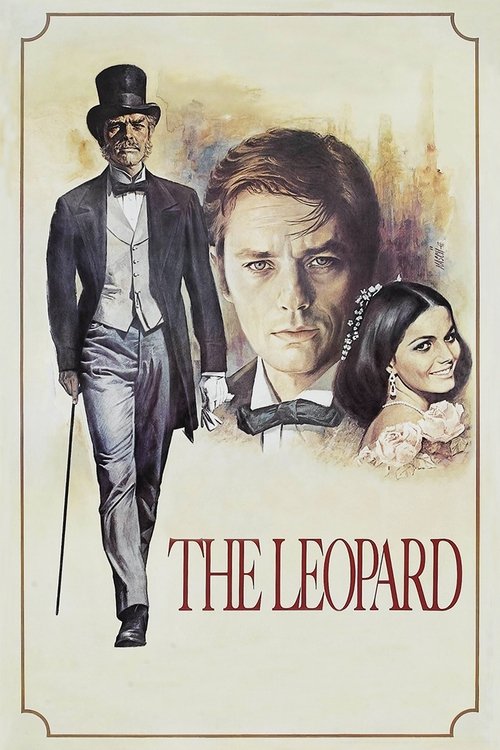
The Leopard1963
Both are about the precise moment when old orders die. One empire ends in a ballroom; one ends in a jungle. Same historical reckoning, completely different register.
Visconti's epic about Italian aristocracy during Garibaldi's invasion—a portrait of an entire world collapsing into history. Shot in VistaVision with operatic grandeur. Both films are about empires ending; *Leopard* watches from the palace while *317th* watches from the mud.
But At 205 minutes, it demands patience. Restoration versions can vary wildly in color grading. The pacing is deliberately stately, not propulsive.
More like this (8)
Come and See1985
A Soviet film about a boy soldier in WWII that achieves what *317th* reaches for: the collapse of all innocence under the weight of war. Unflinching, devastating, filmed with terrible clarity.
But It is genuinely difficult to watch. Not recommended when you're already low. The ending is haunting in ways that linger uncomfortably.

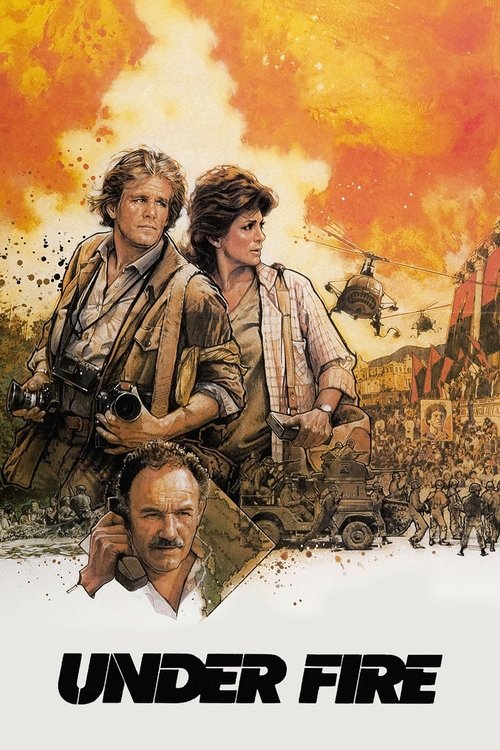
Under Fire1983
Journalists covering a Central American war in the 1980s. Like *317th*, it's about people trying to move through a landscape that wants them dead, carrying orders that no longer make sense. Taut and morally complex.
But A few plot turns feel convenient. The romance subplot divides focus at moments when the film's tighter instincts would serve it better.
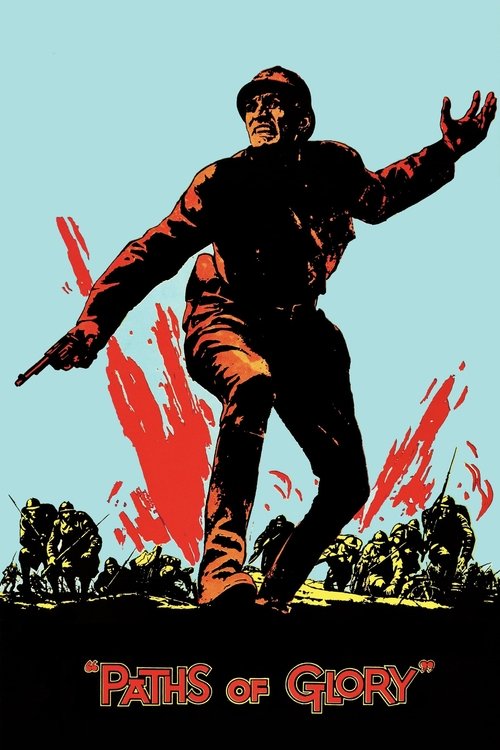
Paths of Glory1957
Kubrick's anti-war masterpiece about the futility of military command and the cost paid by ordinary soldiers. Different war, same anatomy of senseless sacrifice. One of cinema's angriest films.
But The courtroom finale, for all its power, shifts tone sharply from the trench sequences. Some find the ending melodramatic.
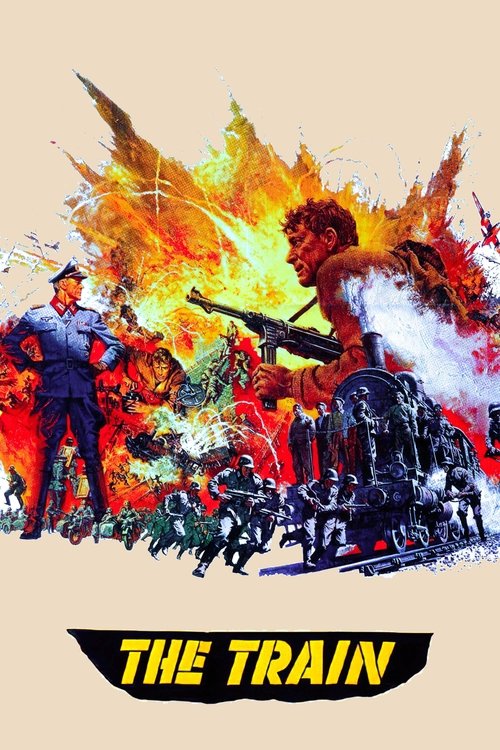
The Train1964
Burt Lancaster in a WWII film about a French railroad worker resisting Nazi occupation. Like *317th*, it's interested in small groups moving through danger, in the weight of impossible choices made under pressure.
But An older action film, so some sequences feel dated in their pacing. The political dimensions are less examined than the suspense.
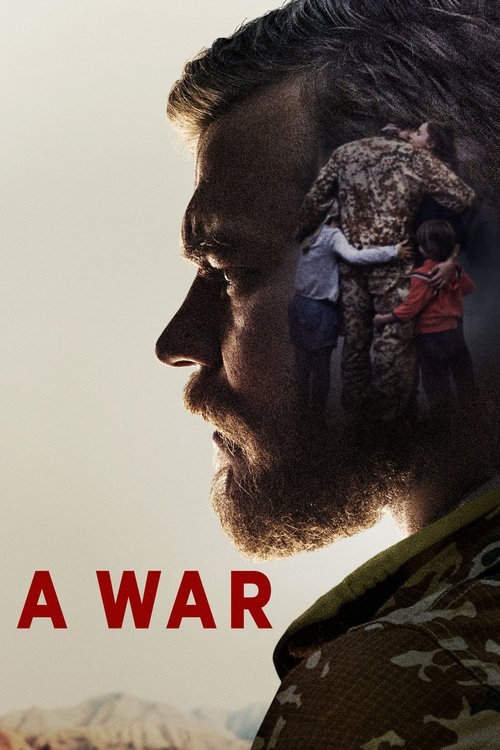
A War2015
A Danish film about a soldier court-martialed for orders given in Afghanistan. Shifts perspective throughout, forcing you to hold contradictions. Modern, but structured like classical tragedy.
But The legal proceedings can feel schematic. It asks a lot of viewers to stay engaged through formal courtroom scenes.
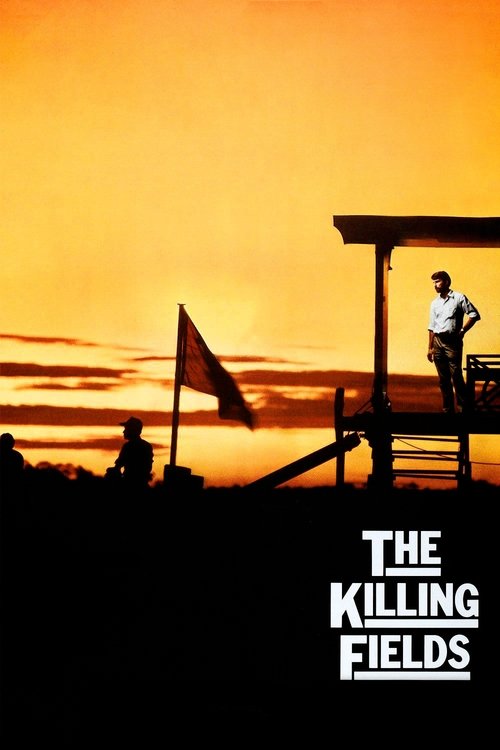
The Killing Fields1984
About journalists and translators navigating Cambodia during the Khmer Rouge rise. Stunning cinematography, real historical weight, and a performance by Haing S. Ngor that deserves all its acclaim.
But Focuses heavily on the Western journalists' perspective, which some feel centers the wrong story. The second half is darker than the first in ways that shift the film's center of gravity.
Synecdoche, New York2008
Both films are about leading a group toward an objective that becomes increasingly impossible and metaphorically resonant. *317th* is literal; *Synecdoche* is dreamlike. Both are about what you owe the people following you.
A theater director creates an ever-expanding replica of New York inside a warehouse—a meditation on mortality, duty, creation, and the impossibility of completing anything meaningful. Formally innovative, strange, hypnotic. Completely different genre and mood, but the same skeleton.
But Deliberately oblique and often baffling. If you need plot clarity and forward momentum, this will frustrate you. It's a film for rewatching and sitting with confusion.

Stalker1979
Both are about a small group being led through hostile terrain by a guide with his own doubts about whether the mission is worth completing. One is a war film; one is a metaphysical parable. Same DNA, transformed.
A Soviet science-fiction film about three men moving through a mysterious zone toward a room that grants wishes. Philosophically dense, visually hypnotic, almost unbearably slow. Nothing like *317th* on the surface, but identical in deep structure.
But 163 minutes of deliberate pacing. Long takes. Minimal music. If you require conventional narrative momentum, you will find this maddening. The philosophical questions are never resolved.

People
Cast
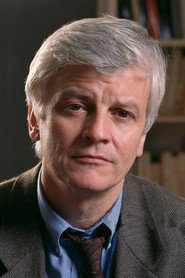 Jacques PerrinLe sous-lieutenant Torrens
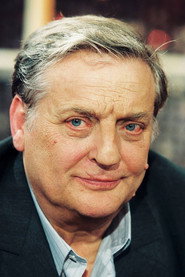 Bruno CremerL'adjudant Willsdorf
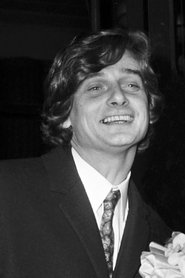 Pierre FabreLe sergent Roudier
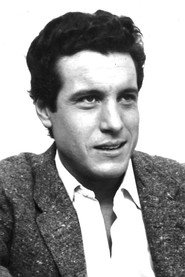 Manuel ZarzoLe caporal Perrin
 Boramy TioulongLe sergent supplétif Ba Kut

Directing
- Pierre SchoendoerfferDirector
Writing
- Pierre SchoendoerfferNovel
- Pierre SchoendoerfferScreenplay
Production
- Benito PerojoProducer
- Georges de BeauregardProducer
Recommended by
Dear America: Letters Home from Vietnam, The Boys in Company C