
Film
Theirs Is the Glory
A 1946 reconstruction of the Battle of Arnhem filmed with the actual soldiers who fought there. Shot on location in Holland just months after the war ended, it's a hybrid of documentary and drama—urgent, intimate, and haunted by recent loss. For anyone drawn to war's human cost and how we remember it.
Should you watch it?
Watch it if you want to see how postwar cinema rebuilt a recent battle with the men who actually fought it, and find the raw, plainspoken authenticity of that choice more gripping than polish.
Skip it if you need polished performances, because real veterans playing themselves can make the drama feel like a stiff lesson.
What it asks of you: It runs about eighty minutes and moves methodically, with a dry narrator, plain staging and a steady flow of military detail that asks for patience rather than emotional payoff.
Not sure? Find tonight's pick in a minute.
If you liked this
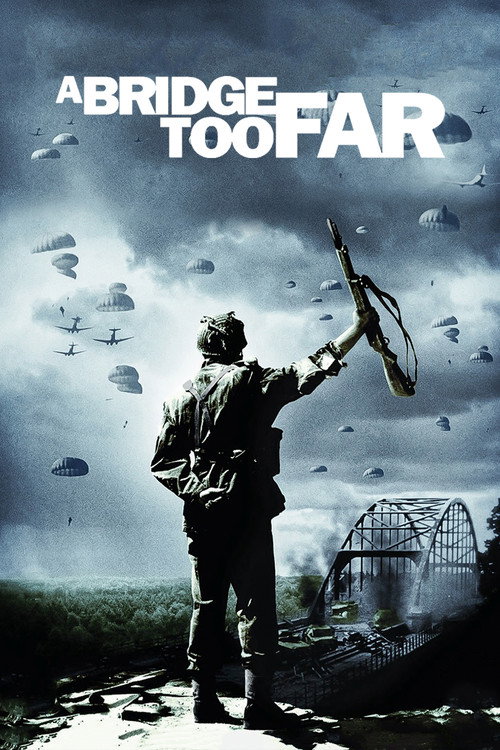
A Bridge Too Far1977
Sprawling, star-studded account of the same Arnhem operation. Offers a grander, more comprehensive view of the strategic picture and the personalities who shaped it.
But At nearly three hours it's a commitment, and the scale can feel distant compared to lived experience. Some find the all-star cast more distracting than immersive.
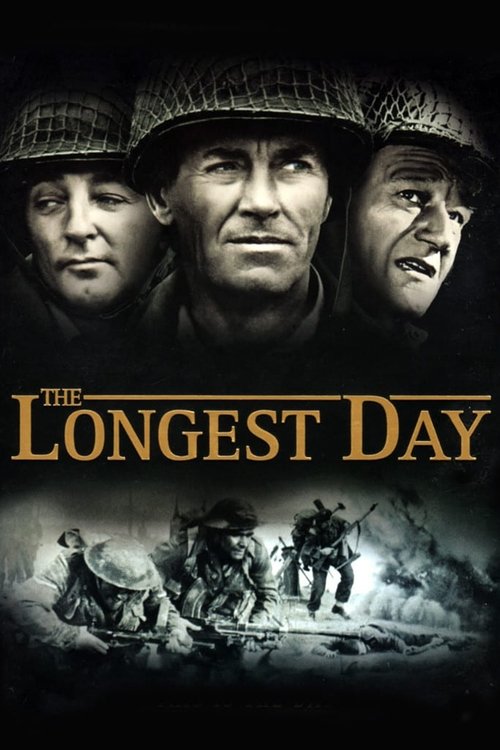
The Longest Day1962
Multi-perspective D-Day epic with similar ambitions: to show what that day felt like across dozens of lives. Epic but intimate, with memorable sequences that stick with you.
But It's a product of early-1960s filmmaking, so some sequences feel stiff or dated now. The sheer number of storylines means none get deep.
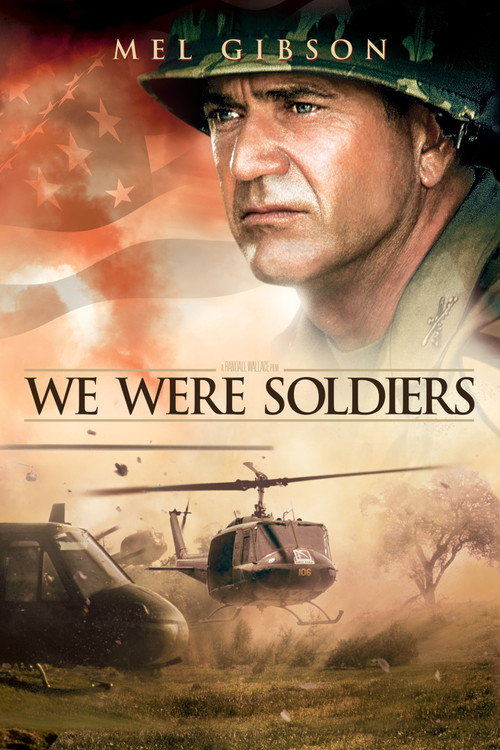
We Were Soldiers2002
Mel Gibson leads a visceral recreation of the first major engagement in Vietnam. Committed to showing both sides with dignity, and the combat sequences are exhaustingly real.
But The domestic sequences can feel saccharine, and it sits uncomfortably between war film and flag-waver. Some will find it manipulative.
Not sure tonight? Get a pick in a minute, starting from Theirs Is the Glory
The wildcard
Something you would not have found on your own.
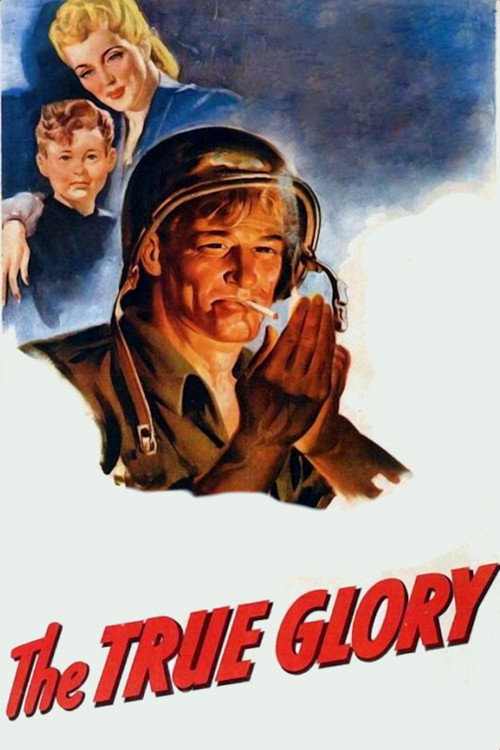
The True Glory1945
Both are 1946 films made immediately after the war by filmmakers who were there, using soldiers' direct testimony rather than actors playing soldiers. Both ask: how do you record this while it's still fresh?
Documentary made while WWII was still happening, following Allied forces from D-Day to victory in Europe. Authentic voice-overs from soldiers themselves; you're watching the war through their eyes in real time, not retrospect.
But As propaganda, it elides certain uncomfortable truths and carries the optimism of 1945. The black-and-white archival footage can feel distant and the pacing is dated.
More like this (6)
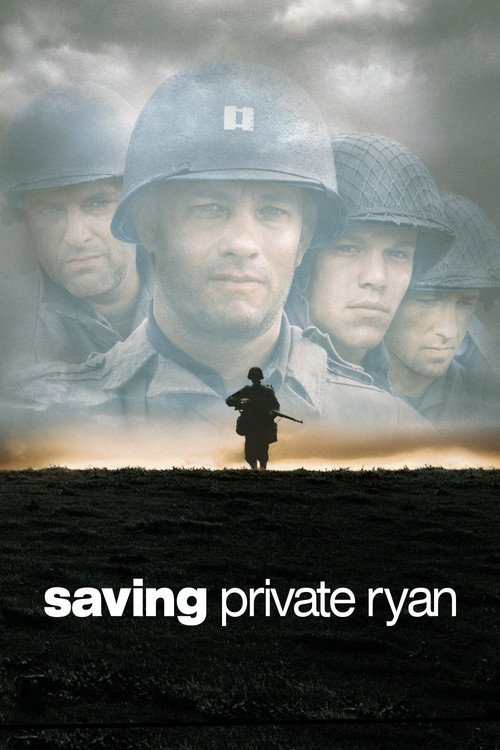
Saving Private Ryan1998
Changed how war films looked. The opening Omaha Beach sequence remains the most honest depiction of combat chaos ever filmed. Hanks and his squad are unforgettable.
But After that opening, the second half pivots to a more conventional story. Its influence means it feels less fresh now than it did in 1998.
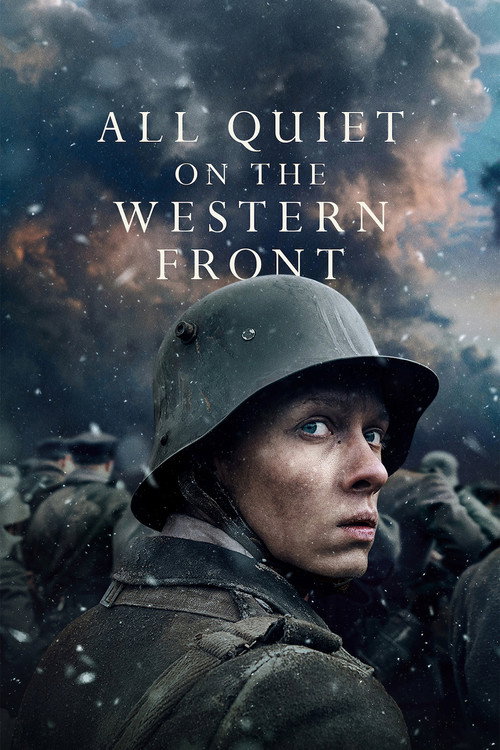
All Quiet on the Western Front2022
German perspective on WWI; brutal, intelligent, and visually stunning. Shows the machinery grinding young men down with pitiless clarity. A counterweight to every other war film.
But It's in German with subtitles, and deliberately refuses catharsis. The pacing is slow and the ending is bleak—not for a casual evening.
Come and See1985
Soviet film about a boy conscripted into WWII. Terrifying, grotesque, shot like a nightmare. If you want to understand war's psychological devastation, this is it.
But Extremely difficult to watch. Contains graphic violence, child endangerment, and despair with no relief. Not entertainment; it's an ordeal.

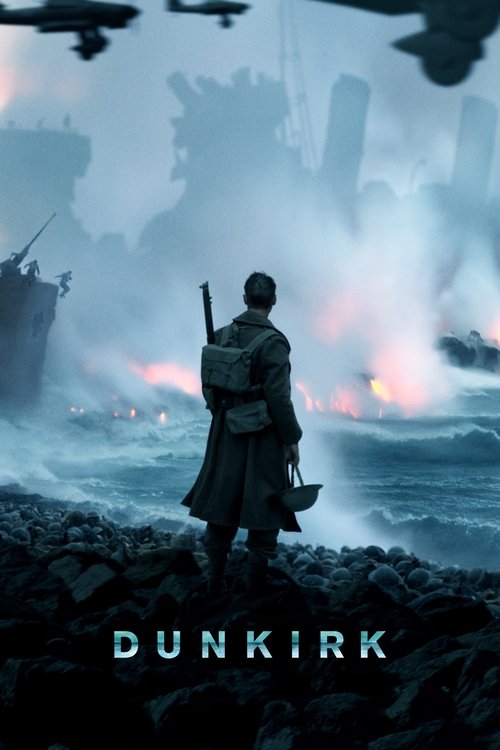
Dunkirk2017
Nolan's fractured narrative mirrors the chaos of evacuation. Three timelines, immaculate cinematography, Hans Zimmer's relentless score. A new kind of war film language.
But The fractured structure confuses some viewers. Dialogue is occasionally muffled, and the emotional core is harder to locate than in traditional approaches.
Night and Fog1956
Both films grapple with using actual locations and survivors to witness what happened. Both resist easy closure or comfort—they insist you feel the weight of it.
Alain Resnais's 32-minute essay on the Holocaust. Intercuts color footage of Auschwitz revisited with black-and-white atrocity footage. A masterpiece of form meeting unbearable content. Haunting and precise.
But It is extremely disturbing. The juxtaposition of a peaceful present with horrific past can feel obscene. Many find it too painful to finish, and that's a legitimate response.
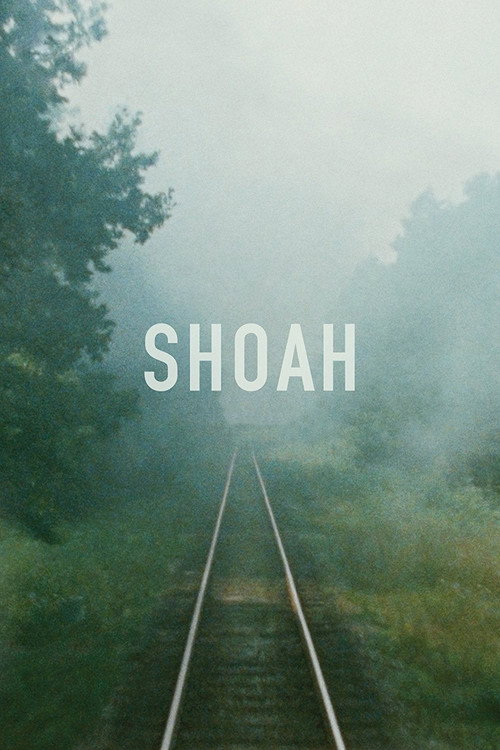
Shoah1985
Like *Theirs Is the Glory*, it uses the survivors themselves as the primary document—not to dramatize but to testify. The camera's job is to listen and bear witness, not to explain.
Lanzmann's nine-hour oral history of the Holocaust built entirely from interviews with survivors, perpetrators, and bystanders. No archival footage; only voices and faces across locations. Unbearably intimate and revelatory.
But It's nine hours of people talking, often in small rooms, recounting trauma. Requires tremendous patience and emotional stamina. Many viewers cannot complete it, which is acceptable.
People
Cast
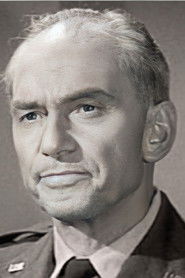 Stanley MaxtedHimself (war correspondent)
- Geoff van RijsselHimself
- Allan WoodHimself
- Thomas ScullionHimself
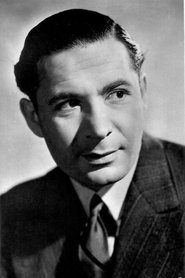 Leo GennNarrator (uncredited)
Directing
- Brian Desmond HurstDirector
Writing
- Louis GoldingWriter
- Terence YoungWriter
Production
- Castleton KnightProducer