
Film
D-Day: Normandy 1944
A brisk, visually engaging documentary about D-Day's planning and execution, blending animation, CGI, and archival footage into a 40-minute primer. Tom Brokaw narrates with the gravitas you'd expect. It's designed for broad audiences—educational without being punishing, respectful without descending into reverence. Perfect for those wanting the essentials without committing to a miniseries.
Should you watch it?
Watch it if you want a clear, visual account of how the Normandy campaign was planned and fought, and you respond to big-screen maps, animation and reconstruction over close personal testimony.
Skip it if you came for the individual stories of soldiers on the beaches, since this 40-minute overview spreads its attention across strategy, science and technology.
What it asks of you: Forty minutes of steady concentration, with a brisk pace and measured tone, and a stream of maps and images that reward attention more than feeling.
Not sure? Find tonight's pick in a minute.
If you liked this
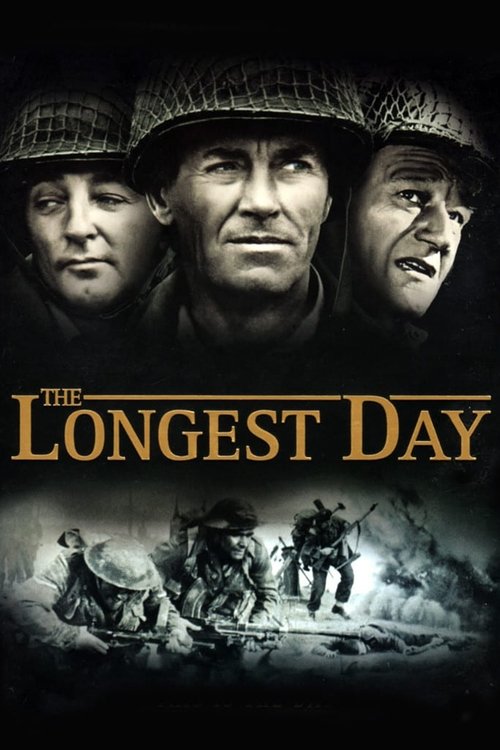
The Longest Day1962
The definitive dramatization of D-Day itself: sweeping, star-studded, and told from multiple perspectives. It sets the visual and narrative standard everything else still measures against.
But Nearly three and a half hours long, and the sheer number of storylines can feel scattered if you're not anchored to the history.
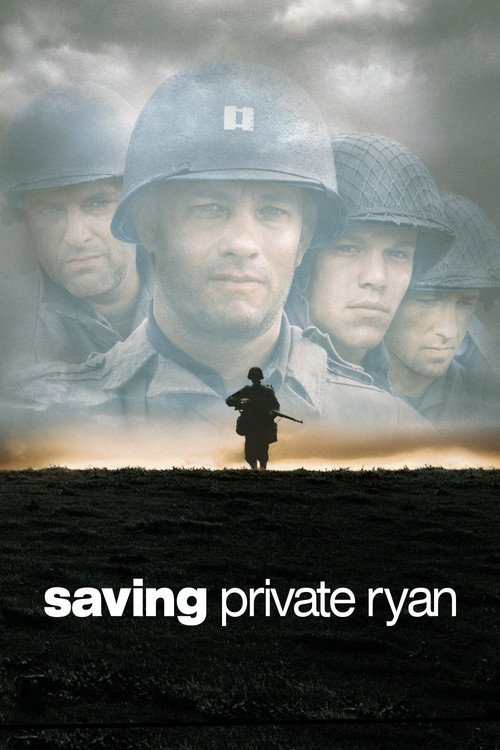
Saving Private Ryan1998
The beach landings in the first act are still the most visceral depiction of combat ever filmed. The sensory overwhelm mirrors what soldiers actually experienced.
But The second half shifts tone so dramatically that some find it narratively uneven. Also, it's very well-known; there's no discovery here.
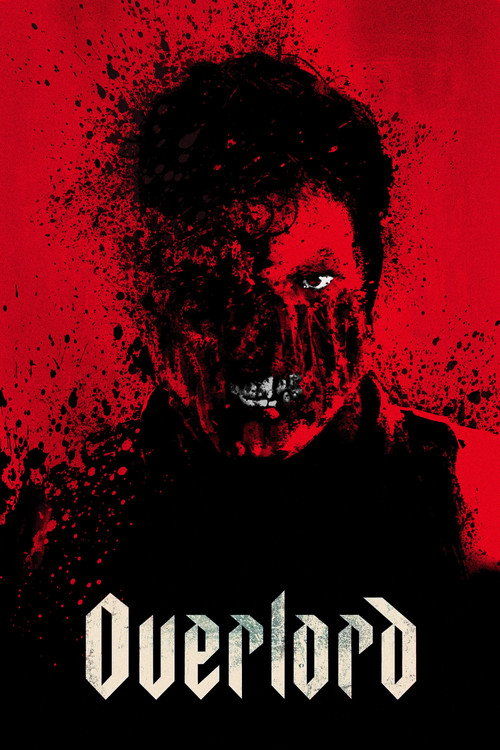
Overlord2018
A horror-tinged take on a paratrooper's nightmarish drop behind German lines. Weird, urgent, and genuinely unsettling—it finds new psychological territory in familiar terrain.
But The horror elements will feel off-brand to purists. Some viewers find the tonal shifts jarring rather than clever.
Not sure tonight? Get a pick in a minute, starting from D-Day: Normandy 1944
The wildcard
Something you would not have found on your own.
Night and Fog1956
Both are brief, ambitious documentaries that use visual technique to make history feel present and urgent rather than safely archived. Both refuse to sentimentalize.
Alain Resnais's 28-minute essay film about the concentration camps uses still photography, archival footage, and a detached narrator to create something more devastating than any conventional documentary. It's formally radical and morally unflinching.
But It's an experimental film from 1956 shot in color and B&W; the formalism can feel distant when the subject demands immediacy. Very short, so less 'film' than 'experience.'
More like this (6)
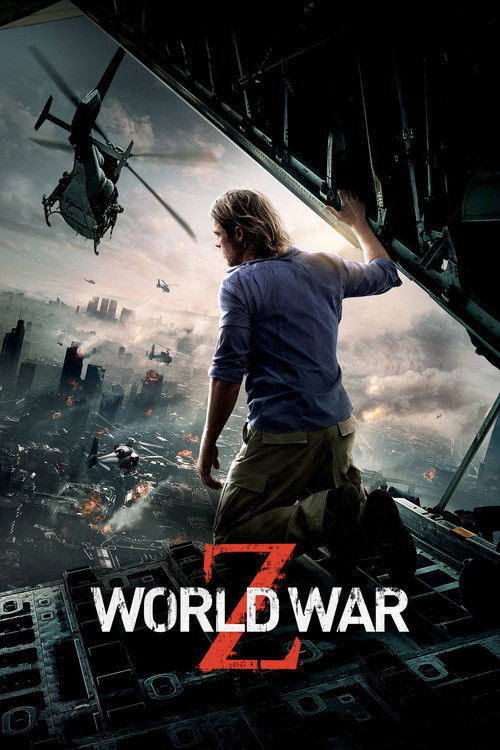
World War Z2013
Sprawling global history told through witness testimony, jumping between nations and timelines. The formal structure—interviews stitched into a larger picture—mirrors how documentaries build narrative.
But It's a zombie film, and that premise will repel anyone not interested in the metaphor. The third act deflates badly.
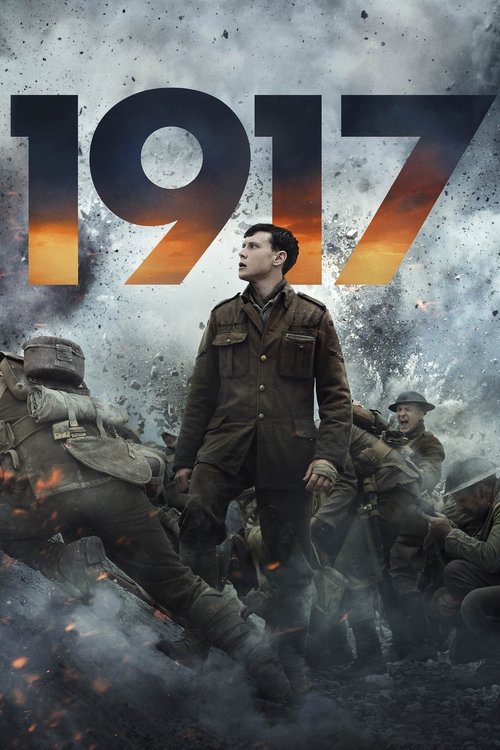
19172019
A single-shot illusion following two soldiers on a deadly errand across No Man's Land. The formal constraint creates unbearable tension and forces you to live in time differently.
But The WWI setting means no D-Day here, just the trenches. Some find the technical showiness more interesting than the story.
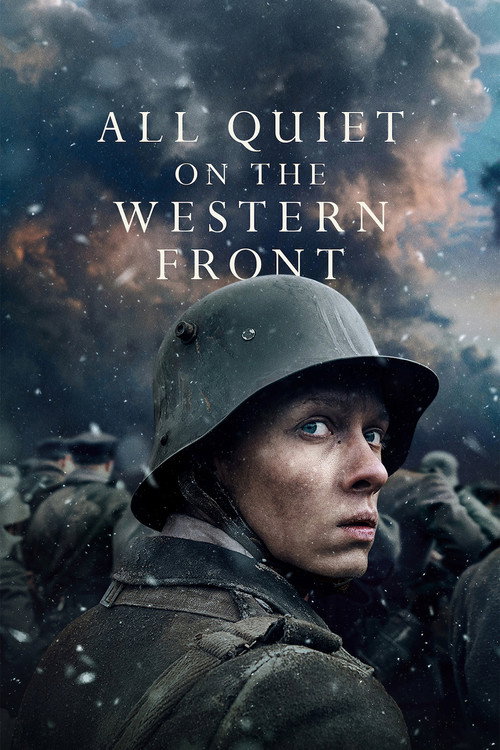
All Quiet on the Western Front2022
German soldiers' perspective on WWI, beautifully shot and achingly human. It reframes 'the enemy' as people, a moral clarity rarely achieved in war films.
But It's deliberately bleak and offers no redemptive arc. Watching it feels necessary but not pleasant.
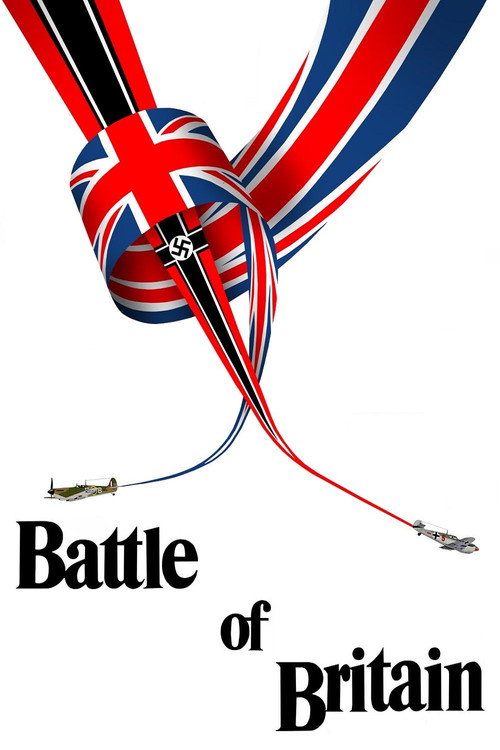
Battle of Britain1969
A sprawling, star-heavy dramatization of the aerial campaign that preceded D-Day. The dogfight sequences are still thrilling, and it contextualizes why the invasion was even possible.
But It's a 1969 production with all the dated charm that entails. The ensemble cast can feel more like a parade of cameos than a story.
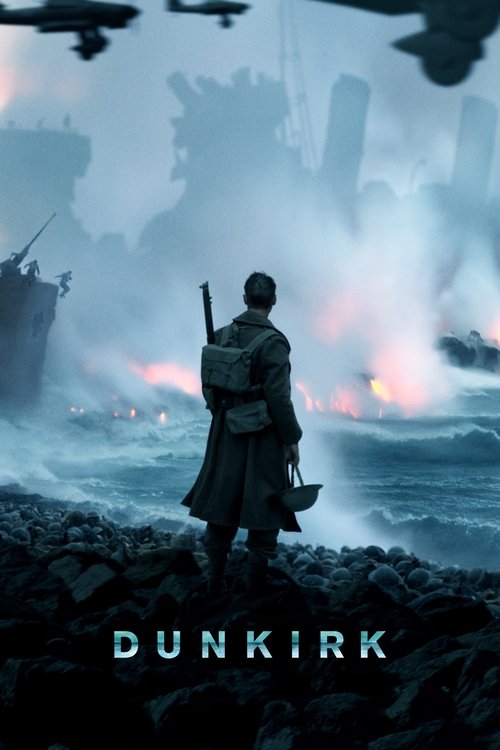
Dunkirk2017
Christopher Nolan's fractured, three-timeline approach to the evacuation that preceded D-Day. Formally daring and genuinely tense, even knowing the historical outcome.
But The narrative fragmentation requires active attention; you can't half-watch it. Some find the dialogue hard to hear and the editing exhausting rather than exciting.
Come and See1985
D-Day focuses on the operation's grandeur and necessity; this film is the moral counterweight—what war actually does to the people who fight it. They're the same event viewed from radically different registers.
Elem Klimov's Soviet film follows a boy conscripted into WWII and watches him transform into something hardened and hollow over 142 minutes. Cinematically astonishing and psychologically unsparing—nothing else conveys war's true cost to human consciousness.
But It's long, brutal, and bleak in ways that feel designed to punish rather than enlighten. The violence is not gratuitous but it is relentless. Not a comfort film by any definition.

People
Cast
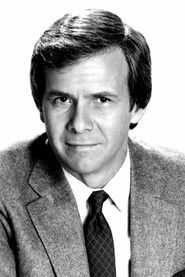 Tom BrokawNarrator (voice)
Directing
- Pascal VuongDirector
Production
- Normand McKayAssociate Producer
- Catherine VuongProducer
- Pascal VuongProducer
- Sylvain GrainProducer