
Film
Fixed Bayonets!
A Korean War platoon drama where command falls to an unprepared corporal as officers die one by one. Samuel Fuller directs with unflinching intensity, favoring claustrophobic trench sequences and moral ambiguity over heroics. Raw, physically immediate, and genuinely unsettling—for viewers who want war as nightmare rather than adventure.
Should you watch it?
Watch it if you like lean, grimy war films where tension comes from a handful of exhausted men holding a position and arguing over who should lead them, not from spectacle.
Skip it if you want sweeping battle scenes or a fast pace, since this stays cramped and dialogue-heavy, with the action confined to a small group of men.
What it asks of you: About ninety-two minutes of close, unhurried attention to faces and fear rather than sweeping action; it rewards patience and sitting with long quiet stretches.
Not sure? Find tonight's pick in a minute.
If you liked this
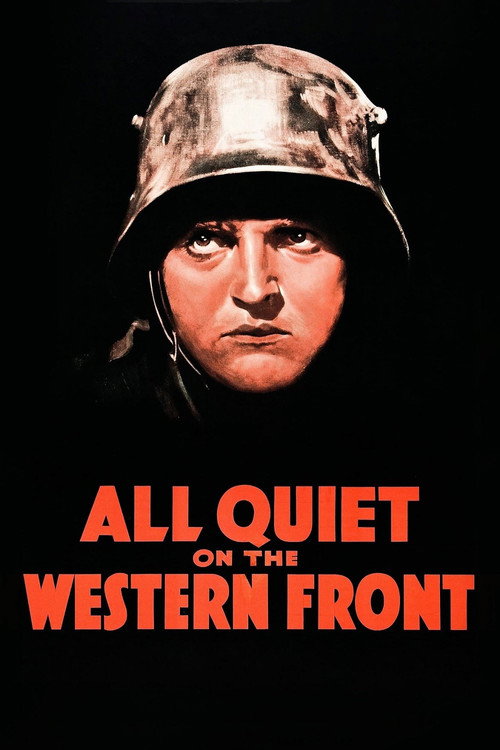
All Quiet on the Western Front1930
The original anti-war masterpiece: trench warfare, soldier camaraderie, and the machinery of death grinding youth into nothing. Fuller clearly learned from it. Devastating and still shocking.
But It's a 1930 film with dated production values and can feel stagey compared to later war movies. Pacing demands patience.
Come and See1985
Soviet-made, absolutely brutal depiction of WWII's Eastern Front. Same DNA as Fixed Bayonets—war as visceral horror, not narrative. Changes people who watch it. If you want unflinching, this is the apex.
But Genuinely punishing to sit through. Not entertainment; it's witnessing something awful. The final sequence will haunt you in ways that might feel manipulative.

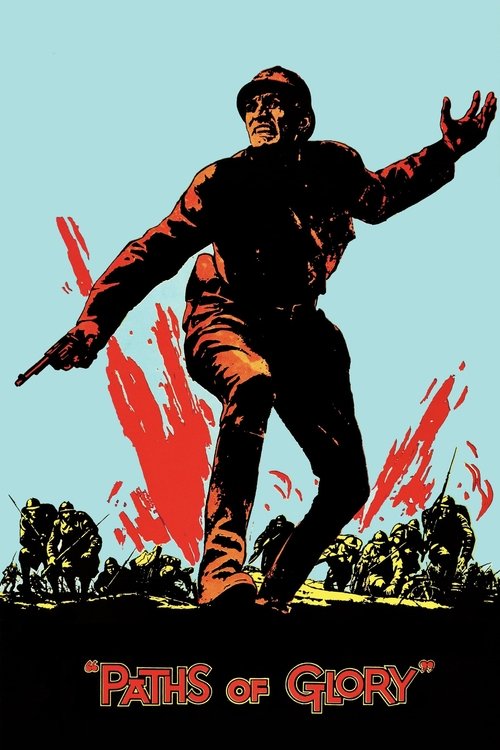
Paths of Glory1957
Kubrick's WWI masterpiece about command failure and the machinery that grinds soldiers down. Courtroom drama meets trench nightmare. Precisely structured moral indictment of military hierarchy.
But The battle sequence is relentless and the ending is deliberately grim. Some find Kubrick's precision cold rather than moving.
Not sure tonight? Get a pick in a minute, starting from Fixed Bayonets!
The wildcard
Something you would not have found on your own.
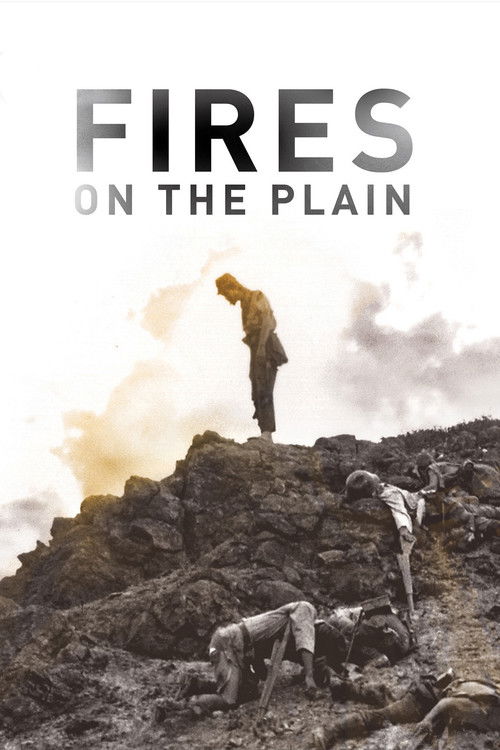
Fires on the Plain1959
Both examine command collapse and soldiers left to survive impossible orders. Same moral clarity: war unmakes men and institutions fail them. But Ichikawa goes further into psychological abyss.
Japanese film about WWII soldiers on a Philippine island, slowly starving and fracturing. Kon Ichikawa presents war as madness and moral dissolution without redemption. Fuller would recognize this completely.
But It's in Japanese with subtitles. Moves slowly through psychological breakdown. The final act approaches cannibalism and genuine depravity. Some will find it exploitative rather than tragic.
More like this (8)
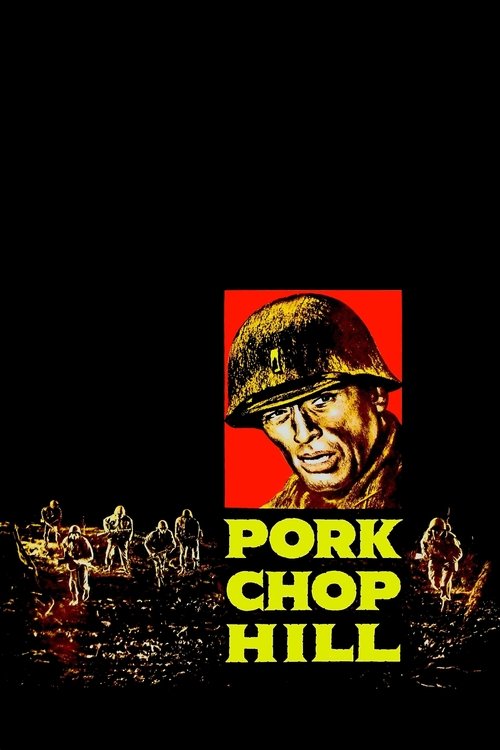
Pork Chop Hill1959
Another Korean War film, but one that understands the absurdity of dying for terrain nobody cares about. Gregory Peck as a commander trying to hold a meaningless hill. Frustration and futility as the real enemy.
But Less visually interesting than Fuller's work. Can feel like a procedural at times rather than drama. The budget shows.
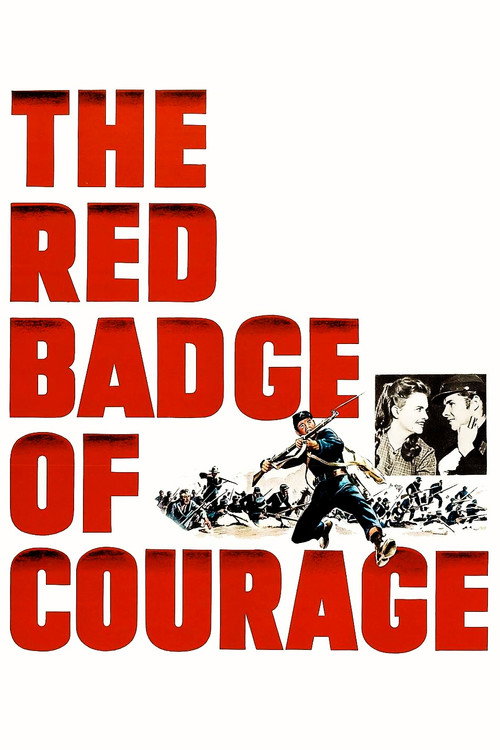
The Red Badge of Courage1951
Audie Murphy in Fuller's earlier Civil War adaptation. Raw psychological portrait of a young soldier confronting cowardice and manhood. Compressed narrative, enormous emotional weight. Fuller in full control.
But The studio interfered significantly; the cut film is shorter than Fuller wanted. You can feel the damage. Black-and-white and deliberately unglamorous doesn't appeal to everyone.
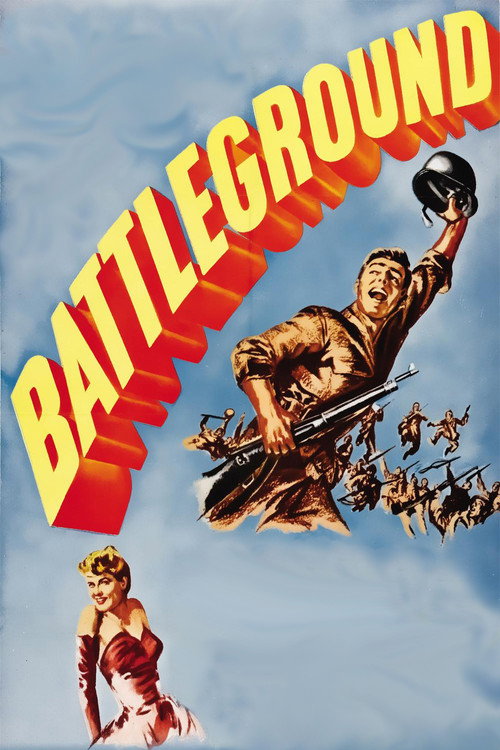
Battleground1949
WWII ensemble piece about soldiers in the frozen Ardennes. Humanizes the ordinary soldier, focuses on small moments between men. Warm where Fixed Bayonets is cold, but similarly skeptical of glory.
But More traditional war movie than Full or Kubrick, with clearer heroism. If you want ideology challenged rather than tragedy observed, it's softer.
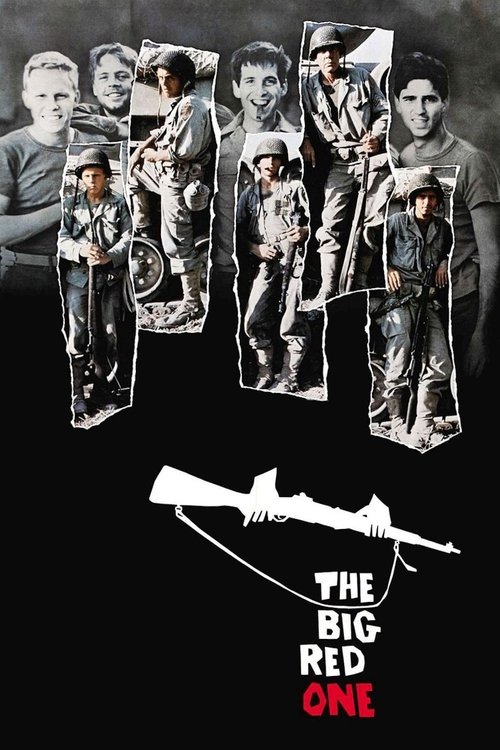
The Big Red One1980
Fuller's own later masterpiece about an infantry squad across North Africa and Europe. Even more autobiographical, even more focused on how soldiers actually live and die. Long, unfussy, hypnotic.
But It's nearly two hours of deliberate, digressive storytelling. Fuller's editing style is antique now and some will find it slow. The restored cut is better but still demands engagement.
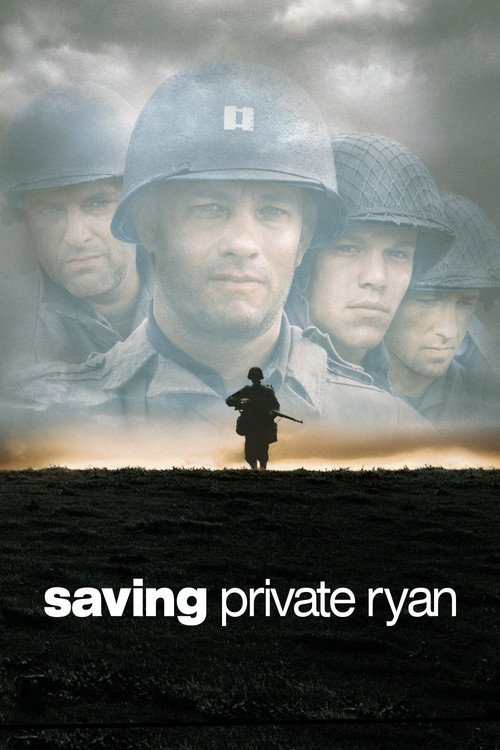
Saving Private Ryan1998
The Omaha Beach opening is cinema's most visceral war sequence. Spielberg and cinematographer Janusz Kamiński created the template for how modern audiences see WWII. Technically brilliant and emotionally direct.
But After that opening, the second half becomes a more conventional mission movie. Some find the sentiment overdone. The flag-waving finale alienates viewers who want ambiguity.
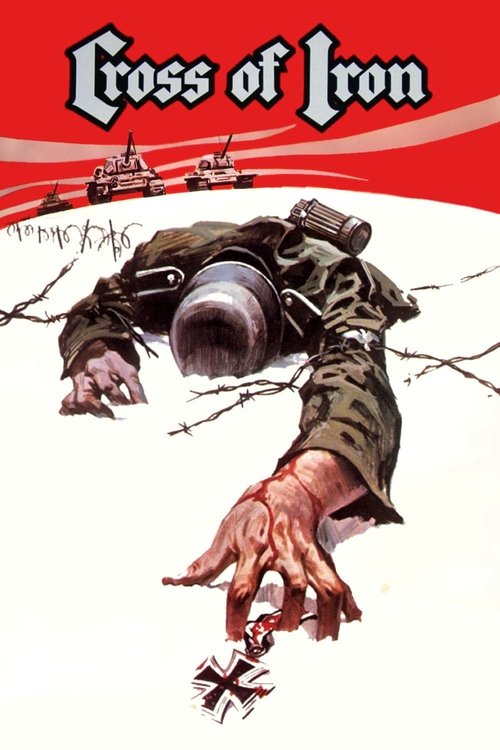
Cross of Iron1977
Peckinpah's Eastern Front nightmare: ugly, brutal, focused on survival rather than strategy. James Coburn as a cynical sergeant. Raw in ways Hollywood rarely permits. War as absurdist horror.
But Peckinpah's violence is operatic and some find it gratuitous. Narrative is deliberately fragmented. Not for viewers wanting clarity or character arc.
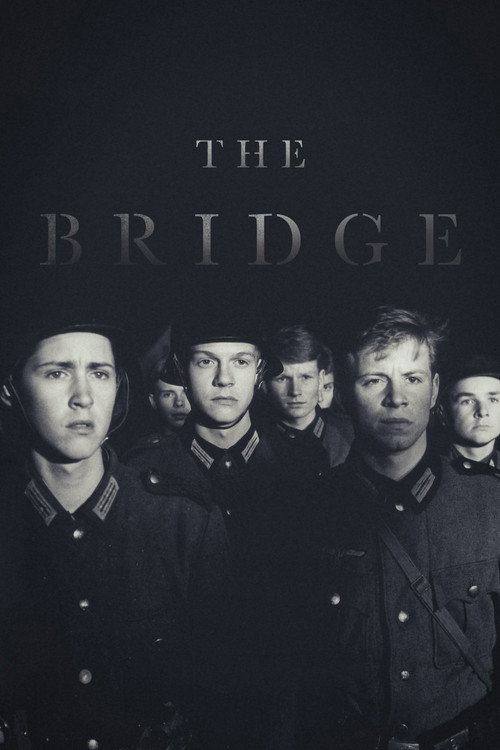
The Bridge1959
Both compress warfare into a single position defended by men not ready for command. Both see war as a machine that destroys whoever it touches, regardless of rank or preparation.
Austrian film about teenage Hitler Youth tasked with defending a bridge in the final days of WWII. Fuller without Fuller's experience—innocence colliding with machinery of war. Devastating and concentrated.
But Low budget shows clearly. The youth cast, while effective, can read as melodramatic. It's heavy-handed compared to Fixed Bayonets' subtlety. Some find the German perspective uncomfortable.
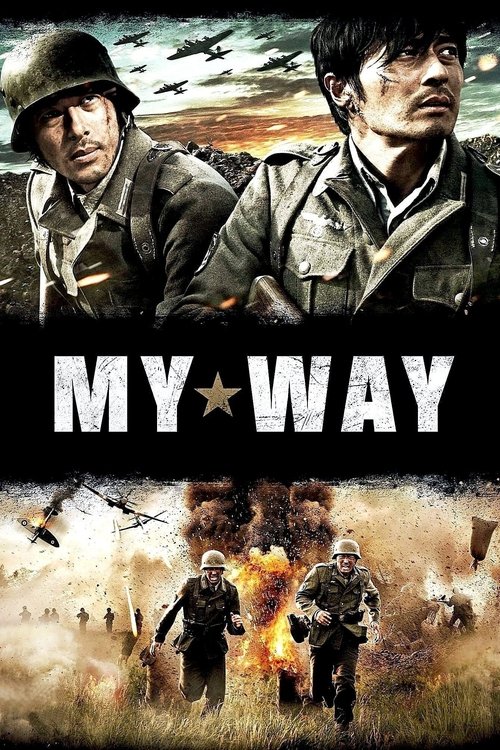
My Way2011
Both track one man's forced progression through command as others fall away. Both reject national mythology for personal catastrophe. Both understand soldiers as victims of history, not agents within it.
Korean film following a single soldier through Russo-Japanese War, then conscripted into Japanese army, then Soviet POW camp. Immense, brutal, formally ambitious. War as historical catastrophe grinding individuals to dust.
But It's two hours fifty minutes and deliberately paced. Subtitled. The scale and number of settings can feel scattered. Some find the emotional register overwhelming rather than clarifying.
People
Cast
 Richard BasehartCpl. Denno
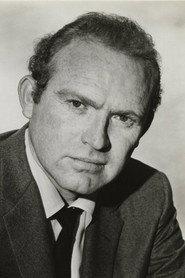 Gene EvansSgt. Rock
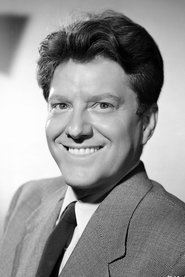 Michael O'SheaSgt. Lonergan
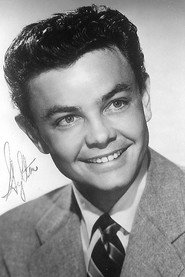 Richard HyltonMedic John Wheeler
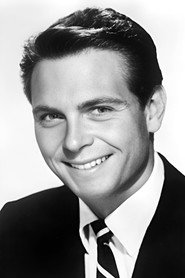 Craig HillLt. Gibbs
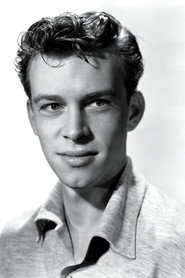 Skip HomeierWhitey
- Howard BanksDoggie (uncredited)
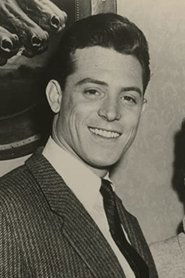 Paul BurkeDoggie (uncredited)
- George ConradZablocki (uncredited)
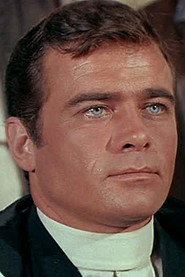 Glenn CorbettLieutenant (uncredited)
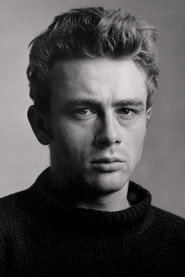 James DeanDoggie (uncredited)
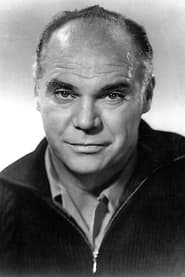 John Doucette18th Infantry Colonel (uncredited)
Directing
- Paul HelmickAssistant Director
- Samuel FullerDirector
Writing
- John BrophyNovel
- Samuel FullerScreenplay
Production
- Jules BuckProducer