
Film
My Way
My Way follows a Korean man conscripted across three armies during WWII—Japanese, Soviet, German—in an epic historical drama that treats geopolitical collision as personal tragedy. It's sweeping and violent, structured around a fractured friendship that survives impossible circumstances. For those drawn to war stories that refuse easy national narratives, that pit individuals against history itself.
If you liked this
Come and See1985
A Soviet masterpiece about childhood destroyed by war. Visually overwhelming, morally unflinching, and structured around an impossible friendship—it shares My Way's refusal to sentimentalize suffering or frame war as glorious.
But Relentlessly grim. There is almost no respite, and the images are designed to traumatize. Not cathartic; just true.

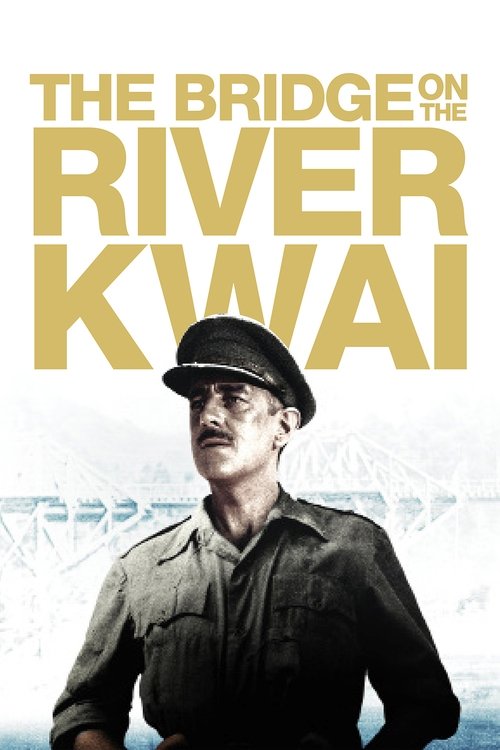
The Bridge on the River Kwai1957
A man caught between empires, forced to build for captors while loyalty to fellow prisoners tears him apart. Same tension between personal honour and historical forces, with Lean's scale and David Lean's unflinching eye.
But Post-war British perspective on Empire and Japan may feel dated. Some find its protagonist frustrating rather than tragic.
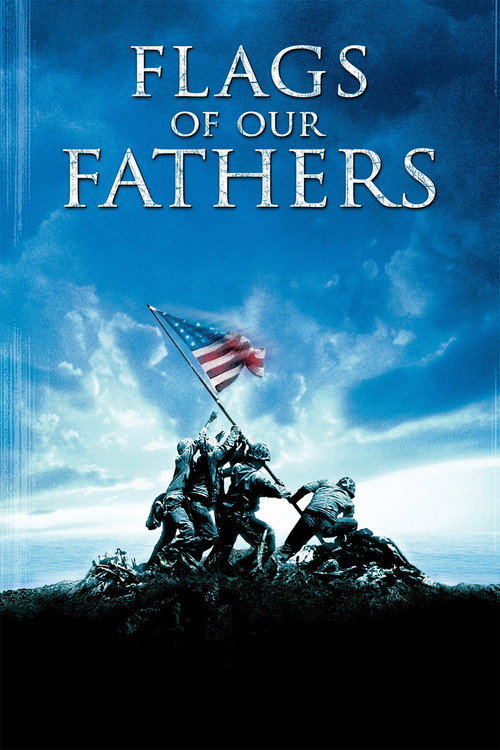
Flags of Our Fathers2006
Eastwood's meditation on war's mythology versus its reality. Intercuts battle with its aftermath, asking how we survive not just combat but the lies told about it. Shares My Way's skepticism of national narratives.
But Deliberately unglamorous and sometimes emotionally cold. The structure can feel didactic to some viewers.
Not sure tonight? Get a pick in a minute, starting from My Way
The wildcard
Something you would not have found on your own.
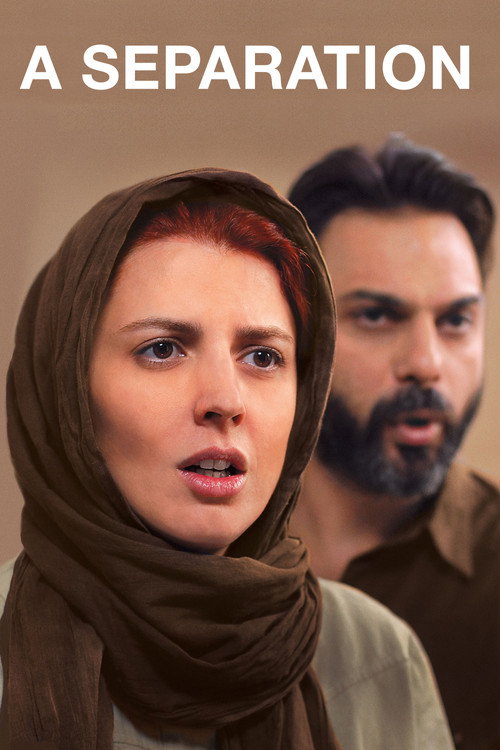
A Separation2011
Both films center on men trying to maintain loyalty and honour while systems beyond their control transform them and splinter their closest relationships. Neither offers resolution.
Made the same year as My Way, Panahi's Iranian film also traces how systems—legal, religious, social—splinter human relationships. Here it's civil law instead of war, but the mechanism is identical: individuals crushed by structures larger than their bonds. The intimacy of rupture.
But Domestic and legal rather than martial. If you came for epic battle scenes, this will feel small. Requires patience with dialogue and ambiguity rather than catharsis.
More like this (8)
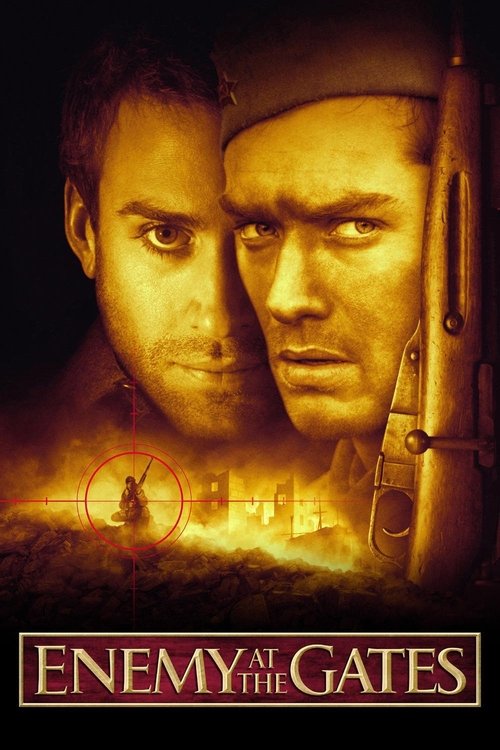
Enemy at the Gates2001
Two men on opposite sides of a rifle scope in Stalingrad. Intimate human stakes within massive historical machinery. A friendship-and-betrayal arc set against total war, with genuine stakes for civilians caught between.
But Occasionally lapses into melodrama. The love interest subplot feels tacked on and dilutes focus from the central relationship.
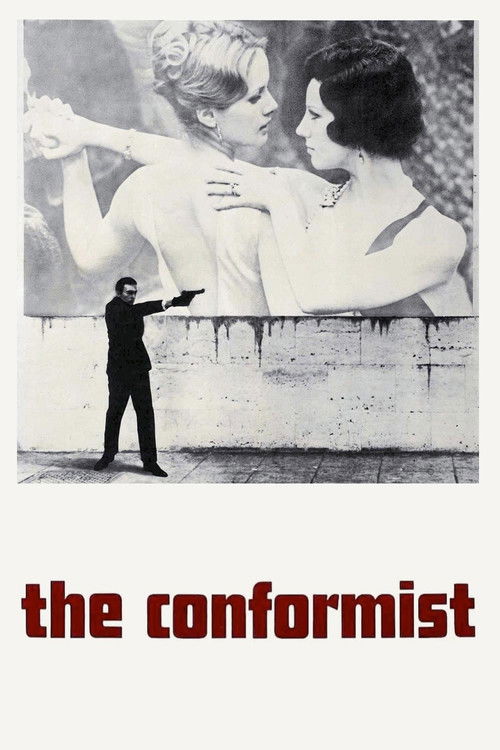
The Conformist1971
An Italian man conscripted by history into fascism, always aware he's serving systems larger than himself. Bertolucci's visual poetry and moral complexity mirror My Way's refusal of easy answers about complicity and survival.
But Slow, philosophically dense, and the politics require historical knowledge. Not a plot-driven thriller; mood and idea matter more than action.
The Pianist2002
Szpilman's survival across multiple regimes and identities during WWII. Another man transformed by history's violence, finding humanity in strangers. Polanski's restrained direction lets the horror speak clearly.
But Focuses on individual survival in ways that can feel apolitical. Some find its depiction of Warsaw's Jewish experience incomplete or sanitized.

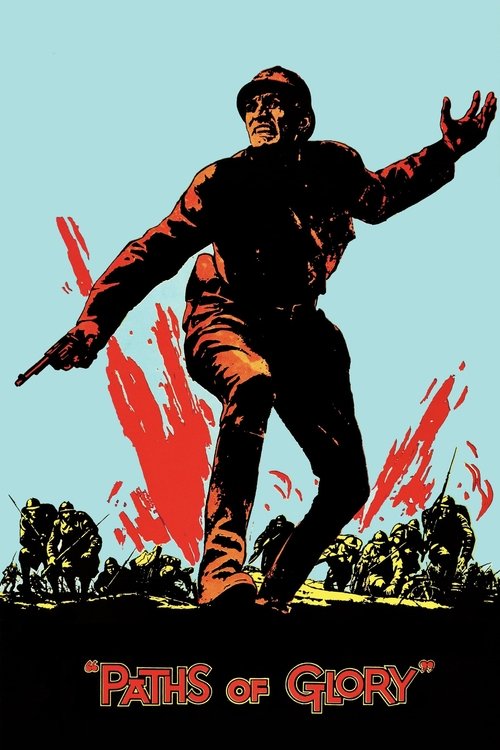
Paths of Glory1957
Kubrick's indictment of war's machinery crushing individual soldiers. Officers as distant abstractions, ordinary men as casualties of bureaucracy. Shares My Way's anger at systems that devour their participants.
But The ending is almost unbearably bleak. Kubrick's cold style keeps emotional distance, which some find distancing rather than clarifying.
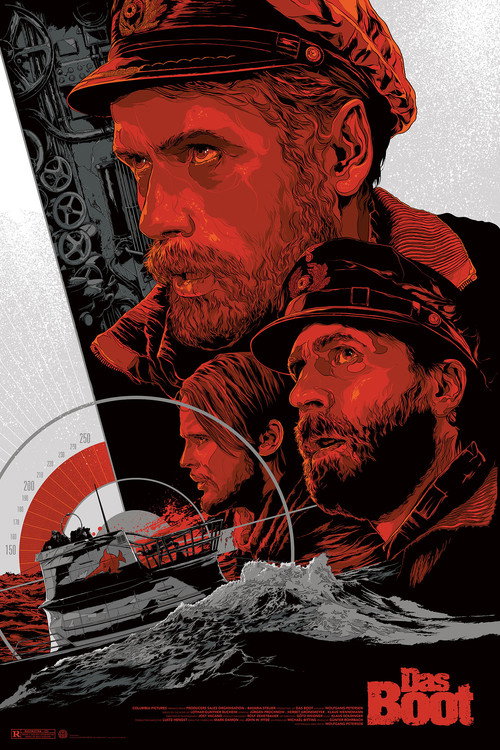
Das Boot1981
A submarine crew—a contained space, a contained war—in which professionalism and camaraderie crumble against history. Explores how ordinary competent men serve extraordinary evil. Boredom and terror alternate like My Way's rhythms.
But Three-and-a-half hours, and much of it is waiting. The pacing reflects submarine life accurately but tests patience. German perspective may alienate some viewers.
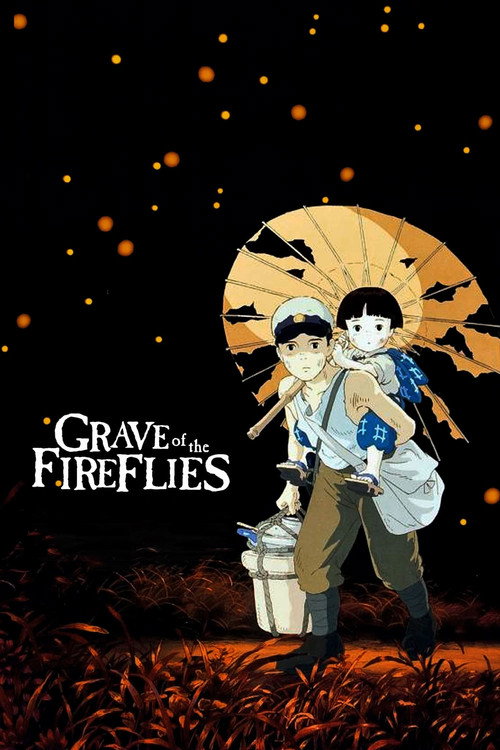
Grave of the Fireflies1988
A brother and sister in Japan at war's end, abandoned by state and family. Anime allows emotional directness that live action sometimes guards against. Like My Way, it centers those erased by official history—and the damage outlasts the war.
But Animated, which misleads viewers into expecting something lighter. The suffering is relentless and the ending foregone. Difficult watch even for those who know it's coming.
The Ascent1977
Both feature men surviving multiple armies and occupations. Both are Soviet-era films wrestling with WWII's spiritual cost. Tarkovsky is the inverse register—not epic action, but philosophical stasis.
Two Soviet partisans in occupied Belarus during WWII climb toward a destination they may never reach. Tarkovsky's spiritual cinema—austere, black-and-white, glacially paced—finds God in suffering and betrayal. A different register entirely, but the same question: what survives war intact?
But Seventy-eight minutes that feel like three hours. No plot, no clear narrative drive. Abstract and meditative where My Way is dramatic. Demands contemplation, not entertainment.

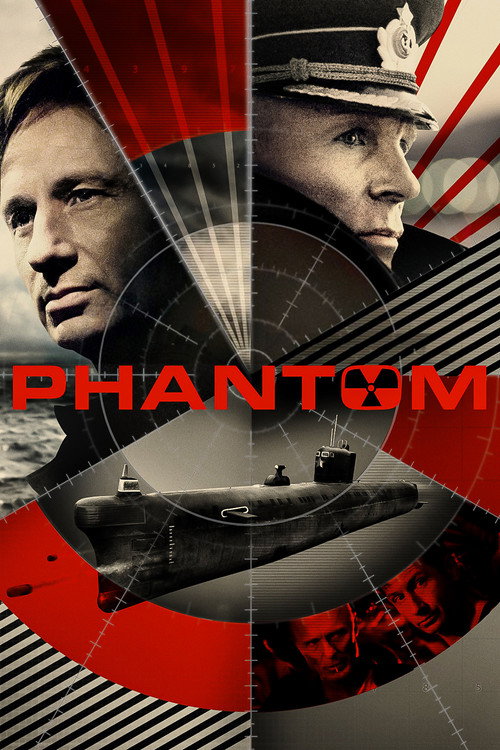
Phantom2013
Both feature men who have served multiple empires and belong fully to none. Both use historical circumstance to erase individual identity. Both are about the Soviet experience of war's aftermath, but Phantom shifts the war from WWII to ideology itself.
A Russian submarine captain in the Cold War aftermath, caught between Soviet history and American present. Russian-language, deeply concerned with national identity fracturing under pressure. Like My Way, it's a man conscripted by history into an impossible position, but the conflict is ideological rather than physical—and the submarine becomes a tomb for an entire worldview.
But Slow, conceptually dense, and the Cold War context may feel distant. The submarine setting is claustrophobic. Tonally bleak without the catharsis of action.
People
Cast
 Jang Dong-gunJun-shik
 Joe OdagiriTatsuo Hasegawa
 Fan BingbingShirai
 Kim In-kwonJong-dae
 Lee Yeon-heeEun-soo
 Kim Hie-wonChoon-bok
 Oh Tae-kyungKwang-choon
 Kwak Jung-wookMin-woo
 Kim Si-hooTsukamoto
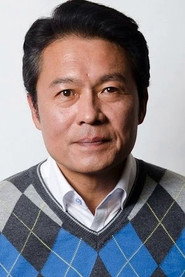 Cheon Ho-jinJun-shik's Father
 Taro YamamotoNoda
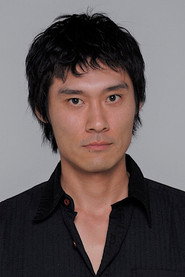 Manabu HamadaMukai
Directing
- Yoon Jin yulAssistant Director
- Kang Je-kyuDirector
- Chang Joo YangFirst Assistant Director
Writing
- Hwang In-hoAdaptation
- Kang Je-kyuScreenplay
- Kim Byung-InScreenplay
- Na HyunScreenplay
Production
- Takefumi YoshikawaCasting
- Kumiko HosokawaCasting Assistant
- Kim Yong-hwaExecutive Producer
- Miky LeeExecutive Producer
- Kang Myung-chanLine Producer
- Park Jun-sikLine Producer
- Ryu Jeong-hunLine Producer
- Kang Je-kyuProducer
- Song Min-gyuProducer
- Baiba GrapenaProduction Coordinator
- Park Kyoung-wonProduction Manager
- Kim Yong-sunProduction Supervisor