
Film
Thunder Birds
A 1942 wartime romance set at an Arizona flight training base where a grizzled veteran instructor and a young British trainee compete for the same woman. It's earnest and swift—less about aerial spectacle than personal sacrifice and duty. For viewers drawn to the specific melancholy of early-40s Hollywood, when films still believed in the nobility of a man stepping aside.
If you liked this
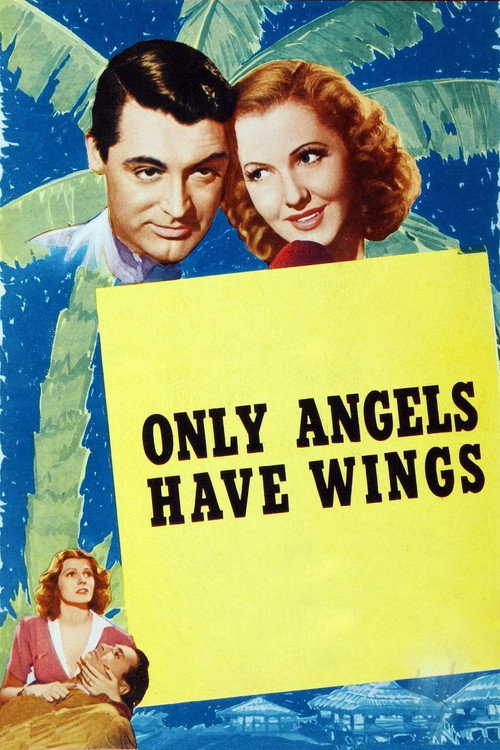
Only Angels Have Wings1939
Howard Hawks directs Cary Grant as a tough aviation boss in the South American tropics. It has the same weathered masculinity, the same test-your-mettle ethos, and the same romantic tension between duty and desire that defines Thunder Birds.
But It's slower than you'd expect, more interested in glances than action. The dialogue can feel stilted to modern ears, and the gender politics haven't aged well.
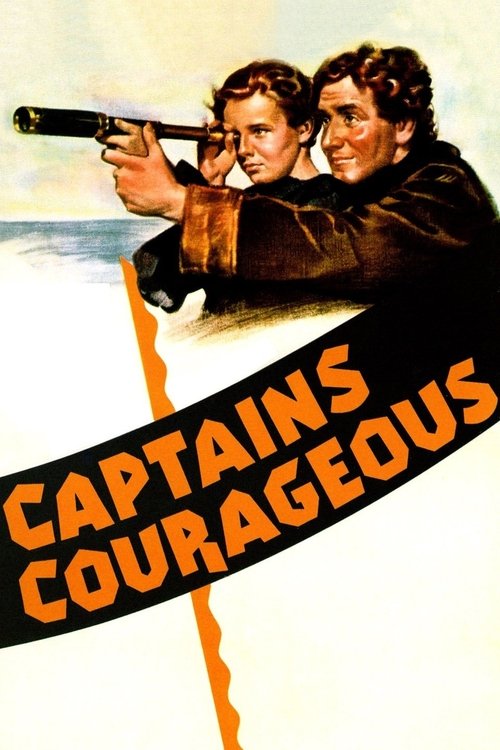
Captains Courageous1937
Spencer Tracy as a crusty sea captain who shapes up a spoiled boy. The same formula—hard man, soft interior, mentorship disguised as discipline—and the same quiet insistence that growth requires sacrifice and respect.
But It's relentlessly earnest and doesn't wink at its own sentimentality. Some viewers find that sincerity exhausting rather than moving.
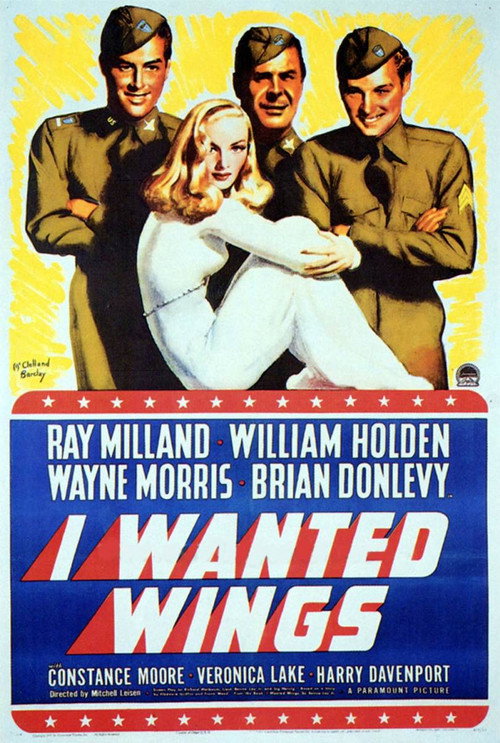
I Wanted Wings1941
A pilot drama from the same year about military training, camaraderie, and the women left waiting. It captures the specific anxiety of 1942—the sense that everyone is being tested and some won't return.
But The plot is predictable even for its era, and it leans hard on propaganda. Watching it feel like a recruitment film can undercut the emotional stakes.
Not sure tonight? Get a pick in a minute, starting from Thunder Birds
The wildcard
Something you would not have found on your own.
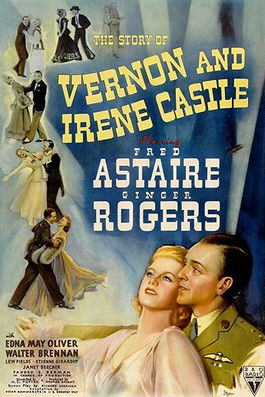
The Story of Vernon and Irene Castle1939
Both films center on a man who must surrender the woman he loves to duty, and both use that surrender as the final measure of his character. Here, dance carries what dialogue carries in Thunder Birds.
Astaire and Rogers as a real married dance team navigating World War I. Like Thunder Birds, it's about lovers separated by duty, but it's a musical—same theme, utterly different emotional language. The dancing becomes the ache.
But It's grief disguised as grace, which makes it deceptively heavy for something so elegant. If you watch it expecting lightness, the weight will feel like a betrayal.
More like this (8)
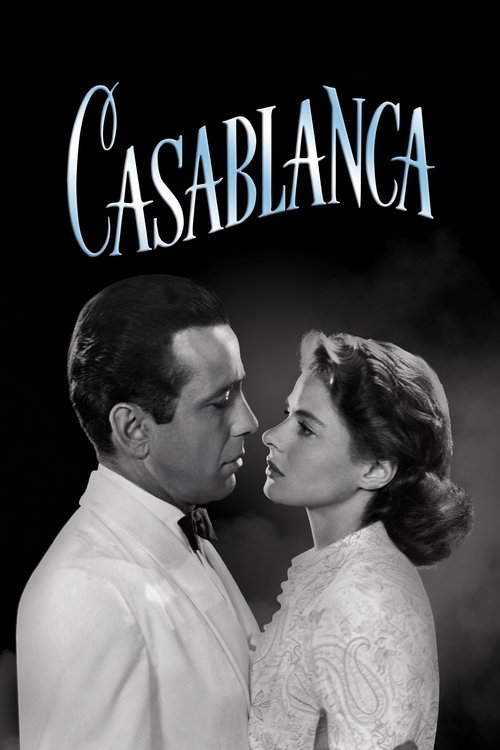
Casablanca1943
Released the same year, it shares Thunder Birds' central moral: the man who loves walks away. Bogart's famous final scene is the inverse of Britt's arc—both are about duty and self-erasure, just in different registers.
But It's so famous and so frequently quoted that watching it fresh is nearly impossible. The mythology can eclipse the film itself.
The Best Years of Our Lives1946
A three-hour post-war drama about pilots and soldiers finding their place again. It has the same unflinching look at what military service costs, and the same faith in quiet dignity as a form of courage.
But It's long and deliberately paced. The emotional weight is genuine but relentless—there's little relief or levity to balance the gravity.

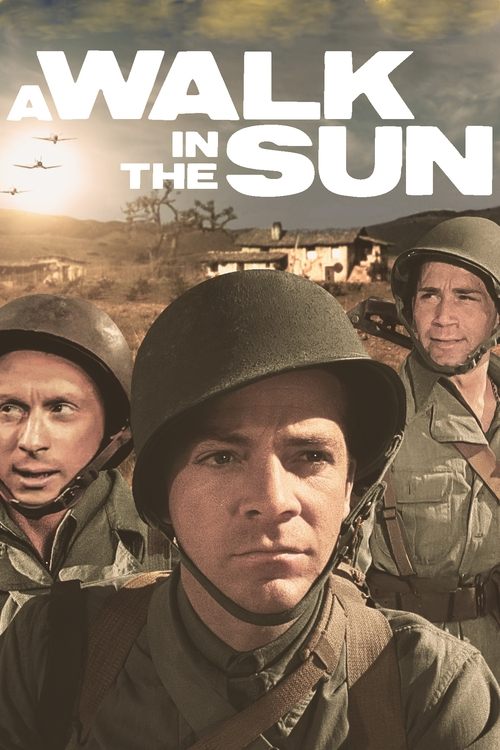
A Walk in the Sun1945
A single day on a military operation, following soldiers as they march toward an objective. It shares Thunder Birds' focus on the men training for war rather than the war itself, and the same meditative tone about duty.
But Nothing dramatic happens until the very end. If you want action or plot momentum, you'll be frustrated for most of the runtime.
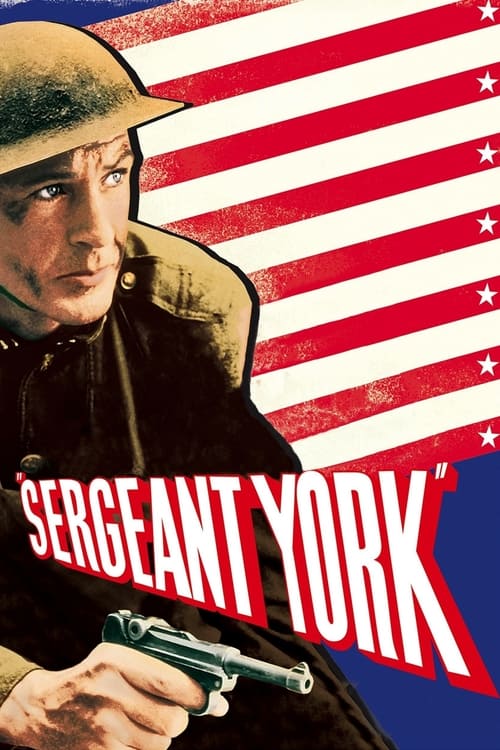
Sergeant York1941
Gary Cooper as a reluctant hero trained into greatness. It has the same arc as Britt—the skeptical mentor transformed by faith in his pupil—and the same belief that character can be shaped through discipline.
But It's biographical and propaganda-minded, which gives it a stiff quality. The inspirational tone wears thin if you're not already sympathetic to the message.
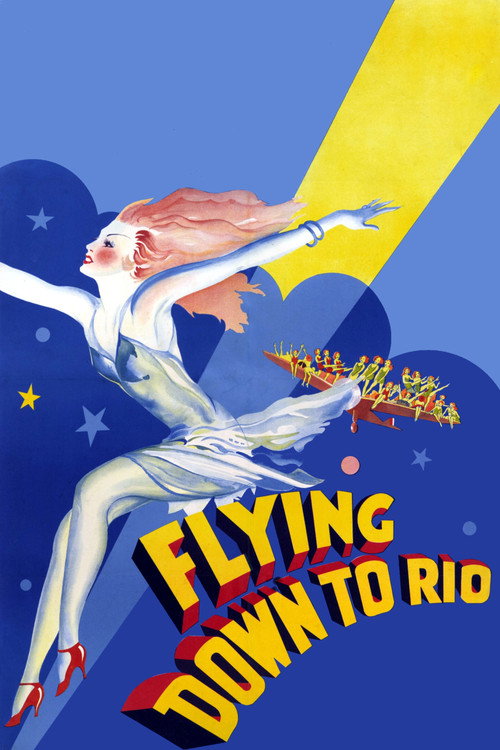
Flying Down to Rio1933
The first Astaire-Rogers picture, but what matters here is the flying sequences and the contrast between the seasoned pilot and the ingénue. It has the same romantic triangle and the same bittersweet acceptance of duty over passion.
But You watch it for the dancing, not the plot. The romantic subplot is genuinely thin, and if you're not charmed by early 1930s musicals, there's little else to grip you.
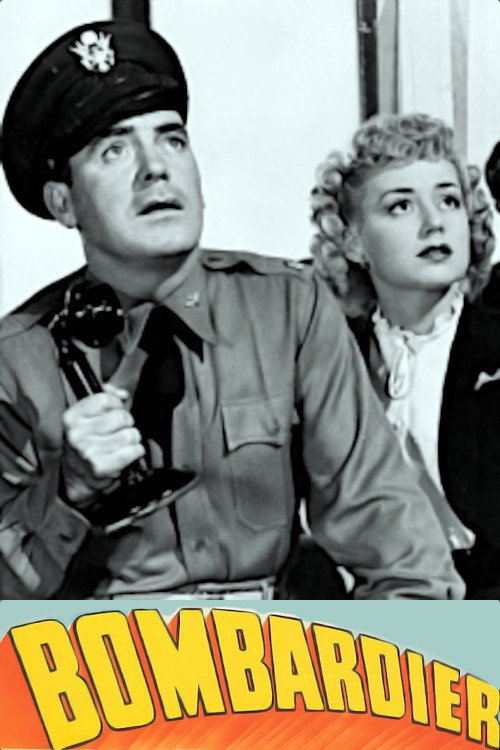
Bombardier1943
Another wartime training drama where personal stakes mirror military ones. It captures the same mood of young men being forged in the crucible of preparation, the same sense that the real battle is internal.
But It's earnest almost to the point of parody, and the training sequences outnumber any actual excitement. Patience is required in quantities most modern viewers won't provide.
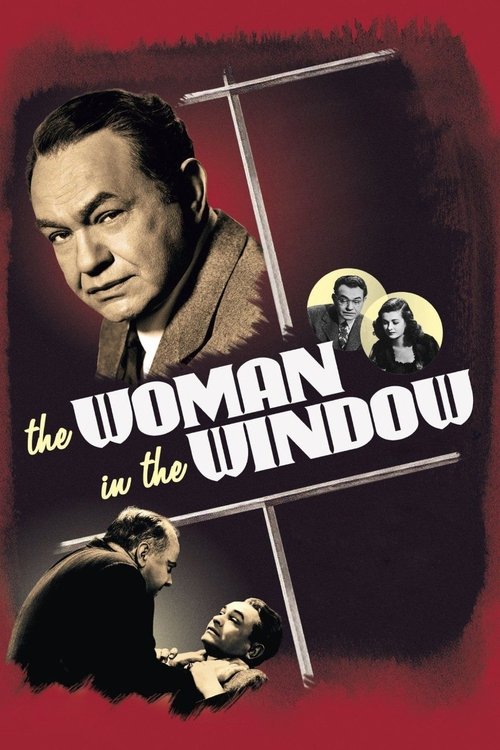
The Woman in the Window1944
Both explore what a man sacrifices for love and honor, but Lang asks if honor is just another word for emptiness, while Hawks believes restraint is nobility.
Fritz Lang's film noir about an ordinary man whose passions destroy everything. It reverses Thunder Birds' moral universe—instead of restraint saving you, indulgence and desire become the trap. Same tension, darker mirror.
But It's cynical where Thunder Birds is hopeful, and genuinely unsettling. The ending will feel like a betrayal if you came for wartime drama rather than existential dread.
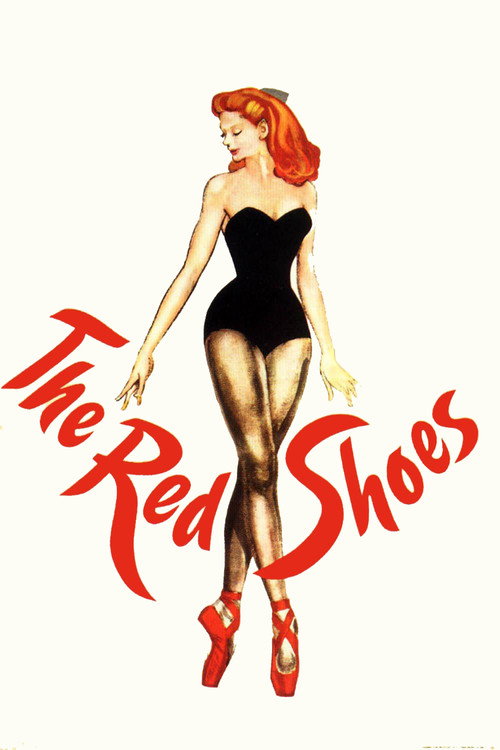
The Red Shoes1948
Both films argue that greatness requires sacrifice, but Thunder Birds accepts this quietly while The Red Shoes screams it through dance, color, and psychological dissolution. Watching both reveals how much a film's *form* shapes what its theme can mean.
Michael Powell's ravishing ballet film about a dancer who must choose between art and love. It's the same choice Britt makes, but rendered in color and movement rather than dialogue. The visual language makes the sacrifice physical and terrible and beautiful.
But It's not a narrative in the conventional sense—it's closer to a fever dream. The middle section is a 17-minute ballet that some find transcendent and others find interminable.
People
Cast
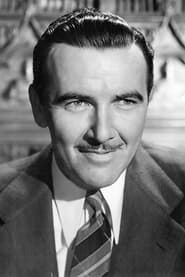 Preston FosterSteve Britt
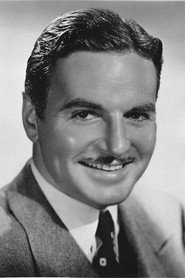 John SuttonPeter Stackhouse
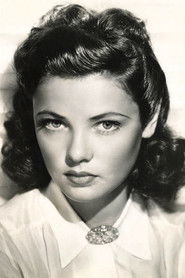 Gene TierneyKay Saunders
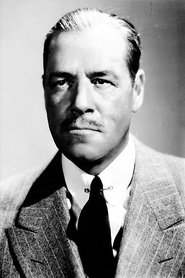 Jack HoltColonel MacDonald
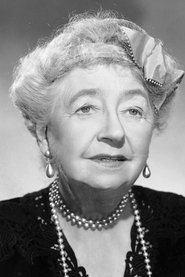 May WhittyLady Jane Stackhouse
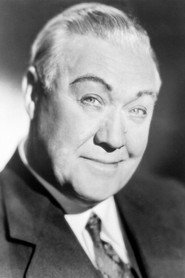 George BarbierCol. Cyrus P. 'Gramps' Saunders
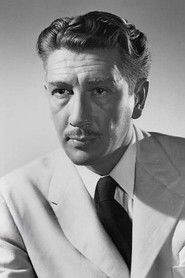 Richard HaydnGeorge Lockwood
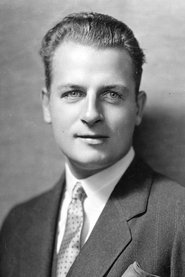 Reginald DennyBarrett
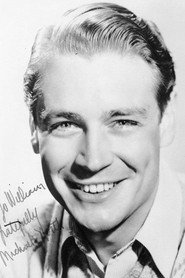 Ted NorthCadet Hackzell
 Janis CarterBlonde Red Cross Nurse Trainee
 C. Montague ShawDoctor
- Viola MooreNurse
Directing
- William A. WellmanDirector
Writing
- Lamar TrottiScreenplay
- Darryl F. ZanuckStory
Production
- Darryl F. ZanuckExecutive Producer
- Lamar TrottiProducer