
Film
Flirt
Hal Hartley's fractured love story plays the same romantic crisis three times—New York, Berlin, Tokyo—each with different characters and outcomes. It's formally inventive and emotionally austere, less interested in passion than in the awkward arithmetic of commitment. For viewers who prize structure over sentiment, or who want their romance served cool.
Should you watch it?
Watch it if you like a single dilemma examined three times over, watching the same knot of loyalty and longing play out in three cities and seeing how little the setting alters.
Skip it if you want momentum, since the repetition of one situation three times can feel more like an exercise than a story unfolding.
What it asks of you: Expect a brisk eighty-five minutes of quiet, talky conversation, with feelings left deliberately unsettled rather than neatly tidied up.
Not sure? Find tonight's pick in a minute.
If you liked this
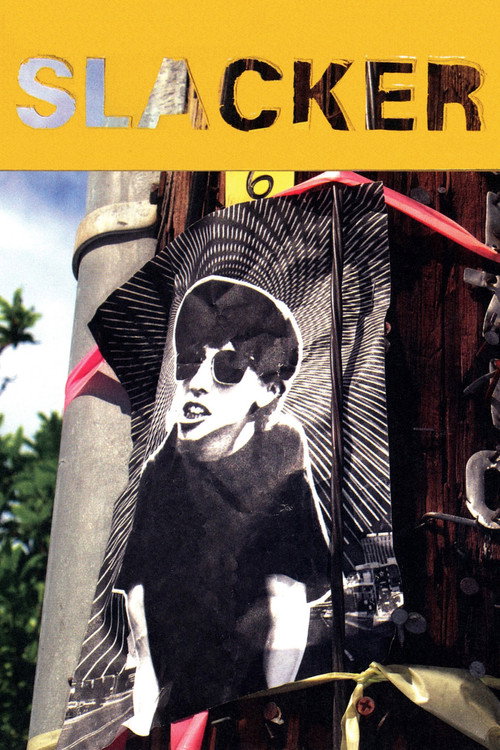
Slacker1990
Linklater's debut sprawls across Austin in interconnected vignettes, capturing the texture of indecision and drift. Like Flirt, it finds narrative architecture in everyday paralysis and intellectual stalling.
But Plotless and deliberately inert. Some find it precious; others find it actively resistive to engagement.
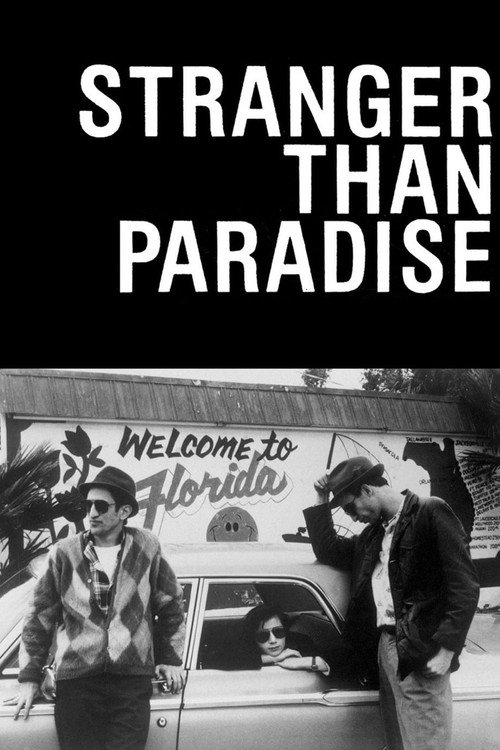
Stranger Than Paradise1984
Jarmusch's deadpan triptych follows the same characters across New York, Cleveland, and Florida. Formally austere, funny in its silences, and structured around repetition with variation—Hartley's method exactly.
But Nearly dialogue-free, shot in stark black-and-white. If you need plot momentum or emotional warmth, this will feel like watching paint dry in a warehouse.
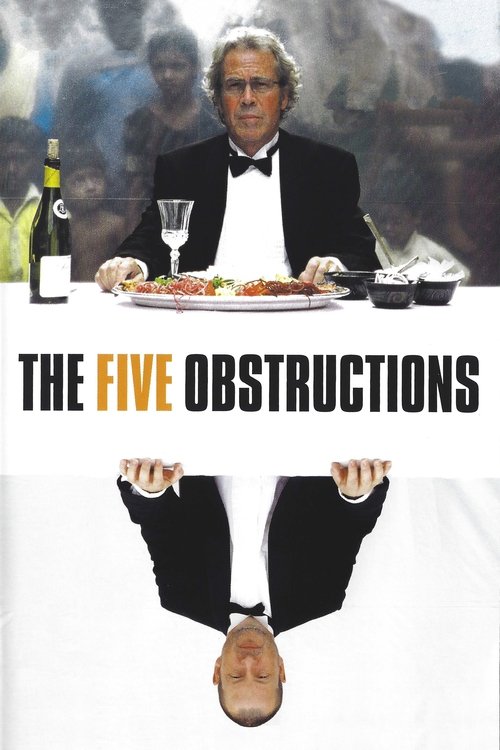
The Five Obstructions2003
Von Trier remakes the same short film five times, each under different constraints. It shares Flirt's fascination with how form reshapes emotion—how the rules change what we feel.
But Deliberately schematic and sometimes insufferably precious about its own cleverness. The gimmick can overshadow the human story.
Not sure tonight? Get a pick in a minute, starting from Flirt
The wildcard
Something you would not have found on your own.
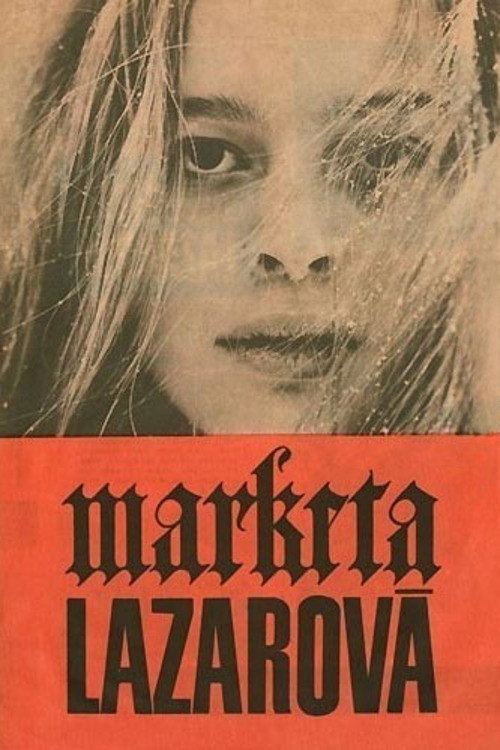
Marketa Lazarová1967
Both use structural repetition and formal constraint to explore the same emotional problem from different angles—how we choose between versions of ourselves.
Vlácil's Czech masterpiece follows multiple lovers in medieval Bohemia through repeated encounters and moral crucibles. Like Flirt, it uses formal symmetry and repetition to examine commitment and betrayal, but renders it in myth and landscape rather than contemporary minimalism.
But A four-hour black-and-white Czech film from the 1960s with sparse English subtitles. The pacing is monumental; it demands patience and surrender.
More like this (8)
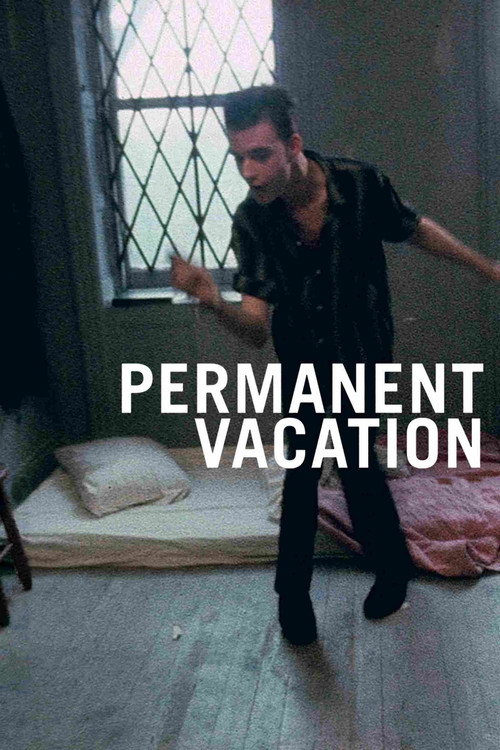
Permanent Vacation1981
Jarmusch's earlier film follows a young man drifting through New York in vignettes. Spare, melancholic, and preoccupied with the small moments where connection almost happens but doesn't.
But Extremely slow and structurally shapeless. It accumulates mood rather than momentum, which some experience as tedium.
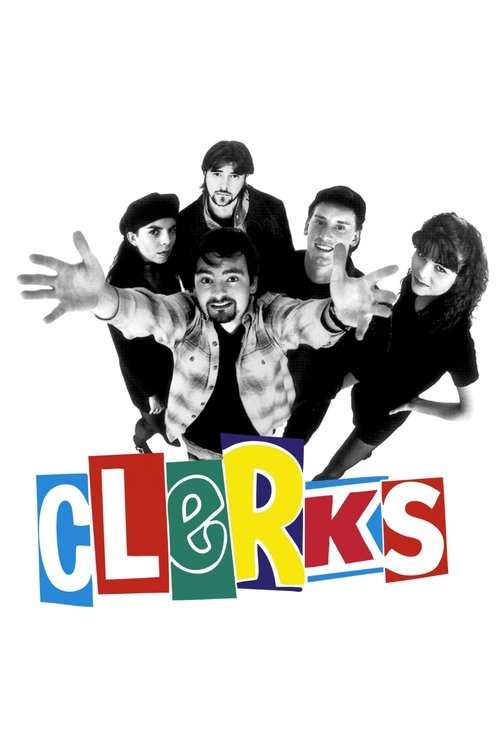
Clerks1994
Kevin Smith's debut is set in a single location but organized around philosophical digressions and repeated conversational patterns. Like Flirt, it's about people stuck between choices, rendered through talk and hesitation.
But Shot in black-and-white on a tiny budget, sometimes clumsy. The dialogue can feel more clever than character-driven.
In the Mood for Love2000
Wong Kar-wai's chamber piece about two neighbors discovering their partners' affair unfolds with formal precision and color-saturated melancholy. A meditation on proximity and restraint that mirrors Hartley's cool affect.
But Extremely slow and mannered. Every frame is composed like a painting; plot barely moves. If you need plot, this will frustrate you.

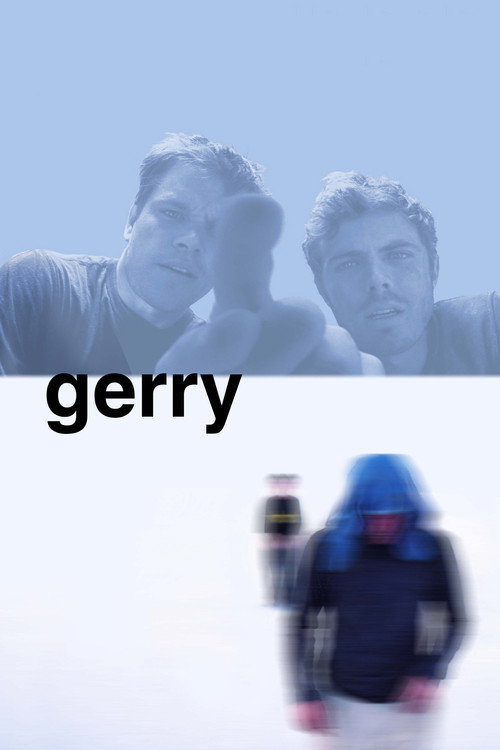
Gerry2002
Gus Van Sant follows two men hiking, repeating similar scenes with tiny variations. Philosophical and austere, it shares Hartley's belief that repetition and constraint can reveal emotional truth.
But Almost dialogue-free and glacially paced. Many find it pretentious or unwatchable rather than illuminating.
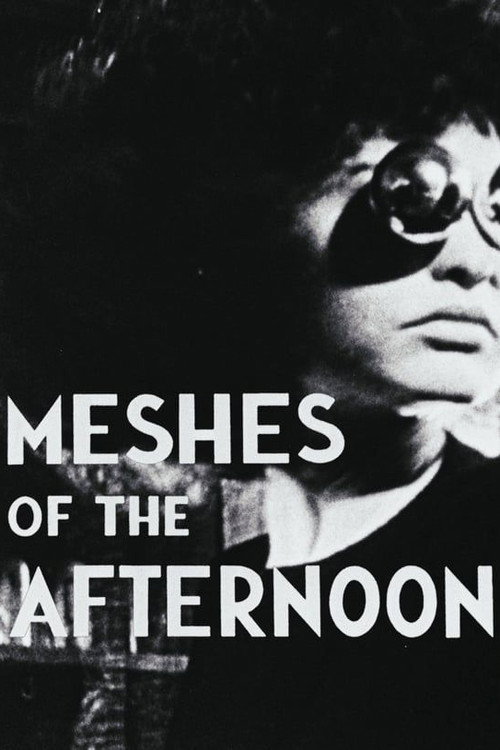
Meshes of the Afternoon1943
Maya Deren's experimental short reimagines the same domestic scene multiple times, each with subtle shifts. Structured variation as a way to unlock the dreamlike logic beneath everyday life.
But A short experimental film from the 1940s—avant-garde, abstract, and puzzling rather than narrative. This is cinema as interrogation, not comfort.
The Seventh Seal1957
Bergman's medieval knight plays chess with Death while pilgrims and performers circle around him. Formally composed and preoccupied with choice under pressure—the philosophical weight behind Hartley's symmetry.
But Glacially slow and heavily symbolic. Its seriousness can feel ponderous, and the symbolism sometimes overwhelms the human drama.

A Ghost Story2017
Both are formally austere studies of commitment and departure, but where Flirt multiplies its perspective, A Ghost Story collapses into one fixed, helpless viewpoint.
Lowery's haunting meditation on time and attachment follows a man as a ghost watching his widow leave their house. Unlike Flirt's cool fragmentation, this is an aching single perspective, but both interrogate the moment when love becomes a choice to stay or go.
But Minimalist and mournful to the point of abstraction. If you want plot or conventional narrative satisfaction, this will feel like watching grief in slow motion without resolution.

Come and See1985
Both use formal structure—repetition, variation, constraint—to move beyond sentiment into something harder: the recognition that we cannot escape the weight of our choices, however we frame them.
Elem Klimov's Belarusian masterpiece follows a young partisan through escalating atrocity. A radically different register from Flirt, but both are constructed around the idea that repetition and variation can shatter how we understand choice—except here, the choice is moral and existential rather than romantic.
But One of cinema's most brutal and unsparing films. It documents wartime atrocity with unflinching clarity. This is not entertainment; it is an ordeal.

People
Cast
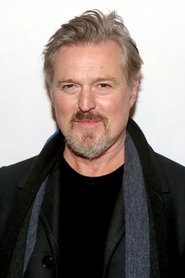 Bill SageBill
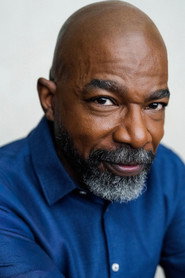 King Mustafa ObafemiDwight
 Miho NikaidoMiho
 Parker PoseyEmily
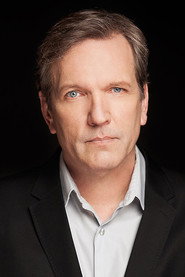 Martin DonovanWalter
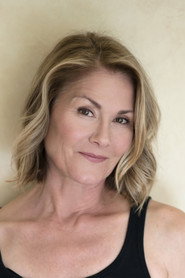 Karen SillasDr. Clint
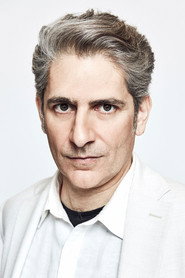 Michael ImperioliMichael
 Maria SchraderWoman at Bar
 Peter FitzDoctor
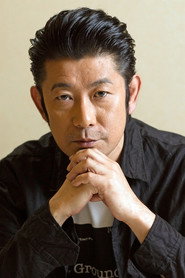 Masatoshi NagaseHal's assistant
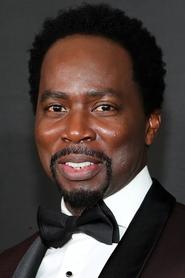 Harold PerrineauMen's Room Man #1
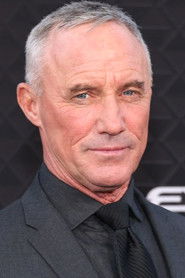 Robert John BurkeMen's Room Man #2
Directing
- Michael BaskettAssistant Director
- Hal HartleyDirector
- Hans SchönherrFirst Assistant Director
- Isao YukisadaFirst Assistant Director
- Steve ApicellaFirst Assistant Director
- Mary-Jane AprilSecond Assistant Director
Writing
- Hal HartleyWriter
Production
- Carleen L. HsuAssociate Producer
- Hisami KuroiwaAssociate Producer
- Billy HopkinsCasting Director
- Jerome BrownsteinExecutive Producer
- Reinhard BrundigExecutive Producer
- Satoru IsekiExecutive Producer
- Martin HagemannLine Producer
- Ted HopeProducer