
Film
The Green Room
- Drama
- Slow-burning
Truffaut's final film is a chamber piece about grief that refuses easy catharsis. A widower obsessively preserves his wife's memory in a makeshift shrine while the world moves on. Quietly devastating, formally austere, and deeply human—it's cinema as meditation on loss, not spectacle.
Should you watch it?
Watch it if you find yourself drawn to quiet, meditative character studies where grief is handled with patience, a fixation on ritual and objects, and images that linger rather than explain themselves.
Skip it if you want momentum and plot; very little happens at a deliberate pace, and its solemn, inward mood can feel airless if you need the world to intrude.
What it asks of you: Settle in for an unhurried ninety-five minutes, with lingering shots and close attention to small gestures; it asks you to sit with mourning rather than be carried through it.
Not sure? Find tonight's pick in a minute.
If you liked this
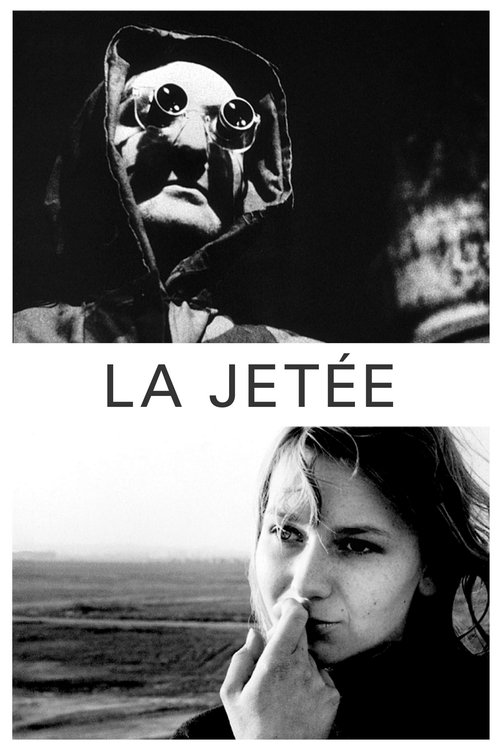
La Jetée1962
Chris Marker's 28-minute masterpiece about memory, time, and the images we cling to. Like The Green Room, it transforms personal obsession into universal ache through formal invention and restraint.
But It's almost entirely still photographs with voiceover. If you need plot momentum or conventional narrative, this will feel glacial.
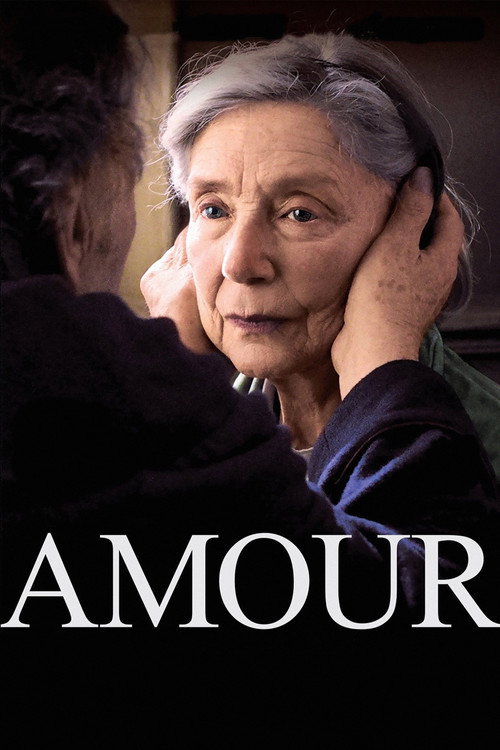
Amour2012
Haneke's unflinching look at an elderly couple facing mortality. Both films refuse sentiment while being deeply moved by devotion. The same question: what does it mean to hold on?
But It's almost unbearably sad and deliberately unseductive. Haneke doesn't soften anything for you.
The Seventh Seal1957
Bergman's meditation on death and meaning, where characters argue with mortality itself. Shares Truffaut's interest in how we construct meaning against emptiness, though with more existential philosophy.
But The religious imagery and intellectual density can feel dated. It's a very 1950s European art film about Ideas.

Not sure tonight? Get a pick in a minute, starting from The Green Room
The wildcard
Something you would not have found on your own.
Ikiru1952
Both films treat the construction of meaning as a desperate, sacred act—one looking backward, one looking forward, but both refusing false comfort.
Kurosawa's masterpiece about a dying bureaucrat who finally begins to live. It's the inverse of Truffaut's film—instead of preserving the past, Watanabe tries to build meaning into the future. Both understand that meaning-making is the only answer to emptiness.
But It's three hours and almost entirely interior. The second half abandons plot for pure emotional archaeology. Some find it grinding rather than moving.

More like this (7)
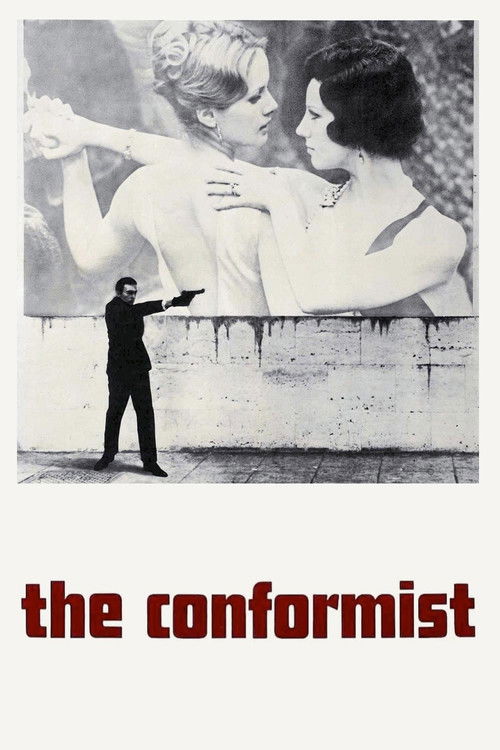
The Conformist1971
Bertolucci tracks a man building an identity through obsession and ritual. Like Truffaut here, it's interested in how private compulsion reveals public darkness.
But The narrative is fractured and symbolic. You need to sit with ambiguity rather than follow a clear line.
A Ghost Story2017
A widowed ghost haunts the house where his wife remains. Transforms grief into science fiction. Both films know that loss doesn't resolve—it just changes shape.
But The pacing is glacial and deliberately frustrating. The white sheet costume is genuinely strange in ways that won't work for everyone.

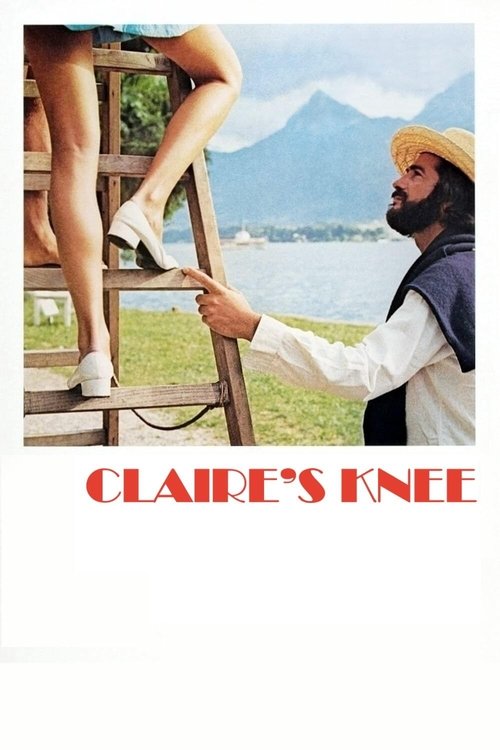
Claire's Knee1970
Rohmer observes a man becoming obsessed with a girl's knee over a summer. Both are studies in how objects and rituals stand in for feeling we can't express.
But Nothing happens. The entire film is conversation and notation of small gestures. Pure cinema of thought.
Stalker1979
Tarkovsky's pilgrimage through a zone that grants wishes. Like Truffaut's chapel, it's about sacred spaces, desire, and whether reaching what we want matters more than the reaching.
But It's slow, philosophical, and 163 minutes long. The science-fiction premise is barely science fiction. Patience is mandatory.

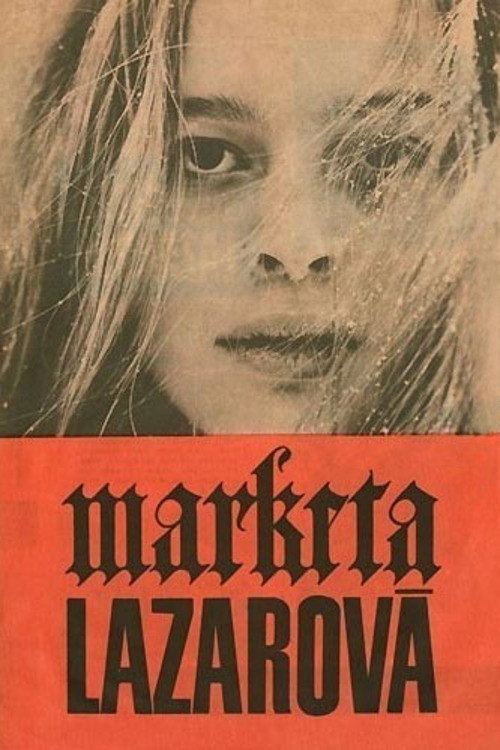
Marketa Lazarová1967
Vlácil's brutal medieval epic about obsession and memory. The cinematography is stunning. Both films understand that devotion can consume you—whether to a person or an idea.
But It's visually dense, narratively complex, and very bleak. Subtitled. Not welcoming.
The Holy Mountain1973
Jodorowsky's surreal spiritual quest. Like The Green Room, it's a meditation on sacred spaces and the rituals we build to touch something eternal, though far more abstract and transgressive.
But It's bizarre, sexually explicit, and genuinely disturbing. The plot is negligible. You have to surrender to pure images.

Synecdoche, New York2008
Both films track a man constructing a private world as a response to mortality and loss. One is austere; one is cluttered. Both understand the impulse, and both question whether it saves or destroys.
Kaufman's fever dream about a theater director building a replica of New York inside a warehouse—a shrine to life itself. It's maximalist where Truffaut is minimal, but both explore how art becomes a substitute for living, how obsession hollows us out.
But It's baroque, self-pitying, and deeply weird. The narrative collapses intentionally. Divisive—many find it insufferable.

People
Cast
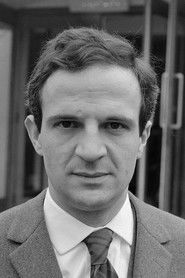 François TruffautJulien Davenne
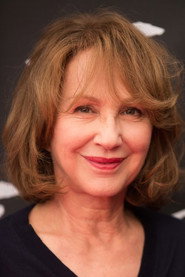 Nathalie BayeCecilia Mandel
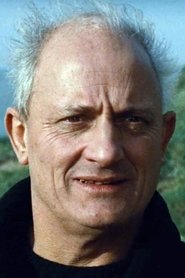 Jean DastéBernard Humbert
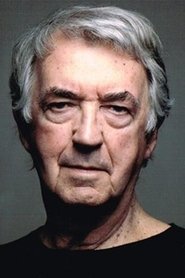 Jean-Pierre MoulinGerard Mazet
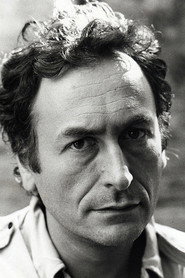 Antoine VitezBishop's Secretary
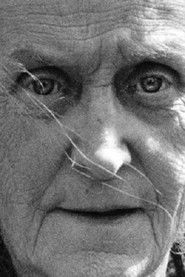 Jeanne LobreMrs. Rambaud
- Annie MillerGeneviève Mazet
- Marie-Jaoul de PonchevilleYvonne Mazet
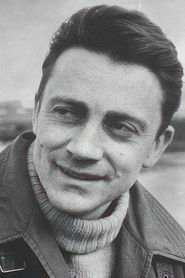 Serge RousseauPaul Massigny
- Jean-Pierre DucosPriest in the Mortuary Room
- Monique DuryMonique
- Nathan MillerGenevieve Mazet's Son
Directing
- Suzanne SchiffmanAssistant Director
- François TruffautDirector
- Suzanne SchiffmanFirst Assistant Director
- Christine PelléScript Supervisor
- Emmanuel ClotSecond Assistant Director
Writing
- Henry JamesNovel
- François TruffautScreenplay
- Jean GruaultScreenplay
- Jean-Pierre MoulinWriter
Production
- François TruffautProducer
- Marcel BerbertProduction Manager
- Roland ThénotProduction Manager
- Josiane CouëdelProduction Secretary
- Geneviève LefebvreUnit Manager