
Film
Blue
- Musical
- Very dark
- Strange
- Slow-burning
Derek Jarman's final film is a radical act of mourning: eighty minutes of unwavering blue while voices, music, and ambient sound build an intimate portrait of illness, memory, and defiance. No images, only sound and color. It's meditative, intimate, sometimes unbearably sad, sometimes funny. For those willing to sit with it.
Should you watch it?
Watch it if you are drawn to films that trade images for language, and want to sit with a poet's meditation on illness, colour and memory rather than follow a plot unfolding.
Skip it if you need pictures to carry you, because for its whole running time there is nothing to look at but one flat colour, and that can feel punishing rather than meditative.
What it asks of you: Seventy-nine minutes of listening, mostly against a single unchanging colour, so it plays less like a film than a long stretch of close listening to voices and sound.
Not sure? Find tonight's pick in a minute.
If you liked this
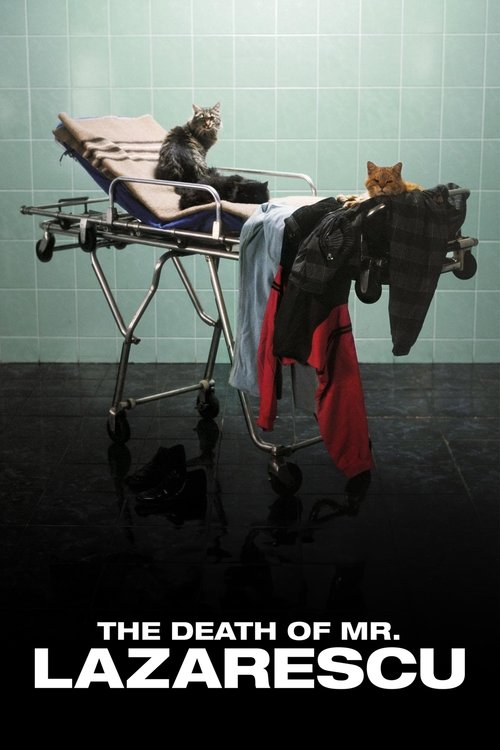
The Death of Mr. Lazarescu2005
A four-hour Romanian film about a dying man's last night alive, shot with aching naturalism. It honors the mundane indignities of illness without sentimentality or rush, moving at the speed of actual suffering.
But It is very long, very bleak, and gives you no catharsis—only clarity about what dying can be. Not for when you want comfort.
Sans Soleil1983
Chris Marker's essay-film builds a visual and sonic collage about memory, time, and loss. Like Blue, it trusts you to sit with fragmentation and find meaning in the spaces between.
But It's digressive, philosophical, and refuses narrative explanation. You have to surrender to its logic rather than follow it.

Stalker1979
Tarkovsky's meditative masterpiece moves at a speed that feels defiant in itself. Long takes, minimal dialogue, a protagonist searching for something ineffable—it's about the interior life cinema can reach.
But At 163 minutes, it demands patience that many viewers simply don't have. Not a film you half-watch.

Not sure tonight? Get a pick in a minute, starting from Blue
The wildcard
Something you would not have found on your own.
Requiem for a Dream2000
Both are uncompromising portraits of the body betraying the self. Both refuse to look away. Both find a strange beauty in suffering.
Darren Aronofsky's chamber piece about four addictions spiraling toward oblivion. It sounds like a warning film; instead it's compassionate and rhythmic, structured like a symphony of decline. Unrelenting but never cruel.
But It's deeply upsetting—sustained dread with no relief. The editing is aggressive and deliberately disorienting. It can feel like a punishment for watching.

More like this (7)
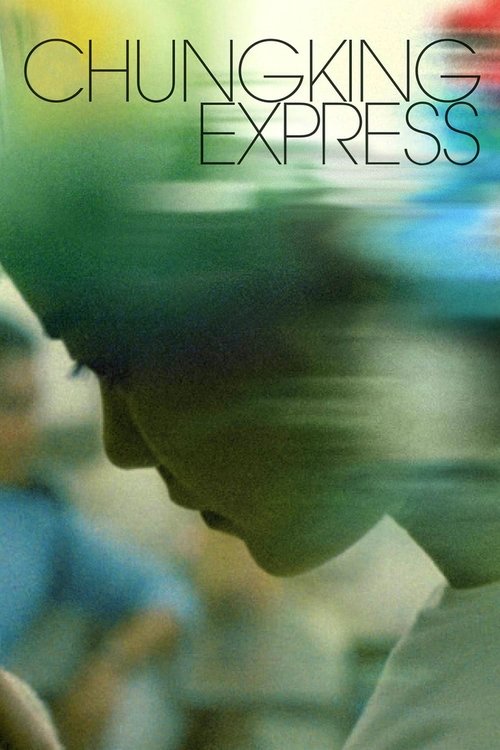
Chungking Express1994
Wong Kar-wai's kaleidoscopic love story is pure cinema—drenched in color and feeling, fragmentary, shot through with loneliness and the possibility of connection in a teeming city.
But Its style can feel overwrought, all surface and no substance. If you can't surrender to image and mood over plot, you'll find it exhausting.
Synecdoche, New York2008
Kaufman's maze of a film is about art as a way of processing mortality and self-erasure. Chaotic, ambitious, sometimes brilliant—a director reckoning with what he makes and why.
But It's deliberately muddled and can feel self-absorbed. You may spend the final act frustrated rather than moved.

Under the Skin2014
Jonathan Glazel strips science fiction down to silence and abstraction. It's hypnotic, uncanny, and trusts the viewer to complete meaning. Scarlett Johansson becomes almost sculptural—depersonalized into something alien.
But It's opaque to the point of opacity. Very little happens that can be called plot, and if ambiguity feels pretentious to you, this will feel pretentious.

The Turin Horse2011
Béla Tarr's final film is a black-and-white descent into entropy and silence. It feels like cinema at the end of the world, photographed with such beauty that even collapse becomes transcendent.
But It's relentlessly dark and unsparing. There are no moments of relief, comfort, or hope. It's deliberately exhausting.

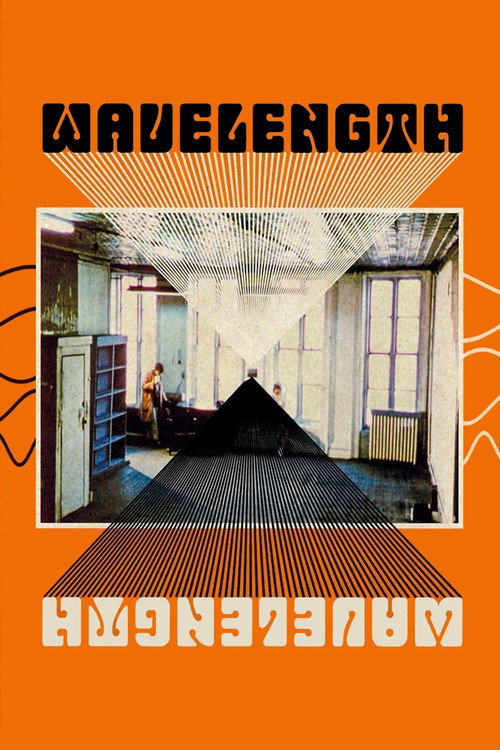
Wavelength1967
Forty-five minutes of a camera slowly zooming toward a photograph on a wall. It sounds impossible. It's actually a profound meditation on cinema itself—time, image, the limits of representation.
But Literally almost nothing happens. If you need incident or narrative momentum, this will feel like an endurance test rather than art.
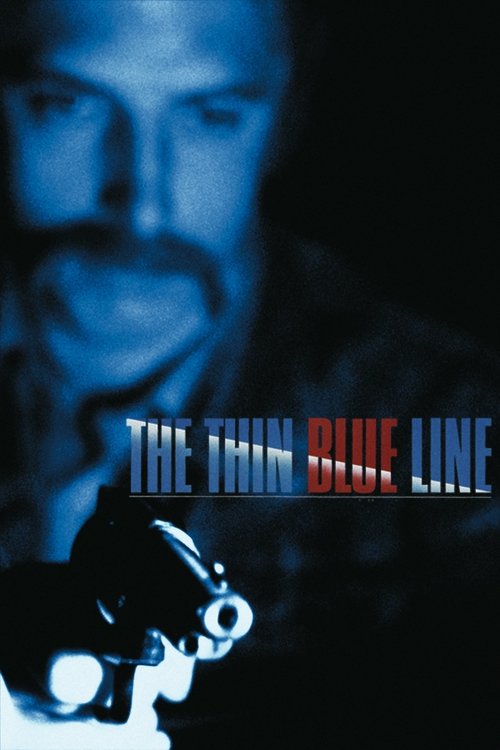
The Thin Blue Line1988
Both films use formal innovation—abstraction, refusal of traditional narrative—to convey interior states and moral questions that conventional storytelling can't reach. Both trust you to think.
Errol Morris's documentary about a wrongful conviction is constructed like a mystery film: elegant, shaped, scored. It moves between interviews, reenactments, and abstraction. A film that fundamentally changed documentary form.
But It's a true-crime story that demands you engage with legal and moral complexity. If you want simple villainy and clear justice, you won't find it.
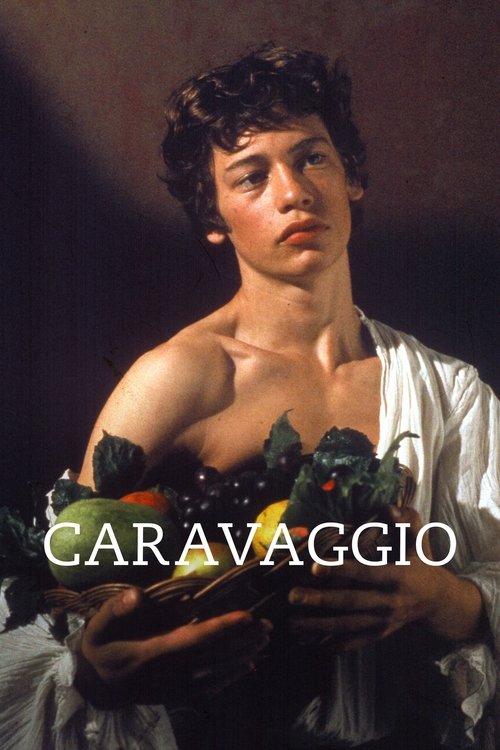
Caravaggio1986
Jarman directing Jarman: this is the same artistic obsession in a different frame. Watching it after Blue shows the journey of an artist toward silence.
Derek Jarman's own 1986 film about the Renaissance painter: intimate, sensual, anarchic. A queer artist making a film about another queer artist wrestling with faith, desire, mortality, and the body. A prophecy of Blue, shot differently.
But It's visually overwrought and deliberately trashy in places, with theatrical acting that clashes with the austere story. It doesn't cohere in conventional ways.
People
Cast
 Derek Jarman(voice)
 Nigel Terry(voice)
 Tilda Swinton(voice)
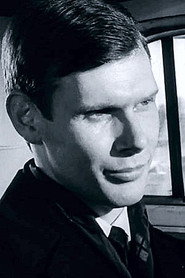 John Quentin(voice)
Directing
- Derek JarmanDirector
Writing
- Derek JarmanWriter
Production
- David LewisAssociate Producer
- James MackayProducer
- Takashi AsaiProducer