
Film
The Photographer
- Slow-burning
A 1948 documentary portrait of photographer Edward Weston in his habitat: home, studio, landscape. Twenty-six luminous minutes watching a master work, teach, and think. Shot with the clarity Weston brought to his own craft, it's less biography than a chance to sit with genius at its most ordinary—watching hands adjust a camera, listening to philosophy emerge mid-sentence. For anyone who cares about seeing, or making things.
If you liked this
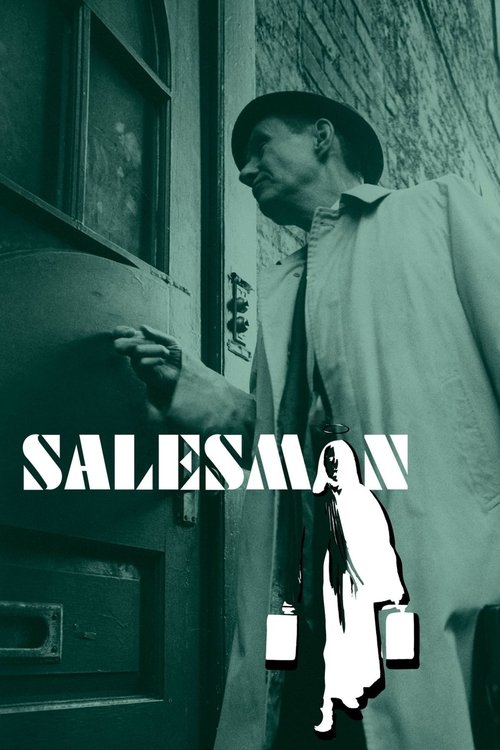
Salesman1969
The Maysles brothers' documentary about door-to-door Bible sellers has the same patient anthropology as Weston—watching people work, speak, fail, persist. Unvarnished human texture rendered as art.
But Nearly three hours. The pace is glacial by design, and nothing 'happens' in a conventional sense. Deeply uncomfortable at times.
Memories of Murder2003
Bong Joon-ho's crime film has the visual precision and compositional obsession that connects to Weston's photographic eye—every frame considered, nothing wasted. Beauty extracted from dark material.
But A serial killer investigation set in 1980s South Korea. Bleak, sometimes brutal. The ending may frustrate rather than resolve.

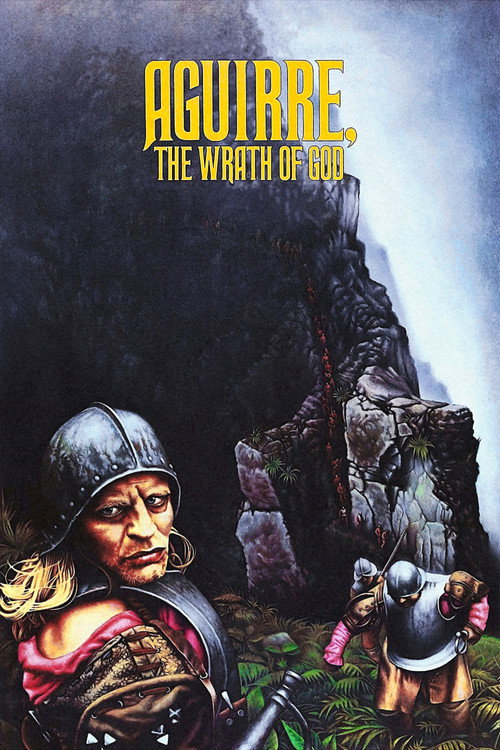
Aguirre, the Wrath of God1972
Herzog's film moves with the same meditative intensity as watching Weston work. Landscape becomes character. Obsession, craft, and the price of vision are its real subjects, shot with hypnotic control.
But Experimental structure and pacing. Dialogue is sparse and philosophy-heavy. The 'action' is mostly marching through jungle.
Not sure tonight? Get a pick in a minute, starting from The Photographer
The wildcard
Something you would not have found on your own.
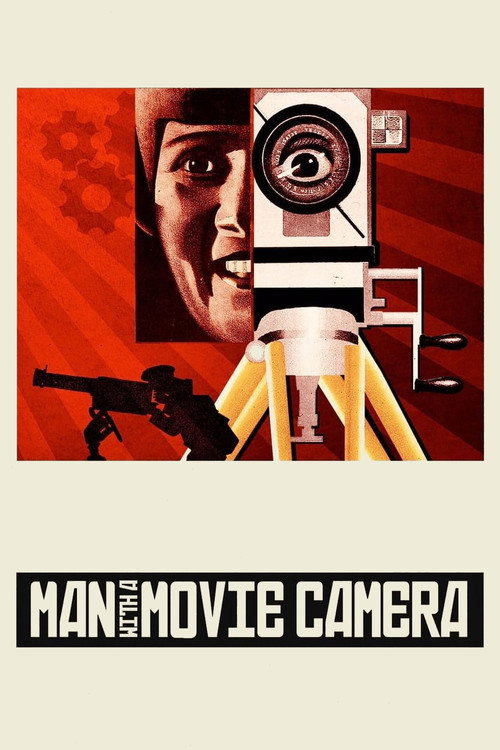
Man with a Movie Camera1929
Both films make the act of seeing itself the subject. Vertov celebrates the camera as liberator of vision; Weston celebrates the eye trained by craft. Both are love letters to perception.
Dziga Vertov's Soviet avant-garde film is photography's cousin—a city filmed with obsessive compositional precision, celebrating the camera's eye as both tool and subject. Silent, rhythmic, formally exhilarating. It's what Weston would make if he worked in motion.
But Made nearly 20 years before The Photographer; no sync sound or traditional narrative. The montage is rapid and vertiginous, sometimes overwhelming. Soviet agitprop undercurrent.
More like this (8)
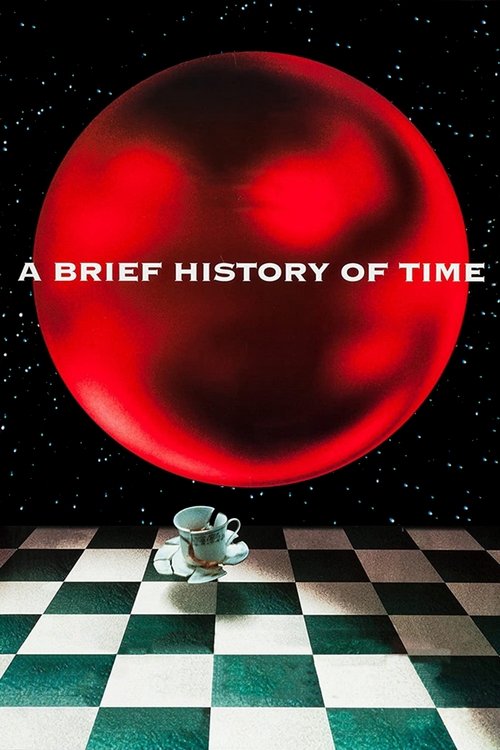
A Brief History of Time1991
Errol Morris bringing Stephen Hawking to the screen with the same formal rigor Weston brought to pepper or shells—making the invisible visible, treating ideas as subjects worthy of visual poetry.
But Dense theoretical physics presented without dramatization. Long, static takes of a man in a wheelchair. You won't leave understanding black holes.
Sans Soleil1983
Marker's essay-film is photography in motion: composed, digressive, built from still images and observation. It shares Weston's belief that looking carefully is a form of philosophy.
But Experimental, nonlinear, deliberately resistant to narrative. A dense voiceover in translation. Demands active, patient attention.

The Act of Killing2012
A documentary that treats form as crucial as content—Joshua Oppenheimer directs perpetrators of genocide to recreate their crimes, exploring how image-making constructs reality. Formally innovative and historically vital.
But Deeply disturbing content. Crimes against humanity depicted through reenactment and spectacle. Some find the formal experimentation ethically queasy.

Stalker1979
Tarkovsky's science-fiction film is an object lesson in patient visual composition—every shot considered, space and time as material. It's less plot than a meditation on desire and seeing.
But Dialogue-heavy and slow to the point of stillness. Metaphysical rather than narrative. Nearly three hours of a man walking through a room.

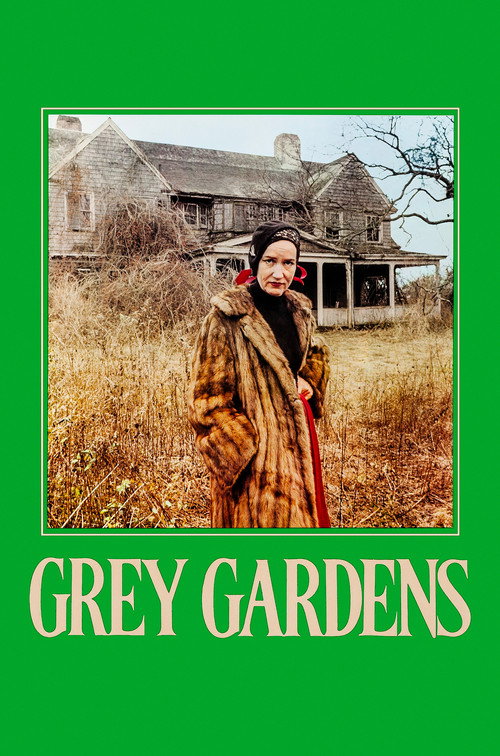
Grey Gardens1976
The Maysles' portrait of two women in a decaying mansion is acute observation rendered as dark comedy—unflinching, intimate, formally composed. Documentary as character study at its finest.
But Deeply sad. The subjects are mentally unwell and living in squalor. It feels like exploitation in moments, and that discomfort is partly the point.
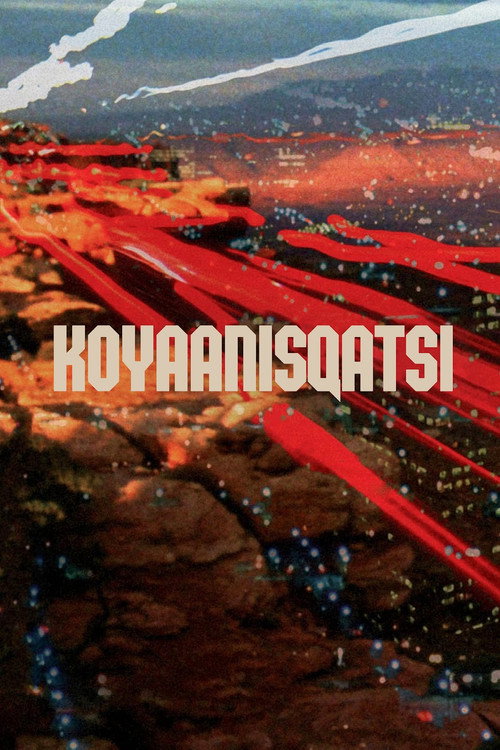
Koyaanisqatsi1983
A visual essay about modern life composed entirely of time-lapse and slow-motion photography—Weston's obsession with form extended into cinema, rhythmic and hypnotic rather than narrative.
But No dialogue, plot, or character. Purely abstract and sensory. Some find it pretentious or merely a vehicle for Philip Glass's score.
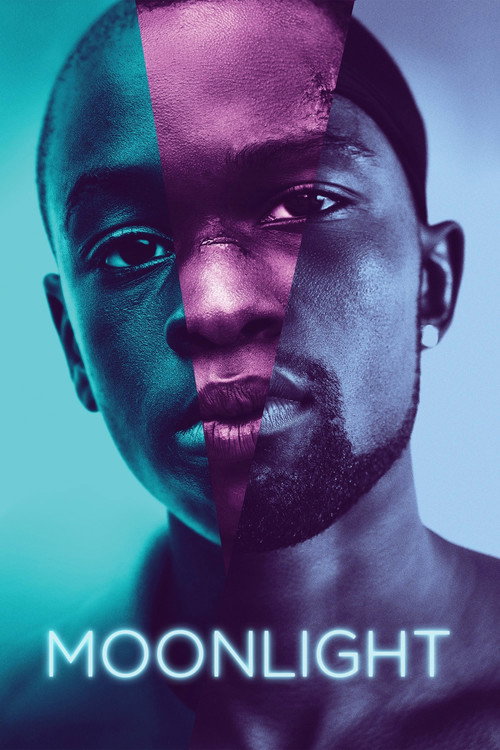
Moonlight2016
Both trust the power of a single composed image to convey feeling. Jenkins' frames are photographs held in time. Like Weston, he knows that restraint and precision can be more moving than exposition.
Barry Jenkins' three-act meditation on a Black man's life unfolds in composed, painterly tableaux—quiet scenes of intimacy and beauty that feel composed like photographs. Tactile, sensual, formally restrained. A film that photographs light the way Weston photographed form.
But Deliberately paced, minimal dialogue. Masculinity and sexuality treated with philosophical gentleness rather than drama. The narrative is sparse and fragmented.
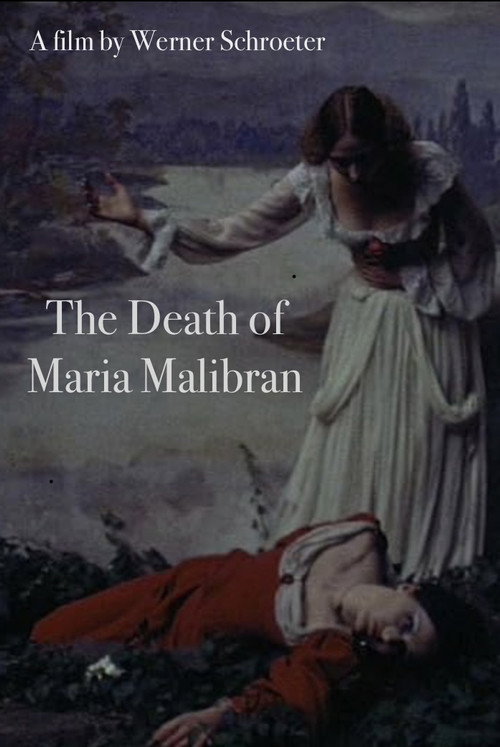
The Death of Maria Malibran1972
A film that asks: what happens when you move a photograph? Schroeter takes the static image Weston perfected and asks it to sing. Both treat the single image as a complete world.
Werner Schroeter's experimental short is a film made from still photographs, dissolving and moving across them—pure cinema built from the photographic image. Operatic, strange, visually ravishing. A direct conversation between photography and film.
But Ten minutes of avant-garde cinema. No plot, no conventional sense. Based on the historical opera singer but the connection is abstract. Will feel hermetic or inaccessible to most viewers.
People
Cast
- Edward WestonSelf
- Mel BrandtNarrator
Directing
- Willard Van DykeDirector
Writing
- Irving JacobyWriter