
Film
Three Ages
- Slapstick
- Romantic comedy
- Light-hearted
Buster Keaton's audacious 1923 comedy runs the same love triangle through three eras—Stone Age, Ancient Rome, and the Jazz Age—to mine laughs from how human nature stays constant while everything else transforms. It's playful, ingenious visual storytelling that treats each period as a playground for increasingly elaborate gags. A love letter to cinema's physical comedy and proof that great ideas can be executed at feature length without padding.
If you liked this
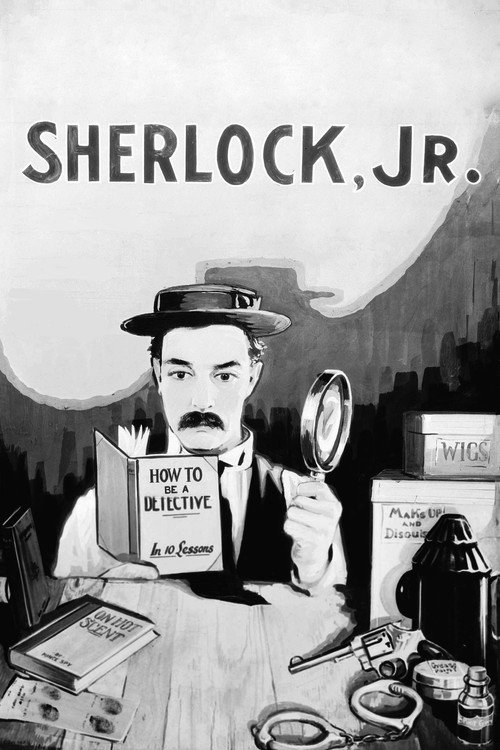
Sherlock Jr.1924
Keaton's masterpiece of illusion and danger: a projectionist dreams himself into a film and the laws of physics become negotiable. The most inventive use of cinema's tricks in the silent era, and genuinely breathtaking.
But At 45 minutes it moves fast and relies entirely on visual gags—there's nothing to grab onto emotionally if that's what you need from a film.
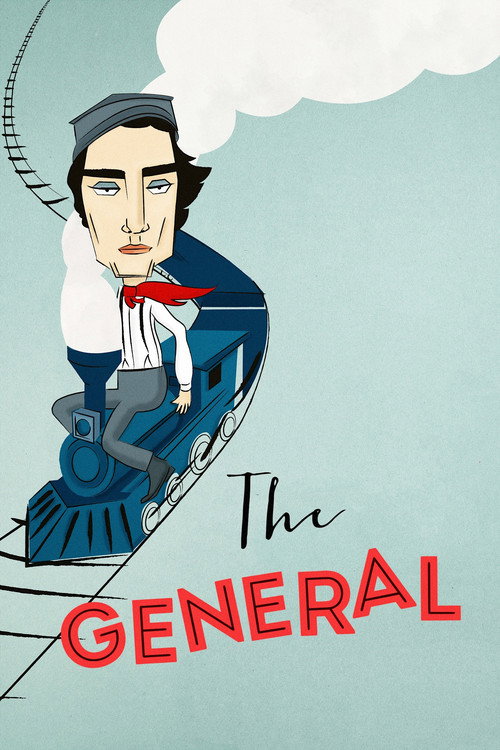
The General1926
Keaton at his most ambitious: a feature-length chase across the Civil War using a real train as both practical effect and character. Simultaneously hilarious and staggering in its scope and execution.
But The period setting and the long stretches of pure action might feel glacial if you're used to modern pacing or comedies that prioritize jokes over commitment to the bit.
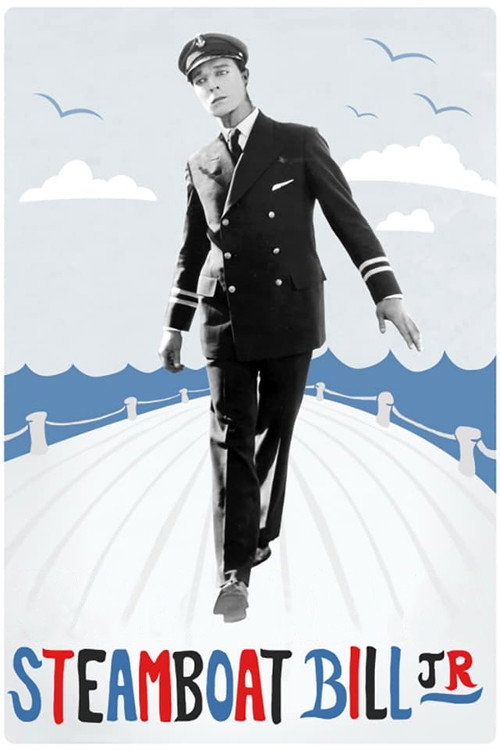
Steamboat Bill, Jr.1928
A flood sequence that still holds the power to astound: Keaton performs genuinely dangerous stunts with a deadpan face while buildings collapse around him. Comedy as proof of human nerve and ingenuity.
But The early sections are slight and repetitive, and the emotional stakes feel thin before the disaster arrives. You're really waiting for the stunt work to begin.
Not sure tonight? Get a pick in a minute, starting from Three Ages
The wildcard
Something you would not have found on your own.
Häxan1922
Both use episodic structure to show how human behavior and desire repeat across radically different contexts; both trust the audience to find the pattern rather than explaining it.
Christensen's Swedish documentary-fantasia about witchcraft and hysteria uses staged sequences, real locations, and surprising humor to explore mass delusion across centuries. It's visually baroque and morally complex in ways most narrative films never attempt.
But It's unsettling and occasionally grotesque—demons and possessed women and suffering—and the blend of documentary and fantasy can feel tonally unstable if you want clarity about what you're watching.

More like this (8)
The Phantom Carriage1921
Sjöström's Swedish masterpiece uses ghosts and time across decades to explore redemption and wasted life. Visually inventive, genuinely moving, and proof that silent film could reach for profound emotional depths.
But It's slow, bleak, and structured around moral reckoning rather than narrative momentum. If you want a lighter experience, this will feel like medicine.

Pandora's Box1929
Pabst's portrait of a woman who destroys everyone she loves through careless charisma. Louise Brooks is magnetic, the filmmaking is elegant, and it's a tragedy that still feels dangerous and alive.
But It's deterministic and cynical about desire—nothing good happens to anyone. The ending is bleak and the moral universe is entirely punitive.

Battleship Potemkin1925
Eisenstein's revolution in montage: the Odessa Steps sequence alone redefined what cinema could do with editing and human bodies moving through space. Essential viewing that changed film language permanently.
But It's agitprop with a political agenda and very little dialogue. The emotional experience is abstract and architectural rather than intimate or character-driven.

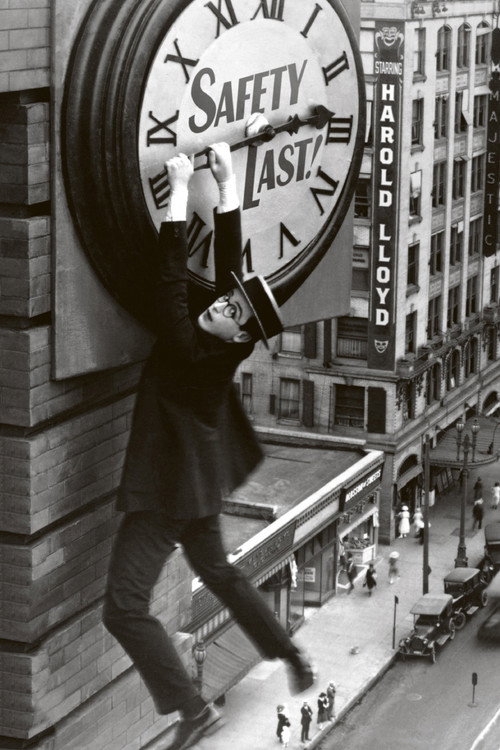
Safety Last!1923
Harold Lloyd scaling a 12-story building with genuine peril and gags perfectly timed around the danger. A different physical comedian than Keaton, but equally committed to selling the joke through real risk.
But Lloyd's everyman persona is less distinctive than Keaton's, and without the visual invention, it relies more heavily on the stunt itself being enough to land the laugh.
Metropolis1927
Fritz Lang's visionary science-fiction epic: a dystopian city divided between workers and rulers, told with staggering production design and a genuine story about class and compassion underneath the spectacle.
But At over two hours it's heavy-handed in its messaging, the acting is mannered, and the restored versions vary wildly in completeness. The dialogue cards can feel like speeches rather than conversation.

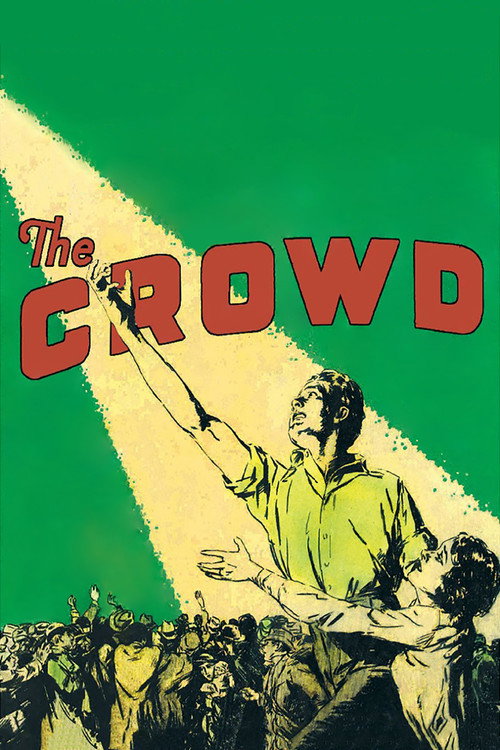
The Crowd1928
Vidor's portrait of an ordinary man crushed by ordinary life—no villains, just the weight of modernity, marriage, and disappointment. Visually inventive and genuinely unsettling about the human cost of going along.
But It's bleak and plotless in the way that can feel slow, and the ordinariness of the tragedy offers no catharsis or comfort. Watching it is like spending time in a waiting room.
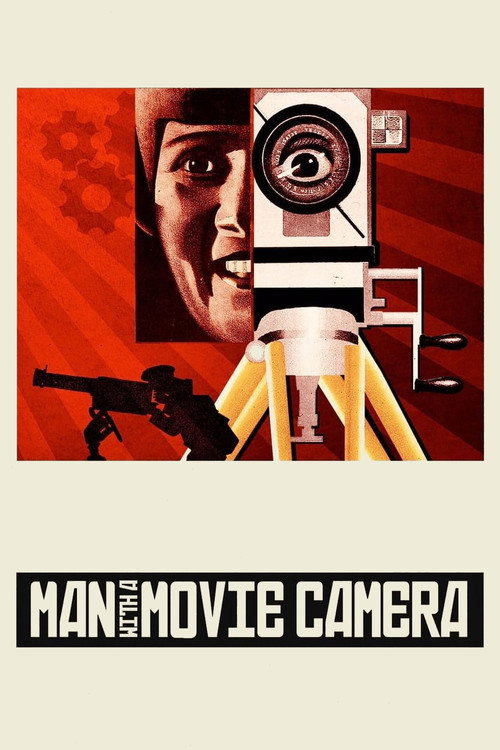
Man with a Movie Camera1929
Both are wildly inventive formal experiments that find comedy and human truth in the contrast between different scales of life and different periods of history; both trust the audience to enjoy the structure itself.
Vertov's experimental documentary is a city symphony made of pure cinema: montage, split screens, and formally impossible editing that treats the camera itself as a protagonist. Watching it is like having your nervous system rewired.
But There's no narrative, no dialogue, and no emotional anchors besides the energy of the technique itself. If you need story or character, it will feel like watching someone else's technical exercise.
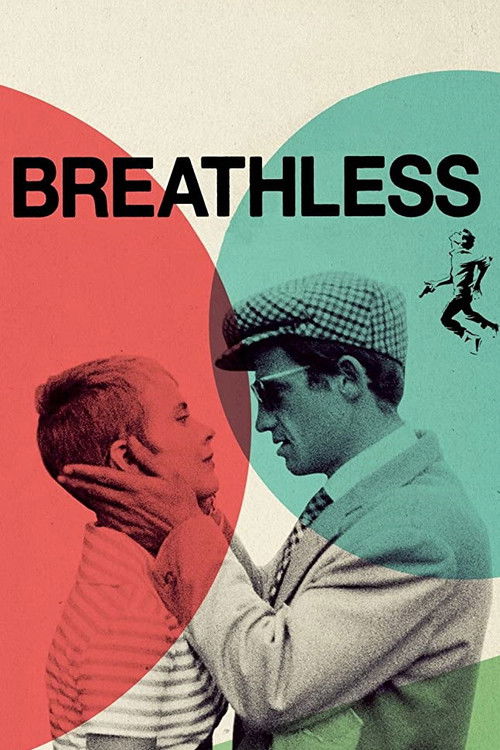
Breathless1960
Both films treat cinema itself as the subject—they're love letters to the medium's ability to show multiple versions of the same human situation through radically different visual languages, and both find that play deeply joyful.
Godard's jump-cut revolution: a small story about a thief and a girl told with such visual restlessness and tonal whiplash that it feels like cinema was reinvented on the fly. Joyous, inventive, and unafraid of breaking its own rules.
But The plot is thin, the characters are self-absorbed, and the jump cuts can feel aggressively modern and mannered. If you want narrative coherence or moral stakes, this will feel precious and shallow.
People
Cast
 Buster KeatonThe Boy
 Margaret LeahyThe Girl
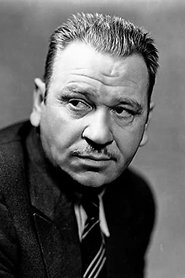 Wallace BeeryThe Villain
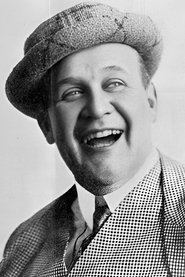 Joe RobertsThe Girl's Father
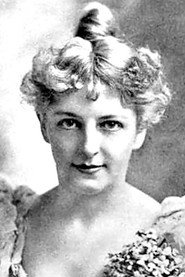 Lillian LawrenceThe Girl's Mother
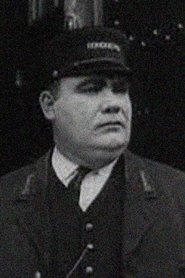 Kewpie MorganThe Emperor / Cave Man / Roman Thug
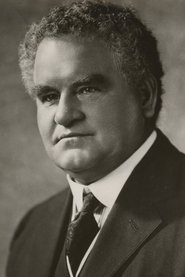 Lionel BelmoreUndetermined Role (uncredited) (unconfirmed)
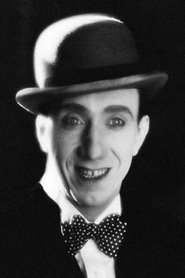 George DavisRoman Guard Knocked Down (uncredited)
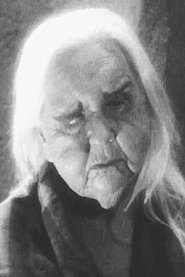 Louise EmmonsOld Fortune Teller (uncredited)
 Blanche PaysonThe Amazon (uncredited)
Directing
- Robert IvesAssistant Director
- Buster KeatonDirector
- Edward F. ClineDirector
Writing
- Buster KeatonWriter
- Clyde BruckmanWriter
- Jean C. HavezWriter
- Joseph A. MitchellWriter
Production
- Buster KeatonProducer
- Joseph M. SchenckProducer