
Film
Day of the Fight
Kubrick's thirteen-minute debut is a portrait of discipline and nerves: a single day in the life of middleweight boxer Walter Cartier, from morning ritual through evening victory. It's intimate and tactile, finding small dramas in hotel rooms and training gyms. A master class in how to make something unfamiliar—the weight of pre-fight solitude—feel completely urgent.
If you liked this
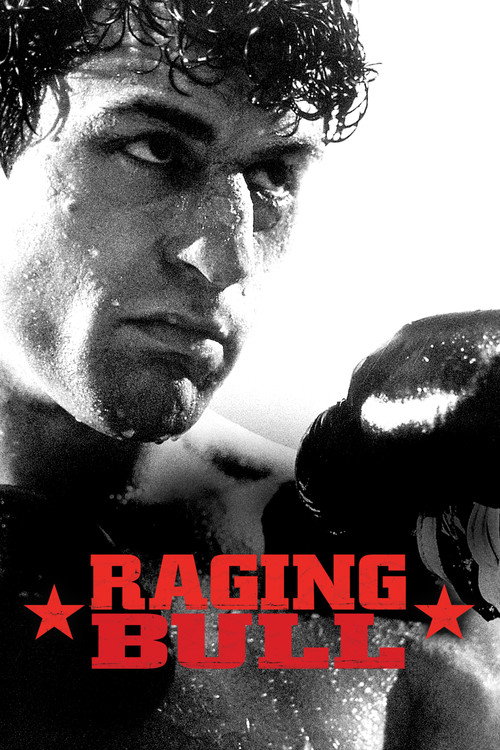
Raging Bull1980
Scorsese's obsessive boxing epic, full of operatic rage and technical brilliance. It captures the psychic cost of the sport in ways that still feel radical. A masterwork that rewarded decades of study.
But Brutally violent and repetitive by design. Nearly three hours of men hurting each other and themselves. Not cathartic—punishing.
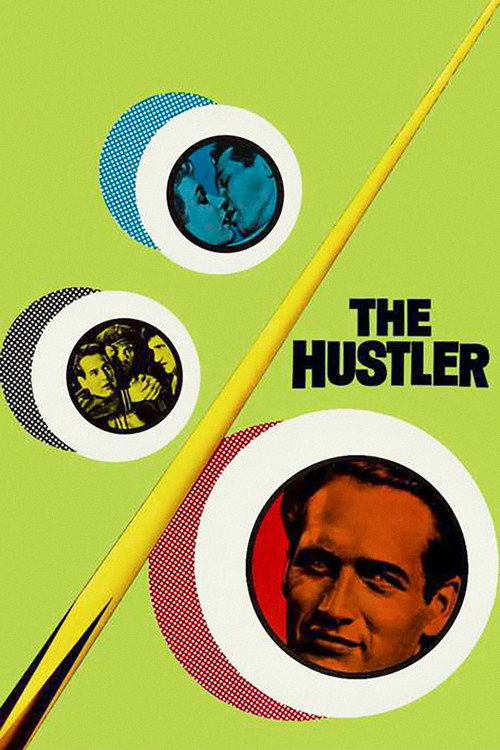
The Hustler1961
Paul Newman as a pool shark, Walton on the warpath, all cigarette smoke and moral compromise. A study of obsession and small-time grit that shares Kubrick's eye for the weight of single-minded pursuit.
But Slow by modern standards and deeply cynical. The ending offers no comfort. Some will find it bleak rather than honest.
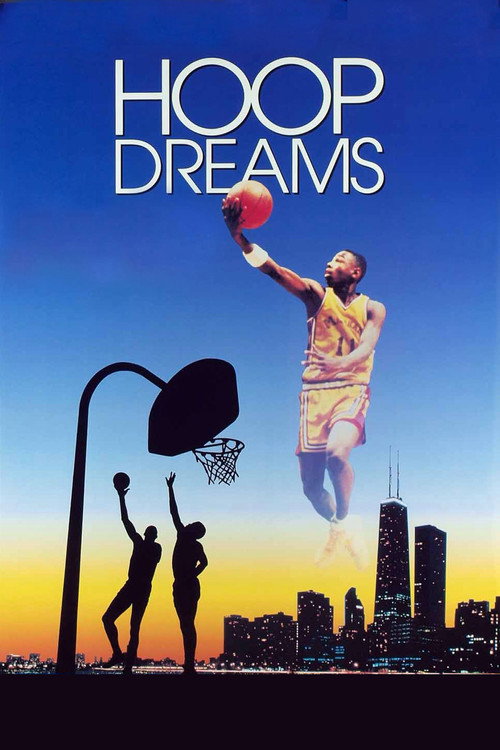
Hoop Dreams1994
A three-hour documentary following two teenage basketball players from childhood through college recruitment. Intimate, unflinching, and as close as cinema gets to capturing the real pressure and sacrifice underneath sports mythology.
But The length is real. It demands patience and emotional investment. Some find the pacing glacial.
Not sure tonight? Get a pick in a minute, starting from Day of the Fight
The wildcard
Something you would not have found on your own.
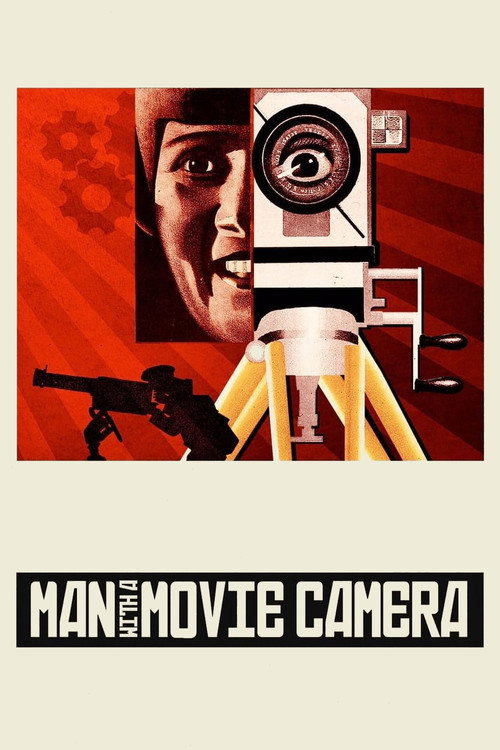
Man with a Movie Camera1929
Both films treat the ordinary day as epic material. Vertov's city-symphony and Kubrick's fight-day are built on the same faith: that attention and form can find the sacred in the mundane.
Dziga Vertov's silent Soviet avant-garde essay on a day in the life of a city, filmed by an invisible cameraman. It shares Kubrick's fascination with the texture of daily existence, the rhythm of work and rest, the poetry hidden in routine. Completely of another era but the DNA is there.
But It's experimental and deliberately disjunctive. No plot, no narrative arc, only fragments and the form itself as the meaning. Demands you rewire how you watch.
More like this (8)
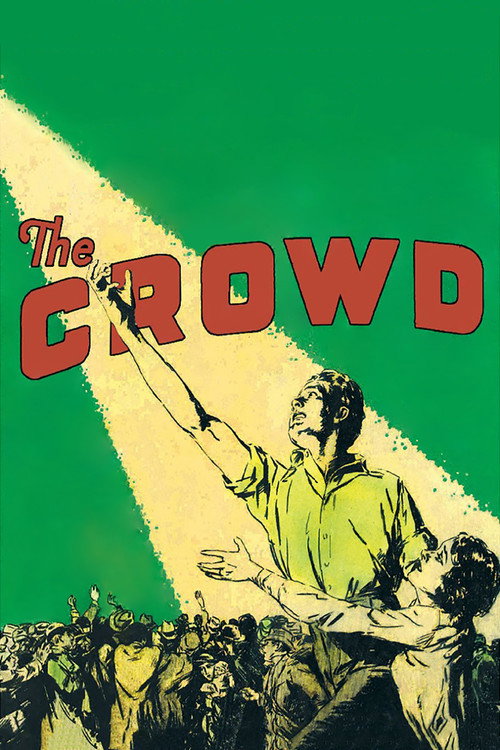
The Crowd1928
King Vidor's silent masterpiece about an ordinary office worker navigating luck and disaster. Like Kubrick's film, it finds tragedy in the texture of daily life and the ordinary person's impossible hopes.
But Silent film requires a different viewing muscle. The ending is genuinely heartbreaking in a way many will find unbearable.
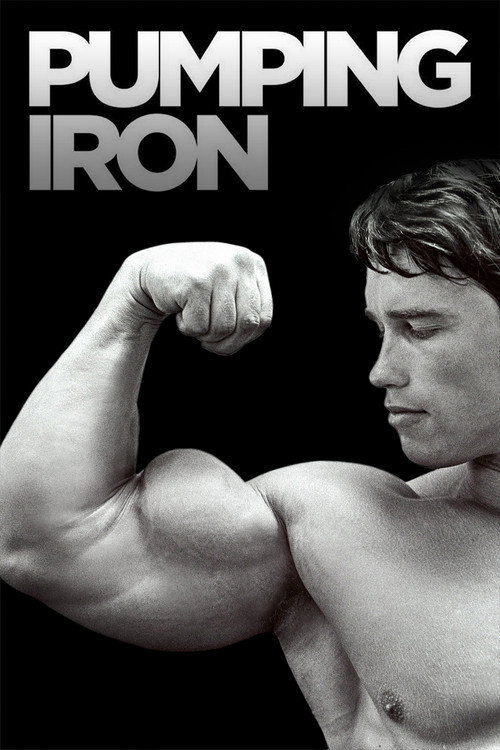
Pumping Iron1977
Documentary following Arnold Schwarzenegger and Lou Ferrigno toward the 1975 Mr. Olympia competition. Funny, vain, oddly touching—it finds the human being underneath the monument, much like Cartier's portrait.
But It's a bit dated and male-gazey in ways that are hard to unsee. The posing sequences go on longer than you'd expect.
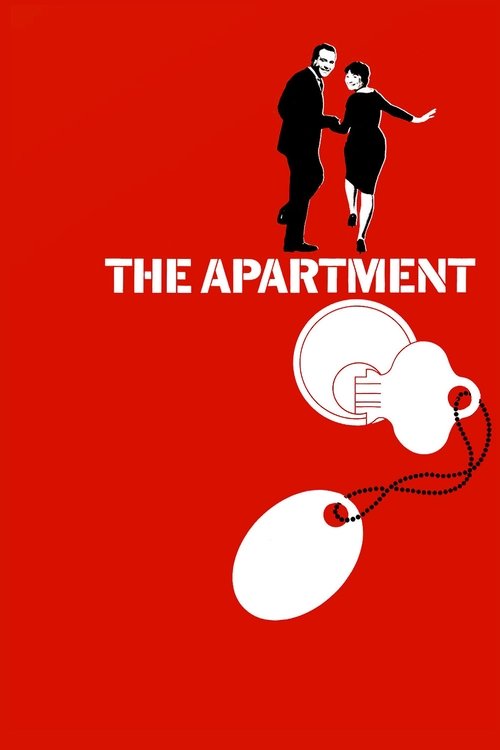
The Apartment1960
Wilder's comedy-drama about ambition, loneliness, and the cost of getting ahead in the city. Cartier's isolation mirrors the spiritual isolation underneath Lemmon's climb, though Wilder finds laughs where Kubrick finds silence.
But The sexual politics are deeply of their time. Some find the tonal shifts—comedy to pathos—lurching rather than graceful.
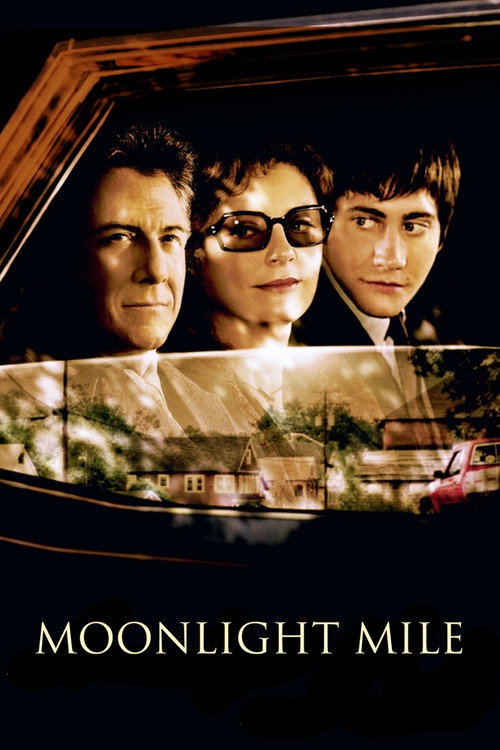
Moonlight Mile2002
A small, aching film about grief and the rituals we perform to survive it. Jake Gyllenhaal moving through days after tragedy. The same attention to texture and quiet moments that makes Kubrick's thirteen minutes feel like an entire life.
But Nothing happens. If you need plot momentum or external incident, this will test your patience severely.
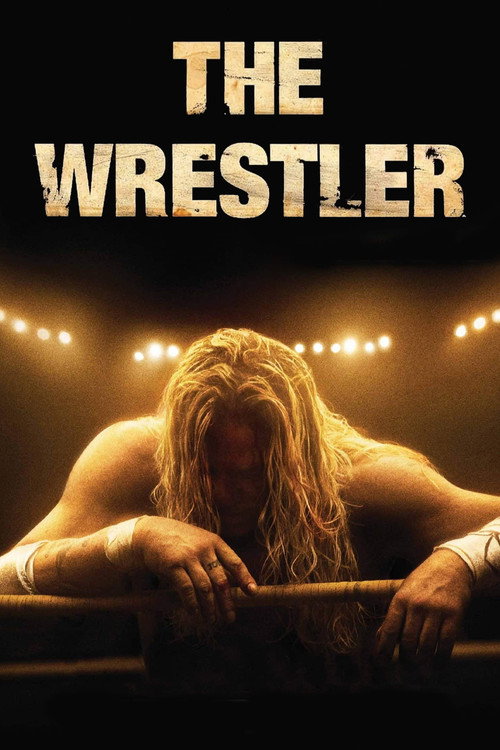
The Wrestler2008
Darren Aronofsky's portrait of an aging wrestler clinging to a life and body that won't cooperate. Brutal, physical, and achingly human. It understands the loneliness of performing and the price of repetition.
But It's relentlessly bleak and sometimes hard to watch. The film doesn't offer the mercy of a satisfying arc.
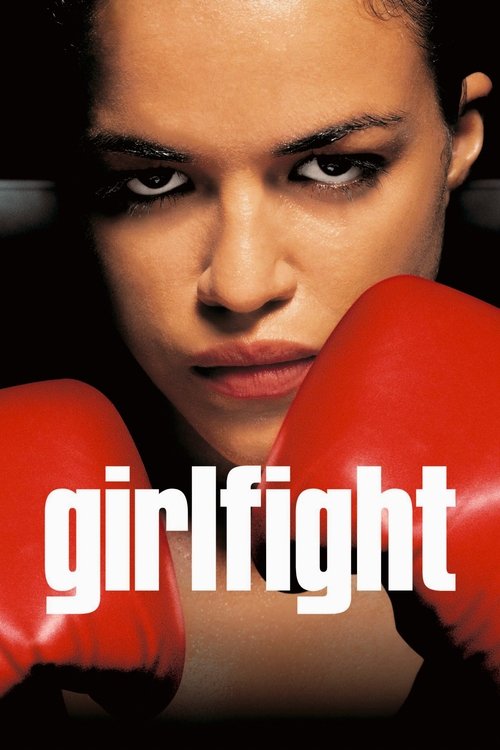
Girlfight2000
Michelle Rodriguez's debut as a female boxer fighting her way out of poverty and family chaos. Direct, energetic, and genuinely hopeful—a counterpoint to Kubrick's anxiety, showing boxing as liberation rather than endurance.
But The dialogue can be clunky and the emotional beats are sometimes signposted heavily. Some find the boxing sequences less technically assured than the character work.
Ikiru1952
Both films understand that the deepest drama lives in how we spend our days. Cartier's single day and the bureaucrat's final days are both small stories about the weight of time.
Kurosawa's masterpiece about a Tokyo bureaucrat discovering he's dying, then spending his final weeks building a playground. Quiet, devastating, about the weight of time and the possibility of meaning. Kubrick and Kurosawa occupy the same moral universe—precise, compassionate, unafraid of silence.
But It's nearly three hours of a man wrestling with mortality and meaninglessness. Not uplifting. Some find it oppressively sad.

The Act of Killing2012
Both films use tight formal control and intimate observation to locate something true in human behavior under pressure. Where Kubrick finds quiet discipline, Oppenheimer finds denial and performance—but both trust the camera and the day.
Joshua Oppenheimer's documentary asks Indonesian death-squad leaders to reenact their mass murders. It's a formal experiment that interrogates violence and memory in ways no conventional doc could. A shocking, necessary piece about how we construct meaning from atrocity and what happens when the camera forces a reckoning.
But It's disturbing, morally complex, and sometimes hard to parse what the film itself believes. The reenactments are visceral and deeply uncomfortable. Not easy or comforting.

People
Cast
- Vincent CartierSelf, Walter's twin brother and manager
- Walter CartierSelf
- Nat FleischerSelf, boxing historian
- Bobby JamesSelf, Walter's opponent
- Judy SingerSelf, female fan in crowd (uncredited)
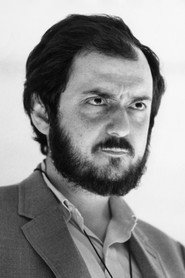 Stanley KubrickSelf (man at ringside with camera) (uncredited)
- Alexander SingerSelf
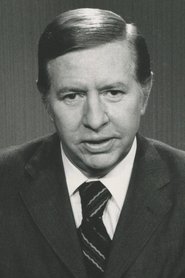 Douglas EdwardsNarrator
Directing
- Alexander SingerAssistant Director
- Stanley KubrickDirector
Production
- Jay BonafieldProducer
- Stanley KubrickProducer