
Film
Cass Timberlane
A judge marries beneath his station and watches his marriage fracture under the weight of class anxiety, infidelity, and unmet longing. *Cass Timberlane* is a grown-up melodrama that trusts its audience to sit with uncomfortable truths: love is not enough, and good people make terrible choices. Spencer Tracy anchors it with restraint; Lana Turner radiates restless hunger. For anyone who believes Hollywood's best work happened before it learned to flinch.
Should you watch it?
Watch it if you like slow-burning marriage dramas where two decent people misread each other and the film trusts you to notice what they won't say.
Skip it if you need brisk plotting and a romance that sparkles, since this one moves slowly through small domestic silences and rarely lightens up.
What it asks of you: Nearly two hours at a measured, unhurried clip, the tone sober rather than sweet, with little comic relief between its quieter, heavier scenes.
Not sure? Find tonight's pick in a minute.
If you liked this
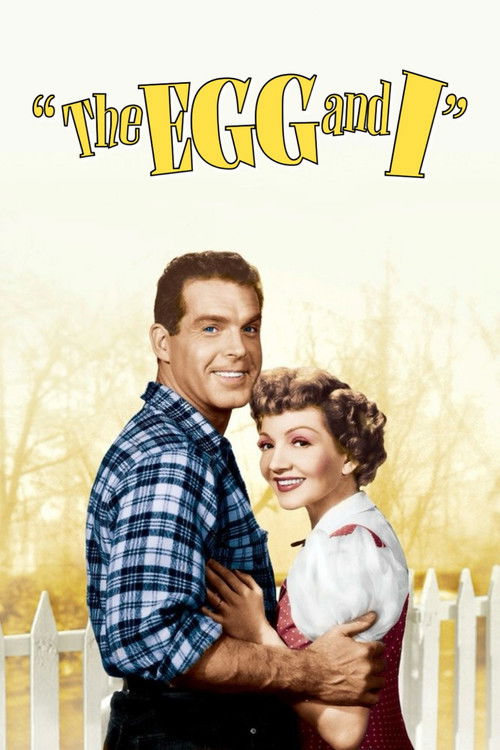
The Egg and I1947
Released the same year, this stars Claudette Colbert and Fred MacMurray as newlyweds discovering incompatibility through domestic comedy. It's lighter in touch but shares that postwar skepticism about marriage as automatic happiness.
But The comedy can feel dated, and the tone wobbles between screwball and sentiment in ways that don't always land.
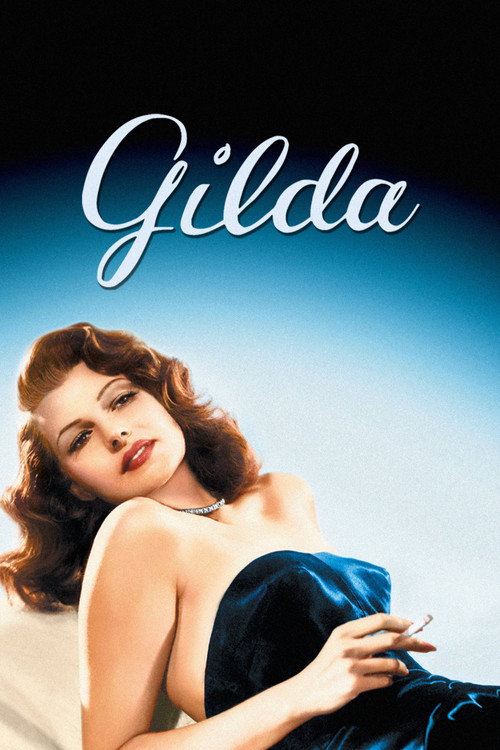
Gilda1946
Rita Hayworth and Glenn Ford in a smoldering noir about desire, betrayal, and the man you can't stop wanting. Raw and erotic in ways 1940s Hollywood rarely permitted. A masterpiece of unhappy attraction.
But The plot is thin and the misogyny is real—Hayworth's character exists partly as punishment for her sexuality.
The Best Years of Our Lives1946
A three-hour epic about veterans returning to a world that hasn't actually changed for them. Devastatingly human, unsentimental about marriage, friendship, and what home means. William Wyler directing at full power.
But Its length and earnestness can feel heavy on first viewing. It demands attention and won't reward passive watching.

Not sure tonight? Get a pick in a minute, starting from Cass Timberlane
The wildcard
Something you would not have found on your own.
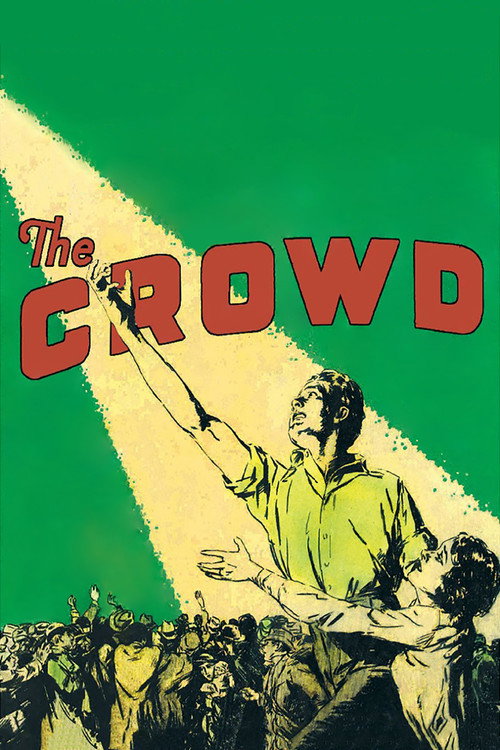
The Crowd1928
Both films reject the myth that love conquers all. Both watch carefully as two people fail each other despite good intentions, using class and ambition as the mechanism of that failure.
King Vidor's silent masterpiece about an ordinary man and woman trying to build a life in the city, destroying each other through routine disappointment. No violins, no artificial climax—just the slow fracture of hope. This is where American cinema's skepticism about marriage began.
But It's silent, it's from 1928, and it ends on a note of such bleak resignation that some viewers find it nearly unwatchable. The pacing is glacial by modern standards.
More like this (8)
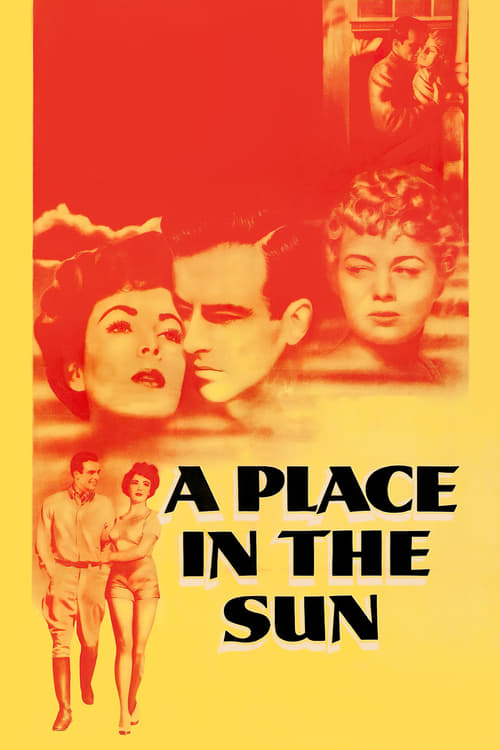
A Place in the Sun1951
Montgomery Clift torn between Elizabeth Taylor (glamorous, doomed) and Shelley Winters (plain, pregnant, dangerous). A tragedy about class, ambition, and the price of wanting the wrong thing. Brilliantly acted and heartbreaking.
But The pacing drags in the middle stretch, and the social critique can feel heavy-handed compared to the emotional precision of the scenes that matter.
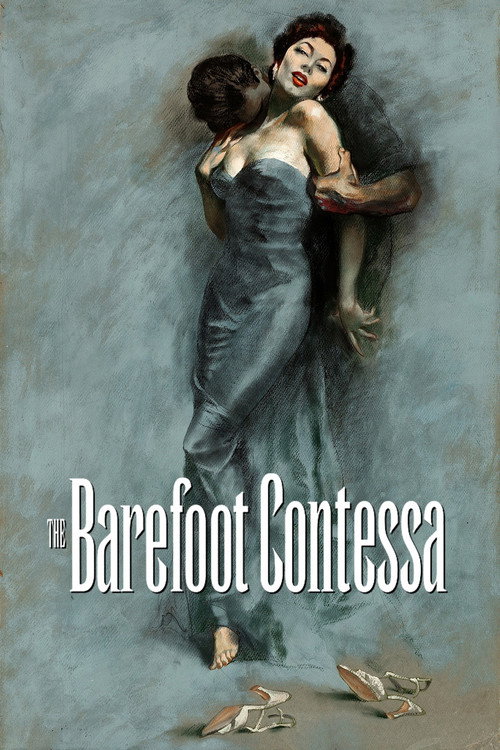
The Barefoot Contessa1954
Ava Gardner as a woman destroyed by the men who love her, told in flashback by Humphrey Bogart. A cynical, gorgeous anatomy of how desire and ambition can corrode a person. Beautifully shot and morally dark.
But It's episodic and sometimes unfocused; the narrative framing doesn't always serve the story it's trying to tell.
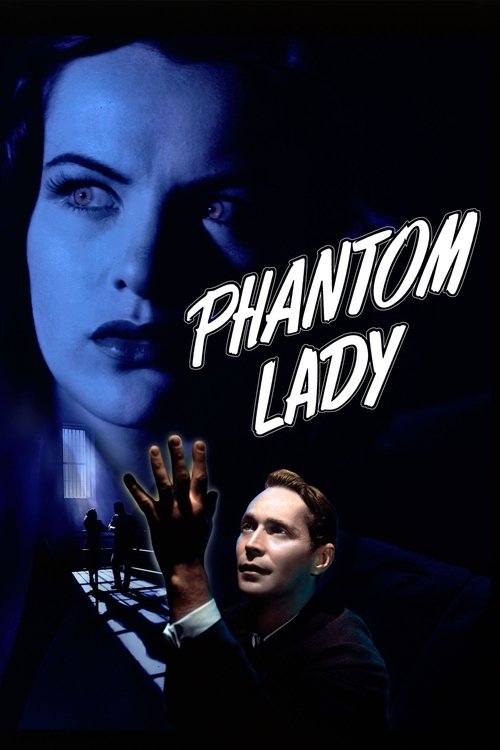
Phantom Lady1944
Ella Raines and Alan Curtis in a noir about a woman desperate to save her lover from a murder conviction. Tense, beautifully photographed, and full of the moral ambiguity that made 1940s cinema so alive.
But The plot has a few holes, and some of the supporting performances slip into melodrama when the film needs them sharp.
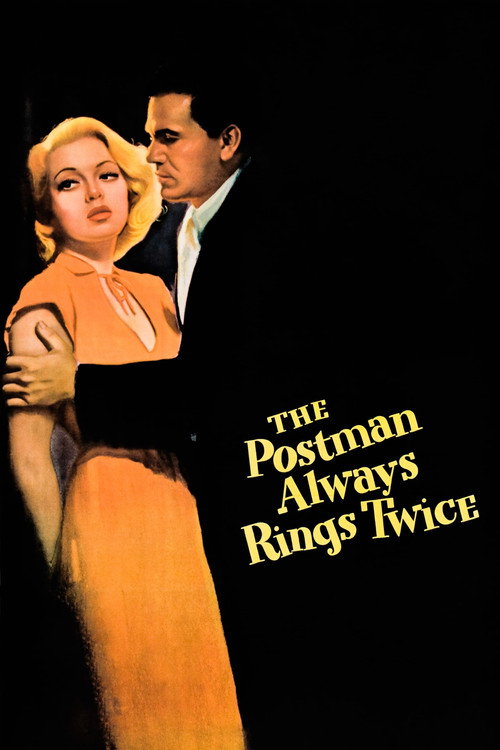
The Postman Always Rings Twice1946
Lana Turner (again, but this time sultry and dangerous) and John Garfield in a noir about adulterers plotting murder. Steamy, morally rotten, and thrilling. James M. Cain adapted to the screen with its claws intact.
But The censorship of the era means some of the book's raw sexuality is muted, which softens the desperation that makes it work.
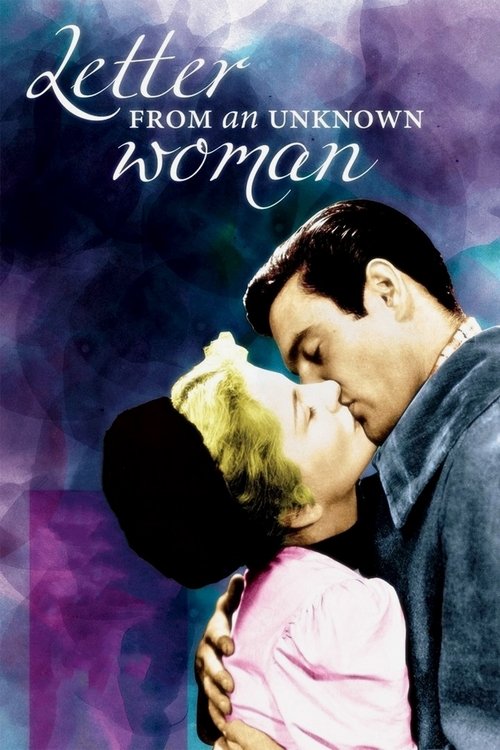
Letter from an Unknown Woman1948
Joan Fontaine's unrequited love letter to Louis Jourdan, read as he waits for her final confession. Max Ophüls directing a film about the pain of loving someone who doesn't know you exist. Achingly beautiful and sad.
But It's slow and deliberately artificial in a way that demands patience. The romance may feel too one-sided to grip you emotionally.
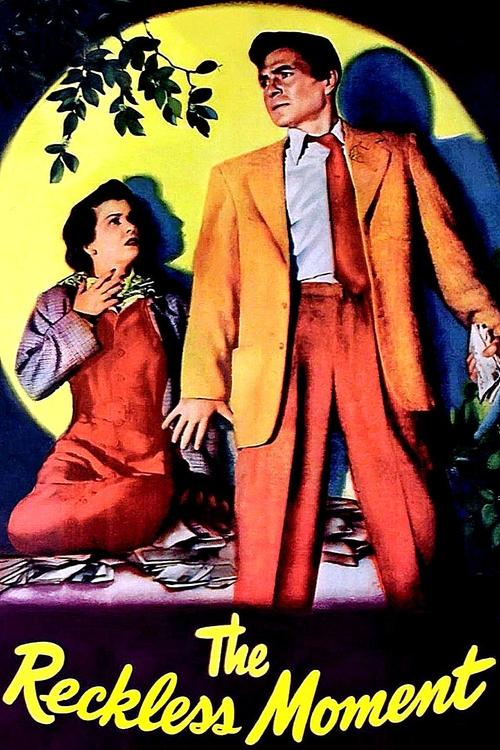
The Reckless Moment1949
James Mason and Joan Bennett in a noir about a mother protecting her daughter from scandal, slowly drawn into criminal debt. Tense and intimate, with real stakes and a weird, compelling chemistry between its leads.
But The plot hinges on coincidences that strain credibility, and some scenes feel rushed in service of the melodramatic clock.
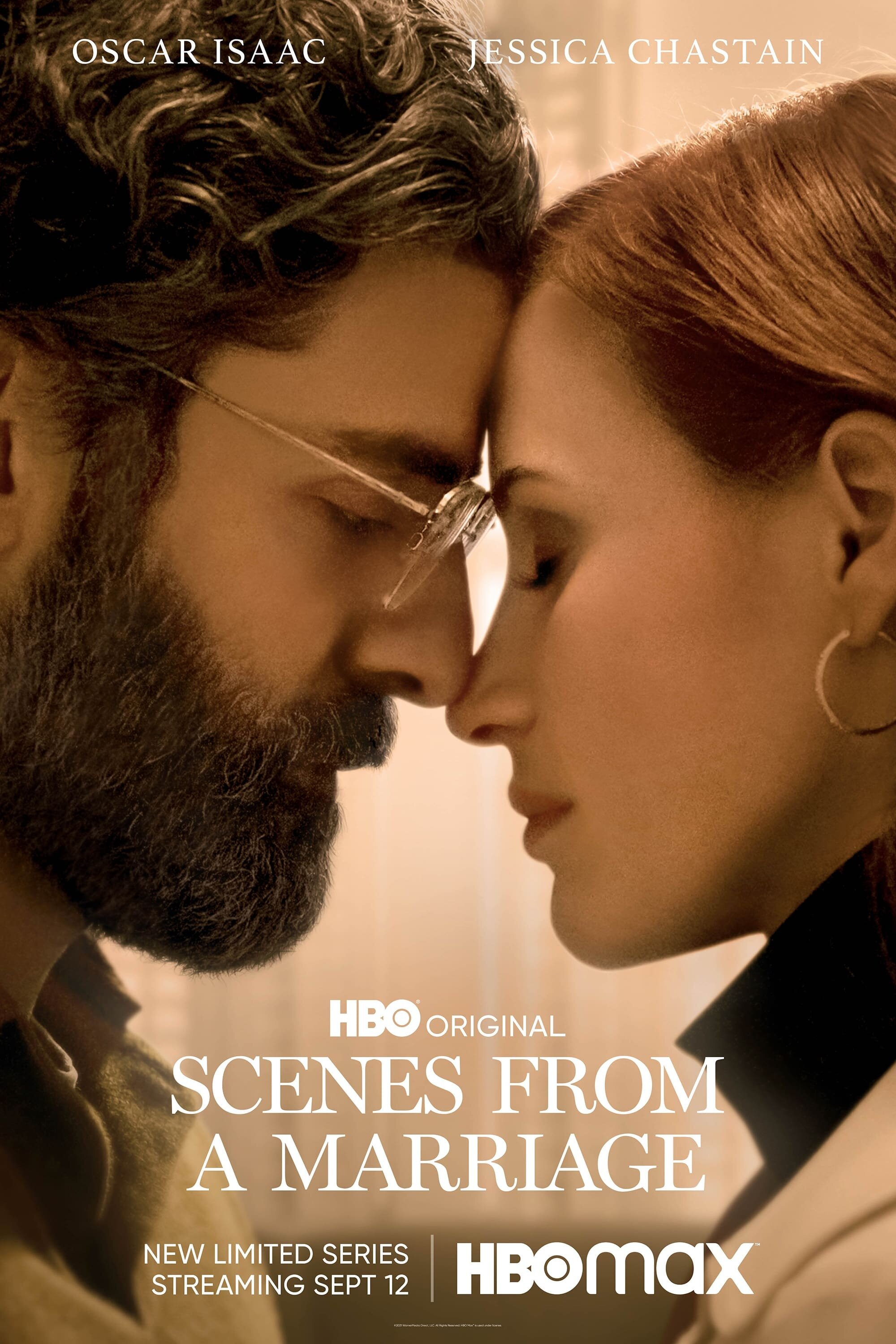
Scenes from a Marriage2021
Both use class anxiety and infidelity as symptoms of a deeper incompatibility. Both refuse to blame anyone neatly. Both understand that the problem with marriage is that you're trapped with another human being.
Bergman's devastating six-part miniseries about Liv Ullmann and Erland Josephson's marriage, from passion through betrayal to exhaustion. Filmed with minimal sets and maximum psychological precision. Television's most honest exploration of how marriages actually die.
But It's slow, painfully introspective, and there is no catharsis. If you need a plot to move you, this will feel like punishment rather than insight. Some of the 1970s gender politics have dated.
Ikiru1952
Both films ask whether a life spent following the rules and maintaining appearances can constitute a meaningful existence. Both suggest the answer is no, but arrive there through very different registers.
Akira Kurosawa's film about a man dying of cancer who must finally reckon with a life spent in meaningless bureaucracy. It's a completely different kind of picture—meditative, Japanese, in black and white—but it shares *Cass Timberlane*'s interest in an ordinary life's worth, and what we sacrifice for respectability.
But It's contemplative almost to the point of inertia. The dying man's realizations unfold slowly, and the film makes no effort to move you. If you need dramatic action, you'll find none here.

People
Cast
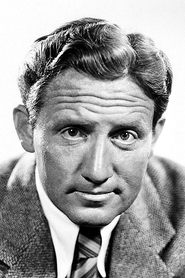 Spencer TracyCass Timberlane
 Lana TurnerVirginia 'Jinny' Marshland
 Rose HobartDiantha Marl
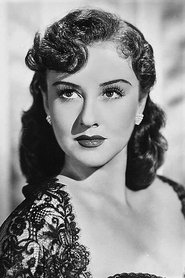 Margaret LindsayChris Grau
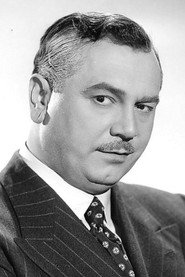 John AlexanderDr. Roy Drover
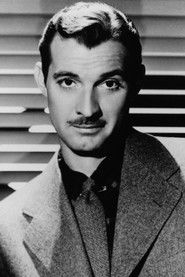 Zachary ScottBradd Criley
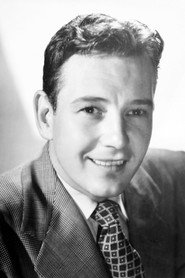 Tom DrakeJamie Wargate
 Mary AstorQueenie Havock
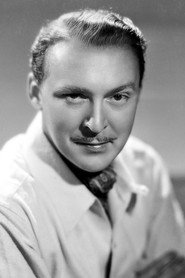 Albert DekkerBoone Havock
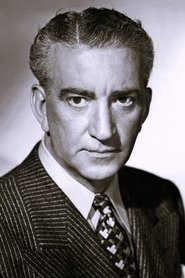 John LitelWebb Wargate
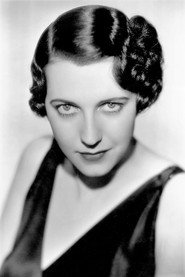 Mona BarrieAvis Elderman
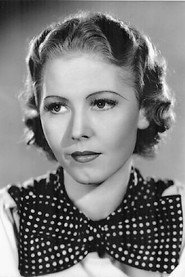 Josephine HutchinsonLillian Drover
Directing
- George SidneyDirector
Writing
- Donald Ogden StewartAdaptation
- Sonya LevienAdaptation
- Sinclair LewisNovel
- Donald Ogden StewartScreenplay