
Film
The Great John L.
A 1945 portrait of heavyweight champion John L. Sullivan caught between his meteoric boxing career and two women who love him. The film moves with the energy of the ring itself—fast, intense, occasionally brutal—and trades on the magnetism of its lead and the period detail. It's for anyone drawn to boxing stories where the real fight happens off-canvas.
Should you watch it?
Watch it if you enjoy rise-and-romance biographies where the sporting life is a backdrop to a tangled love story, and a 1940s studio polish is part of the pleasure.
Skip it if you came for the fight scenes, since the romantic entanglements are clearly the main engine of this film and the boxing plays second fiddle.
What it asks of you: Expect a 96-minute stretch of old-fashioned melodrama, where the emotional stakes are played straight and the pace keeps moving with little room for quiet.
Not sure? Find tonight's pick in a minute.
If you liked this
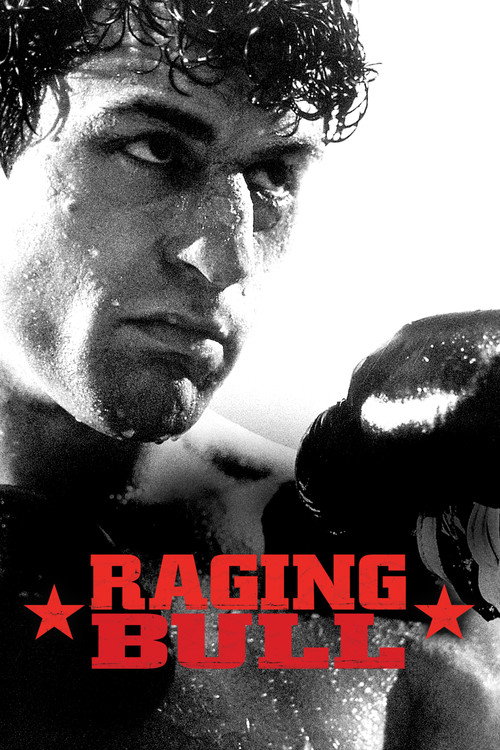
Raging Bull1980
Scorsese's masterpiece about Jake LaMotta's rage, ambition, and self-destruction. Like Sullivan's story, it's not really about boxing—it's about a man who can't stop fighting, in and out of the ring.
But In black and white, brutally repetitive, and deeply unpleasant. There's no catharsis, only damage. Not a comfortable evening.
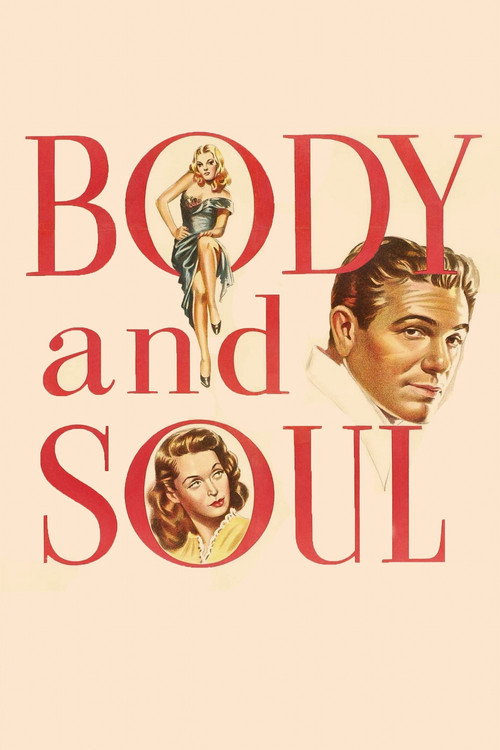
Body and Soul1947
A boxer climbs from the slums toward a title while wrestling with corruption, loyalty, and what winning actually costs. Raw, urgent filmmaking about ambition's price in postwar America.
But It's earnest and sometimes heavy-handed. The dramatic machinery shows. Some scenes creak.
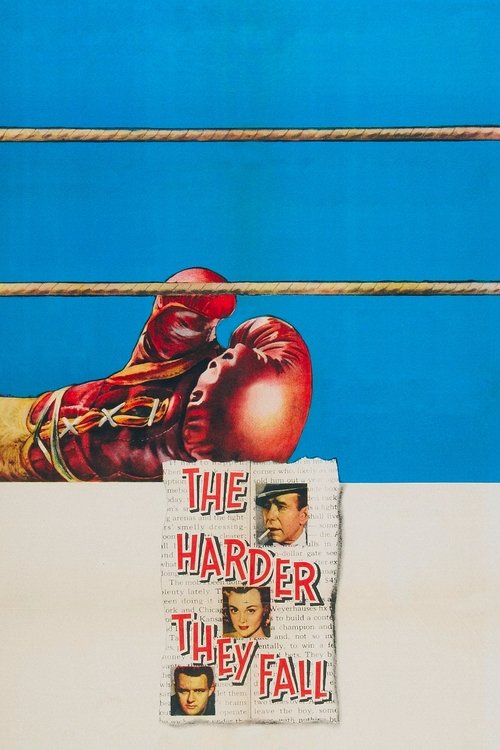
The Harder They Fall1956
Humphrey Bogart's last film—a journalist exposes the fix in heavyweight boxing. Cynical, stylish, and powered by Bogart's world-weary charm as he navigates corruption and his own complicity.
But More crime thriller than sports film. If you came for boxing, you'll find politics instead.
Not sure tonight? Get a pick in a minute, starting from The Great John L.
The wildcard
Something you would not have found on your own.
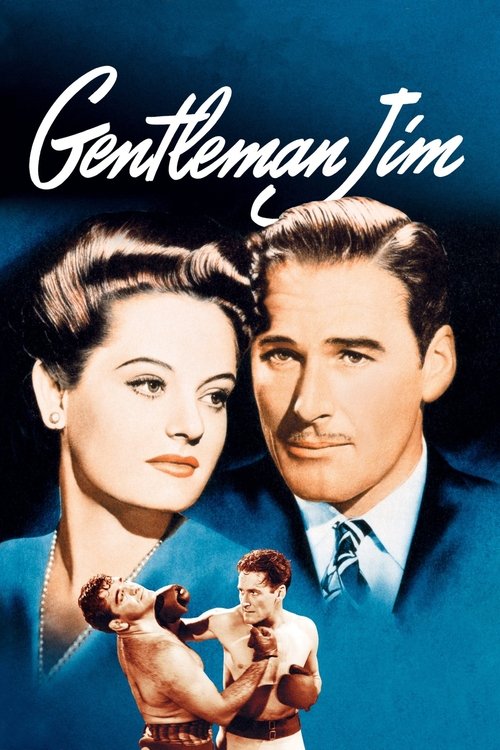
Gentleman Jim1942
The prequel—Corbett's rise is framed against Sullivan's dominance and decline. Together they tell the story of heavyweight boxing's changing mythology.
Raoul Walsh's film about Jim Corbett, the man who defeated John L. Sullivan. It's the other side of the Sullivan story—how the old order gave way to the new, told with style and surprising depth about what it means to be a champion when champions were heroes.
But It's a full decade older than The Great John L. and it shows. The pacing is stately. You need patience for old Hollywood craftsmanship.
More like this (8)
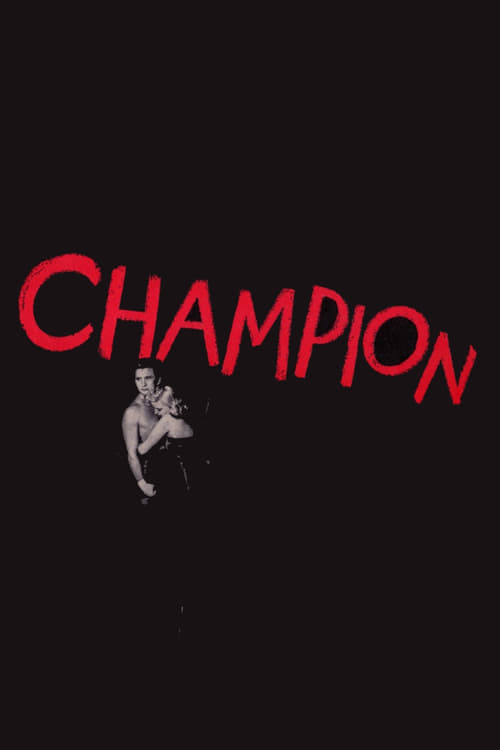
Champion1949
Kirk Douglas as a brutish, talented fighter who claws his way up and alienates everyone who loves him. A companion piece to Sullivan's rise—same era, same tragic arc, fiercer and more economical.
But Douglas's character is genuinely contemptible. Spending two hours with him requires patience.
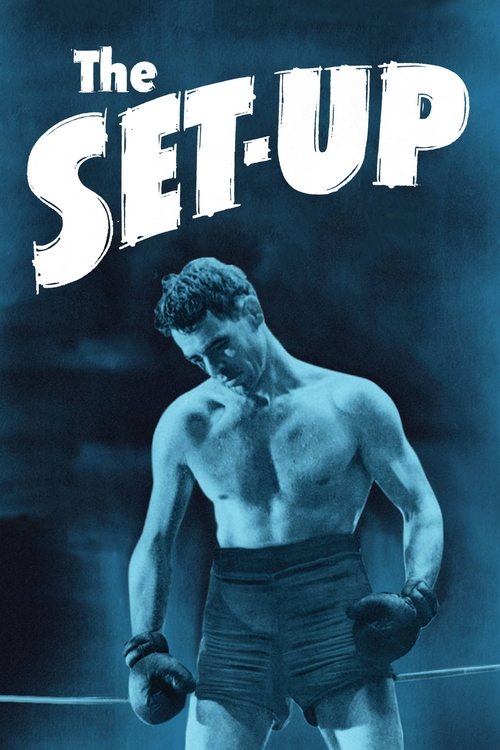
The Set-Up1949
Robert Ryan as an aging boxer in one night, one fight, one chance at redemption. Lean, balletic cinematography and a real sense of danger. Boxing as poetry, almost.
But Very short and slight. If you're hunting for plot, you'll find almost none.
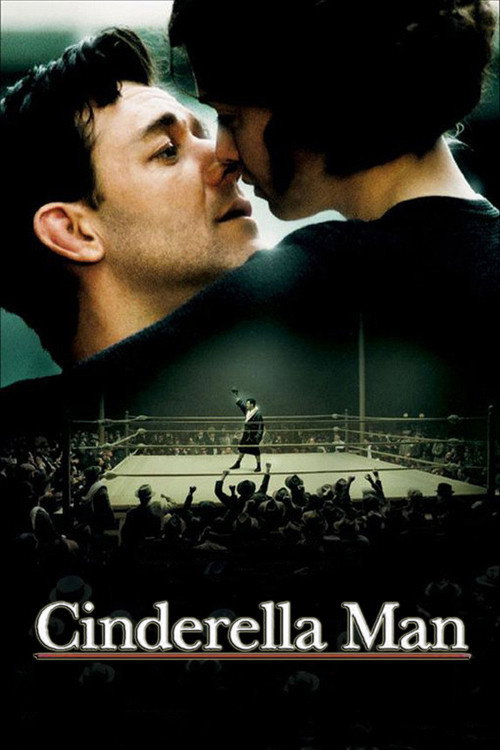
Cinderella Man2005
Russell Crowe as Jim Braddock, a depression-era underdog who fights to feed his family. Sentimentality anchored by genuine period texture and Crowe's understated conviction.
But Wears its inspirational heart on its sleeve. Very much a Scorsese-lite crowd-pleaser.
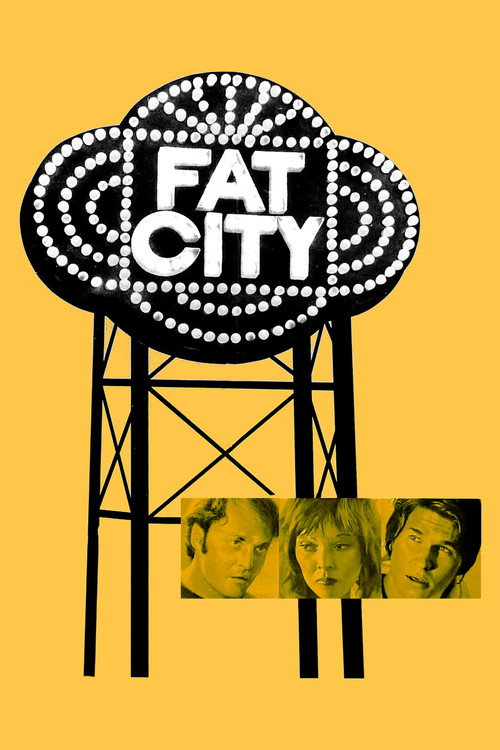
Fat City1972
Huston's meditation on small-time boxing, failure, and the dreams that keep men fighting even when they've already lost. Melancholic, patient, beautiful in its resignation.
But Nothing happens and nothing is resolved. It's a mood piece, not a story. Requires you to meet it halfway.
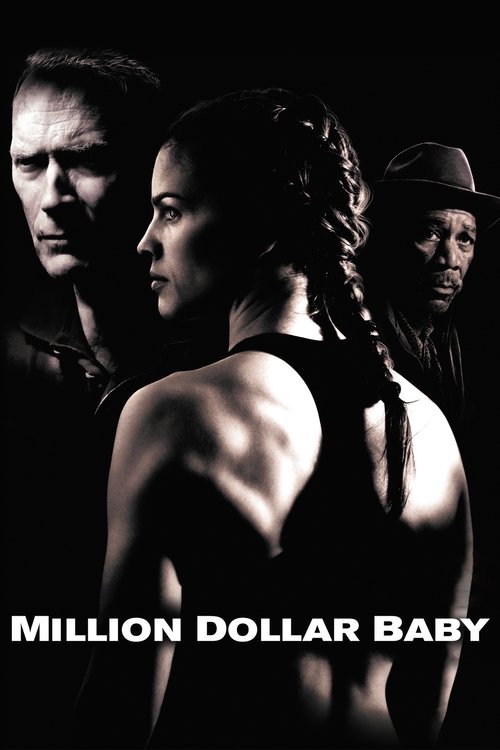
Million Dollar Baby2004
Eastwood's late masterpiece about a trainer, a fighter, and the cost of caring. Quieter than you'd expect, morally complicated, achingly human in its specifics.
But Slowly paced and deeply sad. The ending polarizes people. Not built for escape.
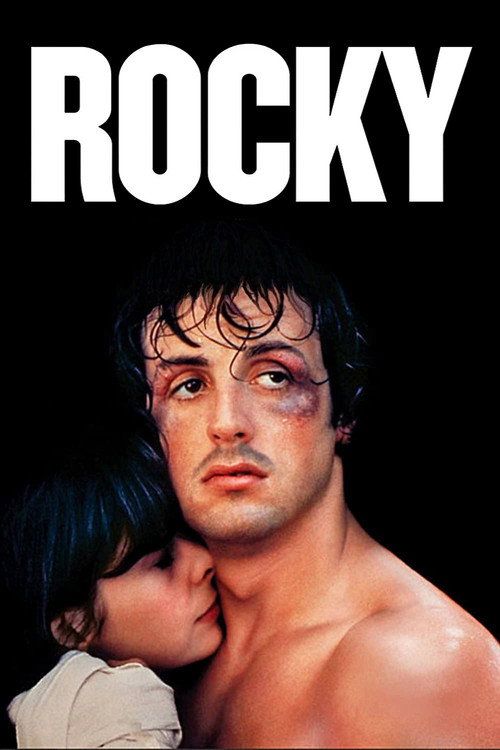
Rocky1976
Stallone's love letter to the underdog dream and Philadelphia's grit. It's about trying, really—about showing up for yourself. Why it endures: it means what it says.
But The sequels have made it hard to see fresh. Also—it's sentimental in ways that feel deliberately engineered now.
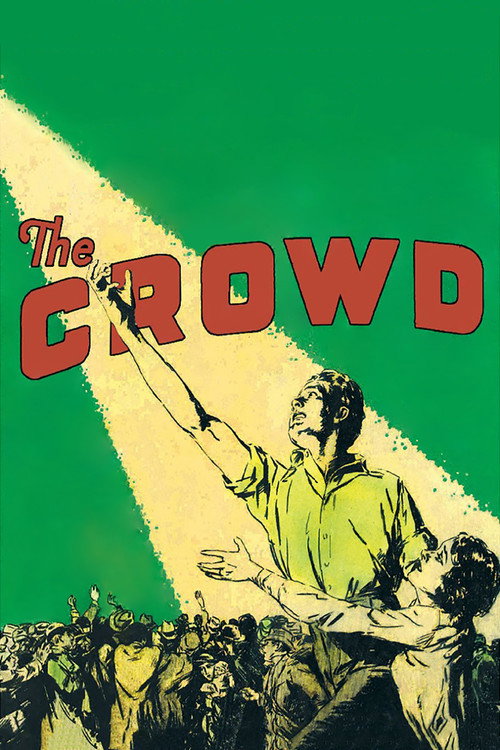
The Crowd1928
Both track a man's rise through the public eye and his private unraveling. Both ask what ambition actually buys you.
King Vidor's silent masterpiece about ordinary ambition and the machinery that chews it up. An insurance clerk dreams of making it. It's about the same hunger that drives Sullivan, but Vidor catches the emptiness underneath. No boxing—just the shape of American wanting.
But Silent film, 1928, completely different tone. You have to adjust your expectations. And it ends in a place that won't feel like victory.
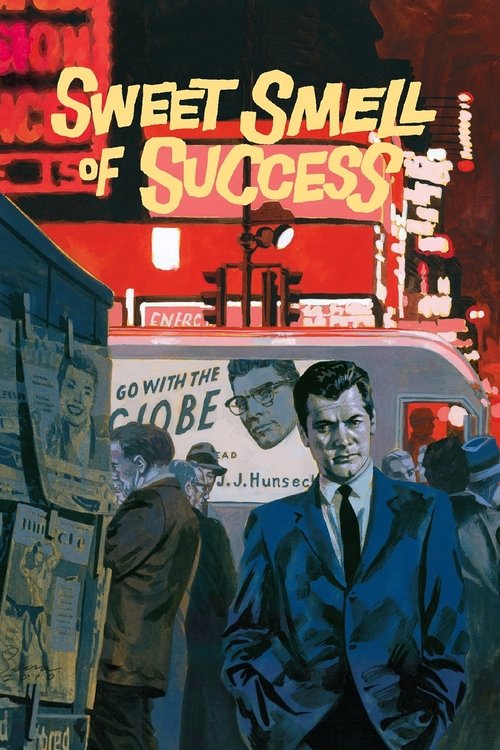
Sweet Smell of Success1957
Both explore the cost of being famous and desired—but where Sullivan's film is sentimental about his romantic entanglements, Sweet Smell sees all relationships as transactions. A different register, same trap.
Lehman and Mackendrick's acid dream about fame, leverage, and the hustlers who orbit it. Shot in nocturnal New York, dialogue that cuts like a knife, morally bleak but hypnotic. It's about the machinery around a celebrity, not the celebrity himself.
But Baroque, cynical, aggressively artificial dialogue. If you want naturalism, this is the opposite. Poisonous worldview throughout.
People
Cast
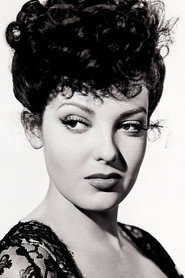 Linda DarnellAnne Livingston
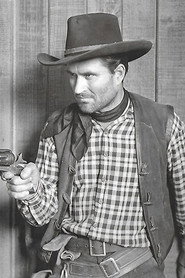 Greg McClureJohn L. Sullivan
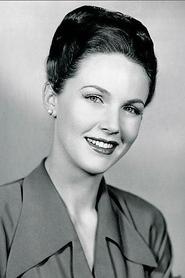 Barbara BrittonKathy Harkness
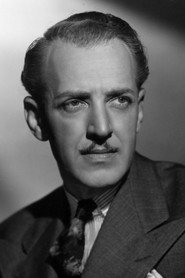 Otto KrugerRichard Martin
 Wallace FordMcManus
 George MathewsJohn Flood
 Robert BarratBilly Muldoon
 Joel FriedkinMichael Sullivan
- Simon SemenoffMons. Claire
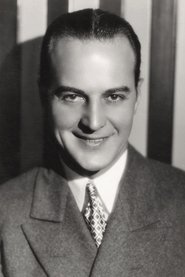 Harry CrockerArthur Brisbane
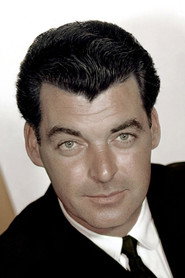 Rory CalhounJames J. 'Gentleman Jim' Corbett
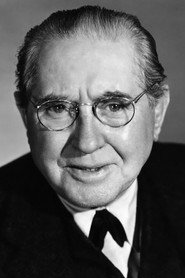 J.M. KerriganFather O'Malley
Directing
- Frank TuttleDirector
Writing
- James Edward GrantWriter
Production
- Milton CarterAssociate Producer
- Bing CrosbyExecutive Producer
- Frank R. MastrolyProducer
- James Edward GrantProducer