
Film
Nathalie Granger
- Drama
- Slow-burning
Marguerite Duras strips narrative to its essence: a day in the life of a woman and her friend, mostly silent, mostly ordinary. Yard work, talk of children, a salesman at the door. It's cinema as observation, patient and unsettling, where nothing happens and everything matters. For those ready to sit still and look.
Should you watch it?
Watch it if you are drawn to films that linger on ordinary gestures and let silence do the talking, where the pleasure is in the rhythm of a long afternoon rather than in events.
Skip it if you need narrative momentum or a clear sense of where things are heading; the film moves at a deliberate crawl and its tensions stay largely unspoken.
What it asks of you: It runs a brisk eighty-three minutes but feels longer, asking you to sit with long static frames and repetition, and to read faces and pauses instead of dialogue.
Not sure? Find tonight's pick in a minute.
If you liked this
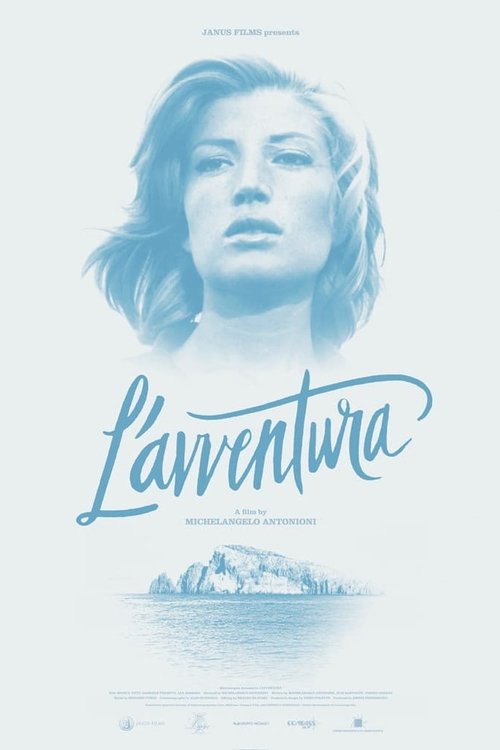
L'Avventura1960
Antonioni's masterpiece of mood over plot: a woman disappears, but the film cares more about what her absence does to the people left behind. Slow, hypnotic, architectural in its emotional precision.
But The pacing will test you—Antonioni trusts silence and empty space the way most directors trust dialogue. Patience is not optional.
Jeanne Dielman, 23, quai du Commerce, 1080 Bruxelles1976
Chantal Akerman's three-hour portrait of a woman's domestic routine. It's radical not because it's slow but because it takes housework seriously as cinema, as life, as art. Hypnotic and revelatory.
But Three hours of someone cooking, cleaning, accounting. If your instinct is to check your phone, this film will punish you for it. Not entertainment; something better.

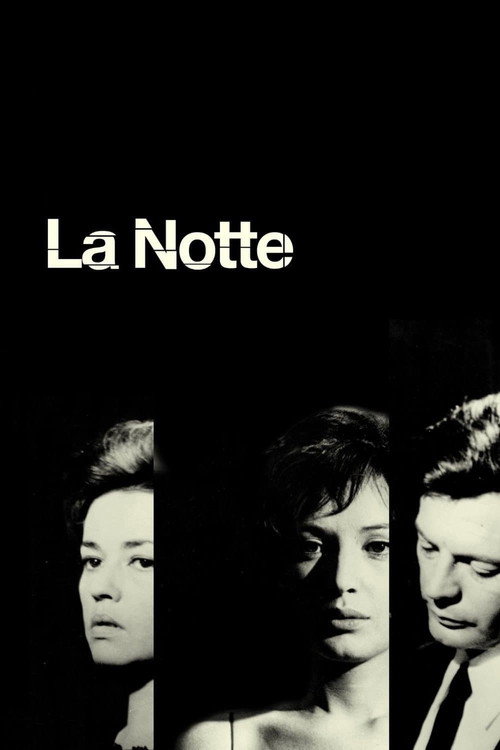
La Notte1961
Visconti's chronicle of a marriage dissolving across one night in Milan. Jeanne Moreau (who's in Nathalie Granger) gives one of cinema's great performances in a film that finds tragedy in the ordinary.
But It's bleak and offers no catharsis, just the slow recognition that love can die quietly. Some find that liberating; others find it depressing.
Not sure tonight? Get a pick in a minute, starting from Nathalie Granger
The wildcard
Something you would not have found on your own.
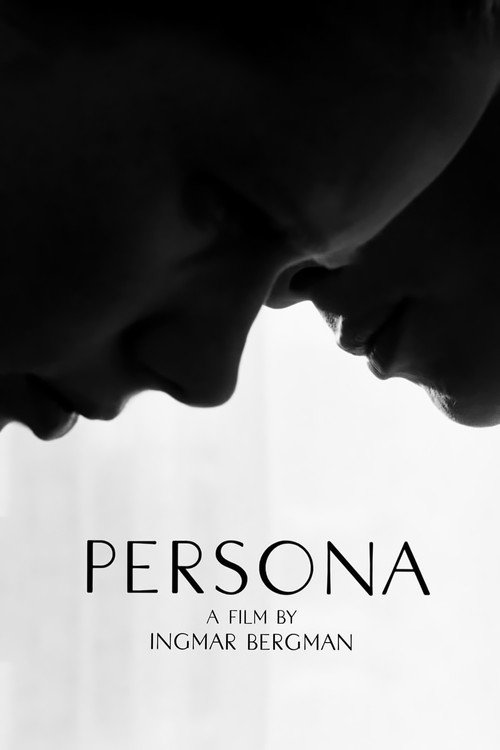
Persona1966
Both are portraits of female interiority built from silence and observation. Duras and Bergman share a conviction that cinema can make meaning from what people *don't* say.
Bergman's film about an actress who stops speaking and a nurse who talks obsessively. Two women, long silences, the camera watching what words can't say. It's about presence, absence, and who we are when we stop performing.
But A psychological chamber piece that demands active interpretation. No plot to carry you; the film's power is in your willingness to sit with ambiguity and dread.
More like this (8)
Come and See1985
Elem Klimov's Belarusian masterpiece about a boy conscripted into war. Unsparing, poetic, and structurally unlike anything else—a descent from innocence to horror that rewires how you understand cinema.
But One of the most brutal films ever made. Not brutal for sensation, but brutal in service of truth. Difficult in ways that linger.

In the Mood for Love2000
Wong Kar-wai's film about two neighbors who discover their spouses are having an affair. Gorgeous, yearning, composed like a painting. Feeling blooms in the spaces between words.
But The repetition of scenes and the deliberate pacing can feel mannered if you're not in the right headspace. Beauty alone doesn't move everyone.

Stalker1979
Tarkovsky's meditation on desire, faith, and the unknowable. A journey into a mysterious zone where wishes might come true—if you're brave enough to want what you really want. Transcendent filmmaking.
But Nearly three hours of philosophical meditation. The film moves at geological time. Impatience will destroy it for you.

Mulholland Drive2001
David Lynch's dream-logic descent into Los Angeles, identity, and loss. A masterpiece of mood and dread; it dissolves certainty and leaves you unsettled in exactly the right way.
But The narrative fragmentary and deliberately confusing—some find that thrilling, others find it frustrating. It rewards surrender, not certainty.

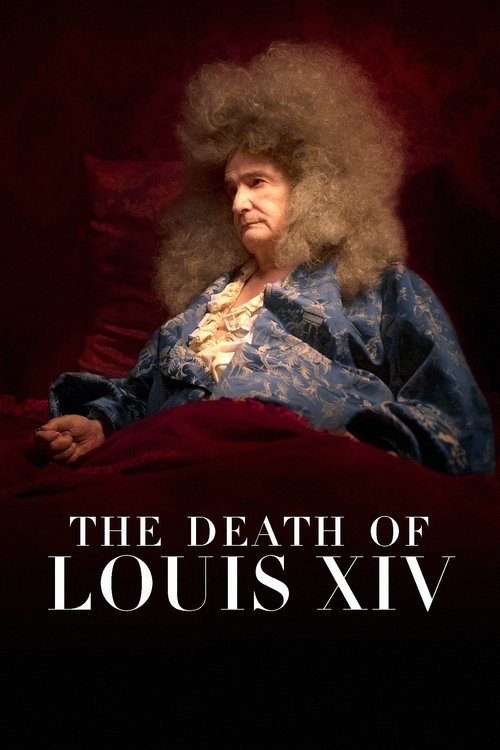
The Death of Louis XIV2016
Albert Serra's radical chamber piece: the last weeks of the Sun King, stripped of spectacle, filmed like a waiting room. Intimate, absurd, and oddly tender about mortality and the body's betrayal.
But Virtually plotless and shot in muted tones; the appeal is patience and the pleasure of observation. If you want story momentum, look elsewhere.
Synecdoche, New York2008
Charlie Kaufman's labyrinthine film about creation, mortality, and the impossibility of art matching life. A theater director builds a replica of New York inside a warehouse and loses himself in it.
But Genuinely confusing and emotionally overwhelming. It's a puzzle that may not have a solution, and the repetition can feel like grief disguised as structure.

The Leopard1963
Both films find tragedy in the everyday erosion of a life. Not dramatic rupture, but the quiet way the world changes around you until you're no longer at home in it.
Visconti's epic Sicilian saga of a prince watching his world vanish. Burt Lancaster in a role that requires him to be still, to witness his own displacement. A film about time's indifference.
But Long (over three hours), formally classical, and interested in decline rather than redemption. The grandeur can feel remote; the melancholy is unironic.

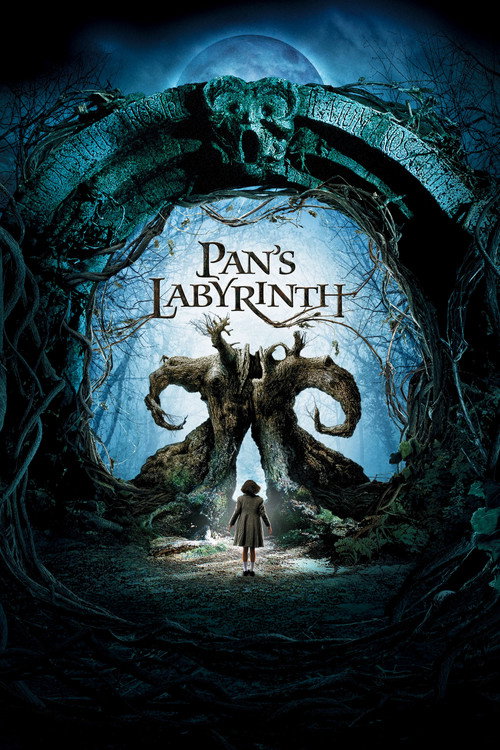
Pan's Labyrinth2006
Both film fragments of a woman's (or girl's) interior world against the weight of exterior reality. Both suggest that what we imagine is more real than what we're told to see.
Guillermo del Toro's Spanish-language fantasy about a girl in Franco's Spain who discovers a magical labyrinth. Dark, intricate, and unafraid of horror's place in storytelling. The opposite of sweetness.
But A beautiful film in service of genuine darkness. The magic doesn't redeem the cruelty—it coexists with it. If you need hope, don't watch this.
People
Cast
 Lucia BosèIsabelle Granger
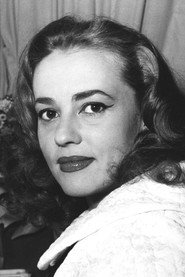 Jeanne MoreauL'autre femme
- Luce Garcia-VilleL'institutrice
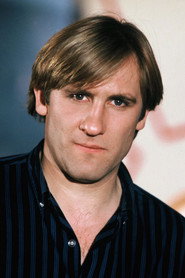 Gérard DepardieuLe démarcheur
- Valerie MascoloNathalie Granger
- Nathalie BourgeoisLaurence
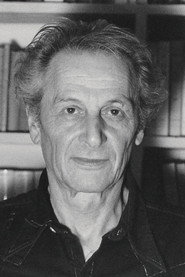 Dionys MascoloM. Granger
 Marguerite Duras(voice)
Directing
- Marguerite DurasDirector
Writing
- Marguerite DurasAuthor
Production
- Daniel HarleCasting
- Jean-Michel CarréProducer
- Luc MoulletProducer