
Film
Black God, White Devil
- Drama
- Very dark
Glauber Rocha's savage 1964 masterpiece follows a peasant and his wife fleeing across Brazil's barren interior, pursued by vengeance and mysticism. Shot in stark black and white with a prophet's intensity, it's a western that explodes genre into poetry and myth. For those ready for cinema as spiritual violence rather than comfort.
Should you watch it?
Watch it if you want a western that treats myth, faith and hunger as political forces, and you don't mind a film that argues rather than unspools neatly.
Skip it if you need clear motives and steady momentum, since its episodic wandering, stylised violence and fevered, declamatory performances can feel punishing across two hours.
What it asks of you: Two hours of dust, shouting and ritual, with an allegory that builds slowly and never stops to explain itself.
Not sure? Find tonight's pick in a minute.
If you liked this
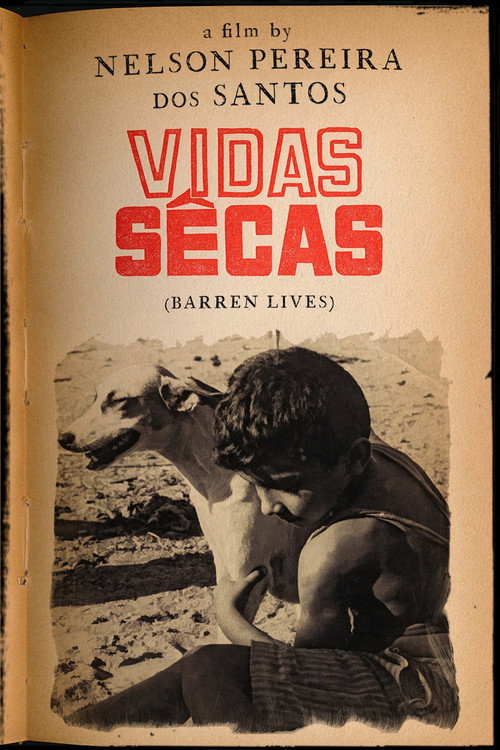
Barren Lives1963
Another Brazilian classic about survival in the sertão, Rocha's contemporary Nelson Pereira dos Santos captures the same drought-stricken landscape with quiet, devastating realism. Essential context for understanding the violence at Black God's heart.
But The pacing is deliberately, almost stubbornly slow. It's a film that asks you to sit with hardship rather than escape it.
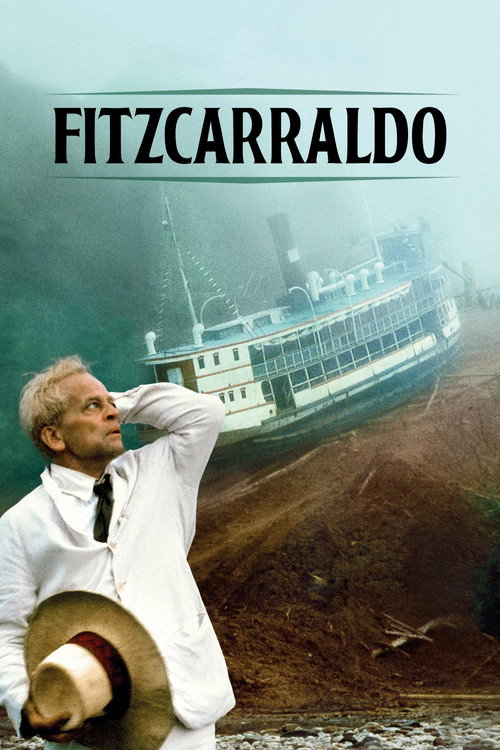
Fitzcarraldo1982
Aguirre's spiritual cousin. Herzog's obsessive dreamer dragging a steamboat upriver through Peru mirrors Rocha's protagonists crushed by landscape and ideology. The same baroque madness; the same question of whether will can move the world.
But It's long, it's repetitive, and the production mythology threatens to overshadow the film itself. Some find that exhausting rather than exhilarating.
Come and See1985
Elem Klimov's unflinching Soviet war film shares Black God's refusal to look away from human cruelty. Both are cinema as moral emergency—they don't explain or judge, they force you to witness and feel the weight of it yourself.
But It's brutally graphic and deliberately dehumanizing. Not a film you recover quickly from; that's the point, and also precisely why many won't finish it.

Not sure tonight? Get a pick in a minute, starting from Black God, White Devil
The wildcard
Something you would not have found on your own.
Synecdoche, New York2008
Both are films about men crushed by their own mythologies, where the landscape (real or constructed) becomes a character that defeats them.
Kaufman's collapsing director trapped in a set that becomes the world shares Rocha's vision of art as obsession that swallows reality whole. Both films are about how visionary men consume everything around them in pursuit of impossible truth.
But It's a fragmented, deliberately confusing American indie film about theatrical neurosis—nothing like the sertão or Brazilian cinema. You're trusting the structural echo rather than the surface.

More like this (7)
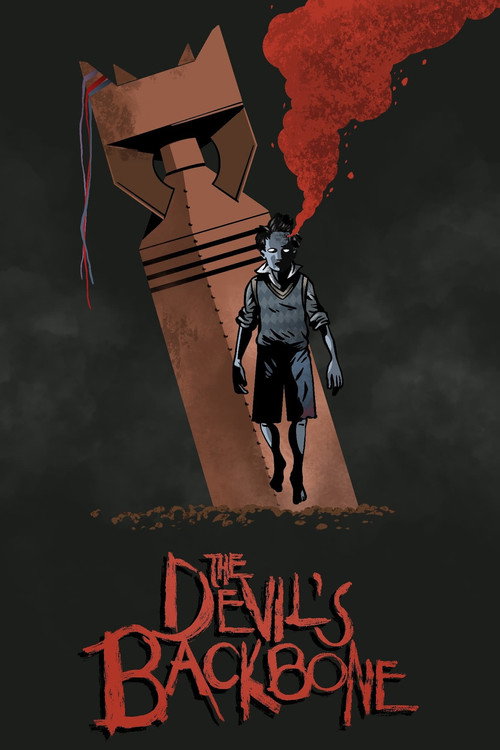
The Devil's Backbone2001
Guillermo del Toro's ghost story set during the Spanish Civil War channels similar spiritual dread and political rage. A supernatural tale that's really about power, superstition, and the violence lodged in landscape and history.
But It trades Black God's abstract ferocity for gothic architecture and visual beauty. Some find that softens the impact; others just find it easier to digest.
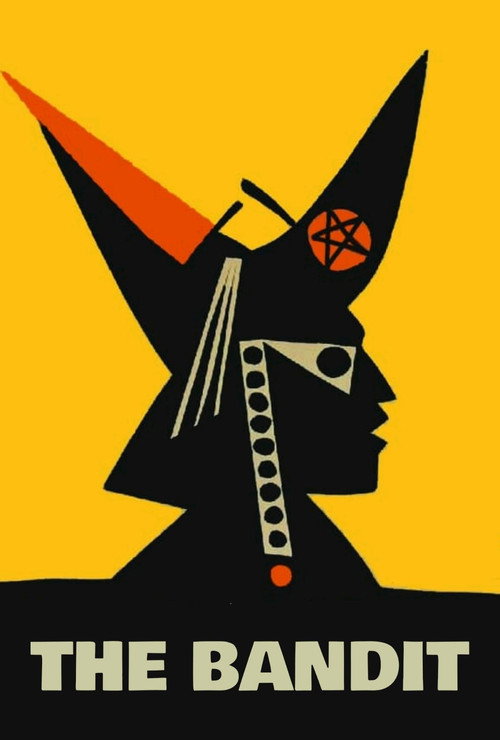
The Bandit1953
Lima Barreto's earlier sertão western about bandits and morality predates Rocha but shares the same landscape and moral ambiguity. A direct ancestor, rendered in warmer tones but with iron underneath.
But It's more traditionally structured than Black God, which some find reassuring and others find less challenging. The cinema of the 1950s moves at a different pace than Rocha's radical assault.
A Prophet2009
Audiard's prison saga shares Black God's interest in how men survive systems designed to crush them, and how violence becomes both prison and philosophy. A modern gangster equivalent to the sertão's chaos.
But It's set in contemporary France with hip-hop and phones. The registers are completely different, which might make you question the comparison rather than embrace it.

The Seventh Seal1957
Bergman's medieval morality play shares the same apocalyptic vision: fate closing in, God ambiguous or absent, violence erupting from cosmic uncertainty rather than mere circumstance. Both films treat landscape as metaphysical force.
But It's European allegorical cinema, not Latin American revolutionary fury. The temperature is entirely different, and that shift will either illuminate or distance.

Yi Yi2000
Edward Yang's three-hour Taiwanese epic sprawls across family, time, and mortality the way Rocha sprawls across landscape. Both demand your full attention and reward it with moral complexity that won't resolve into comfort.
But It's a domestic melodrama, not a western. If you're seeking the visceral punishment of Black God, this will feel oblique and almost gentle by comparison.

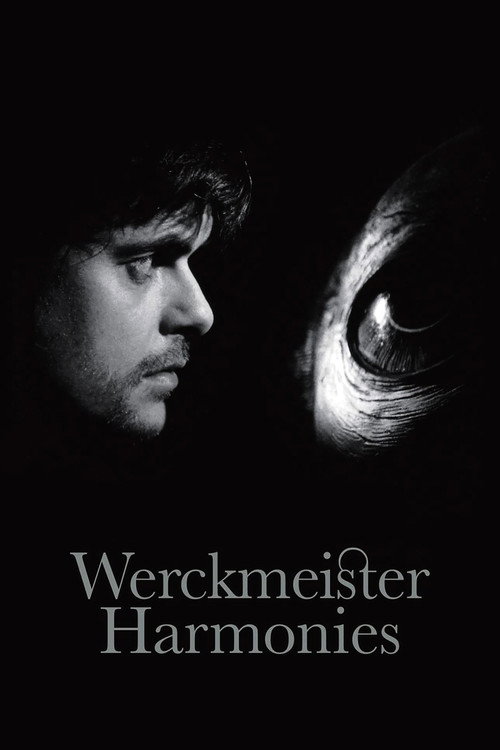
Werckmeister Harmonies2001
Béla Tarr's Hungarian apocalypse is the closest European cinema gets to Rocha's cosmic dread. A whale arrives in a provincial town; civilization frays; the camera watches with patient, implacable distance. Same metaphysical unease.
But It's black and white, it's long, it moves at a snail's pace, and nothing is explained. Even for art-house viewers, this is a commitment rather than a film.
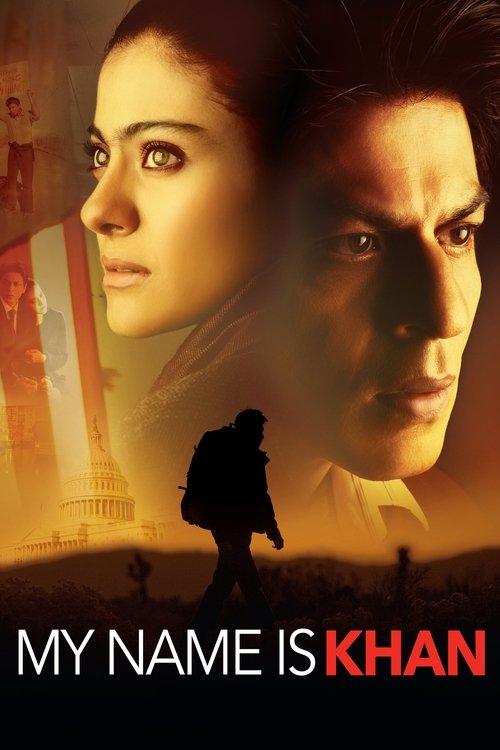
My Name Is Khan2010
Both are films about guilt, flight, and whether redemption is possible when society has decided you are damned. Both trust melodrama as a tool for moral truth rather than a limitation.
Karan Johar's Bollywood epic—yes, really—traces a man's journey across America confronting violence, prejudice, and redemption after 9/11. It's melodramatic where Black God is austere, but both are sprawling road movies about innocence meeting systematic cruelty.
But It's a three-hour Bollywood film with songs and color and sentiment. Everything about the register differs from Rocha. It requires a willingness to meet a completely different cinema on its own terms.
People
Cast
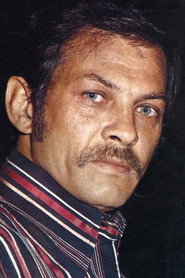 Geraldo del ReyManoel
 Yoná MagalhãesRosa
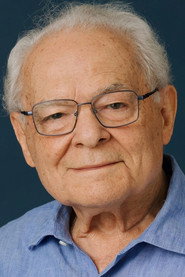 Othon BastosCorisco
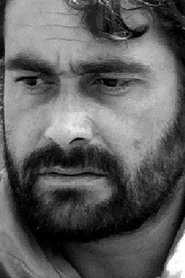 Maurício do ValleAntônio das Mortes
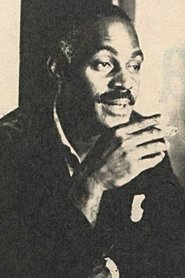 Lídio SilvaSebastião
- João GamaPriest
- Antônio PintoColonel
Directing
- Glauber RochaDirector
Writing
- Glauber RochaWriter
- Paulo Gil SoaresWriter
- Walter Lima Jr.Writer
Production
- Glauber RochaAssociate Producer
- Jarbas BarbosaAssociate Producer
- Luiz Augusto MendesProducer
- Luiz Paulino dos SantosProducer
- Agnaldo Siri AzevedoProduction Director