
Film
Lydia Bailey
A 1952 adventure film starring Dale Robertson as a Boston lawyer swept into the Haitian Revolution of 1802. It's a Technicolor swashbuckler built around a genuine historical upheaval—the fight for Haitian independence—though the film itself is more interested in romance and action spectacle than the moral weight of what's actually happening. For fans of old-fashioned Hollywood adventure with colonial-era settings and earnest heroes.
Should you watch it?
Watch it if you enjoy old-fashioned swashbuckling adventure where a romance is braided into a real historical upheaval, and you like the pleasure of a 1950s studio picture with bold colour and brisk, unfussy storytelling.
Skip it if you want a sharp, modern take on the Haitian Revolution; this is a costumed Hollywood romance that treats a brutal historical conflict as a colourful backdrop for its leads.
What it asks of you: Under ninety minutes, it moves briskly and wears its genre on its sleeve, asking you to accept period conventions and a light touch with the darker material around it.
Not sure? Find tonight's pick in a minute.
If you liked this
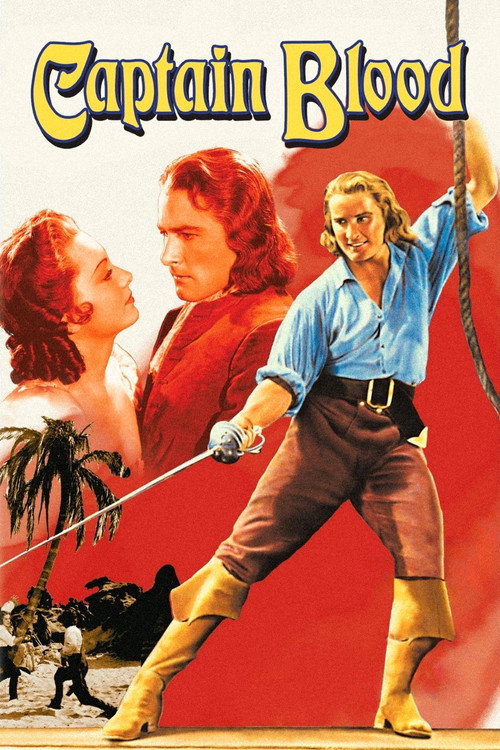
Captain Blood1935
The definitive swashbuckler template: wronged hero, impossible circumstances, sword fights, and romance, all delivered with style and genuine wit. Errol Flynn is magnetic in ways that make you understand why this archetype endured.
But The pacing feels leisurely by modern standards, and some supporting performances slip into broad comedy that doesn't land anymore.
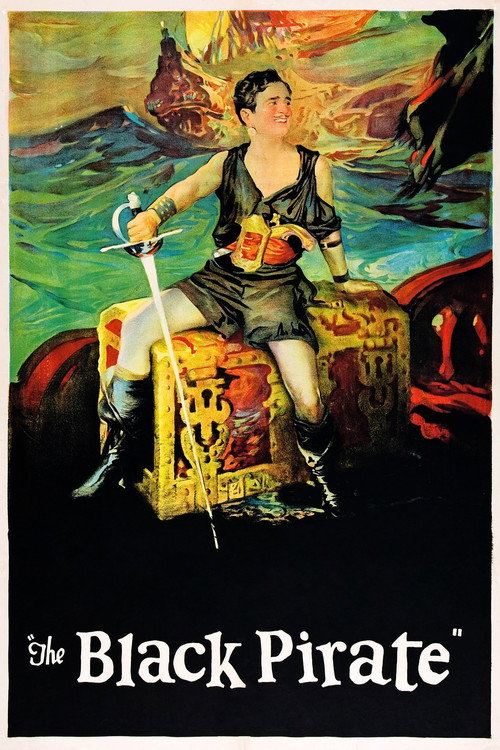
The Black Pirate1926
Douglas Fairbanks at peak athleticism and charm, pioneering the American adventure film. The stunts are genuinely astonishing—he did them himself—and the ingenuity in how they're filmed still impresses.
But It's silent, which requires patience and adjustment. The plot is gossamer-thin and exists only to string together action sequences.
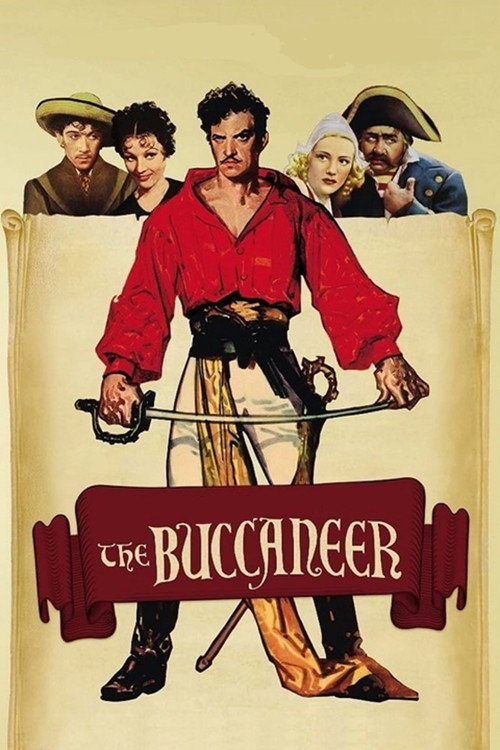
The Buccaneer1938
DeMille's lavish take on Jean Lafitte with Fredric March, all spectacle and earnestness. If you want Technicolor thrills, naval battles, and a hero working both sides of the law, this delivers the full fantasy completely without irony.
But It's stately to the point of slowness, and the romance subplot feels obligatory rather than earned.
Not sure tonight? Get a pick in a minute, starting from Lydia Bailey
The wildcard
Something you would not have found on your own.
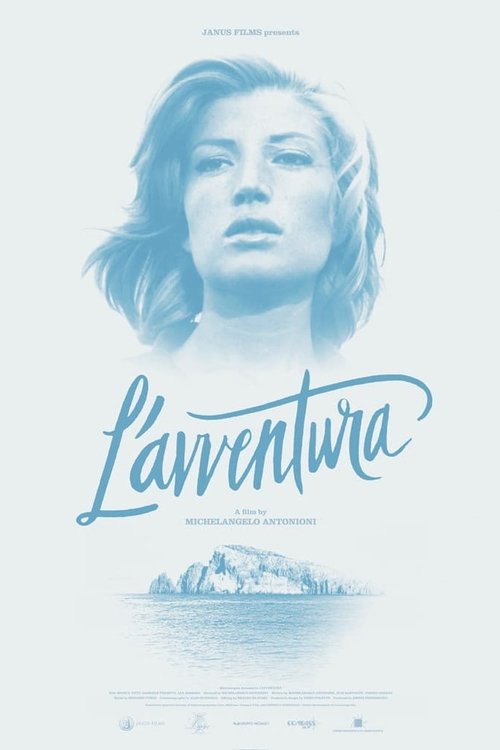
L'Avventura1960
Both films are built around romance blooming amid chaos—but where Lydia Bailey uses external turmoil as backdrop for love to flourish, Antonioni explores how surface chaos masks emotional emptiness. The same structure inverted.
Michelangelo Antonioni's masterpiece about aimlessness, desire, and class. A woman vanishes, and instead of searching, the film becomes about the emotional paralysis of the people left behind. It's glacially paced, visually gorgeous, and unlike anything mainstream cinema was doing.
But There is no plot in any conventional sense. It's sixty minutes of setup before anything happens, and what happens is internal. Patience isn't optional.
More like this (8)
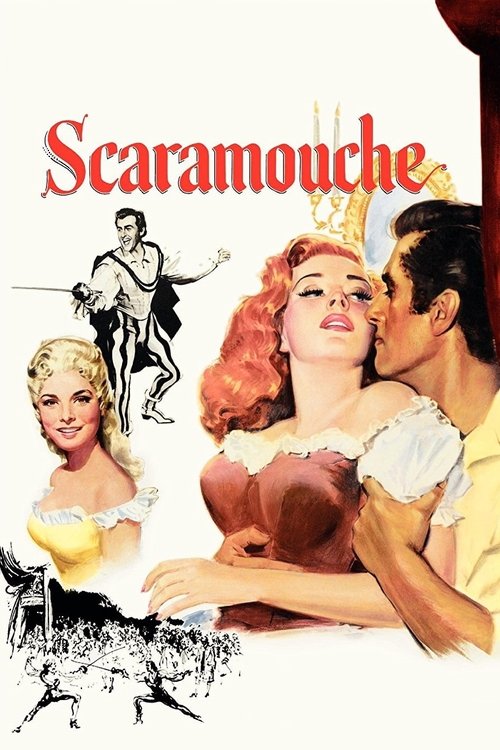
Scaramouche1952
Released the same year as Lydia Bailey, Stewart Granger in a French Revolution adventure with one of cinema's greatest sword fights. It understands that adventure films live or die on action momentum and spectacle.
But The plot is frankly silly—a man becomes an actor to infiltrate the government—and requires you not to think too hard about anything.
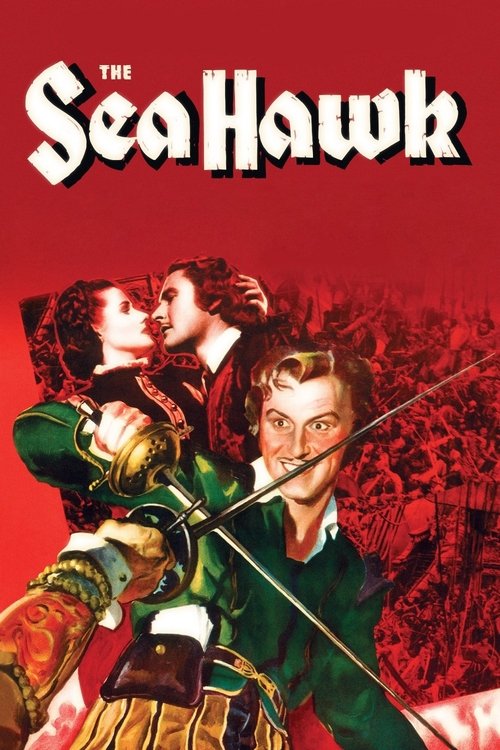
The Sea Hawk1940
Errol Flynn, Raoul Walsh direction, sumptuous Technicolor, and a script that actually cares about moral questions beneath the swordplay. This is adventure film as craft, not just as costume box.
But At two hours it outstays the plot, and some scenes of political intrigue genuinely drag.
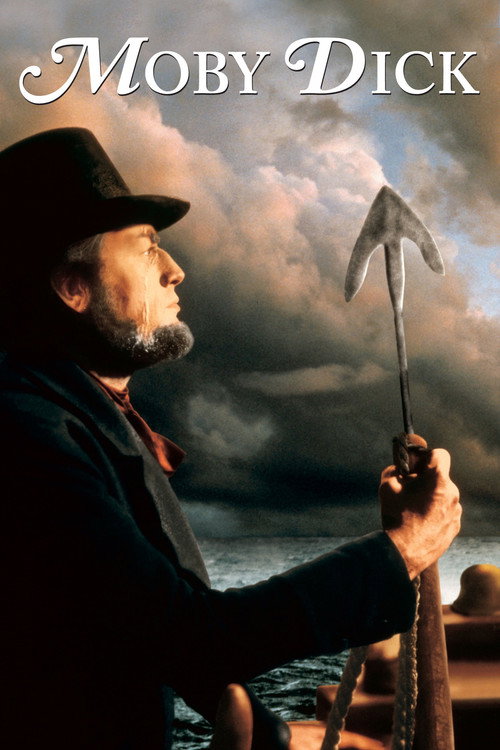
Moby Dick1956
John Huston directing Gregory Peck in a film about obsession, revenge, and man against nature. The whale hunt sequences are genuinely thrilling, and the script respects Melville's themes even while delivering adventure.
But It's a difficult watch—the obsession is suffocating, and the ending offers no comfort or resolution. Pacing can feel uneven.
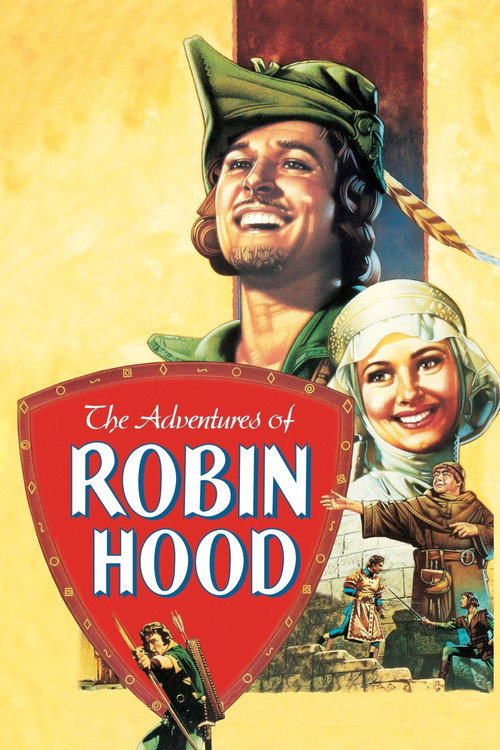
The Adventures of Robin Hood1938
The Technicolor is rapturous, the swordplay is exuberant, and Errol Flynn and Olivia de Havilland have an ease together that makes you believe in both the adventure and the romance.
But It's lighter than air—there's no real menace or stakes—and that makes some of it feel dated rather than timeless.
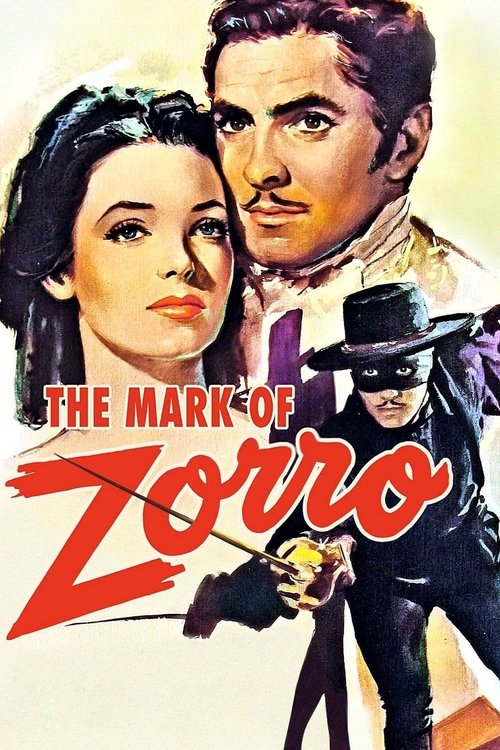
The Mark of Zorro1940
Tyrone Power in a remake of the silent original, with style and genuine charm. It understands that the real excitement is in the hero's secret identity and double life, not just the swordplay.
But The colonial California setting is treated mostly as set dressing; the film isn't interested in what's actually happening there.
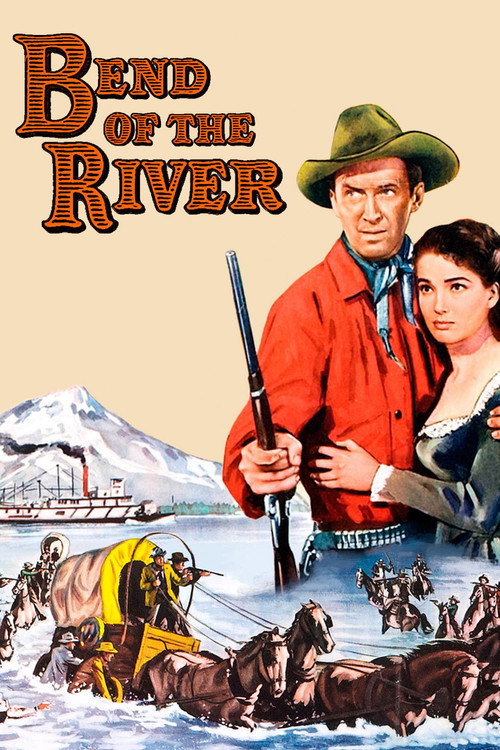
Bend of the River1952
James Stewart in an Oregon frontier adventure with real character work and moral ambiguity. It's a Western that knows how to build tension and actually cares about the world it's set in.
But It's a Western, not a swashbuckler, so if you want cutlasses and Technicolor costume fantasy, this trades that for something grittier and slower.
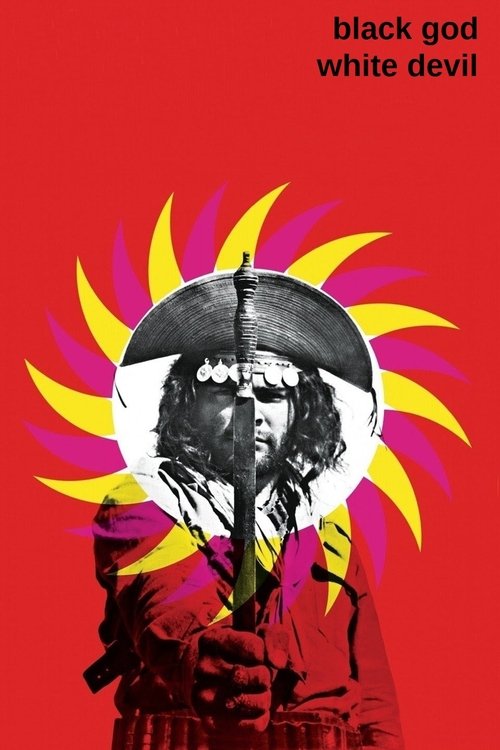
Black God, White Devil1964
Both grapple with colonialism and independence, but Rocha is interested in the actual cost—the moral fracture, the complicity, the way revolution destroys those fighting it. Lydia Bailey imagines heroism; this film shows what heroism actually costs.
Glauber Rocha's Brazilian masterwork about peasants caught between despots, bandits, and false prophets. It's formally audacious—jump cuts, hand-held camera, montage—and aesthetically stunning. Raw and visionary in ways that feel almost dangerous.
But It's in Portuguese, and more importantly, it has no interest in narrative comfort. The violence is real, the suffering is real, and the film offers no catharsis or hero's satisfaction.
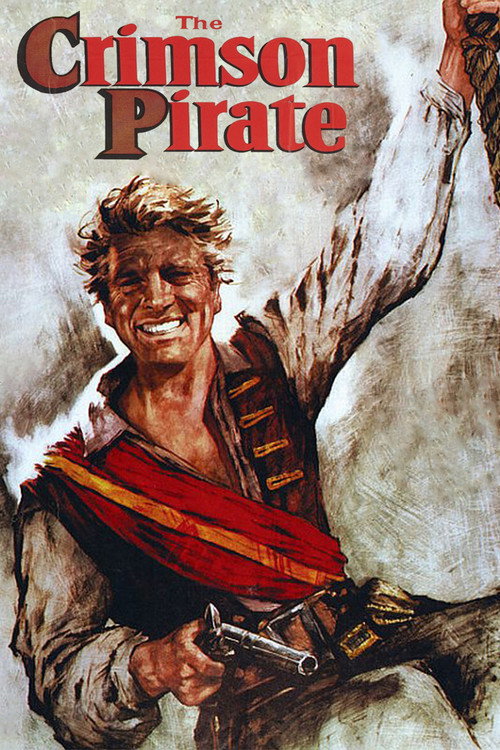
The Crimson Pirate1952
Same release year, same genre, but The Crimson Pirate knows it's a game and plays it with anarchic energy. Where Lydia Bailey plays adventure straight, this one deconstructs the whole enterprise while staying within it—a different answer to what adventure film could be.
Burt Lancaster in the same year, a film about a pirate with a heart of gold who's also an inventor and acrobat. It's campy, self-aware, physically inventive, and joyful in ways that feel ahead of its time. Pure fun that doesn't apologize.
But It's deliberately cartoonish and impossible to take seriously as adventure. Some find that liberating; others find it tries too hard to wink at the audience.
People
Cast
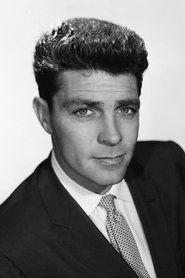 Dale RobertsonAlbion Hamlin
 Anne FrancisLydia Bailey
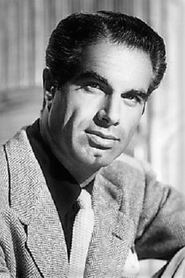 Charles KorvinCol. Gabriel D'autremont
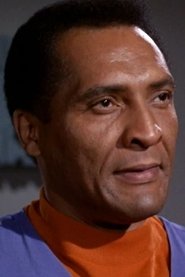 William MarshallKing Dick
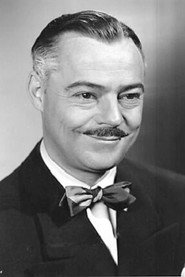 Luis van RootenGeneral Charles LeClerc
- Angos PerezPaul d'Autremont
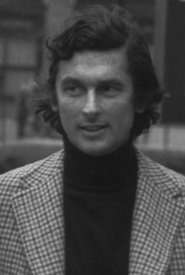 Robert EvansSoldier
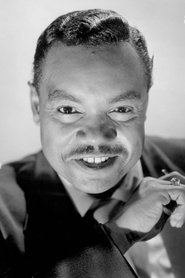 Roy GlennMirabeau
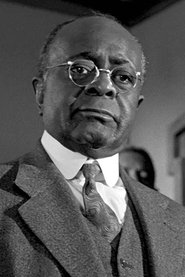 Bill WalkerGeneral LaPlume
- Rosalind HayesAspodelle
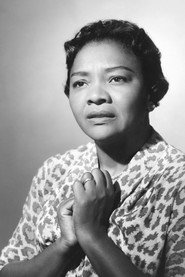 Juanita MooreMarie (uncredited)
 Gladys HollandPauline Bonaparte (uncredited)
Directing
- Jean NegulescoDirector
Writing
- Kenneth RobertsNovel
- Michael BlankfortWriter
- Philip DunneWriter
Production
- Jules SchermerProducer