
Film
Bye Bye Brazil
Bye Bye Brazil follows a ramshackle traveling circus—the Caravana Rolidei—as it journeys through the Brazilian interior, carrying a magician, a dancer, strongman, and newly enlisted accordionist deeper into a modernizing landscape that has no use for their art. It's lyrical and melancholy, watching obsolescence roll forward in a truck bed. For anyone who loves cinema that moves like music and grieves without saying so.
If you liked this
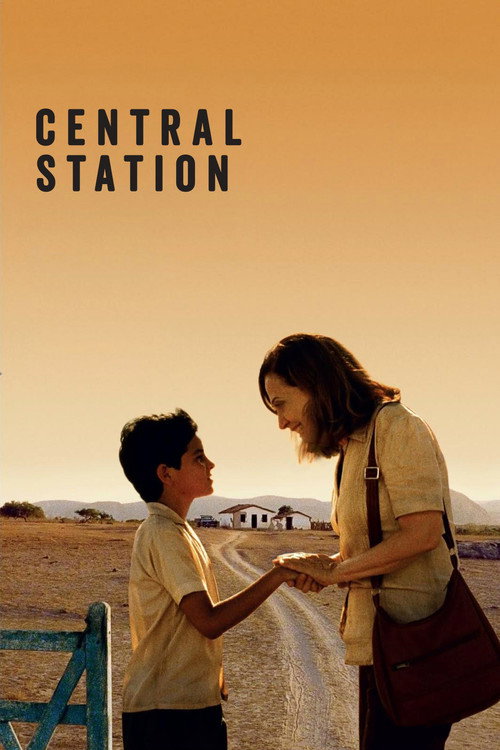
Central Station1998
Another portrait of Brazil in transit, following an unlikely pair across the country. Dardenne-like in its dignity for working people, achingly human, and gorgeously shot in widescreen like a travelogue of the soul.
But Moves at a deliberate pace; it's an accumulation of small moments rather than plot-driven. The sentimentality is earned but requires patience.
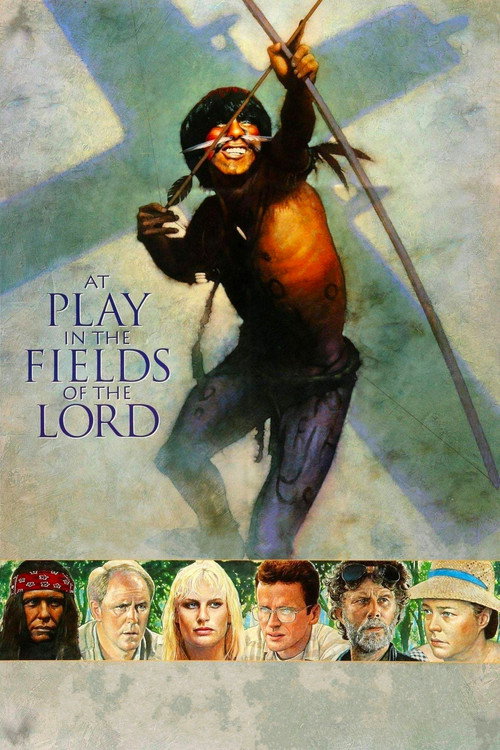
At Play in the Fields of the Lord1991
Another epic set in the Brazilian wilderness with a carnival of characters—missionaries, mercenaries, indigenous tribes—colliding at the edge of civilization. Hector Elizondo and Tom Berenger in a morally ambiguous fever dream.
But Sometimes visually stunning, sometimes incoherent. The script sprawls and the pacing stumbles. Not every scene justifies itself.
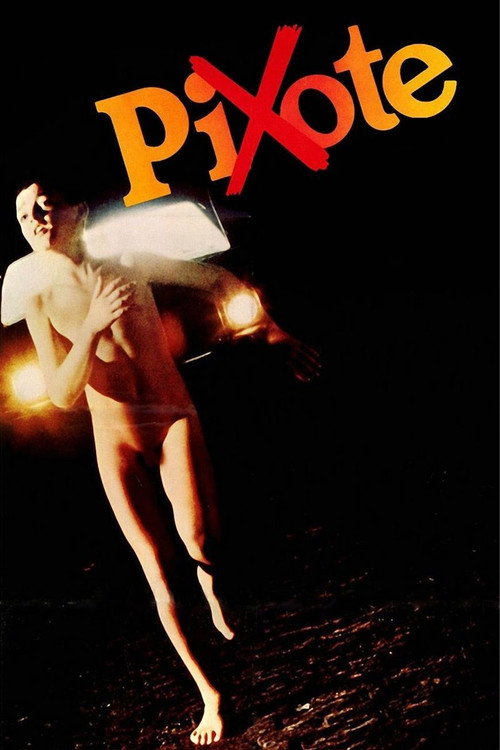
Pixote1980
Made the same year as Bye Bye Brazil, this is Brazil's shadow side—street children, poverty, exploitation. Brutal and unflinching, but with a poet's eye. Babenco's masterpiece about survival and lost innocence.
But Genuinely distressing. Features child actors in harrowing situations. This is cinema as accusation, not comfort.
Not sure tonight? Get a pick in a minute, starting from Bye Bye Brazil
The wildcard
Something you would not have found on your own.
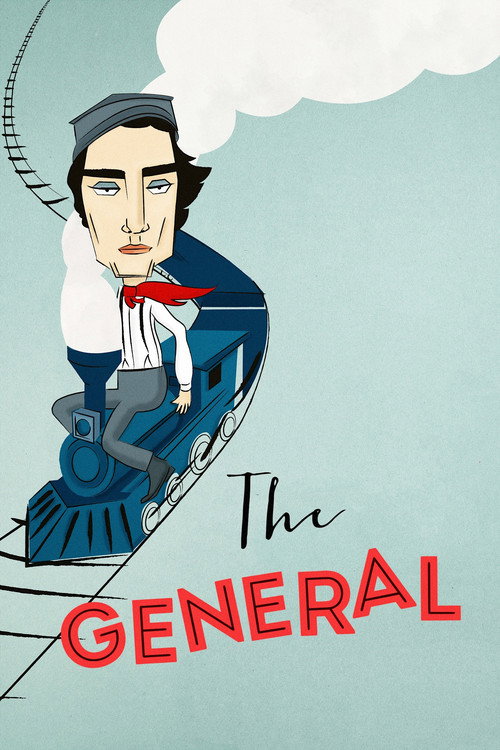
The General1926
The melancholy of Bye Bye Brazil—grieving modernity—appears in Keaton's face. He's performing the end of an era with technical perfection and quiet heartbreak.
Buster Keaton's silent comedy set during the Civil War, but it's really about a man trying to preserve an obsolete way of life—he's a railroad engineer devoted to a steam engine while history overtakes him. Pure visual storytelling; each frame is composed like a painting.
But It's silent. If you've never watched silent cinema, the register will feel alien. The slapstick, however miraculous, requires a different muscle.
More like this (5)
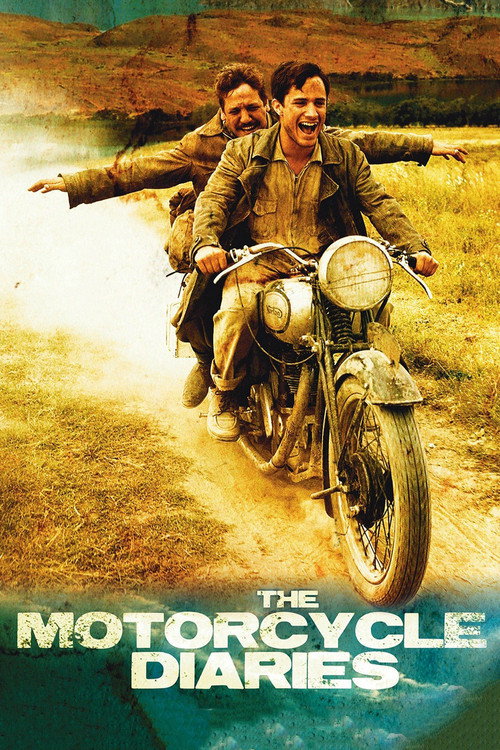
The Motorcycle Diaries2004
A road movie across South America following young Ernesto Guevara. Meditative, visually sumptuous, interested in how landscape and encounters transform you. Beautifully shot in Super 16.
But Biographical reverence can curdle into hagiography. Some viewers find it too sympathetic to its subject. The ending is foregone.
La Haine1995
A different continent and context, but the same formal elegance: a single day in a marginalized space, told in black-and-white, with an ensemble cast and mounting dread. Kassovitz's visual language is as precise as Diegues's.
But Densely referential to '90s Paris hip-hop culture; some context helps. Can feel like a time capsule. The politics are straightforward.

The Ballad of Little Jo1993
A woman passes as a man in the 1880s American West. Like Bye Bye Brazil, it's about performance, survival, and the frontier as a place where old identities dissolve. Slow, strange, and quietly radical.
But Deliberately paced and sparse. Some find it theatrical rather than cinematic. Won't satisfy anyone looking for conventional narrative drive.

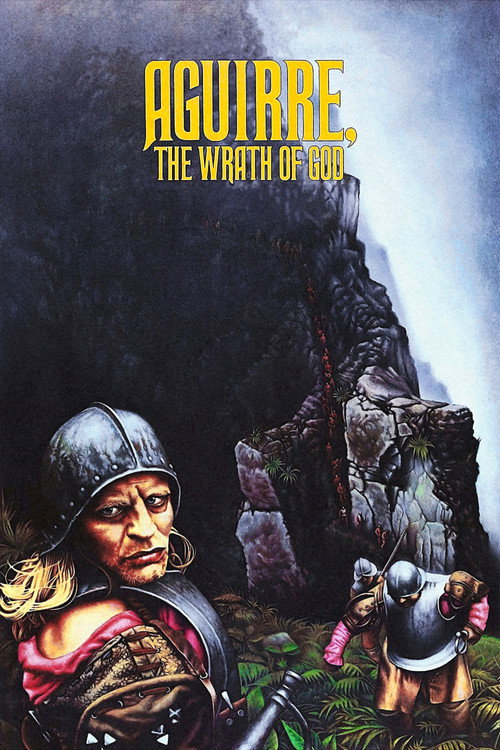
Aguirre, the Wrath of God1972
Herzog's obsessive vision of a conquistador expedition collapsing in the Amazon. Hallucinatory, operatic, and utterly singular. About ambition and delusion in an indifferent wilderness.
But Deliberately artificial and mannered. Herzog's vision overpowers naturalism. Some see genius; others see pretension.
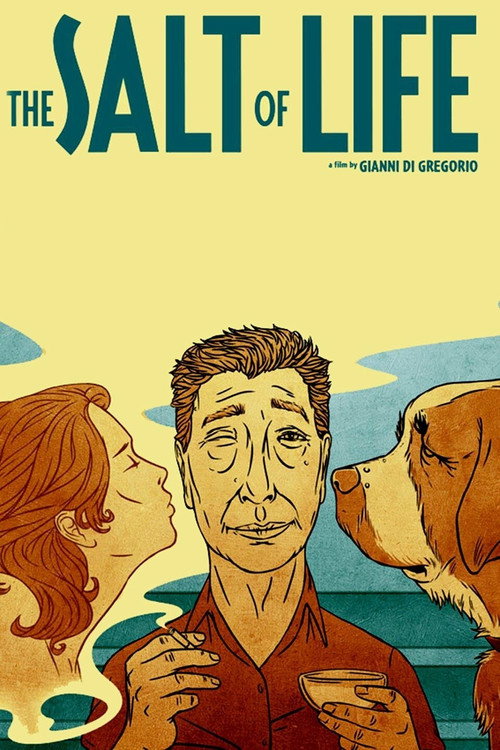
The Salt of Life2011
Both films are elegies for ways of living that modernity has abandoned—Bye Bye Brazil mourns the traveling circus; Di Gregorio mourns the social world of old Rome. Both love their subjects too much to sentimentalize them.
Gianni Di Gregorio's film about an elderly widow in Rome seeking to reconnect with friends and find meaning. Sparse, observational, funny without trying. Shot in natural light. An essay film disguised as a gentle comedy.
But Almost nothing happens. It's a meditation on aging and solitude, not a story with stakes. Long static shots of city streets. Requires affection for cinema of everyday life.
People
Cast
 José WilkerLorde Cigano
 Betty FariaSalomé
 Fábio JúniorCiço
 Zaira ZambelliDasdô
- Príncipe NaborAndorinha
 Emmanuel CavalcantiPrefeito
- José Márcio PassosAssessor
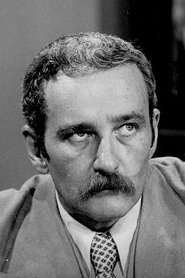 Carlos KroeberCaminhoneiro
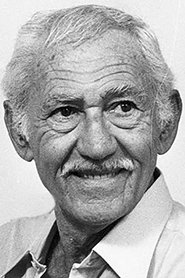 Jofre SoaresZé da Luz
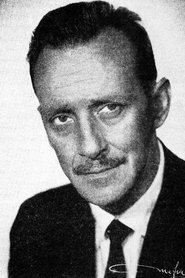 Rodolfo ArenaLavrador
- Carlos LagoeíroSertanejos
Directing
- Bruno WainerAssistant Director
- Fábio BarretoAssistant Director
- Nieves CabelloContinuity
- Carlos DieguesDirector
Writing
- Carlos DieguesWriter
- Leopoldo SerranWriter
Production
- Bruno BarretoAssociate Producer
- Carlos Henrique BragaAssociate Producer
- Lucíola VilellaAssociate Producer
- Walter ClarkAssociate Producer
- Lucy BarretoProducer
- Luiz Carlos BarretoProducer
- Alvaro MagaldiProduction Assistant
- Cláudio BarretoProduction Assistant
- Marco AltbergProduction Manager
- Otávio de MirandaProduction Manager
Recommended by
The Forbidden Dance, Tent of Miracles, Dona Flor and Her Two Husbands, The Stoker, Blood of the Beasts, Gabriela