
Film
Le Bal
- Musical
- Strange
A French musical without plot or conventional narrative, *Le Bal* unfolds as a series of choreographed song-and-dance numbers set in a nightclub across seven decades. Characters—waiters, collaborators, resistants, students—embody moments from 1920s to 1980s Paris. It's a love letter and satirical reckoning with French culture told entirely through movement, music, and spectacle. Joyful and unexpectedly moving.
Should you watch it?
Watch it if you love history told sideways through accordion waltzes, mime and gentle satire, the kind of film where a dance floor holds a whole century and you enjoy catching the jokes about France's own myths.
Skip it if you need a plot to hold onto, since it is a parade of sketches and song with little dialogue and no through-line, so it can feel thin over its runtime.
What it asks of you: Settle in for just under two hours of music, movement and mostly silent gesture, where your attention drifts between jokes and tunes rather than following one character.
Not sure? Find tonight's pick in a minute.
If you liked this
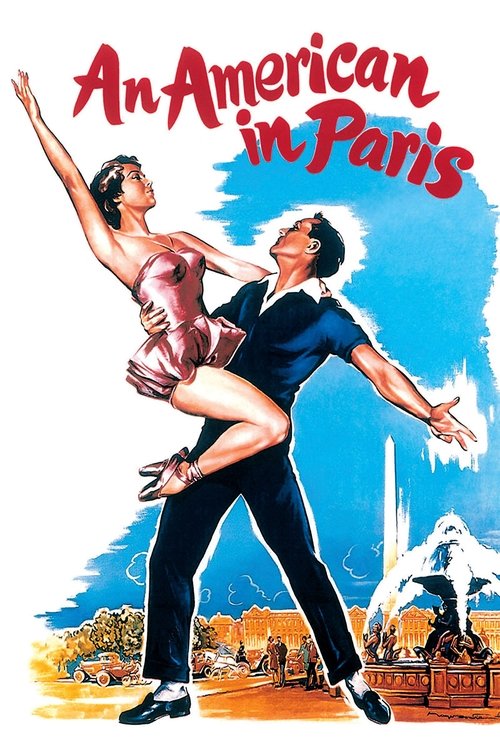
An American in Paris1951
A glorious, expansive musical that shares *Le Bal*'s belief that dance and song can tell a country's story. Gershwin's score and the sheer architectural ambition of the sequences have the same intoxicating energy.
But The romantic plot is fairly conventional and can feel like a frame for the spectacle rather than its equal.
Singin' in the Rain1952
Gene Kelly and Donald O'Connor prove that pure physicality and joy can carry you through a film. Like *Le Bal*, it trusts the audience to follow narrative through movement alone.
But The style is mid-century American, so tonally it's much lighter and less concerned with history or social weight.

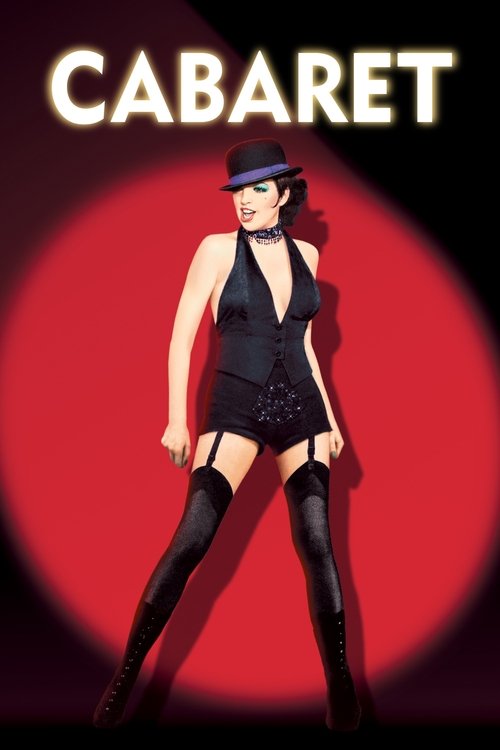
Cabaret1972
A musical that uses performance as moral and political commentary, set in a decadent nightclub during a dark historical moment. Both films understand that spectacle can be critical.
But Deliberately bleak and often uncomfortable. The musical numbers serve the dread rather than provide escape.
Not sure tonight? Get a pick in a minute, starting from Le Bal
The wildcard
Something you would not have found on your own.
La Haine1995
Both are examinations of France through its social texture and visual form—one celebratory and retrospective, one urgent and present-tense. Both trust the audience to understand through watching, not listening.
Mathieu Kassovitz documents contemporary French life and division with the same satirical precision and formal ambition *Le Bal* brought to the past. Both films argue through style and composition, not plot.
But Shot in stark black-and-white and deeply angry. It's a complete tonal reversal from *Le Bal*'s joy, though both are fundamentally political.

More like this (8)
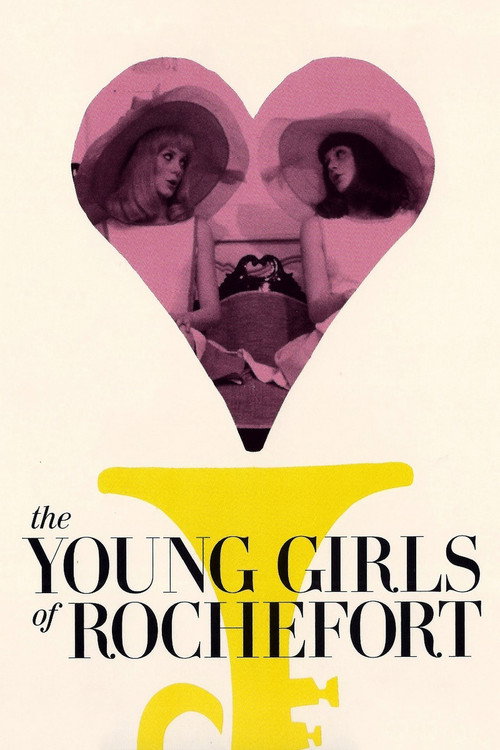
The Young Girls of Rochefort1967
Another celebration of French culture and everyday life through exuberant musical numbers. Demy's colour palette and belief in the poetry of ordinary moments echo *Le Bal*'s optimism.
But More whimsical and less historically ambitious. Some find the style too saccharine.
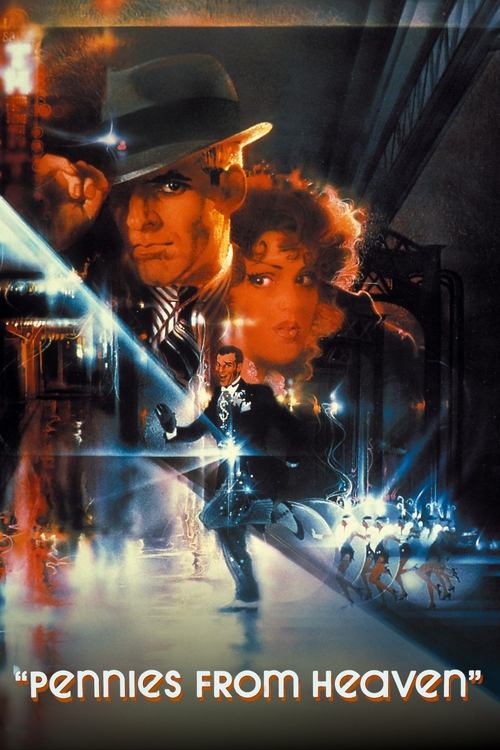
Pennies from Heaven1981
A Depression-era musical where song-and-dance sequences interrupt a grim story, creating ironic comment on escapism. Similar structural idea to *Le Bal*, different mood.
But Can feel mannered and the tonal shifts are jarring if you're not prepared for them.
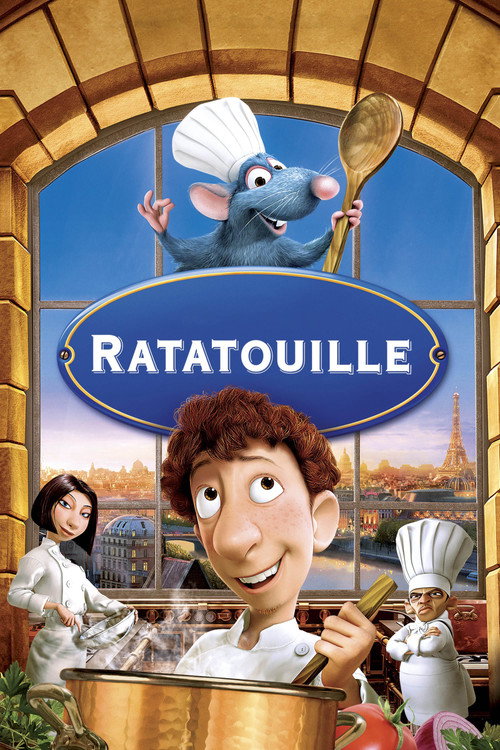
Ratatouille2007
Animated celebration of Paris and French culture that, like *Le Bal*, finds grandeur in everyday moments and people. The kitchen-set musical sequences have genuine choreographic invention.
But Completely different register: family film instead of experimental theatre-piece. Safe where *Le Bal* is formally risky.
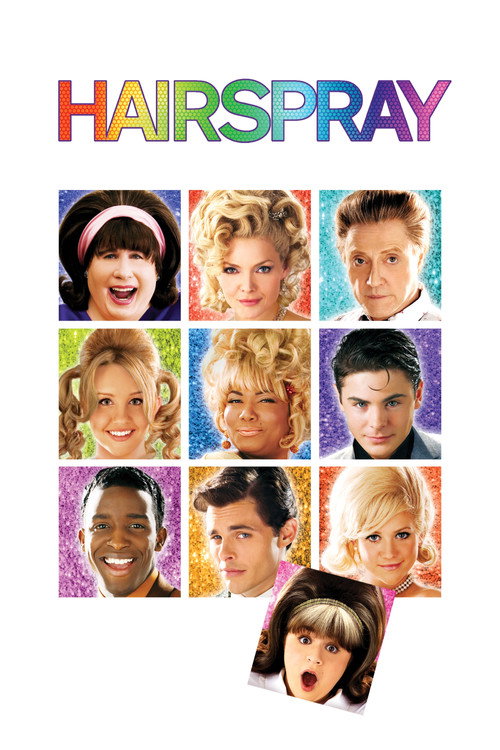
Hairspray2007
A musical that uses performance to address social change and racism in 1960s America. Performance as politics, much like *Le Bal*'s approach to French history.
But Considerably more earnest and less formally experimental. The spectacle serves a clearer message.
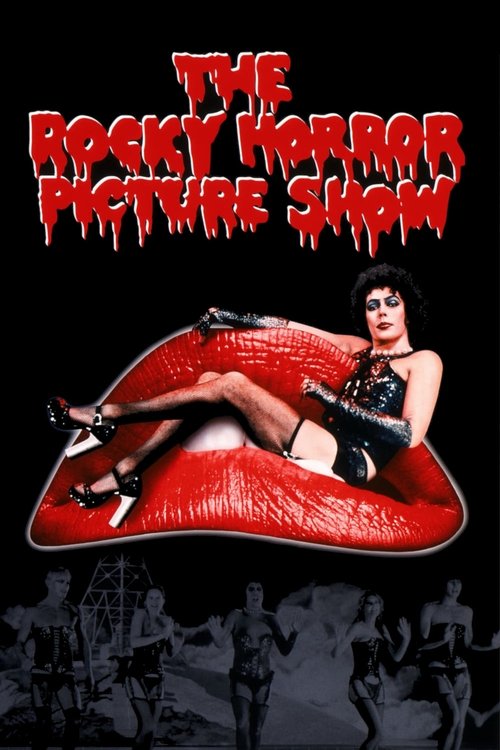
The Rocky Horror Picture Show1975
A film designed as performance, where music and dance create culture and community. Both are cult experiences that reward surrendering to the form.
But Deliberately trashy and campy rather than seeking beauty. The mood is provocative rather than reflective.
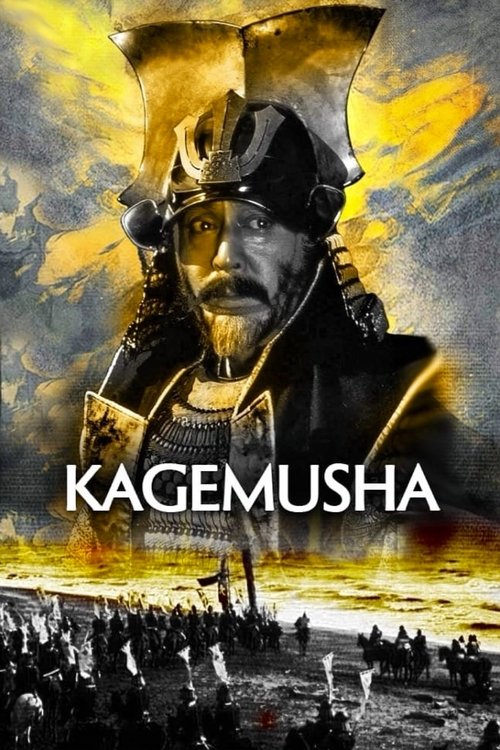
Kagemusha1980
Kurosawa uses dance, colour, and spectacle to tell a story about identity and history. A historical epic that trusts visual storytelling over exposition.
But A samurai epic in Japanese, no musical numbers, and substantially longer. The spectacle serves different purposes.
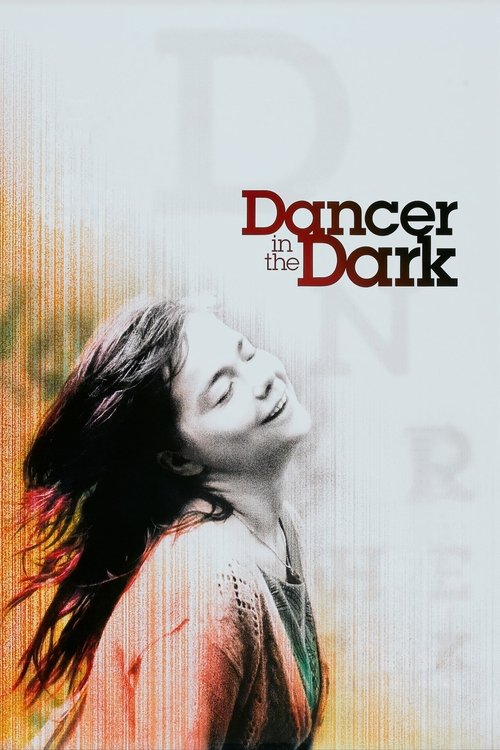
Dancer in the Dark2000
Both use choreographed musical sequences to comment on the gap between spectacle and lived experience, between what we celebrate and what we endure.
Lars von Trier intersects musical numbers with a brutal crime story. Like *Le Bal*, it asks what happens when song and dance collide with historical or social reality, but answers the question far more darkly.
But Intensely bleak and the final act is genuinely devastating. The juxtaposition of musical joy and suffering can feel manipulative.
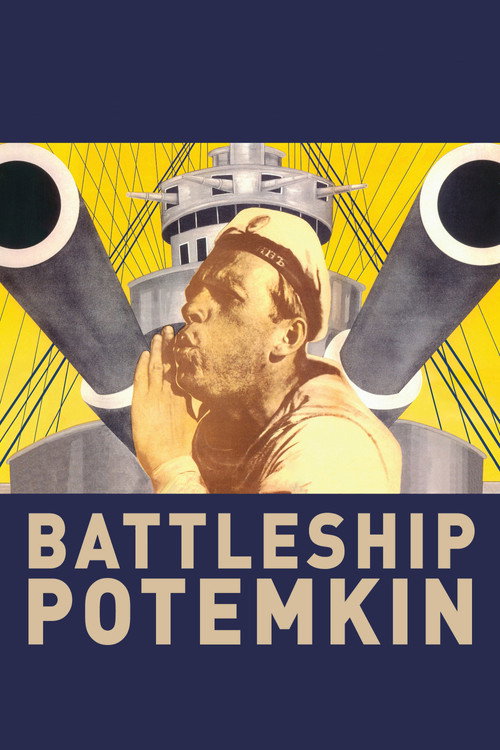
Battleship Potemkin1925
Both are radical formal experiments that use visual rhythm and composition to argue about history and politics. Both prove that a film can be essay and celebration simultaneously.
Eisenstein's revolutionary montage techniques turn history into spectacle without music or dance. *Le Bal* achieves similar formal ambition—making abstraction visceral—through entirely different means.
But Silent, Soviet, formally demanding, and about mutiny and violence. About as far from a nightclub musical as cinema gets, visually and politically.
People
Cast
 Marc BermanL'aristo / Le planqué / Le collaborationiste
- Christophe Allwrightle jeune homme de banlieue
- Étienne Guichardle jeune professur
- Régis Bouquetle patron de la salle
- Arnault Lecarpentierle jeune typographe
- Liliane Delvall'alcoolique
- Martine Chauvinla jeune fleuriste
- Danielle Rochardla livreuse d'une modiste
- Nani Noëlla fille de joie / la jeune juive / la refugiée
- Aziz Arbiale jeune ouvrier
- Geneviève Rey-Penchenatl'aristo
Directing
- Gianfrancesco LazottiAssistant Director
- Ettore ScolaDirector
- Elide CortesiScript Supervisor
- Pascal RaliteThird Assistant Director
Writing
- Jean-Claude PenchenatIdea
- Ettore ScolaScenario Writer
- Furio ScarpelliScenario Writer
- Jean-Claude PenchenatScenario Writer
- Ruggero MaccariScenario Writer
- Ettore ScolaWriter
- Furio ScarpelliWriter
- Ruggero MaccariWriter
Production
- Camille Le FrançoisAdministration
- Franco CommitteriExecutive Producer
- Giorgio SilvagniProducer
- Mohammed Lakhdar-HaminaProducer
- Giorgio ScottonProduction Manager
- Pierre Saint-BlancatProduction Manager