
Film
The Year My Parents Went on Vacation
A twelve-year-old Jewish boy is abandoned in São Paulo's immigrant neighborhood during the 1970 World Cup, as Brazil's military dictatorship tightens. He finds refuge with his grandfather and gradually uncovers why his parents vanished. It's a tender, layered film about childhood bewilderment, community, and the ordinary lives fractured by political terror. For anyone who loves intimate coming-of-age stories set against historical upheaval.
If you liked this
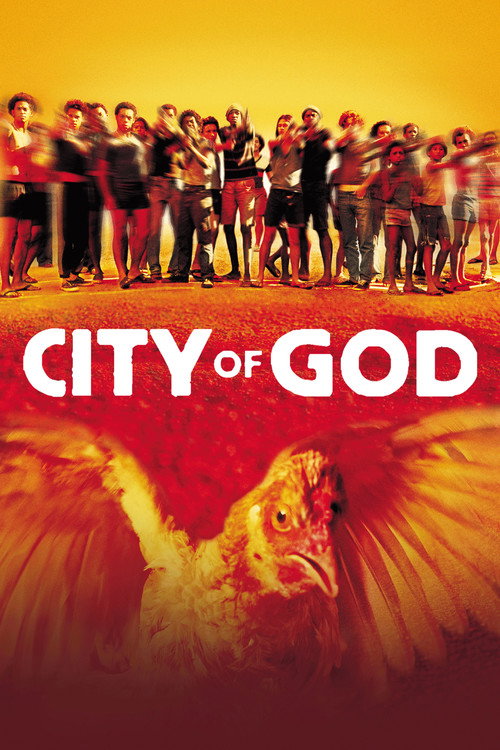
City of God2002
Another Brazilian film that uses a child's perspective to navigate poverty, violence, and community in Rio de Janeiro. Explosive energy and moral complexity wrapped around a young life caught between worlds.
But Relentlessly brutal and fast-paced; the stylistic flourishes can feel at odds with its tragic content. Requires active viewing.
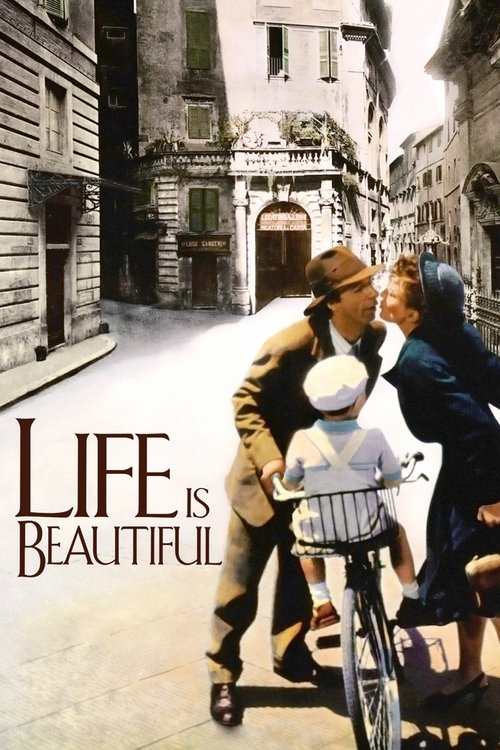
Life Is Beautiful1997
An Italian father shields his young son from the reality of a concentration camp through imagination and play. Like *Year My Parents*, it finds profound humanity and dark comedy in a child's misunderstanding of parental sacrifice during genocide.
But The tonal balance between whimsy and horror unsettles some viewers. The fantasy elements may feel like they soften atrocity.
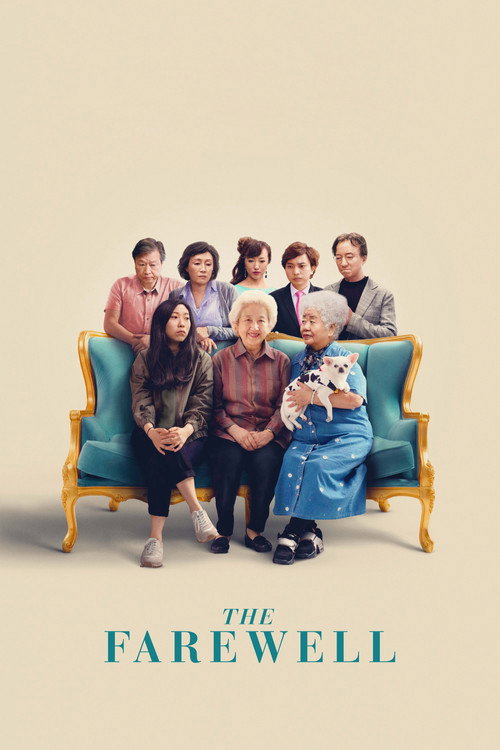
The Farewell2019
A multigenerational family keeps a terminal diagnosis secret, forcing a young woman between two cultures' expectations. Shares the film's tension between what adults hide and what children understand, rendered with warmth and wit.
But Character-driven and quiet; the emotional beats are subtle rather than declared. Can feel slight to viewers expecting traditional narrative shape.
Not sure tonight? Get a pick in a minute, starting from The Year My Parents Went on Vacation
The wildcard
Something you would not have found on your own.
A Prophet2009
Both are Bildungsroman films about how institutional or historical forces recruit children into adult betrayals and compromises. The child's education is inseparable from complicity.
A young Arab man arrives at a French prison and is groomed by an older inmate into criminality. Structurally mirrors *Year My Parents*—a boy in an enclosed community learning the secret codes of survival under authority—but in a prison rather than a neighborhood, and far darker.
But Extremely violent. The grooming is sexual and the power dynamics are disturbing. Set in a world of rape and murder; not for those seeking warmth.

More like this (8)
Come and See1985
A Soviet film following a boy conscripted into WWII. Devastating portrait of childhood destroyed by war and state machinery—the historical moment fractures a single life with brutal clarity.
But One of cinema's most harrowing films. The violence is unflinching and the boy's suffering is not redeemed by the ending. Genuinely traumatic viewing.

Bicycle Thieves1948
A father and son traverse post-war Rome searching for a stolen bicycle. Neorealist masterpiece about ordinary people betrayed by circumstance, told with devastating simplicity and a child's confused sense of adult failure.
But Plotless by modern standards; it trusts you to find meaning in small moments. The ending refuses catharsis. Some find it slow.

The Umbrellas of Cherbourg1964
A young man is conscripted while in love; the film traces how historical events and parental pressure splinter a romantic bond. Achingly beautiful exploration of how the world intrudes on private joy, set to gorgeous music.
But A musical. The primary action is emotional rather than plot-driven. If you resist the artifice of song, the film won't open.

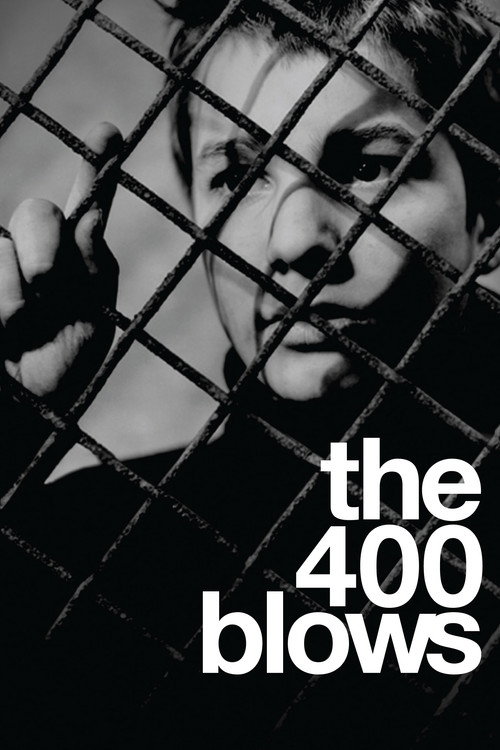
The 400 Blows1959
Truffaut's masterpiece about a neglected Parisian boy adrift between school and the streets. Captures the ache of childhood misunderstanding with such tenderness you feel the boy's confusion as your own.
But Formally experimental for 1959; some shots hold longer than you expect. The ending is deliberately unresolved. It can feel like a sketch rather than a story.
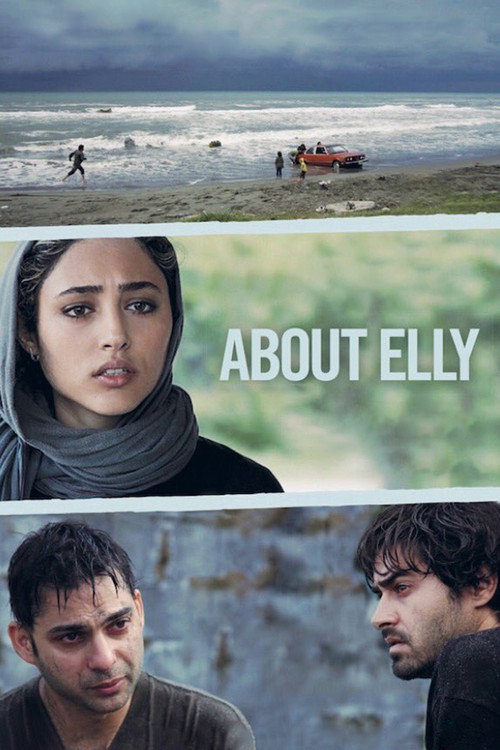
About Elly2009
An Iranian group trip unravels when a young woman disappears; what follows is an examination of how adults rewrite truth to protect themselves. Like *Year My Parents*, adults' secrets corrode childhood and community trust.
But A slow-burn mystery that trusts your patience. Deliberately opaque about motive. Some viewers find it frustrating rather than profound.
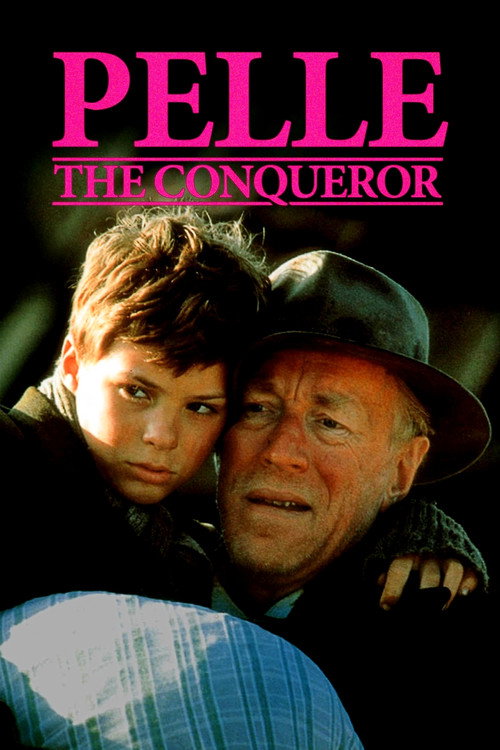
Pelle the Conqueror1987
A Swedish-Danish film about a father and son arriving as poor laborers in turn-of-century Denmark. Explores class, parental love, and how children absorb their parents' shame and ambition across generations.
But Formally stolid and long; Bille August's style is painterly but can feel static. The emotional payoff requires patience with restraint.
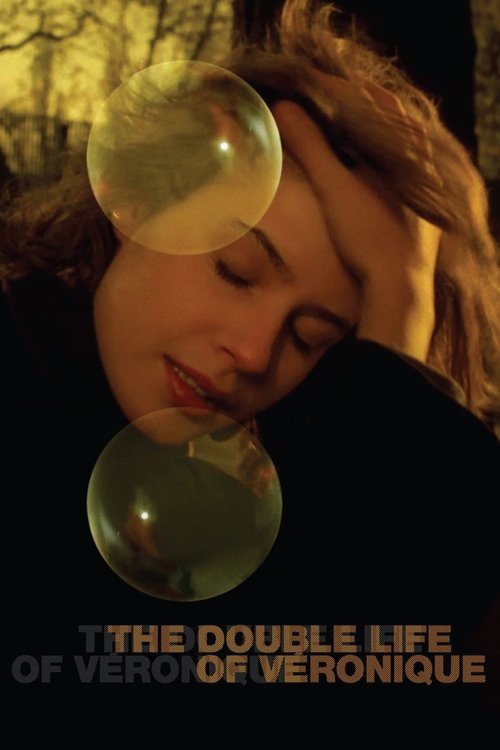
The Double Life of Véronique1991
Both examine how political regimes splinter families and identities, but this one does it through metaphor and the feminine rather than a child's literal confusion. Cold War cinema meeting magical realism.
A haunting Polish-French film about two women separated by the Iron Curtain who may be the same person. Uses hidden history and fractured identity to explore what authoritarian states steal from ordinary lives. Visually rapturous and philosophically dense.
But Deliberately ambiguous and dreamlike; plot is secondary to mood and visual metaphor. Requires you to accept mystery without explanation. Can feel pretentious.
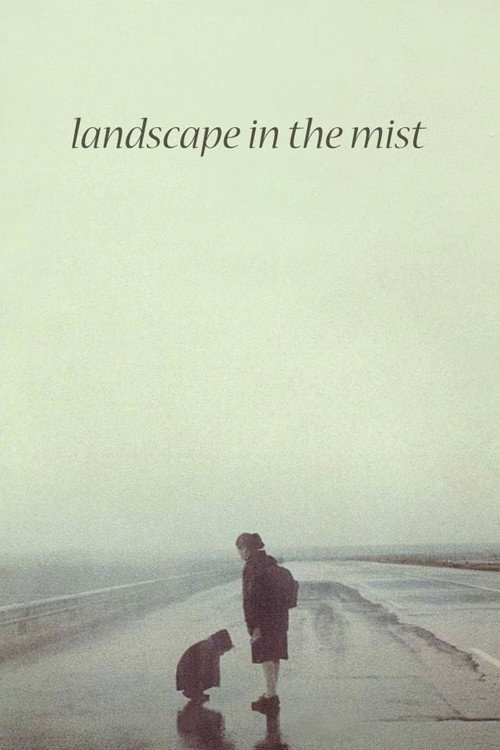
Landscape in the Mist1988
Like *Year My Parents*, it's about children abandoned or left behind, but it's not realistic drama—it's an allegory of post-war European displacement told in the register of experimental cinema rather than humanist family story.
Theo Angelopoulos's film: two Greek children walk north toward Germany to find their father, whom their mother says is waiting. Long takes, minimal plot, European landscape as metaphor for loss and impossible journeys. Poetic cinema about displacement and childhood myth.
But Glacially paced, almost no dialogue, and the children remain silent and unknowable. If you need narrative momentum or character interiority, this will feel like watching nothing happen.
People
Cast
 Michel JoelsasMauro
 Germano HaiutShlomo
 Paulo AutranMótel (Avô)
 Simone SpoladoreBia (Mãe)
 Eduardo MoreiraDaniel (Pai)
 Caio BlatÍtalo
- Daniela PiepszykHanna
- Haim FridmanDuda
- Hugueta SendaczDona Eidel
- Malvina KlinowIrmã Berezovsky
Directing
- Cao HamburgerDirector
Writing
- Anna MuylaertScreenplay
- Bráulio MantovaniScreenplay
- Cao HamburgerScreenplay
- Claudio GalperinScreenplay
- Cao HamburgerStory
- Claudio GalperinStory
- Adriana FalcãoWriters' Assistant
Production
- Débora IvanovAssociate Producer
- Patrick SiarettaAssociate Producer
- Paulo RibeiroAssociate Producer
- Patricia FariaCasting Producer
- Daniel FilhoCo-Producer
- Fernando MeirellesCo-Producer
- Caio GullaneExecutive Producer
- Fabiano GullaneExecutive Producer
- Sônia Império HamburgerExecutive Producer
- Alessandra CasolariPost Production Coordinator
- Caio GullaneProducer
- Cao HamburgerProducer
- Fabiano GullaneProducer
- André MontenegroProduction Director