
Film
Eureka
Other titles called Eureka: the 1983 film, the 2006 series (Syfy).
- Drama
- Very dark
Shinji Aoyama's 218-minute masterpiece follows survivors of a bus hijacking as they struggle to rebuild their shattered lives in rural Japan. A meditative, almost documentary-like film that treats trauma and grief with devastating patience. Demanding but unforgettable—for viewers willing to sit with pain and silence.
If you liked this
Tokyo Story1953
Ozu's foundational work on grief, family obligation, and the quiet devastation of ordinary life. Like Eureka, it finds profound meaning in what goes unsaid and in the spaces between people.
But The pacing is glacial by modern standards. Expect long takes of people sitting in rooms, which demands a particular kind of attention.

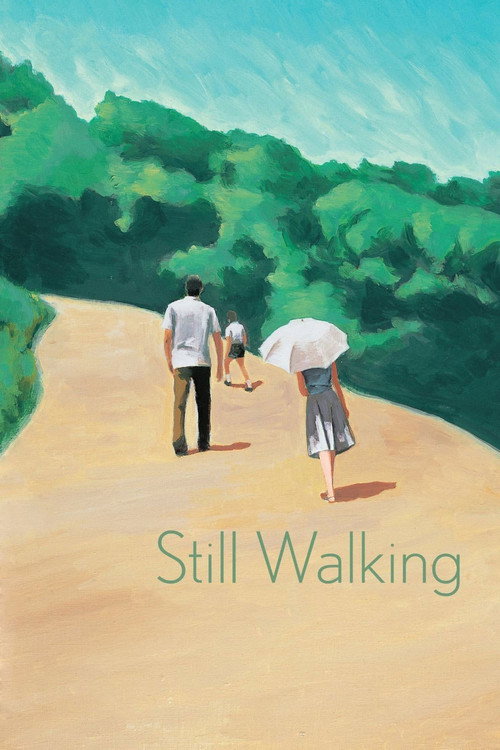
Still Walking2008
Hirokazu Koreeda's meditation on family trauma and the weight of the past. Shares Eureka's commitment to showing how tragedy reshapes daily life rather than resolving it.
But Very little happens externally. The entire film is essentially one day with a family. Some find this unbearably slow.
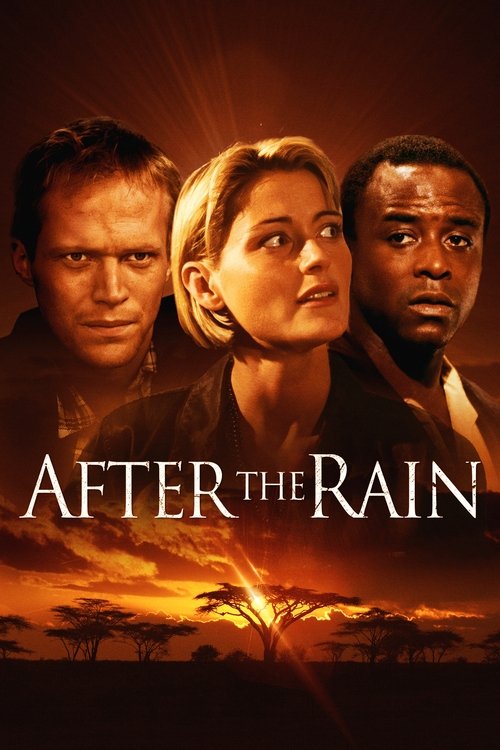
After the Rain1999
Takeshi Kitano's quieter work about healing and human connection after tragedy. The same patience with grief, the same belief that recovery isn't dramatic but gradual and incomplete.
But Kitano's deadpan style won't appeal to everyone. The film moves at its own pace, indifferent to conventional narrative satisfaction.
Not sure tonight? Get a pick in a minute, starting from Eureka
The wildcard
Something you would not have found on your own.
The Ballad of Little Jo1993
Both films use landscape and isolation as metaphors for the internal aftermath of rupture. Both refuse redemption narratives, instead charting how people learn to live alongside permanent damage.
A Western—an American Western—that obsesses over the same question as Eureka: how does identity reform after trauma? Maggie Greenwald's film is also structurally about survival and the impossibility of returning to who you were.
But It's a revisionist Western with a female protagonist that some find didactic. The tonal registers are very different from Eureka's restraint.

More like this (7)
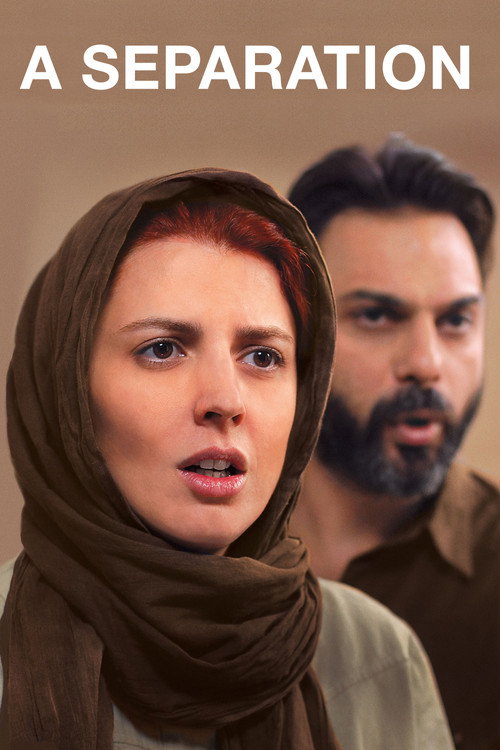
A Separation2011
Asghar Farhadi examines how trauma fractures a family's moral certainties. Like Eureka, it refuses easy answers and treats damaged people with full human complexity.
But It's a courtroom drama that refuses to pick sides, which frustrates viewers wanting clear heroes and villains. Morally murky throughout.
Mulholland Drive2001
David Lynch's Los Angeles nightmare also premiered in 2001 and shares Eureka's fractured narrative structure and meditation on trauma's unreliability. Both are masterpieces that reward patience.
But Lynch's surrealism is completely different from Aoyama's realism. If you want straightforward storytelling, this will confound you.

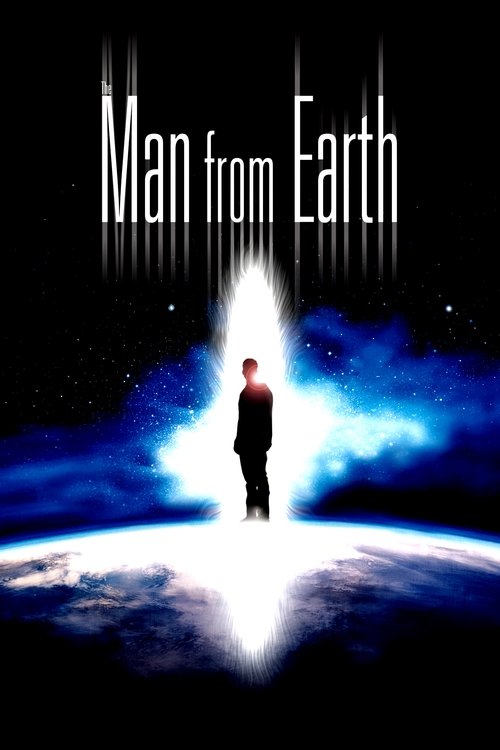
The Man from Earth2007
A chamber piece about a wounded man trying to reconnect with human community. Like Eureka, it trusts dialogue and character over spectacle, and finds intimacy in restraint.
But Made on a shoestring budget with zero production value. The concept drives everything; if you don't buy the premise, nothing works.
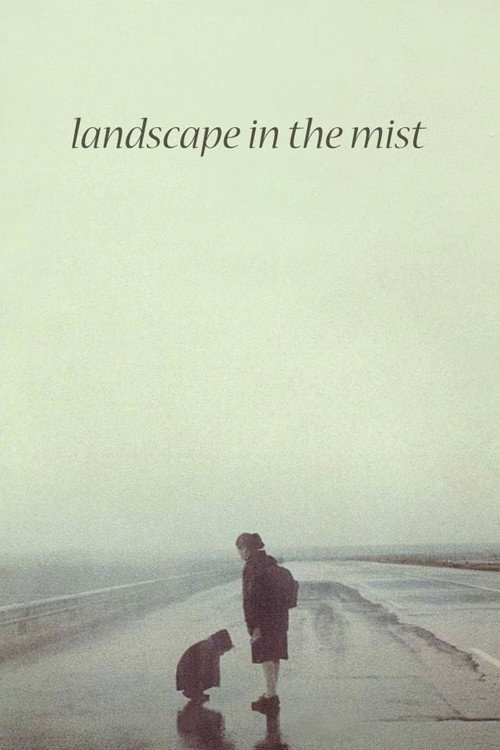
Landscape in the Mist1988
Theo Angelopoulos's journey through Greece observes trauma and displacement with Eureka's documentary-like eye. Both films are more interested in witnessing than explaining.
But Angelopoulos is deliberately opaque. Long, static shots of landscapes. Some see profundity; others see tedium.
In the Mood for Love2000
Wong Kar-wai's visual poetry about restraint and unspoken feeling. Like Eureka, it finds emotional devastation in what characters cannot say to each other.
But It's lush and formal where Eureka is austere and observational. If you want ornament, this has it; if you want directness, you won't find it here.

Little Fockers2010
Where Eureka is fiction, Fake is unmediated reality, yet both films ask identical questions about shame, reconnection, and whether damaged people deserve second chances. The form changes; the ethical inquiry remains.
A three-hour Japanese television documentary about a woman rebuilding her life after abandoning her family. It has Eureka's commitment to duration, observation, and the unglamorous reality of psychological survival. Riveting.
But It's a documentary about an actual person making difficult, sometimes indefensible choices. Viewers expecting narrative arc will find it frustratingly inconclusive.
The Turin Horse2011
Both films treat trauma not as a plot device but as a permanent alteration to consciousness. Both believe cinema's job is to sit in discomfort long enough that it becomes a form of grace.
Béla Tarr's apocalyptic, black-and-white meditation on human dignity at the end of everything. Like Eureka, it finds profound meaning in repetition, silence, and the ritualistic acts that hold broken people together.
But It's formally experimental, nearly silent, in black and white, and explicitly about civilizational collapse. Accessible to almost nobody. Existential vertigo, not comfort.

People
Cast
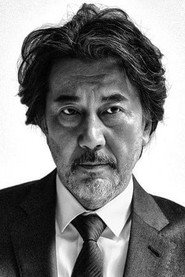 Koji YakushoMakoto Sawai
 Aoi MiyazakiKozue Tamura
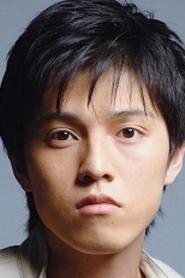 Masaru MiyazakiNaoki Tamura
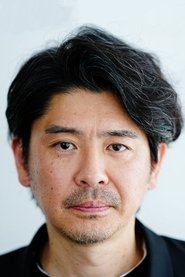 Yoichiro SaitoAkihiko
 Sayuri KokushoYumiko
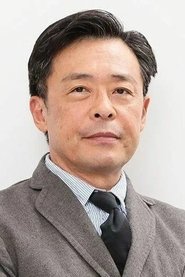 Ken MitsuishiShigeo
 Yutaka MatsushigeMatsuoka
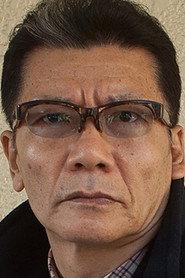 Sansei ShiomiYoshiyuki Sawai
 Machiko OnoMikiko
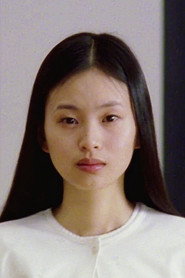 Eihi ShiinaKeiko Kono
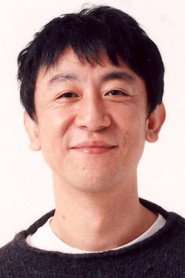 Go RijuBusjack Man
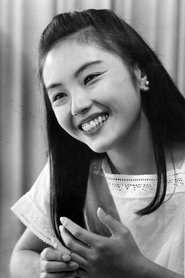 Kimie ShingyojiMother