
Film
Story of a Prostitute
- War drama
- Very dark
A 1965 Japanese film about a comfort woman on the Manchurian front who falls for a sensitive soldier while under the control of a brutal officer. Seijun Suzuki's adaptation is a piercing love story that refuses sentimentality, treating its characters' impossible circumstances with unflinching dignity. It's formally adventurous and emotionally devastating—for viewers ready to sit with real suffering.
If you liked this
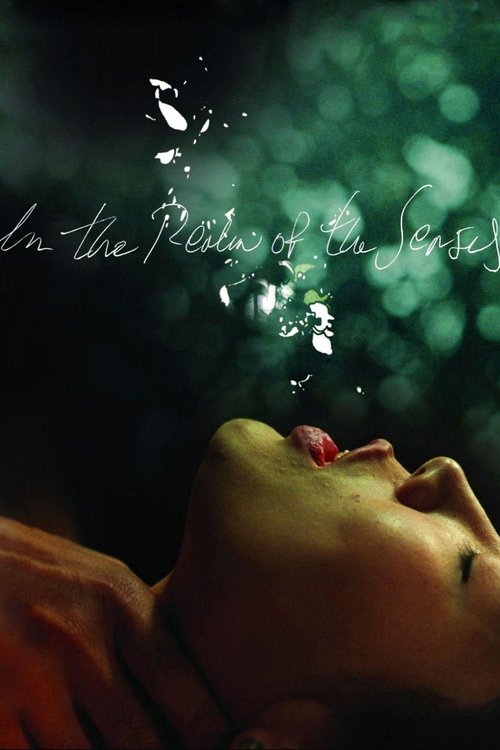
In the Realm of the Senses1976
Nagisa Oshima's equally transgressive film about wartime desire and transgression. Raw, uncompromising, and formally daring in ways that still shock. A companion piece to Suzuki's moral questioning.
But Extremely explicit sexual content throughout. The film's intensity can feel punishing rather than cathartic.
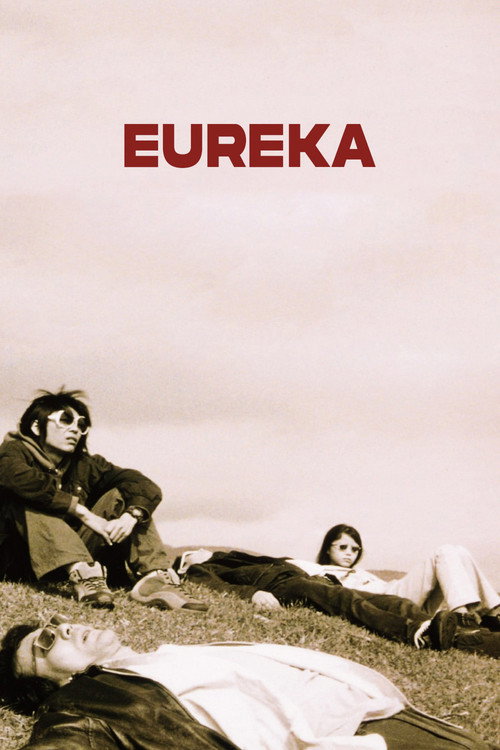
Eureka2001
Shinji Aoyama's long, meditative film about trauma and connection after a horrific crime. Like Suzuki's work, it trusts viewers to sit with difficult truths and finds grace in devastation.
But At nearly four hours, it demands patience. The pacing will feel glacial to anyone wanting conventional narrative momentum.
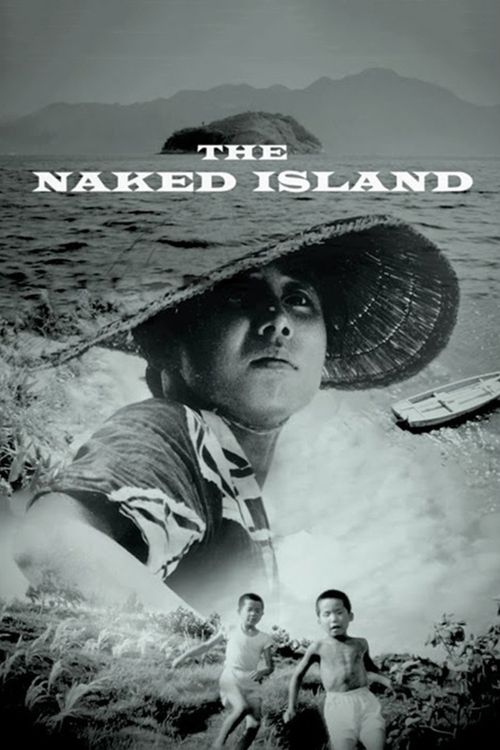
The Naked Island1960
Kaneto Shindo's wordless masterpiece about survival and love on an isolated island. Visually stunning and emotionally raw, it shares Suzuki's refusal to look away from hardship.
But No dialogue at all. The extreme minimalism may feel cold rather than poetic, depending on your tolerance for abstraction.
Not sure tonight? Get a pick in a minute, starting from Story of a Prostitute
The wildcard
Something you would not have found on your own.
Come and See1985
Both use formal innovation and intimate perspective to make abstract atrocity concrete and unbearable. Both ask: what does honor mean when the system demands you participate in horror?
Elem Klimov's Soviet film about a boy conscripted into the war against Nazi occupation. A fever dream of brutality that shares Suzuki's refusal to soften warfare's moral dimension. It's visually and narratively experimental—Suzuki's spiritual cousin from behind the Iron Curtain.
But Genuinely disturbing. The film doesn't just depict violence; it tries to convey the psychological dissolution of witnessing it. Many will find it unwatchable.

More like this (7)
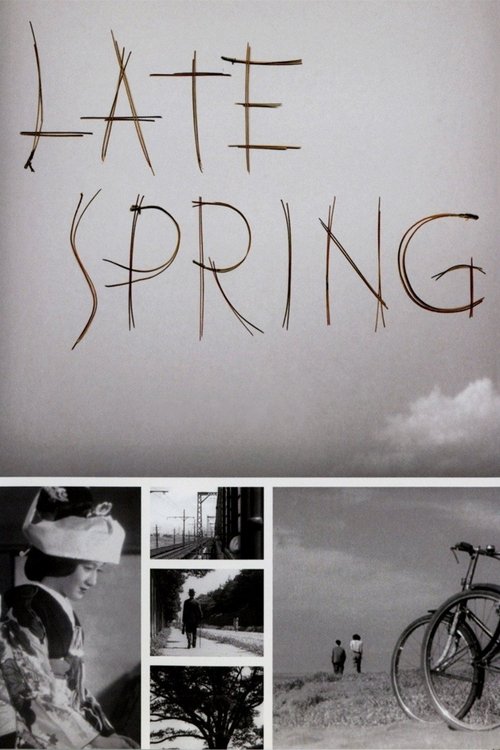
Late Spring1949
Yasujiro Ozu's gentle examination of duty, love, and sacrifice between father and daughter. A counterpoint to Suzuki's harshness, but equally penetrating about what we owe each other.
But Ozu's static camera and slow rhythms are the opposite of dynamic. If you need visual excitement, this won't provide it.
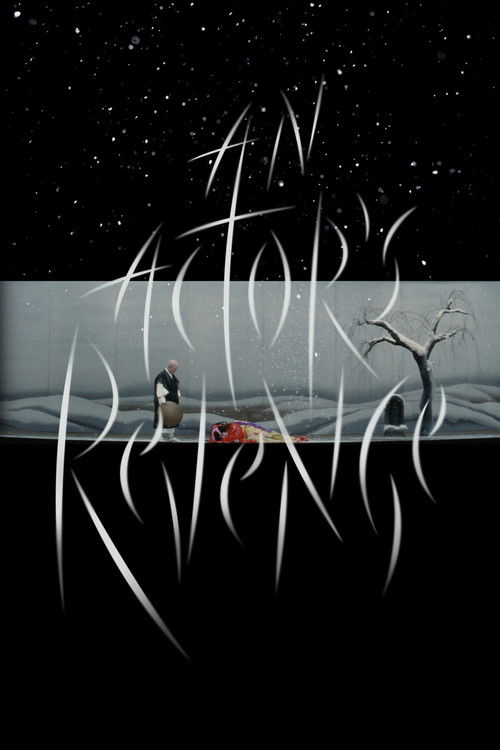
An Actor's Revenge1963
Suzuki's own earlier film, equally stylish and transgressive, about revenge and passion in Edo-era Japan. Proves his visual inventiveness wasn't confined to one story.
But The plot mechanics can feel baroque and distant compared to Story's emotional directness. Some may find style overwhelming substance.
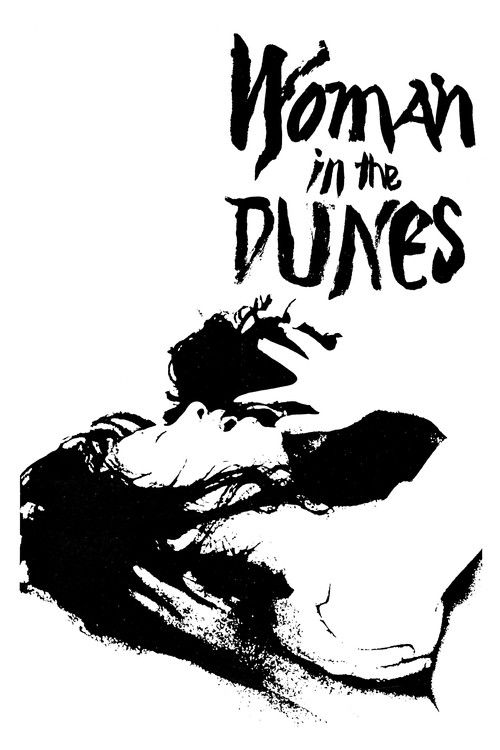
Woman in the Dunes1964
Hiroshi Teshigahara's hypnotic film about a man trapped in an impossible situation, forced to excavate sand for a mysterious woman. Shares Suzuki's interest in power, desire, and inescapable circumstances.
But Abstract and allegorical. If you need clear answers or psychological realism, the film's dreamlike logic will frustrate.
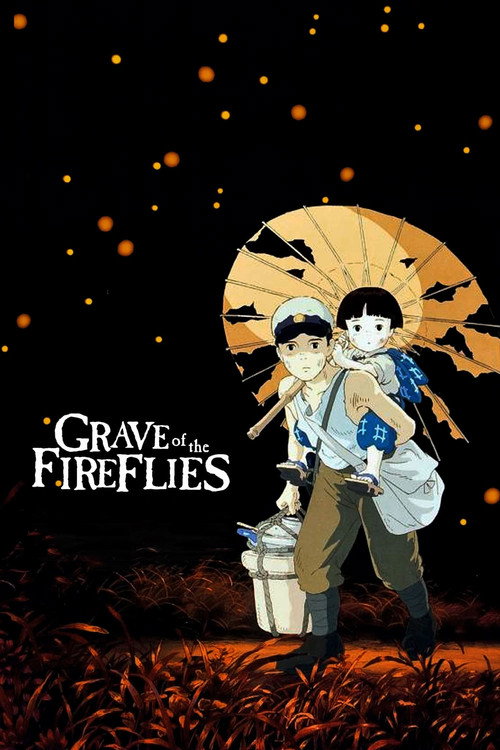
Grave of the Fireflies1988
Isao Takahata's animated film about siblings surviving in wartime Japan. Heartbreaking and tender without ever softening its look at civilian suffering. Animation makes the devastation somehow more acute.
But One of the most emotionally punishing films ever made. The ending offers no relief, only recognition of loss.
Harakiri1962
Masaki Kobayashi's masterwork about honor, code, and the human cost of systems. Formally brilliant and morally complex, it interrogates the same military and feudal structures Suzuki examines.
But The pacing is deliberate; some will find it ponderous. The climax, while powerful, is not action in the conventional sense.

The Ballad of Little Jo1993
Both center a woman's survival and agency within systems designed to deny her both. Both are formally precise about how power operates. But where Suzuki is elegiac, Greenwald is defiant.
Maggie Greenwald's revisionist Western about a woman who passes as a man to survive in the frontier. Like Suzuki's film, it's about a woman navigating a brutal system designed to control her, but tells that story through genre convention and historical reinvention rather than tragedy.
But The tone is austere and somewhat distant. It lacks narrative momentum and conventional drama, which some will read as cool rather than moving.

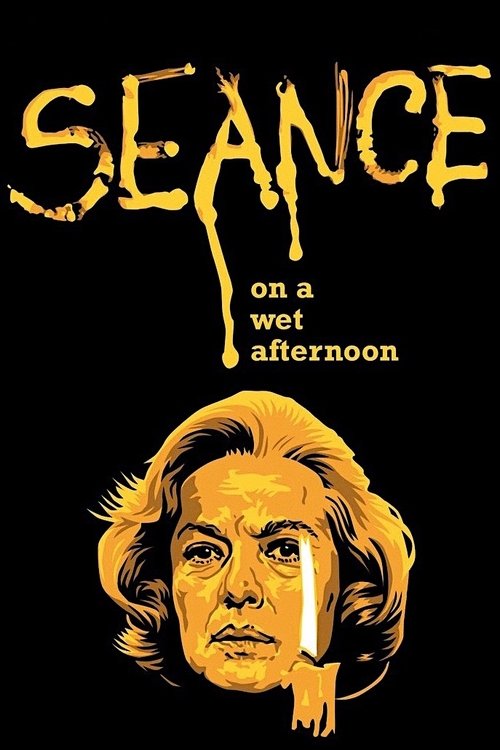
Seance on a Wet Afternoon1964
Both examine intimate cruelty and the ways desire and duty entangle people in systems they can't escape. Both trust actors completely. But where Suzuki looks outward at history, Forbes looks inward at the individual psyche.
Bryan Forbes' psychological thriller about a fake medium and her husband caught in a kidnapping plot. Utterly grounded and claustrophobic, with Kim Stanley's performance cutting deep into obsession and the ways relationships become prisons. Contemporary to Suzuki, but employs genre tension where he uses melodrama.
But The domestic dread builds slowly. If you're watching for plot, the slow reveal of character corruption will feel like stalling.
People
Cast
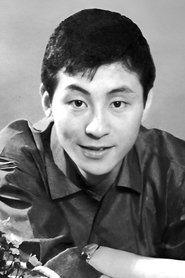 Tamio KawachiShinkichi Mikami
 Yumiko NogawaHarumi
 Isao TamagawaNarita
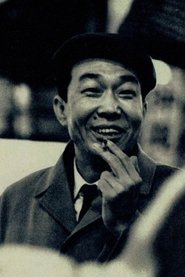 Shoichi OzawaAkiyama
 Toshio SugiyamaTomoda

 Tomiko IshiiYuriko
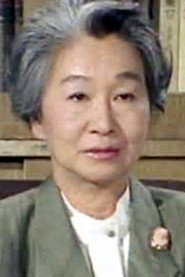 Kotoe HatsuiTsuyuko
- Kazuko ImaiSachiko
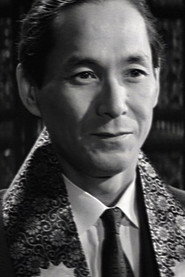
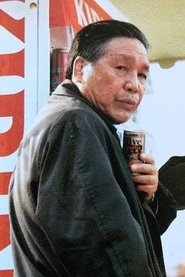 Kaku TakashinaMakita
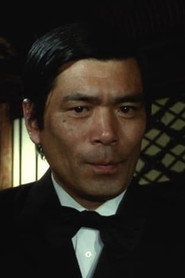 Eimei EsumiMachida
Directing
- Masami KuzūAssistant Director
- Seijun SuzukiDirector
- Midori KuwabaraScript Supervisor
Writing
- Taijirō TamuraNovel
- Hajime TakaiwaWriter
Production
- Banri SonoyamaExecutive In Charge Of Production
- Kaneo IwaiProducer