
Film
Eureka
Other titles called Eureka: the 2001 film, the 2006 series (Syfy).
A prospector retires to a Caribbean island after striking gold, seeking peace but finding chaos instead. Gene Hackman anchors this 1983 fever dream of a film—lush, strange, and uneasy, mixing domestic decay with gangster menace. It's a portrait of wealth corroding a man from the inside out. For those who like their thrillers psychological and genuinely unsettling rather than neatly plotted.
If you liked this
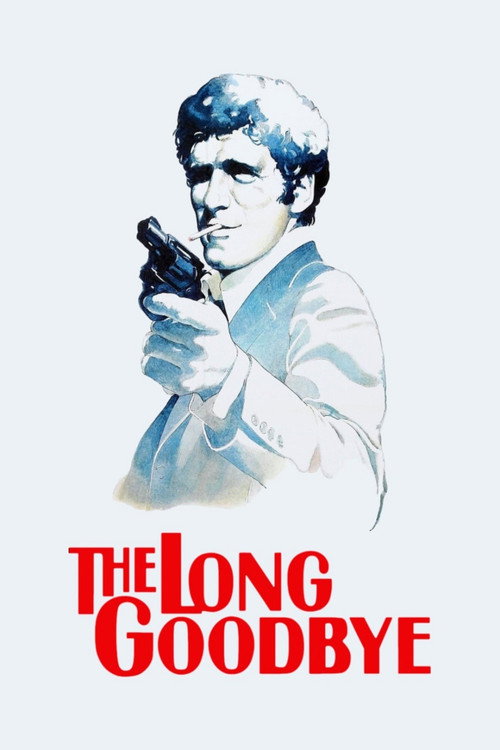
The Long Goodbye1973
Elliott Gould's private eye drifts through a corrupt, sun-soaked LA with the same weary moral compromises Hackman's prospector faces. Both films treat genre conventions as something to gently dismantle rather than fulfill.
But It moves at its own unhurried pace and refuses to explain itself. If you want plot momentum and clear answers, this will frustrate you.
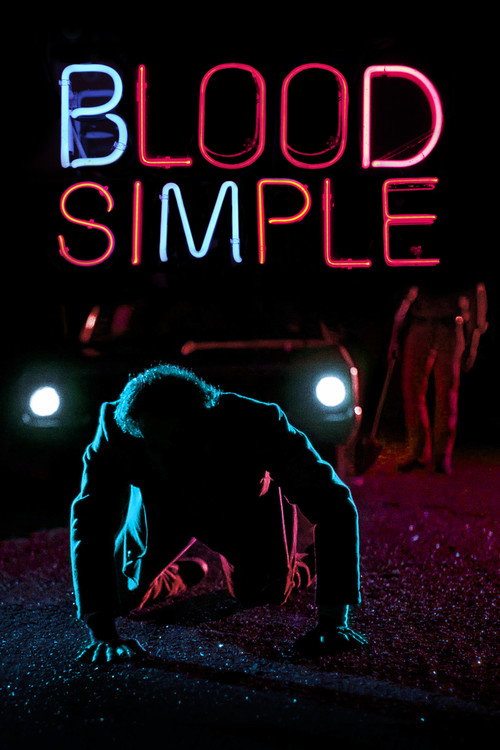
Blood Simple1985
The Coen Brothers' debut shares Eureka's obsession with how violence and greed corrode ordinary lives. Dark, paranoid, and beautifully composed—a masterclass in moral collapse told without sentimentality.
But It's relentlessly bleak and the violence, when it comes, is sudden and jarring. Some find it more clever than moving.
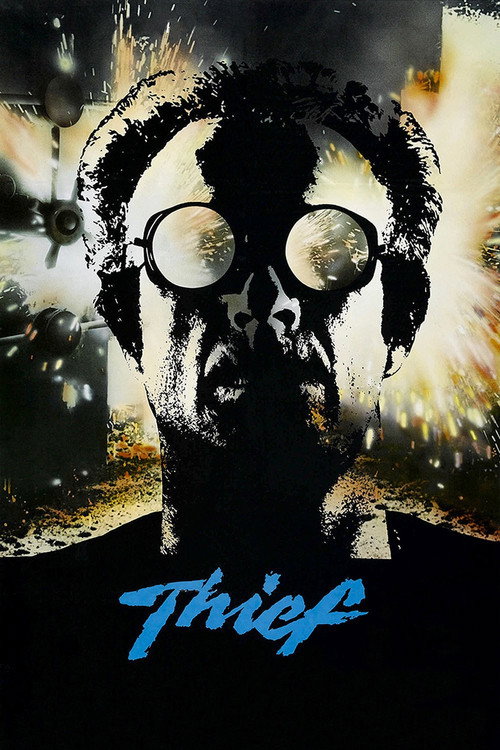
Thief1981
Michael Mann's portrait of a professional thief trying to build a normal life mirrors Hackman's prospector seeking refuge. Both explore the impossibility of escape once you've tasted certain things. Stylish and hypnotic.
But The pacing is deliberate and meditative. If you need constant action or clear resolutions, it may feel slow.
Not sure tonight? Get a pick in a minute, starting from Eureka
The wildcard
Something you would not have found on your own.
A Prophet2009
Both trace the architecture of corruption and greed in exacting detail. One shows a man acquiring power and shedding his humanity; the other shows a man trying to escape it and failing. They're mirror images.
This French prison film has Eureka's obsession with how money and power corrupt, but it traces the inverse journey—a man building his empire from nothing rather than losing it. Shot with stunning precision and moral clarity.
But It's in French with subtitles, and it's a prison drama rather than a thriller. Some find the protagonist too amoral to root for.

More like this (8)
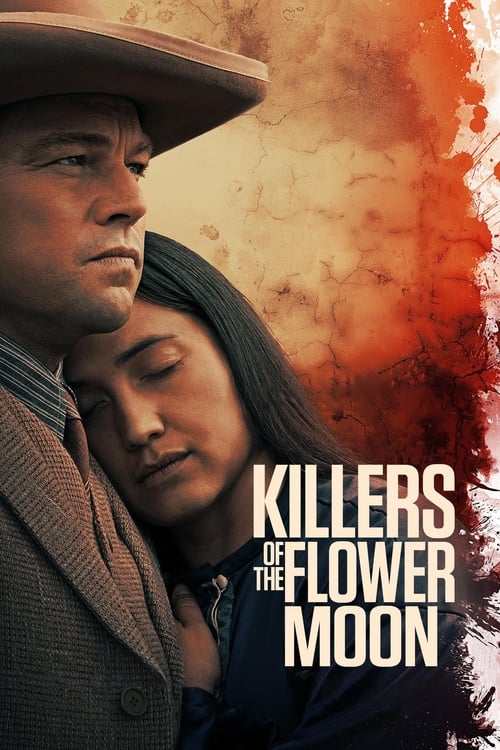
Killers of the Flower Moon2023
Scorsese examines how wealth and greed poison families and communities. Like Eureka, it's interested in the moral rot that money introduces, not the glamour of having it.
But It's nearly three and a half hours long. The pacing is architectural rather than propulsive, which can feel glacial if you're impatient.
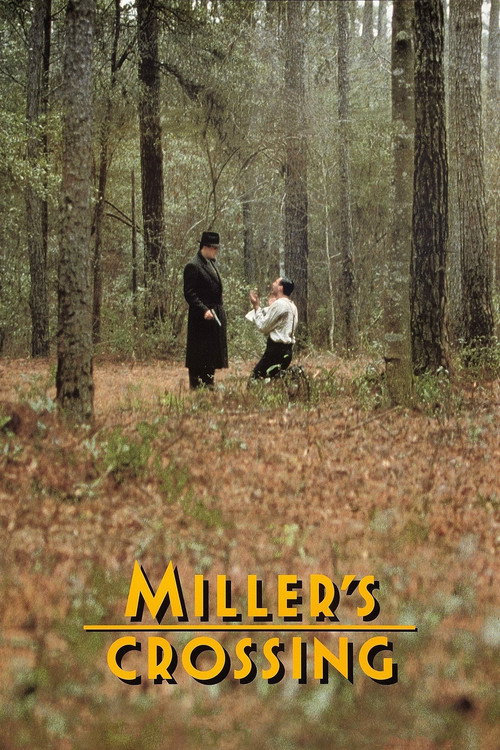
Miller's Crossing1990
The Coens return to a world of gangsters and moral ambiguity, with Gabriel Byrne caught between loyalty and survival. It shares Eureka's interest in masculine codes under pressure and how little they ultimately protect you.
But The dialogue is baroque and sometimes opaque. Fans of straightforward storytelling may find it unnecessarily ornamental.
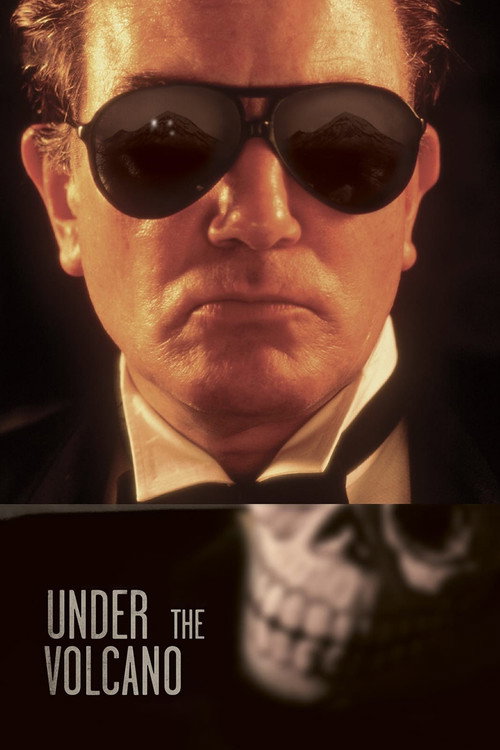
Under the Volcano1984
Albert Finney's alcoholic descent in Mexico parallels Hackman's unraveling. Both films use location and atmosphere to externalize internal collapse. Hypnotic and deeply sad.
But It's a portrait of addiction without redemption. If you need hope or a turning point, you won't find it here.
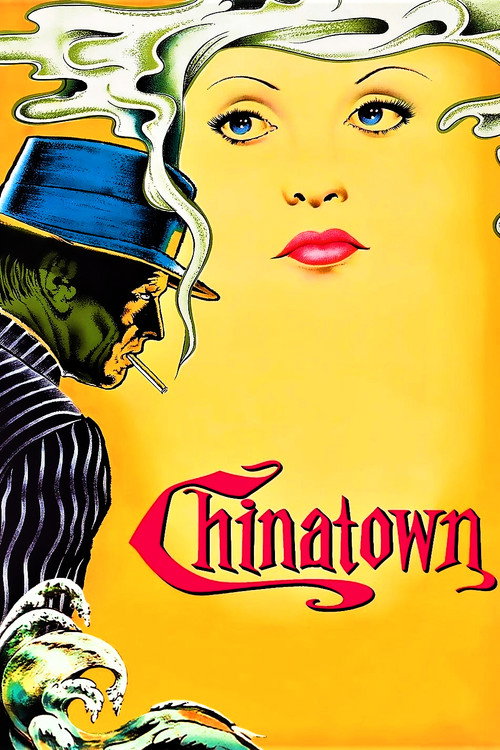
Chinatown1974
Polanski's masterpiece of corruption and inevitability echoes through Eureka—both show men discovering that wealth and power come with prices they never expected. Perfectly constructed.
But It's been canonized to death. Watching it now means wrestling with its reputation as much as the film itself.
Memories of Murder2003
Bong Joon-ho's detective thriller has the same queasy moral atmosphere as Eureka—nothing is clean, everyone is compromised, and certainty is a luxury no one can afford. Brilliant and deeply unsettling.
But It's a Korean film with subtitles, and it requires patience with ambiguity. The ending offers no catharsis or clarity.

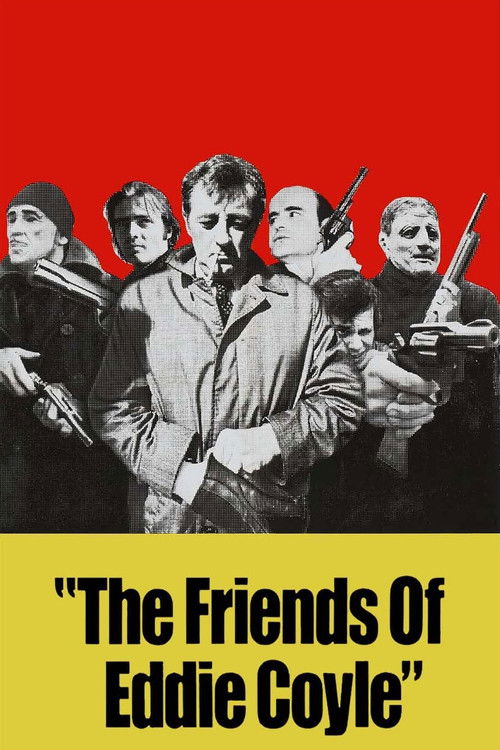
The Friends of Eddie Coyle1973
Robert Mitchum as an aging informant caught between criminals and cops—a study of a man squeezed from all sides by forces larger than himself, much like Hackman's situation in Eureka.
But It's a quiet, unglamorous crime film from the '70s. It doesn't have the visual style or momentum modern thrillers provide.
The Killing1956
Both are interested in crime and money not as adventure but as a kind of moral cancer. They show the psychic cost in meticulous, unglamorous detail. Eureka is baroque where Killing is austere, but they're asking the same questions.
Kubrick's debut uses fragmented storytelling and a jumbled timeline to show how a heist destroys everyone involved. Like Eureka, it's fascinated by how money and criminal entanglement metastasize through a life.
But The fractured narrative and stark black-and-white cinematography feel remote. It's a 1950s film shot like a documentary, which won't appeal to those seeking conventional warmth.

The Neon Demon2016
Both use setting and visual excess to show how money and desire create predatory ecosystems. Eureka's Caribbean island and Refn's LA are both beautiful traps. One is restrained; one is maximal. Both know that wealth is a visual spectacle that conceals violence.
Nicolas Winding Refn's dazzling, horrifying vision of Los Angeles glamour and predation mirrors Eureka's portrait of beauty as corruption. Synthed, neon-lit, visually ecstatic and morally grotesque.
But It's deliberately artificial and style-forward to the point of obscuring plot. If you want realism or conventional narrative, it will seem like an exercise in aesthetics over substance.

People
Cast
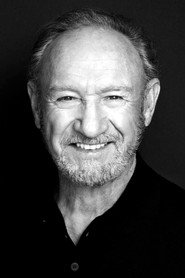 Gene HackmanJack McCann
 Theresa RussellTracy
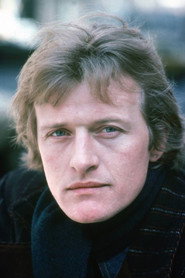 Rutger HauerClaude Maillot Van Horn
 Jane LapotaireHelen McCann
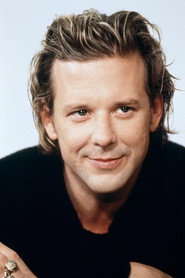 Mickey RourkeAurelio D'Amato
 Ed LauterCharles Perkins
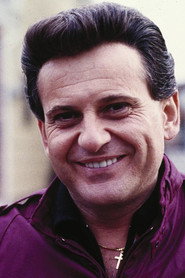 Joe PesciMayakofsky
 Helena KallianiotesFrieda
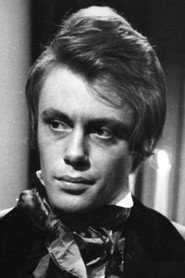 Cavan KendallPierre de Valois
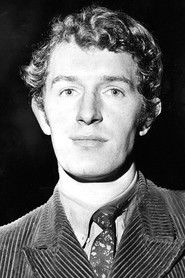 Corin RedgraveWorsley
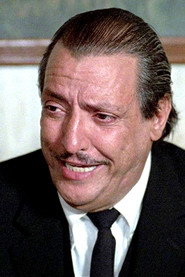 Joe SpinellPete
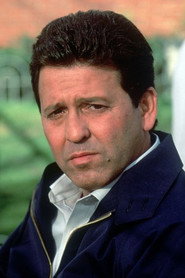 Frank PesceStefano
Directing
- Christine WilsonContinuity
- Kay FentonContinuity
- Nicolas RoegDirector
- Anthony WayeFirst Assistant Director
- David W. RoseSecond Assistant Director
- Melanie GreféSecond Assistant Director
- Michael StevensonSecond Assistant Director
- Terry MaddenSecond Assistant Director
- Jeremy FrancisThird Assistant Director
Writing
- Marshall HoutsNovel
- Paul MayersbergScreenplay
Production
- Paul TuckerAccountant
- Tim Van RellimAssociate Producer
- Joseph D'AgostaCasting
- Margery SimkinCasting
- Mary SelwayCasting
- Trish RobinsonCasting
- Dee MillerLocation Casting
- David CherrillLocation Manager
- John WardlowLocation Manager
- Matthew BinnsLocation Manager
- Jeremy ThomasProducer
- Sevilla DelofskiProducer's Assistant
- Alex RichardsProduction Accountant
- Ted LloydProduction Manager
- Luc RoegProduction Runner
- Bob GrayUnit Production Manager