
Film
My Happy Family
A 52-year-old Georgian woman leaves her parents' home to live alone, defying generations of family obligation and patriarchal expectation. This is a quiet, observant drama about the cost of choosing yourself—not triumphant, but tender and exacting. For anyone who understands that independence isn't selfish, just necessary.
If you liked this
Thelma & Louise1991
A woman in her sixties discovers an inner life she's been denied, told with the same attentive gentleness and focus on self-discovery as *My Happy Family*. Quietly radical and deeply moving.
But It's set in Norway and moves at a contemplative pace that asks patience rather than offering momentum. Some will find it slow.

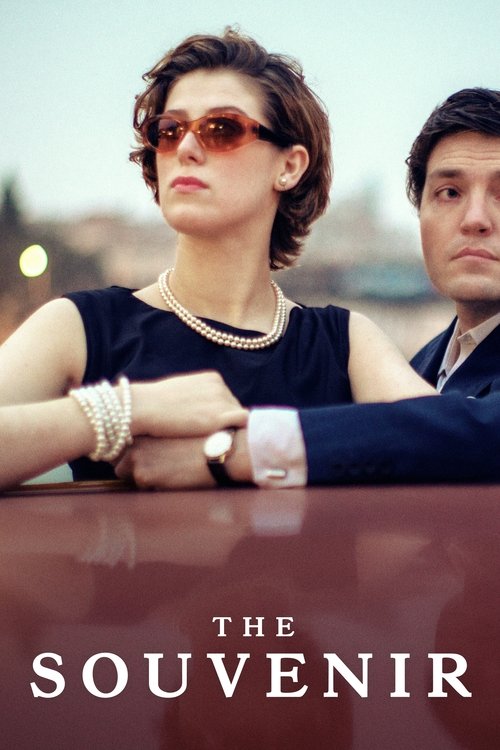
The Souvenir2019
A young woman untangles her relationship to family expectation and artistic identity. Like *My Happy Family*, it's about the quiet work of becoming yourself, and the price of that becoming.
But It's formally inventive in ways that can feel oblique. The narrative doesn't hand you easy answers about who was right.
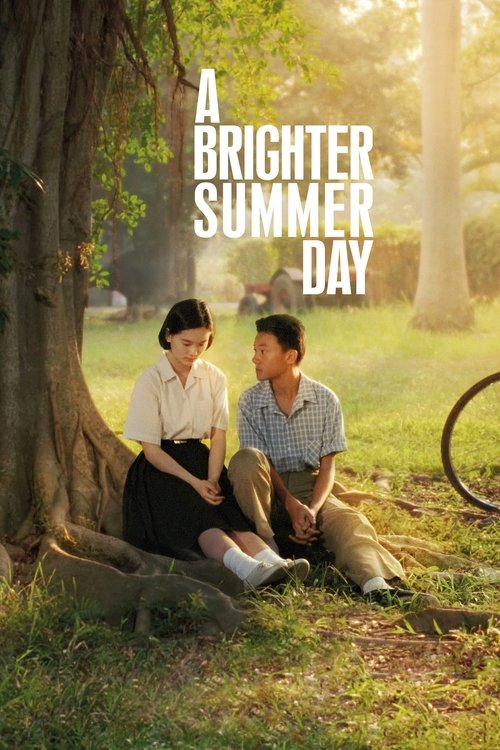
A Brighter Summer Day1991
An epic family portrait in a single neighborhood, examining obligation, tradition, and the conflicts that arise when people want different things from life than their families can imagine.
But It's nearly four hours long and subtitled, with a large ensemble cast. You need to settle in and pay attention.
Not sure tonight? Get a pick in a minute, starting from My Happy Family
The wildcard
Something you would not have found on your own.
The Ascent1977
Both films ask: what does it cost to refuse to become what your world demands? Both answer unflinchingly, without false comfort.
Two Soviet partisans in occupied Belarus navigate faith, sacrifice, and the question of whether staying true to yourself is worth the cost. It uses a single confined journey to examine the soul's geography with the same philosophical rigor as Manana's quiet rebellion.
But It's shot in black and white, sparse, and deeply religious in its preoccupations. The physical suffering is explicit and relentless. Not easy watching.

More like this (8)
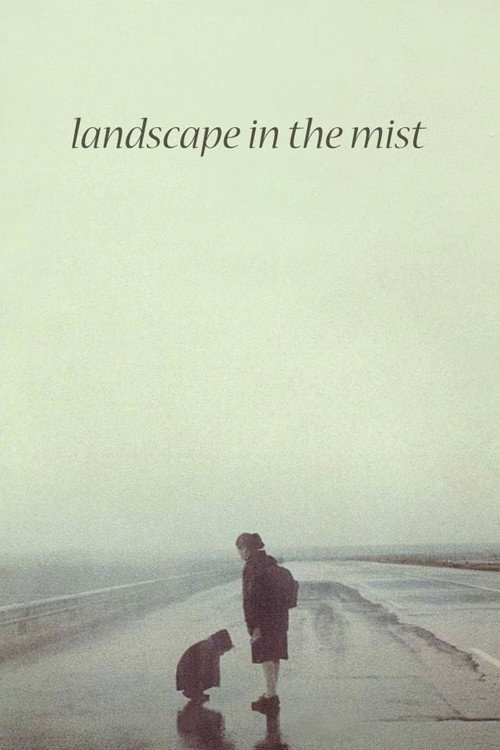
Landscape in the Mist1988
Theo Angelopoulos observes characters moving through spaces with the same philosophical precision and humane attention that *My Happy Family* brings to domestic rebellion and the search for autonomy.
But It's deliberately paced and metaphorical rather than literal. Some will experience it as detached rather than moving.
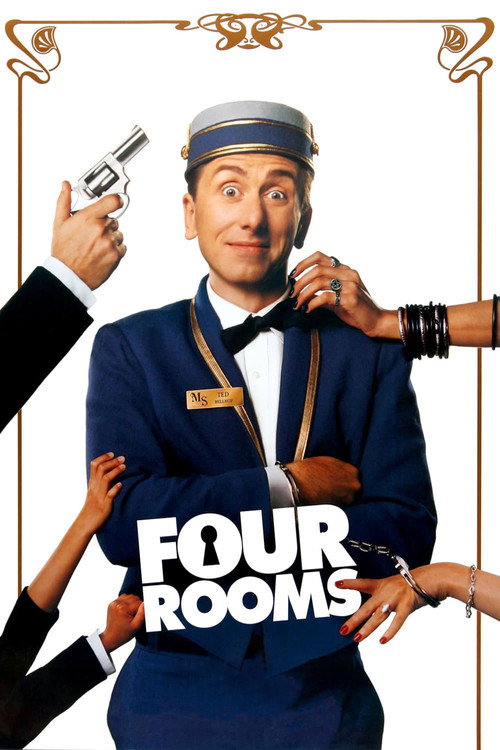
Four Rooms1995
A multi-generational family gathering in a single space where unspoken tensions surface and relationships are tested. It shares the ensemble-focused, dialogue-driven approach to family dynamics.
But It's occasionally theatrical and can feel stagy. The emotional stakes are lighter than *My Happy Family*'s, which some may find less affecting.
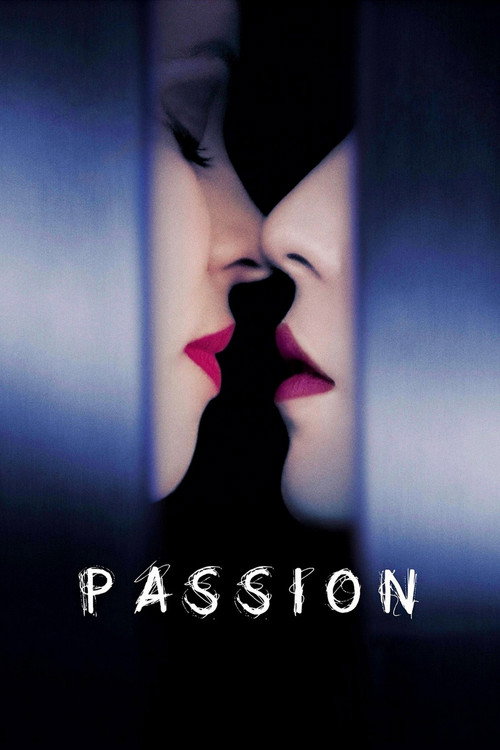
Passion2013
A woman navigates conflicting desires and obligations in a tightly wound family and professional situation. It explores the guilt and defiance of wanting something for yourself.
But It's European in pacing and sometimes frustratingly ambiguous about character motivations. Some find Haneke's style cold rather than compassionate.
The Wailing2016
A multigenerational family story set against spiritual and social upheaval, with the same unflinching attention to how relationships fracture and reform under pressure.
But It's a mystery thriller that witholds answers deliberately. If you need narrative clarity or prefer straightforward storytelling, this will frustrate you.

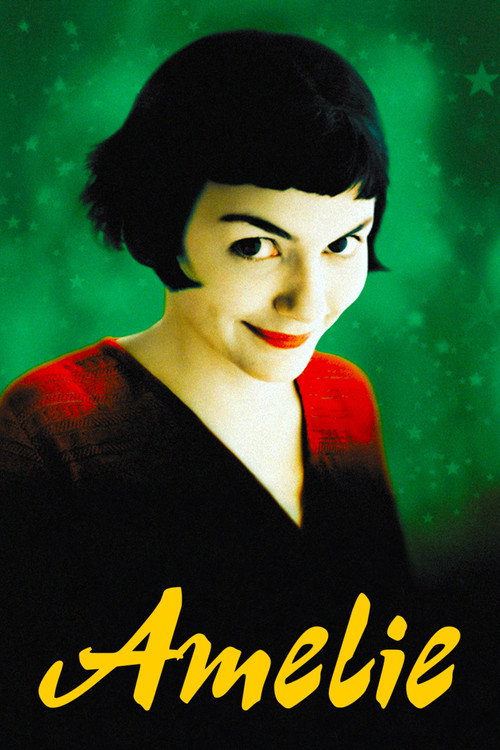
Amélie2001
A woman discovers what it means to live on her own terms and connect with others authentically. It's gentler and more whimsical than *My Happy Family*, but carries the same warmth about solitude and self-discovery.
But Its whimsy and visual style are very much of their time. If you find quirk cloying, this won't work for you.
Il Sorpasso1962
Two men from different generations and classes form an unexpected friendship; it's about freedom, time, and what we're willing to give up for connection or independence.
But It's a comedy-drama from 1962 with a tonal shift that modern audiences sometimes find jarring. The ending is difficult in ways that need patience.

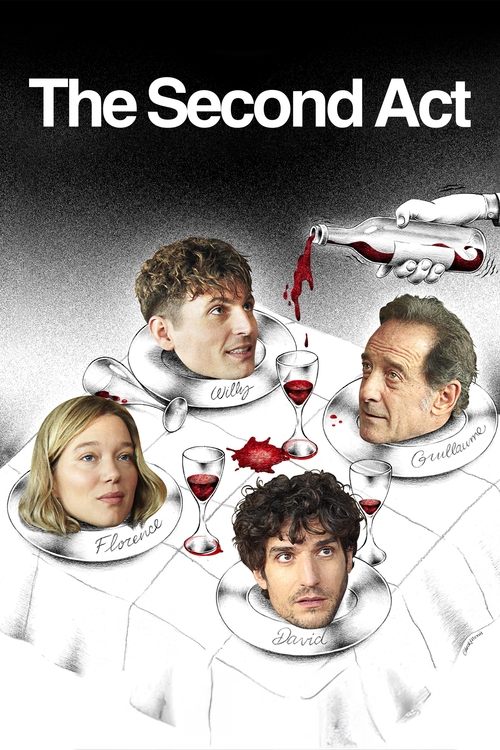
The Second Act2024
Both treat the decision to leave as not an ending but an opening. Both follow what comes after defiance.
A French miniseries that follows a woman rebuilding her life after leaving her marriage and expected role. It has *My Happy Family*'s attentive observation of small moments, but extends the story across time, showing reinvention as ongoing rather than singular.
But It requires a language switch (subtitled from French) and unfolds episodically rather than in one sitting. Some will find it less cinematically polished than a film.
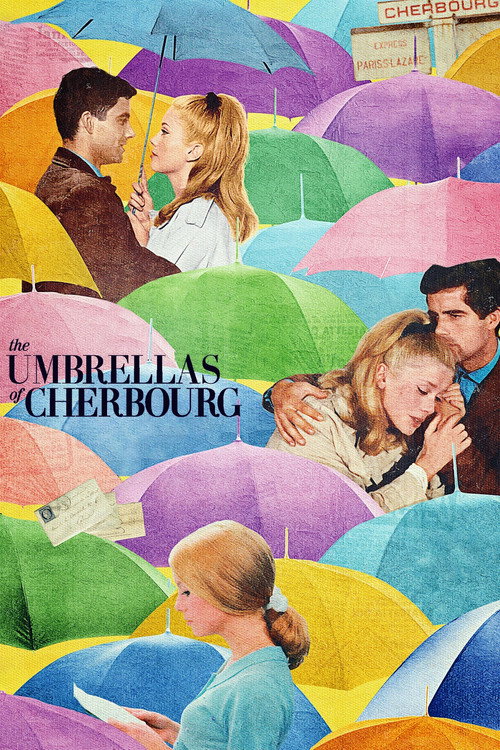
The Umbrellas of Cherbourg1964
Both films are rare in their refusal to simplify the moral weight of staying versus leaving. Both know that duty can be real and still suffocating.
A romantic musical where the protagonist chooses obligation to family over the person she loves. Shot in impossible colors, it's formally the opposite of *My Happy Family*—yet it's similarly about watching someone choose duty over desire, though here she loses.
But It's a French musical from 1964 in glorious technicolor. If the form feels precious or the tragedy feels dated, you won't connect with it.
People
Cast
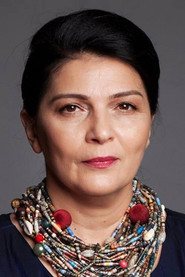 Ia ShugliashviliManana
 Merab NinidzeSoso
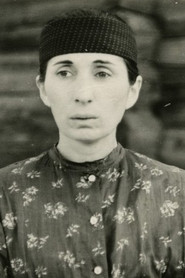 Berta KhapavaLamara
- Giorgi KhurtsilavaVakho
 Goven CheishviliOtar
- Mariam BokeriaKitsi
- Lika BabluaniTatia Chigogidze
 Giorgi TabidzeLasha
Directing
- Nana EkvtimishviliDirector
- Simon GroßDirector
Writing
- Nana EkvtimishviliScreenplay