
Film
The Best Way to Walk
A 1976 French drama about two summer-camp counselors where one discovers the other's cross-dressing secret, then weaponizes it through relentless humiliation. Bertrand Blier's debut is intimate, uncomfortable, and morally urgent—a film about masculinity, shame, and the violence of exposure. For viewers ready to sit with cruelty and ask hard questions about complicity.
If you liked this
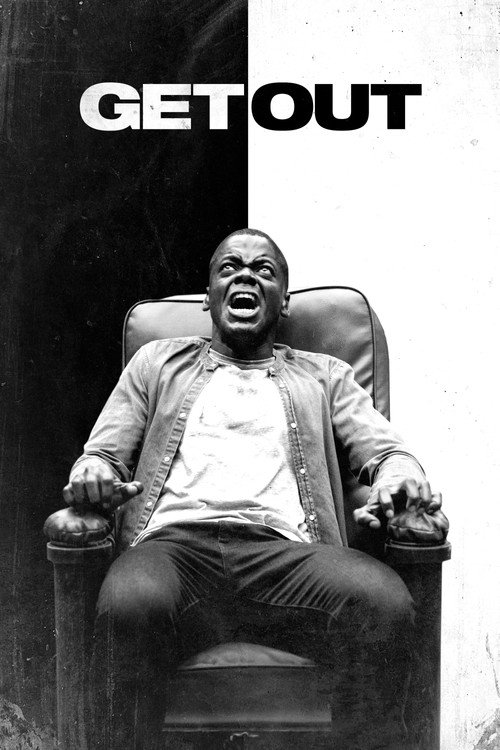
Get Out2017
A thriller about social terror and what people will do when their deepest self is rejected by those around them. Like Blier's film, it makes systematic cruelty the engine of the narrative, and asks why we let it happen.
But It's a horror film first, which means jump scares and genre pleasures. If you want social realism uncut by genre machinery, this will feel like a different animal.
Moonlight2016
Three chapters of a Black queer man's life, told with such tenderness and visual poetry that shame and silence become almost tangible. A meditation on identity, desire, and the men we're allowed to become.
But Painterly and slow. If you want plot momentum or answers, you won't find them. It asks you to hold feeling without resolution.

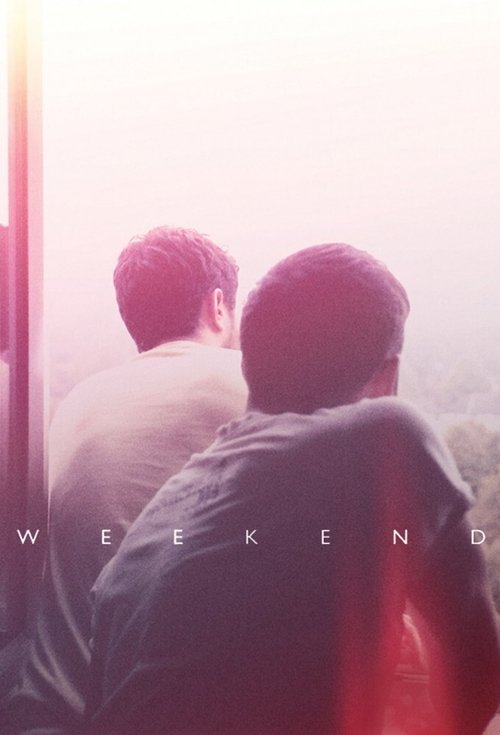
Weekend2011
Two strangers meet, fall briefly into each other, and grapple with visibility, mortality, and what it means to be seen. A chamber piece about queer vulnerability that is as funny as it is devastating.
But The entire film is essentially a conversation between two men in a room. If you need incident or narrative sweep, this will feel like standing still.
Not sure tonight? Get a pick in a minute, starting from The Best Way to Walk
The wildcard
Something you would not have found on your own.
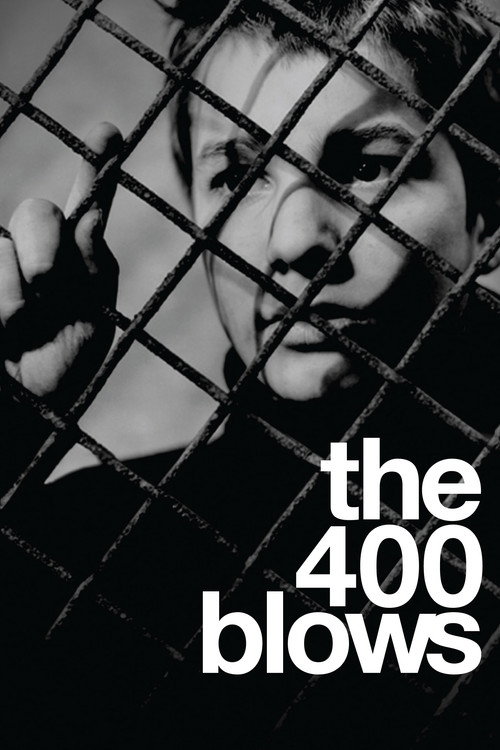
The 400 Blows1959
Both are French New Wave-adjacent debut features about adolescent cruelty and the systems that enable it. But where Blier's film is a cold examination of what one man does to another, Truffaut's is an act of rescue—the director turning the camera into a hand extended to a drowning child.
Truffaut's semi-autobiographical film about a boy adrift, betrayed by the adults supposed to care for him. It's about shame and silence too, but the camera looks at the child with such tenderness that it becomes an act of witnessing rather than judgment.
But It predates and reframes Blier's film. If you come to it after, you might feel its sadness is more forgiving than you need.
More like this (5)
Stalker1979
Tarkovsky's meditation on desire, faith, and the cost of pursuing what we think we want. Hypnotic and strange; it moves at its own pace and rewards the patient viewer with images that lodge in your mind for years.
But Soviet sci-fi philosophy at a glacial tempo. 163 minutes. If you need conventional narrative pleasure, this will test your limits.

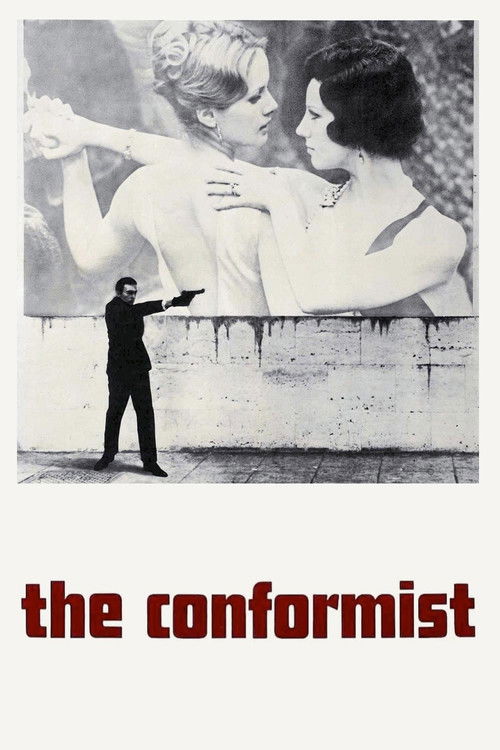
The Conformist1971
Bertolucci's masterpiece about a man who performs normality to escape his own nature, and the violence that performance requires. Visually sumptuous and morally complex; it asks what we surrender to fit in.
But Fascist aesthetics are rendered beautiful, which some find complicit rather than critical. The politics are layered and require active thought.
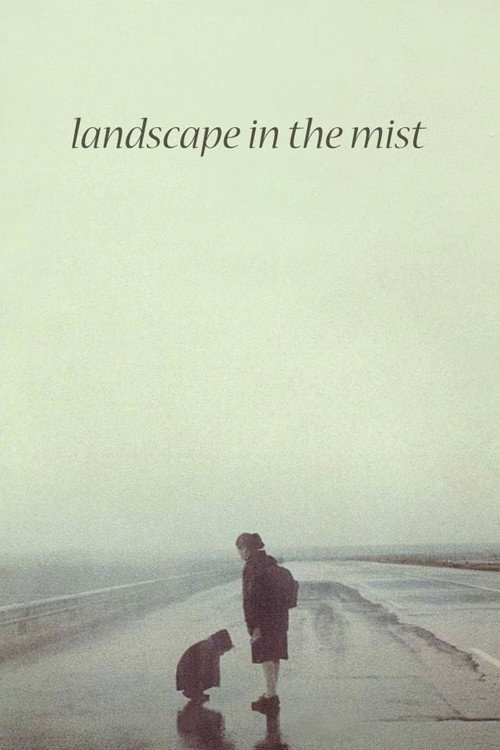
Landscape in the Mist1988
Two children walk from Athens toward Germany in search of their father. Angelopoulos films childhood as a kind of wandering through history and indifference. Haunting and humane in equal measure.
But Deliberately paced, shot in long takes, very little dialogue. The narrative is sparse and sometimes opaque. You have to meet it more than halfway.
The Killing1956
Kubrick's economical, interlocking noir about a racetrack heist. Formally inventive and emotionally cool; it shows you how narrative can be shattered and reassembled like a prism.
But Its coldness can read as distant. There's little warmth or moral judgment, which some viewers find alienating rather than clarifying.

In the Mood for Love2000
Wong Kar-wai's film about two neighbors who discover their spouses are having an affair. A meditation on desire, repression, and the eroticism of what is never touched. Visually ravishing; emotionally intricate.
But Narrative is minimal. The film is almost entirely mood and color and the choreography of longing. Plot-driven viewers will find it frustrating.

People
Cast
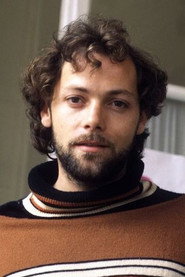 Patrick DewaereMarc
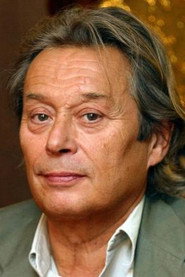 Patrick BouchiteyPhilippe
 Christine PascalChantal
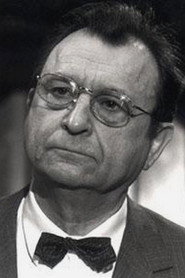 Claude Piéplule directeur du camp
 Michel BlancDeloux
 Marc ChapiteauGérard
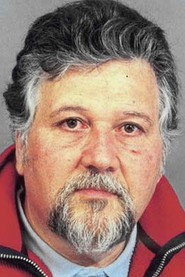 Michel SuchLéni
- Franck d'AscanioHervé
- Nathan Millerl'enfant aux lunettes
Directing
- Claude MillerDirector
Writing
- Claude MillerWriter
- Luc BéraudWriter