
Film
Retablo
- Drama
- Slow-burning
A Peruvian mountain village film about a teenage boy whose woodcarver father—a village pillar—harbours a devastating secret that fractures their bond. Quietly devastating, visually gorgeous, and concerned with how shame silences love. For anyone moved by intimate family dramas about inherited expectations and unspoken things.
Should you watch it?
Watch it if you are drawn to quiet, observant films where a family's unspoken rules carry more weight than any plot twist, and where a painter's patient craft becomes a way of seeing the people around him.
Skip it if you need momentum from your films, since this one moves slowly through rituals, weather and long silences, and it rarely reaches for the kind of big emotional release you might be hoping for.
What it asks of you: It asks for ninety-five unhurried minutes and a willingness to sit with restraint, as the mood stays hushed and grave, the camera lingering on small gestures until they feel heavy.
Not sure? Find tonight's pick in a minute.
If you liked this
A Prophet2009
A young man's identity and survival depend on understanding the unspoken codes of a closed world. Like Retablo, it's about apprenticeship, secrets, and the price of not belonging where you're supposed to.
But French prison drama—bleak, long, and demands your full attention. Not warm or comforting.

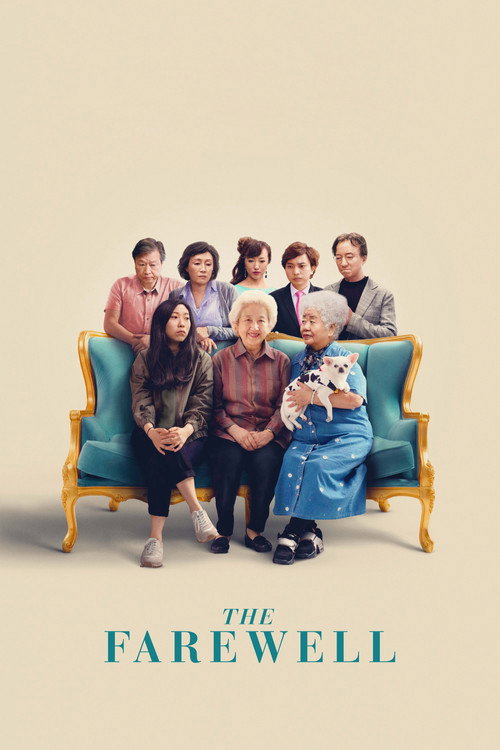
The Farewell2019
A family keeps a terminal diagnosis secret to protect each other. Retablo shares its meditation on what we don't say, cultural duty, and the strange love that hides painful truths.
But Shifts between English and Mandarin; some find the tonal mix between comedy and heartbreak unsettling.
Moonlight2016
Three chapters of a boy becoming a man in silence and shame. Like Retablo, it's about finding yourself when the world tells you who to be, told with visual grace and minimal dialogue.
But Slow, abstract, and emotionally demanding. Some find the pacing frustrating rather than meditative.

Not sure tonight? Get a pick in a minute, starting from Retablo
The wildcard
Something you would not have found on your own.
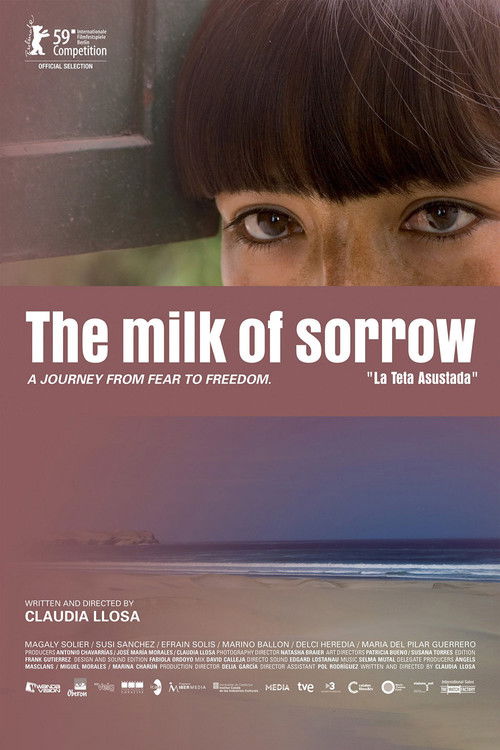
The Milk of Sorrow2009
Both films use craft—woodcarving, textiles—as a language for the unspeakable, and both are grounded in Peruvian Andean culture and its relationship to inherited sorrow.
A Peruvian woman creates elaborate textiles to exorcise inherited trauma. Like Retablo, it's about how Andean artisans transform pain into beauty, using magical realism to speak what can't be said directly.
But Surreal, slow, and deeply rooted in Peru's specific history of violence. The abstraction may frustrate those seeking narrative clarity.
More like this (8)
The Worst Person in the World2021
A young person navigating identity and expectation in a changing world. Both films catch the particular loneliness of not quite fitting your assigned role, with warmth and humor underneath.
But Norwegian and very Oslo-centric; its millennial anxieties may feel distant if you're looking for something more grounded.

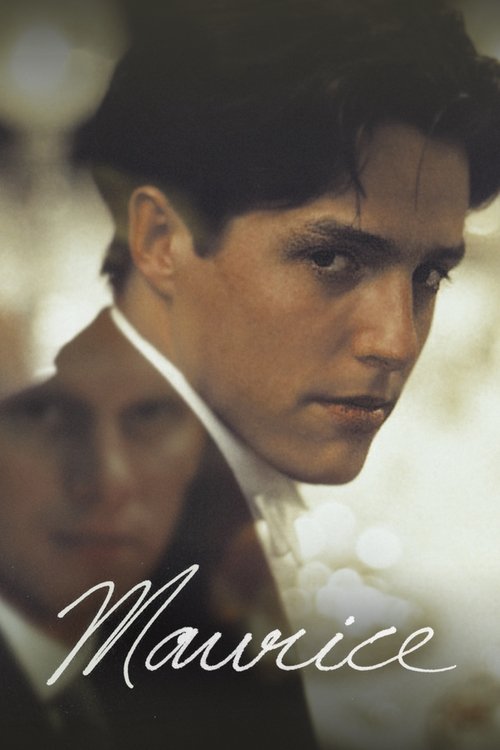
Maurice1987
A man learning to accept a truth about himself that his world forbids. Both films are about the courage hidden inside shame, and the cost of living as a lie.
But Adaptation of a 60-year-old novel; its Edwardian romance feel is nothing like Retablo's visual or emotional landscape.
Come and See1985
A boy confronts brutal truths that destroy his innocence and his understanding of the world. Shares Retablo's interest in how a young person internalizes impossible knowledge.
But Soviet war film of devastating bleakness. This is not gentle. Genuinely harrowing rather than quiet-sad.

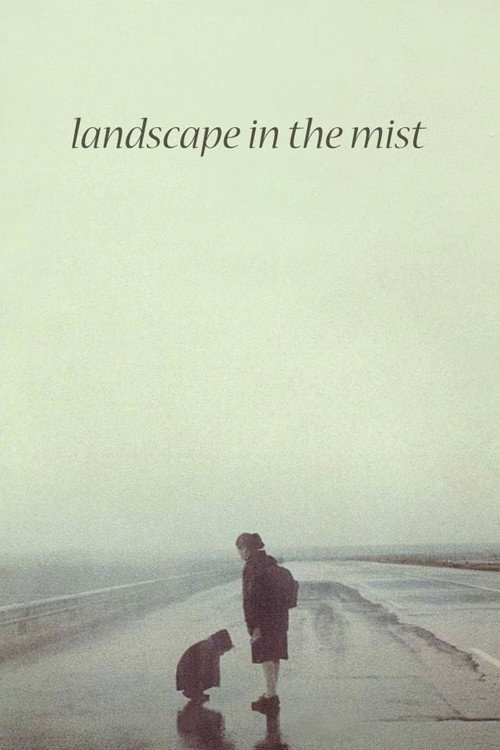
Landscape in the Mist1988
Two children journey through Greece searching for their father, learning hard truths about family and longing. Like Retablo, it's poetic but unsentimental about childhood and what we inherit.
But Angelopoulos is glacial and repetitive; some experience his style as pretentious or boring rather than contemplative.
Winter Light1963
Bergman's portrait of faith, duty, and emotional distance in a small community. Both explore how silence and obligation calcify relationships, and what happens when they crack.
But Black and white, 80 minutes of winter in Sweden. Existential bleakness isn't for everyone, and it predates most modern sensibilities.

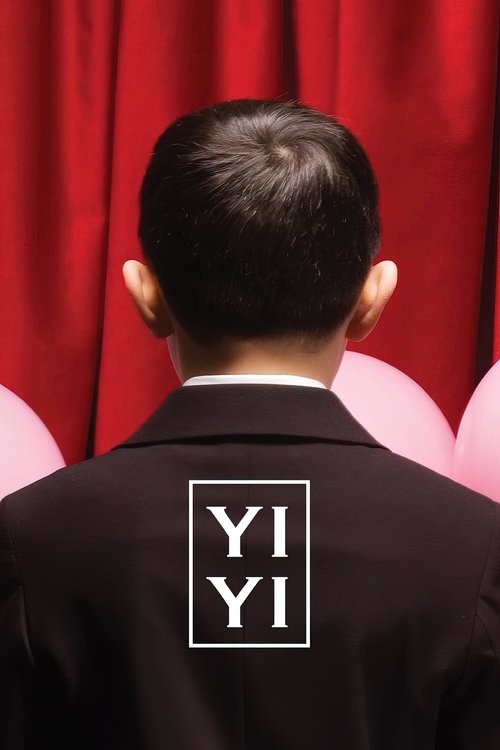
Yi Yi2000
Three generations of a Taiwanese family navigate identity, duty, and what they can't say to each other. Sprawling where Retablo is concentrated, but shares its belief in small moments as everything.
But Three hours, Mandarin, and the plot is deliberately thin. Requires patience with naturalism and domestic minutiae.
The Gilded Age2022
Both are about fathers and sons, obligation and silence, but where Retablo is visual and wordless, Gilead is entirely interior monologue. Opposite approaches to the same emotional territory.
A father writes letters to his son he'll never know, wrestling with faith, mortality, and all the things he can't say aloud. Stripped-back meditation on fatherhood and legacy across a whole season.
But Extremely slow, literary, religious—more prayer than plot. If you want narrative momentum or resolution, look elsewhere.
Harakiri1962
Both examine how masculine codes of honour and silence destroy intimacy. Retablo is intimate and modern; Harakiri is formal and historical—but they're asking the same question about what men aren't allowed to say.
A samurai's secret shame destroys his family and village through silence and code. Japanese chamber drama about a man destroyed by what he cannot reveal, with composition so precise it breaks your heart.
But Black and white 1960s samurai film—formal, long, and about ritual suicide. Visually gorgeous but tonally severe and historically alien.

People
Cast
 Amiel CayoNoé
 Júnior BéjarSegundo
 Magaly SolierAnatolia Paucar
- Mauro ChuchonMardonio
- Hermelinda LujánPerpetua (abuela)
- Ricardo Bromley LópezJeremias
- Claudia SolísFelícita
- Juan Ubaldo HuamanDon Genaro
Directing
- Alvaro Delgado AparicioDirector
Writing
- Alvaro Delgado AparicioScreenplay
- Héctor GálvezScreenplay
Production
- Dag HoelCo-Producer
- Kathleen McInnisCo-Producer
- Tobias PoppeCo-Producer
- Lasse ScharpenExecutive Producer
- Menno DoeringExecutive Producer
- Rexal FordExecutive Producer
- Alvaro Delgado AparicioProducer
- Enid “Pinky” CamposProducer