
Film
In the Fog
- War drama
- Very dark
A Belarusian partisan confronted with a devastating accusation during the Nazi occupation of the USSR. The film moves slowly through moral fog, asking what dignity costs when survival itself is a betrayal. For viewers patient with ambiguity and uninterested in easy answers about war.
Should you watch it?
Watch it if you want a slow, unflinching study of moral pressure in occupied wartime, where patient, quiet dilemmas grow heavier than any battle scene.
Skip it if you need brisk plot and clear heroes, since this is bleak, measured and withholds easy sympathy, and at just over two hours its stillness can feel punishing.
What it asks of you: Steady, uninterrupted attention for about two hours, with long silences and muted landscapes that never tell you how to feel about the man at its centre.
Not sure? Find tonight's pick in a minute.
If you liked this
Come and See1985
Elem Klimov's masterpiece about a Soviet boy conscripted into the partisan war. Like *In the Fog*, it refuses to aestheticize violence or offer redemption—just the grinding horror of occupation and resistance.
But Genuinely traumatic. The film does not look away from atrocity, and neither should you, but that demands something from a viewer.

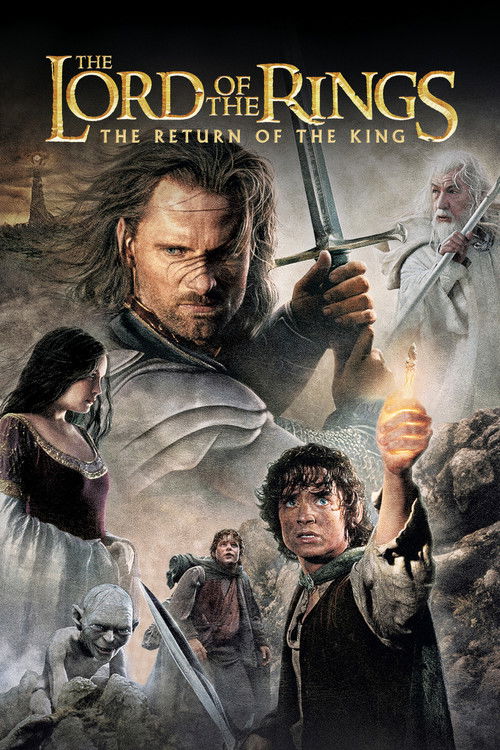
The Lord of the Rings: The Return of the King2003
Andrey Zvyagintsev's debut about two brothers and a stranger in a motorboat. A slow-burn exploration of masculine vulnerability and the unknowability of other people's motives—the same moral vertigo as *In the Fog*.
But Plotless by conventional standards. If you need narrative momentum or clear character motivation, this will frustrate you.
Stalker1979
Tarkovsky's sci-fi meditation on desire, faith, and the weight of choice. Like Sokurov's film, it trusts silence and negative space to do the psychological work. Both films about men carrying unbearable knowledge.
But 160 minutes of deliberate pacing. Tarkovsky moves at his own speed; if you can't match it, you'll be watching the clock.

Not sure tonight? Get a pick in a minute, starting from In the Fog
The wildcard
Something you would not have found on your own.
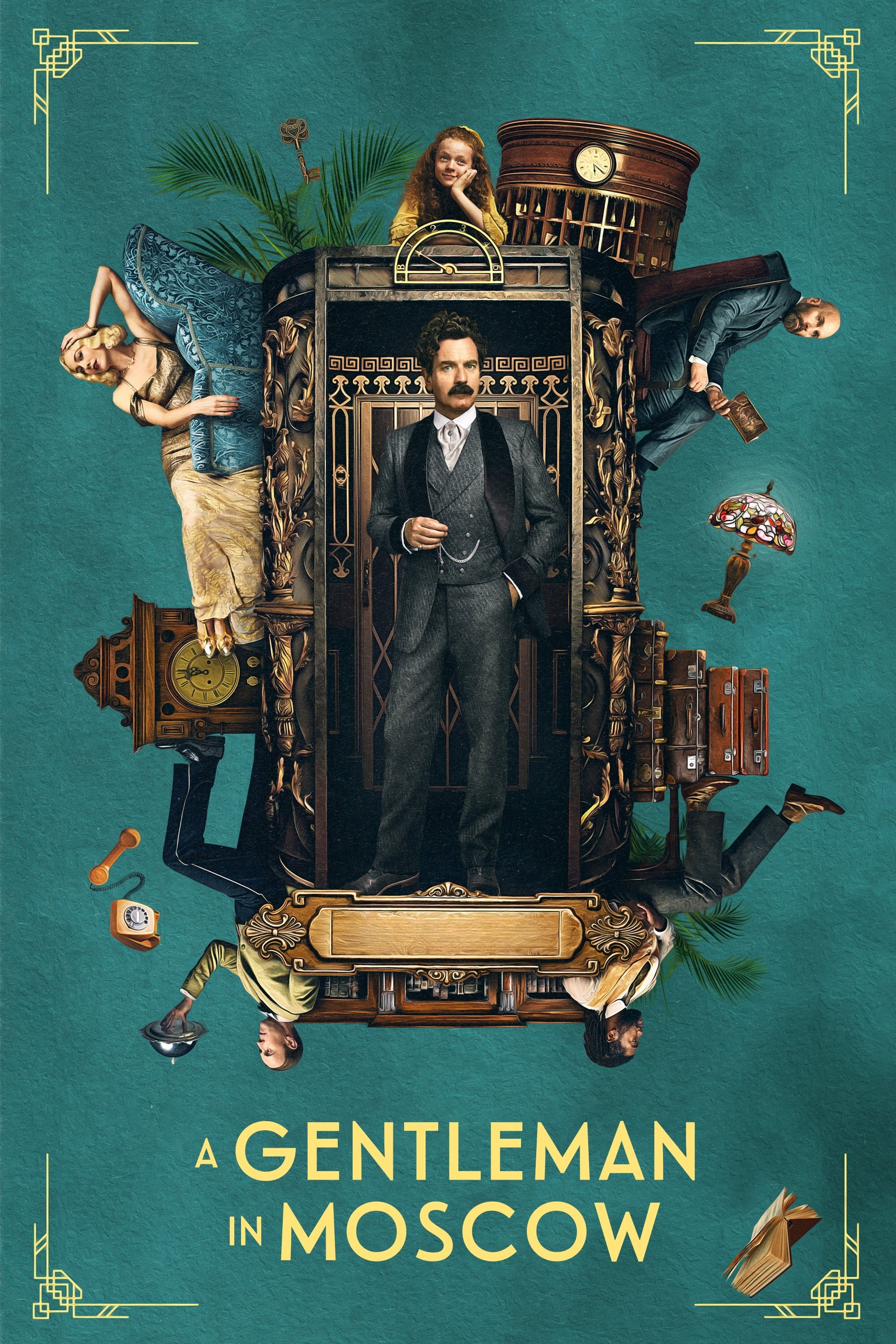
A Gentleman in Moscow2024
Both explore how people maintain inner life and dignity when history has made them powerless. But they arrive at nearly opposite emotional conclusions about that preservation.
Aar Avi Kumar's adaptation of Amor Towles' novel, set in Soviet Russia across decades. Like *In the Fog*, it grapples with survival under totalitarianism and the strange intimacies that form when the world outside is hostile and incomprehensible.
But A miniseries comfort-watch with considerable charm and whimsy. It actively resists the unrelenting grimness of *In the Fog*; if you're seeking moral darkness, this will seem evasive.
More like this (7)
Sunrise: A Song of Two Humans1927
F.W. Murnau's silent film about a man tempted to betray his wife. The moral stakes are different but the architecture is identical—one fateful choice that unmoors everything.
But Silent film from a century ago. The acting style and pacing will feel alien if you're not accustomed to the form.

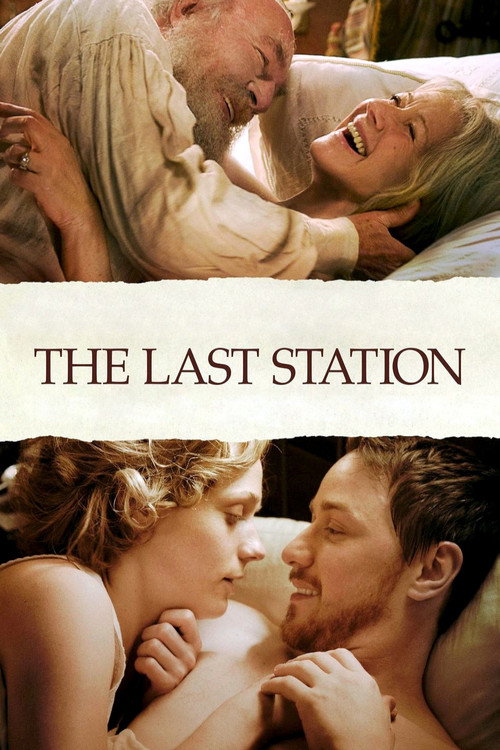
The Last Station2009
Tolstoy's final days, observed with the same attention to moral contradiction that Sokurov brings to occupied Belarus. How do we live with the gap between our principles and our actions?
But Costume drama with recognizable faces. If prestige biopics make you wary, this might feel like the thing you're wary of.
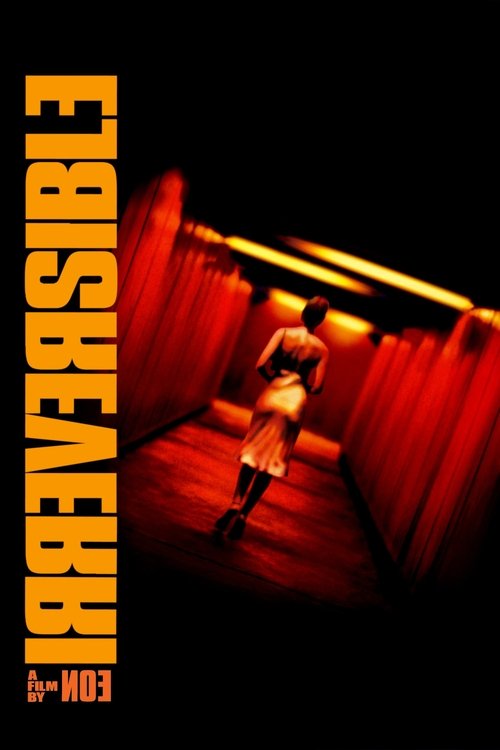
Irreversible2002
Gaspar Noé's film told in reverse chronological order, forcing you to sit with the knowledge of catastrophe. Both films use structure itself as moral argument—what we know and when we know it matters.
But The central scene of violence is among cinema's most brutal. It's not gratuitous, but it is unflinching, and many viewers will choose to leave.
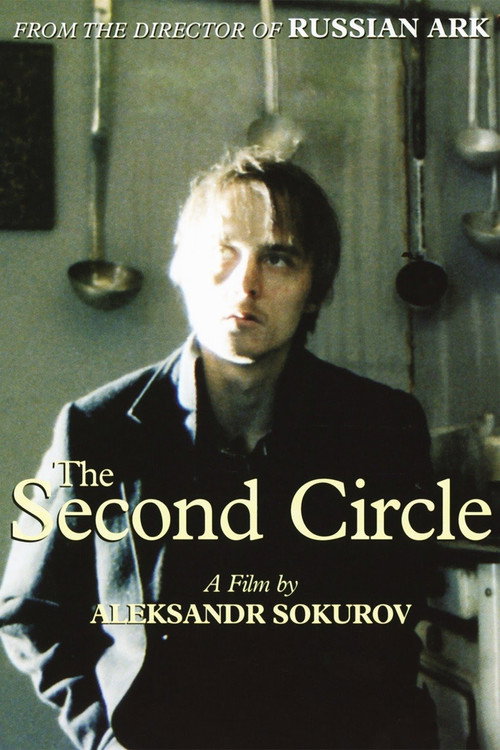
The Second Circle1990
Aleksandr Sokurov (yes, the same director) exploring homelessness and human dignity in Leningrad. Same moral seriousness, same refusal to sentimentalize or judge, but in a contemporary setting.
But Obscure even for Sokurov completists. You'll be watching something few people have seen, which is either thrilling or isolating depending on your mood.
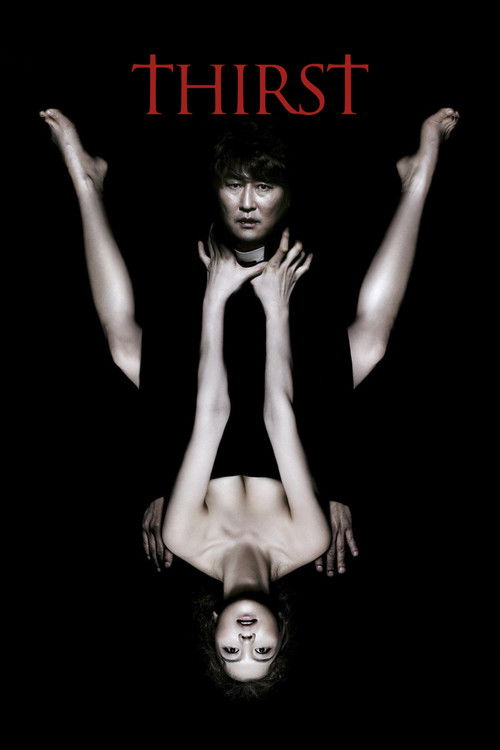
Thirst2009
Park Chan-wook's film about a priest who commits terrible acts after tasting blood. Like *In the Fog*, it's about how one choice cascades into moral corruption—but through supernatural rather than historical tragedy.
But Vatican politics and vampire mythology wrapped around a love triangle. The genre elements might seem to undercut the moral seriousness if you're expecting realism.
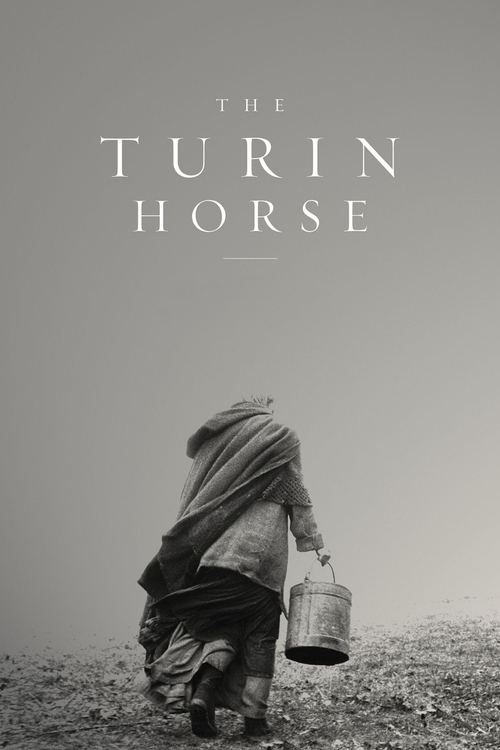
The Turin Horse2011
Béla Tarr's final film, set in the days after Nietzsche's collapse. Apocalyptic repetition and silence—a film about the end of meaning. Similar glacial pace, similar weight of unanswerable questions.
But Bleak to the point of nihilism. If you watch films for catharsis or uplift, this offers neither.
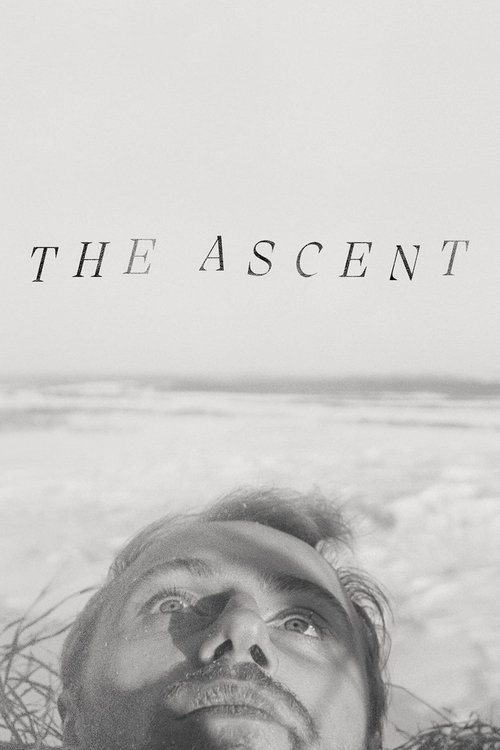
The Ascent1977
Both are Belarusian or Soviet cinema's most uncompromising explorations of what it means to face destruction with consciousness intact—but *The Ascent* reaches toward transcendence while *In the Fog* reaches toward nothing.
Larisa Shepitko's only feature film (she died shortly after completing it): two Soviet partisans captured and facing execution, intercut with flashbacks. A metaphysical interrogation of faith and suffering that makes *In the Fog*'s moral questions almost concrete in comparison.
But Shot in black and white during the Soviet thaw, it's formally austere and spiritually demanding. It answers neither its theological questions nor yours.
People
Cast
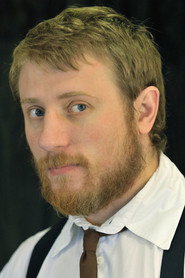 Vladimir SvirskiySushenya
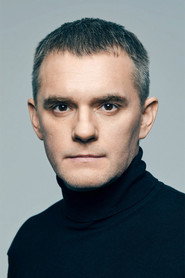 Vladislav AbashinBurov
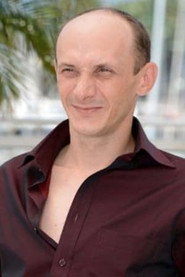 Sergey KolesovVoitik
- Nikita PeremotovsGrisha
 Yulia PeresildAnelya
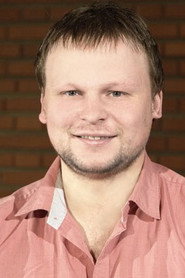 Kirill PetrovKoroban
- Dmitrijs KolosovsMishuk
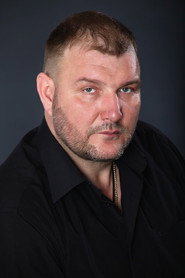 Dmitriy Bykovskiy-RomashovYaroshevich
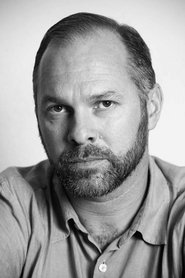 Vlad IvanovGrossmeier
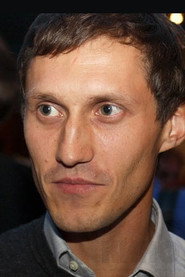 Igor KhripunovMirokha
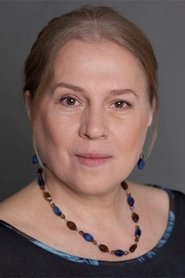 Nadezhda MarkinaBurov's mother
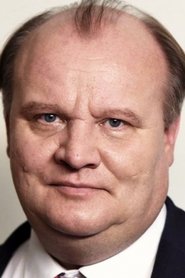 Boris KamorzinFirst policeman
Directing
- Sergei LoznitsaDirector
Writing
- Vasili BykovNovel
- Sergei LoznitsaScreenplay
Production
- Maria ChoustovaCasting
- Vilnis KalnaellisCo-Producer
- Martin SchlüterLine Producer
- Heino DeckertProducer