
Film
9th Company
- War drama
- Very dark
A brutal immersion in the final years of Soviet Afghanistan through the eyes of raw recruits becoming soldiers overnight. Fyodor Bondarchuk's film treats war as a grinding, dehumanizing fact rather than a story with heroes. It's visceral and unsparing—ideal for viewers hungry for authenticity over sentiment, though it demands patience with Russian cinema's deliberate pacing.
Should you watch it?
Watch it if you want a war film that sets you inside a group of raw conscripts and lets their boredom, fear and bonds build slowly until the fighting arrives like weather.
Skip it if you need a clear hero, quick cuts and steady action, since this runs long and spends much of its time on barracks routine and waiting before anything explodes.
What it asks of you: Settle in for a little over two hours of patient, grinding build-up, with the harder material arriving late and the mood staying bleak rather than rousing.
Not sure? Find tonight's pick in a minute.
If you liked this
Come and See1985
Elem Klimov's masterpiece about a Belarusian boy conscripted into WWII. Like 9th Company, it refuses to look away from what war does to the young and innocent. Visually shattering and morally uncompromising.
But Over three hours. Relentlessly grim with almost no moments of reprieve. Some viewers find it punishing rather than enlightening.

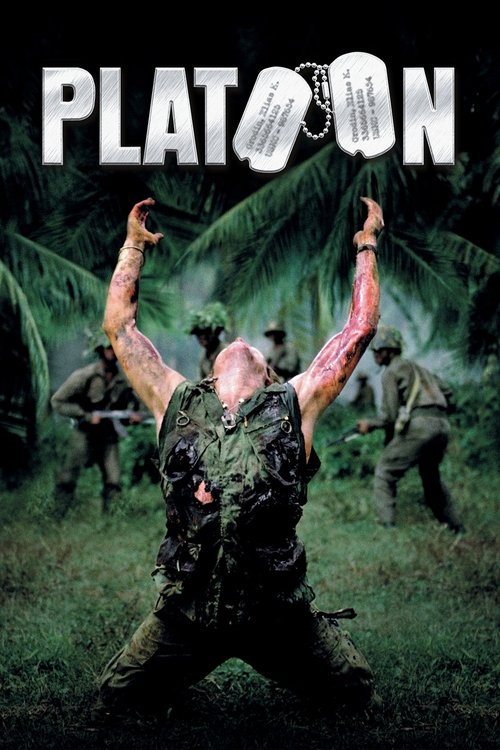
Platoon1986
Oliver Stone's Vietnam War film captures the same grinding disillusionment and moral confusion of soldiers dropped into an impossible situation. The ensemble cast evolves from idealism to survival instinct in ways that echo 9th Company's trajectory.
But Feels more American in its mythmaking, even as it's anti-war. Less formally austere than what you'll get here.
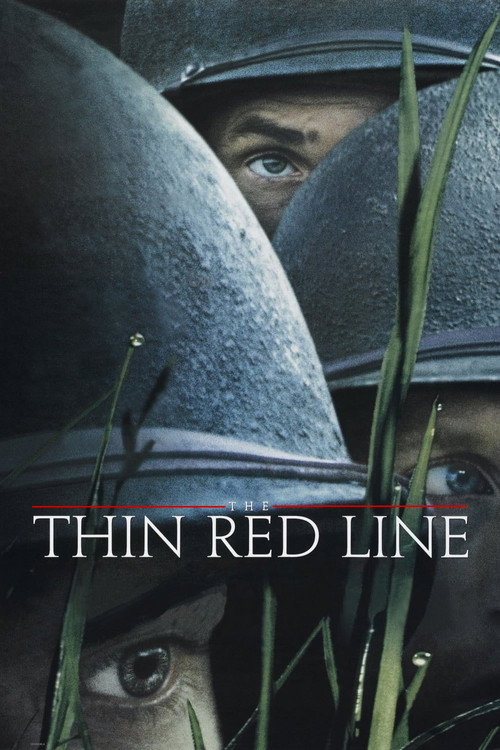
The Thin Red Line1998
Terrence Malick's philosophical meditation on combat and masculinity during the Guadalcanal campaign. Shares 9th Company's rejection of war-film clichés and its focus on how individual consciousness fractures under violence.
But Malick's voiceover narration and poetic abstraction might feel oblique if you want narrative clarity. Deliberately paced.
Not sure tonight? Get a pick in a minute, starting from 9th Company
The wildcard
Something you would not have found on your own.
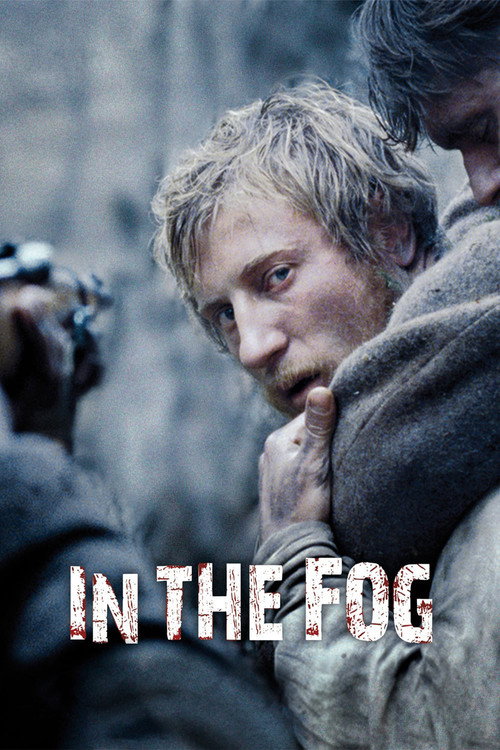
In the Fog2012
Both are post-Soviet filmmakers using war to explore how individual morality collapses under systems that demand obedience or death.
Sergei Loznitsa's Belarusian film set in WWII, about a man accused of collaboration and his journey to prove his innocence. Shares 9th Company's aesthetic—long takes, moral ambiguity, the machinery of Soviet authority—but strips away action entirely for existential dread.
But Deliberately slow and visually austere. Story is bleak with no redemption available. Some find the pacing alienating rather than immersive.
More like this (6)
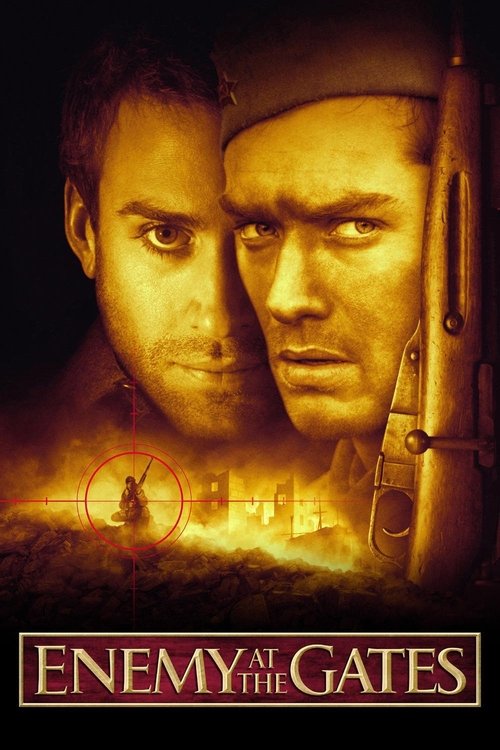
Enemy at the Gates2001
Two snipers locked in a duel during the Battle of Stalingrad. Like 9th Company, it dramatizes WWII-era Soviet military brutality and the machinery that grinds individual soldiers. Tense and historically grounded.
But More conventional thriller structure. Less interested in the philosophical weight that makes 9th Company linger.
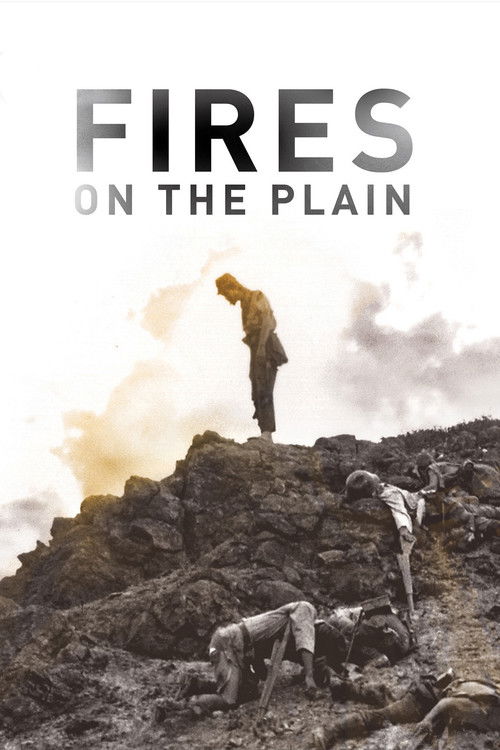
Fires on the Plain1959
Kon Ichikawa's Japanese WWII film about desperate soldiers in the Philippines, unable to retreat or surrender. The same focus on human degradation and the slow horror of war without heroism or escape.
But Black and white, paced for contemplation. Some sequences of suffering are extremely difficult to watch without looking away.
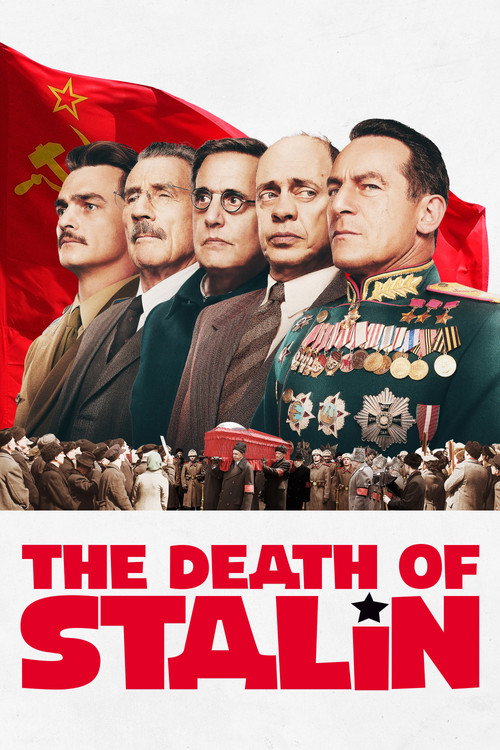
The Death of Stalin2017
Armando Iannucci's Soviet dark comedy about the chaos following Stalin's death. A different genre, but captures the absurdity and brutality of Soviet institutions with the same unflinching eye 9th Company brings to the military.
But Comedy might feel tonally jarring if you're coming to this series for unrelenting seriousness. Satire requires a different kind of patience.
A Prophet2009
Jacques Audiard's French prison film about a young man's brutal initiation into criminal hierarchy. The same arc as 9th Company—innocence destroyed, survival learned through violence, a world with its own brutal rules.
But Prison setting instead of war, which changes the specificity. Some find its pacing slow for what is essentially a contained story.

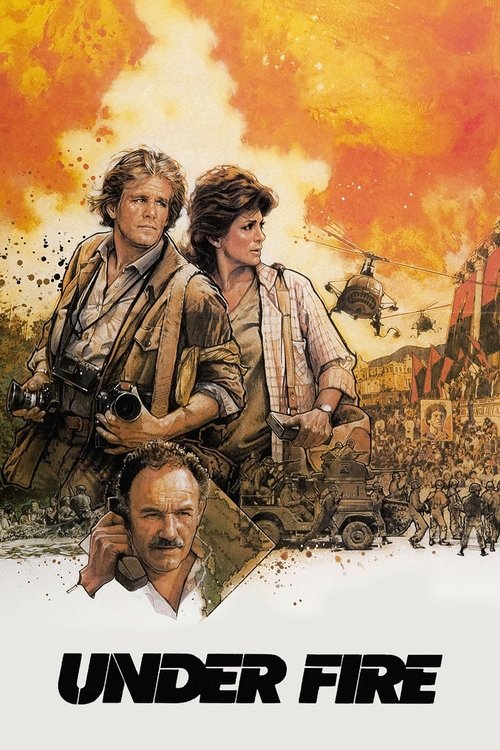
Under Fire1983
Roger Spottiswoode's account of photojournalists in Nicaragua during the revolution. Another 1980s conflict, another meditation on how ordinary men are tested by history they didn't choose. Documentary feel with dramatic stakes.
But Ensemble cast never quite coheres emotionally. Plot sometimes takes a back seat to geopolitical complexity, which can feel diluted.
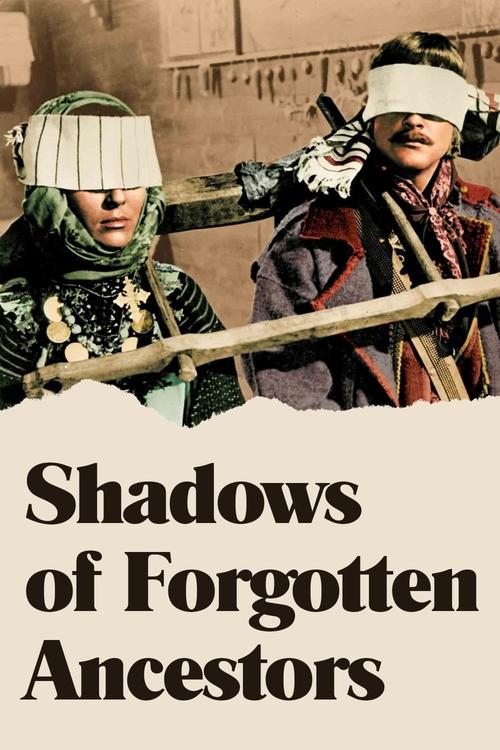
Shadows of Forgotten Ancestors1965
Both are Soviet-era works using stark, uncompromising imagery to explore how young men are ground down by forces—whether war, tradition, or fate—beyond their control.
Sergei Parajanov's Ukrainian folk-horror masterpiece about ritual, death, and passion set in the Carpathian mountains centuries ago. A radical visual language—expressionist color, ritualistic framing—that feels almost alien, yet shares 9th Company's unflinching gaze at how humans destroy each other.
But Deliberately anti-narrative and deeply strange. No plot in the conventional sense. Demands active interpretation and rewards rewatching. Some find it more like visual poetry than film.
People
Cast
 Aleksey ChadovVorobey
 Artur SmolyaninovLyutyy
 Konstantin KryukovDzhokonda
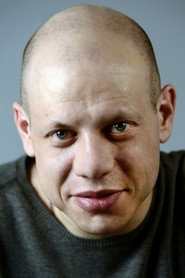 Ivan KokorinChugun
 Artyom MikhalkovStas
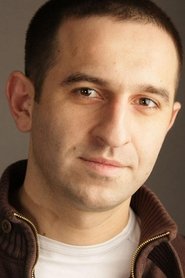 Soslan FidarovPinochet
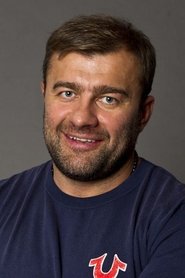 Mikhail PorechenkovDygalo
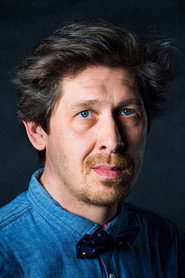 Dmitriy MukhamadeevAfanasiy
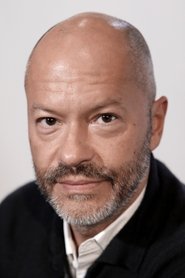 Fyodor BondarchukKhokhol
 Amadu MamadakovKurbashi
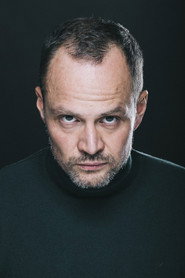 Mikhail EvlanovRyaba
- Marat GudievAkhmet
Directing
- Fyodor BondarchukDirector
Writing
- Iskander GalievWriter
- Yuri KorotkovWriter
Production
- Alexander RodnyanskyProducer
- Dmitry RudovskyProducer
- Elena YatsuraProducer
- Fyodor BondarchukProducer
- Iskander GalievProducer
- Sergey MelkumovProducer