
Film
Charlie Wilson's War
A briskly funny true-story political drama about a hard-partying Texas congressman who quietly bankrolls the biggest CIA operation of the Cold War. Aaron Sorkin's script keeps the wit fast, with Hanks, Roberts and Hoffman clearly enjoying themselves. It's a caper right up until its final minutes, when the film asks what happens after the applause — smart, sly, and just serious enough.
If you liked this
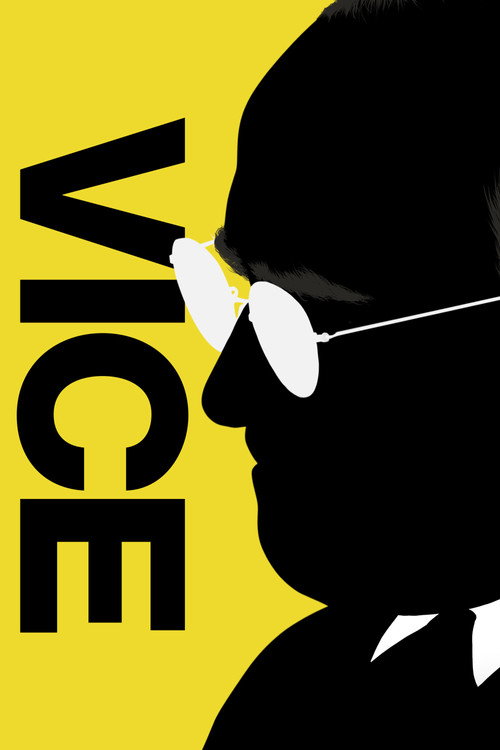
Vice2018
Adam McKay turns Dick Cheney's rise into gleeful, fourth-wall-breaking satire, using the same trick as Sorkin — make the corridors of power funny until they aren't. Christian Bale disappears into the role.
But The stylistic tricks — mockumentary cutaways, fake endings — can feel showy rather than illuminating, and its politics wear on its sleeve.
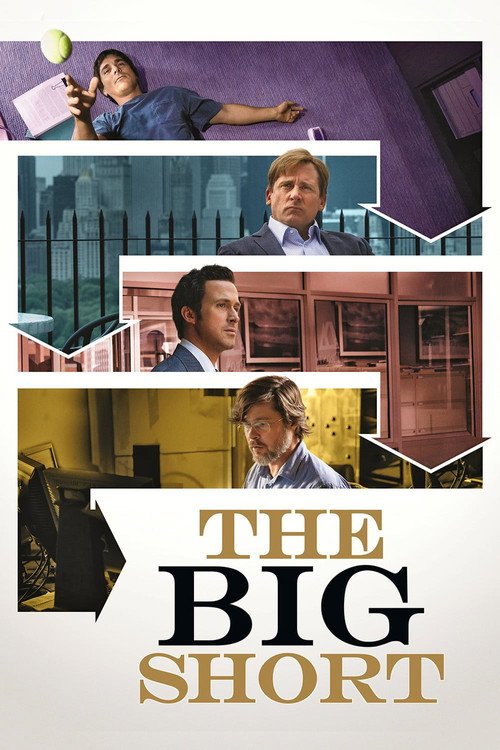
The Big Short2015
Another ensemble comedy about smart, self-interested people exploiting a broken system for their own gain, narrated with the same breathless, direct-to-camera glee.
But Explaining collateralized debt obligations is inherently drier than gunrunning to Afghanistan, and the film knows it, so some scenes feel like homework.
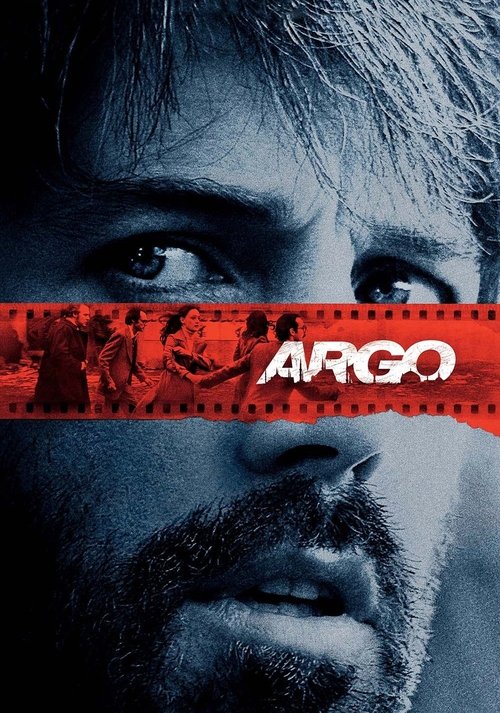
Argo2012
Affleck's version of the improbable-but-true CIA caper — tense, funny in places, and just as interested in how bureaucracy and bravado get things done as Wilson's story is.
But It's a tighter, more straightforward thriller with less interest in moral consequence — the fun is the point, not the aftertaste.
The wildcard
Something you would not have found on your own.
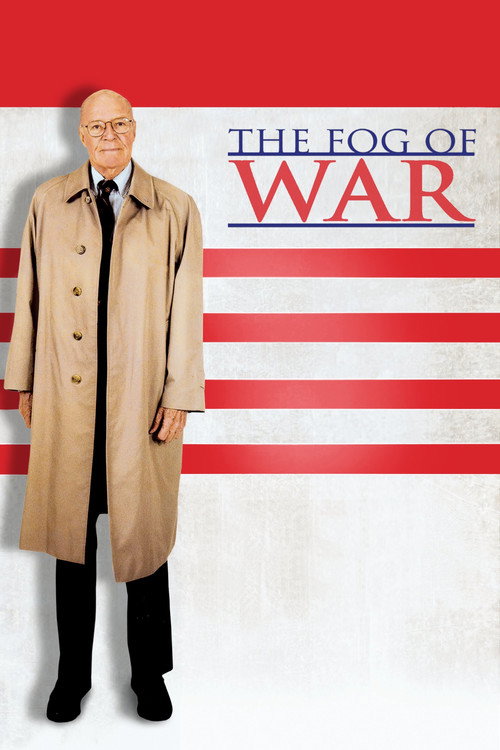
The Fog of War2003
Both are about American strategists who convinced themselves their war was righteous and efficient, and about the long delayed bill for that certainty. McNamara's Vietnam is Wilson's Afghanistan a generation earlier, and this film supplies the moral hangover Sorkin's script only gestures at in its final scene.
Errol Morris interviews Robert McNamara alone, unpacking Vietnam decade by decade — asking the exact question Charlie Wilson's War ends on: what happens when a winning idea outlives its usefulness.
But There's no Hoffman one-liners here, just one old man reckoning on camera with what he built. It's a very different kind of tense.
More like this (8)
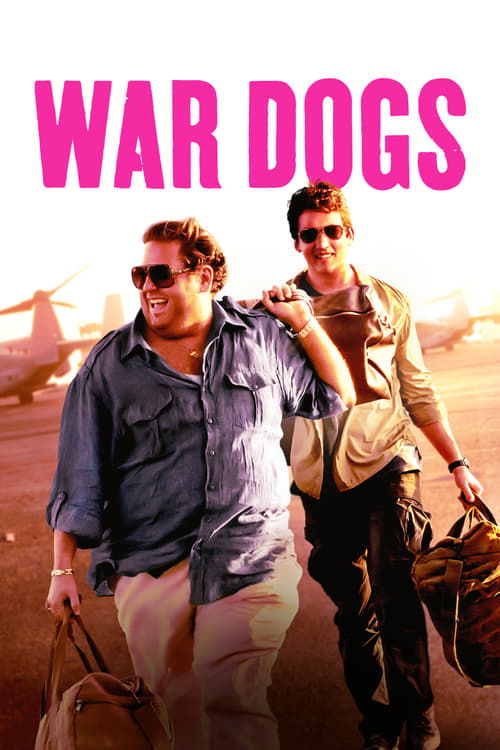
War Dogs2016
Two guys stumble into arming a war zone for profit — a scrappier, dumber, more American update of exactly the how-did-this-happen energy Wilson's story runs on.
But Teller and Hill play it broader and shallower, with less appetite for the bigger geopolitical picture behind the joke.
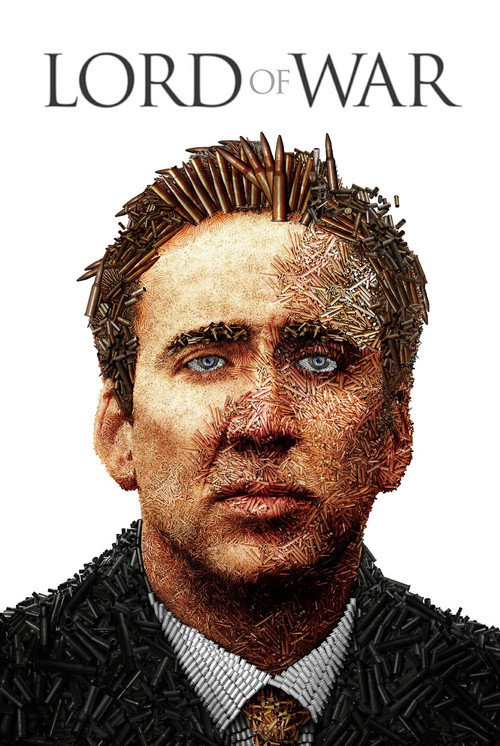
Lord of War2005
Nicolas Cage as an arms dealer walking us cheerfully through the ugliest business on earth, telling the same dark joke Charlie Wilson tells: charm sells atrocity.
But Cage's narration is glib in a way that can feel like it's letting itself off the hook for what it's depicting.
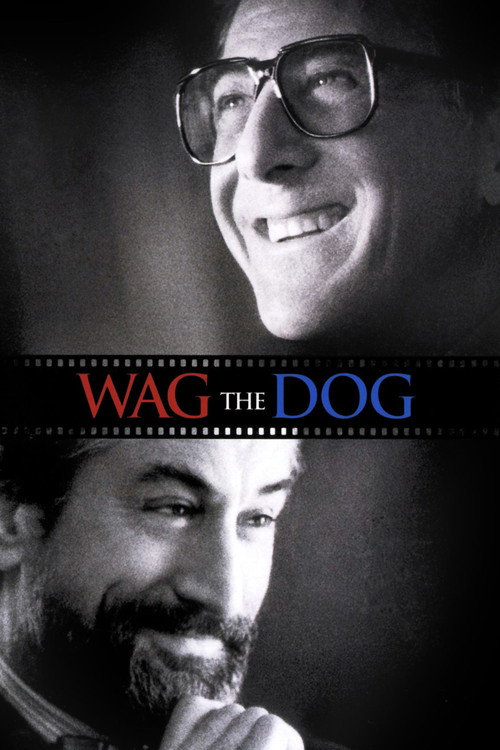
Wag the Dog1997
The original modern satire about spin, war and Washington's appetite for a good story — sharp, quick, and unnervingly prophetic about how easily a narrative gets manufactured.
But It's broader farce than Sorkin's dialogue-driven wit, and its late-90s satire can feel a touch dated now.
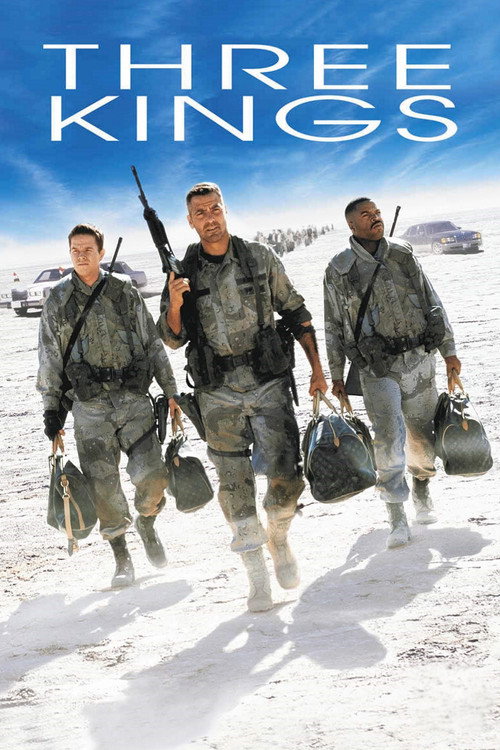
Three Kings1999
Gulf War soldiers stumble into their own morally murky covert operation — funny, violent, and genuinely angry about what American intervention leaves behind.
But David O. Russell's visual style is grittier and more chaotic, trading charm for something rawer and more confrontational.
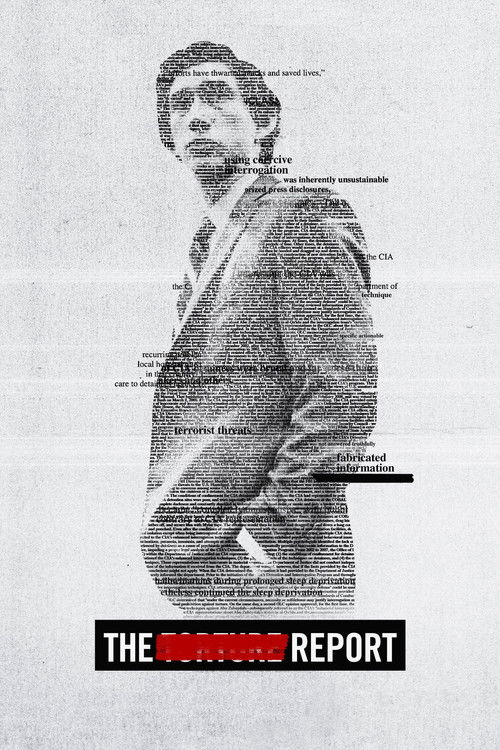
The Report2019
A quieter, angrier cousin — the story of a Senate staffer uncovering the CIA's post-9/11 torture program, sharing Wilson's fascination with how institutions actually get things done.
But There's none of Wilson's mischief here; it's procedural and grim, more courtroom drama than romp.
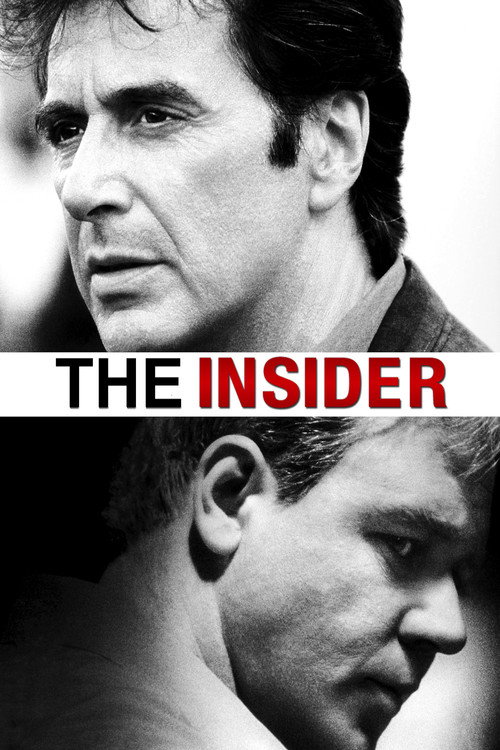
The Insider1999
Michael Mann's slow-burn true story of a whistleblower taking on Big Tobacco shares Wilson's interest in one person's leverage against an entrenched system.
But It's a much heavier, more paranoid film — two and a half hours with barely a laugh in it.
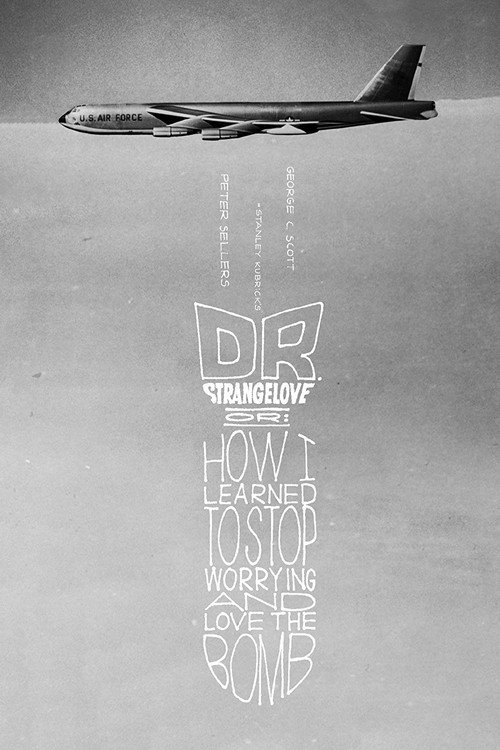
Dr. Strangelove or: How I Learned to Stop Worrying and Love the Bomb1964
Same species of comedy: the joke is always that the fate of nations gets decided by vanity, appetite, and men having far too much fun. Strangelove is where this particular black comedy of statecraft was invented, and everything after — including Wilson's war room jokes — is working in its shadow.
Kubrick's Cold War farce, made decades before Sorkin's script, runs on the same fuel — powerful men making apocalyptic decisions with the swagger of boys playing a game, and just as funny for it.
But It's black-and-white, theatrical, and stagier than the loose docu-comedy energy of Wilson's world — a period piece by design, not accident.
9th Company2005no page yet
This is literally the flip side of the deal Wilson brokers in Washington — the mujahideen weapons in his story are the bullets these soldiers are dying from. Same war, opposite perspective, entirely different genre.
A Russian war film that puts you on the other end of the guns Charlie Wilson funded — young Soviet conscripts fighting and dying in the same Afghan mountains, no comedy anywhere in sight.
But It's in Russian, it's brutal rather than witty, and it offers none of the charm — this is what the joke looks like from the ground.
People
Cast
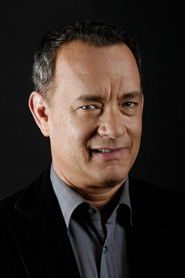 Tom HanksCharlie Wilson
 Julia RobertsJoanne Herring
 Philip Seymour HoffmanGust Avrakotos
 Amy AdamsBonnie Bach
 Emily BluntJane Liddle
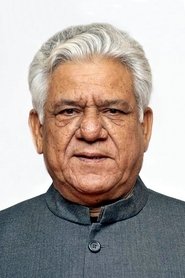 Om PuriPresident Zia
 Shiri ApplebyJailbait - Charlie's Angels
 Rachel NicholsSuzanne - Charlie's Angels
 Wynn EverettReceptionist - Charlie's Angel
 Jud TylorCrystal Lee
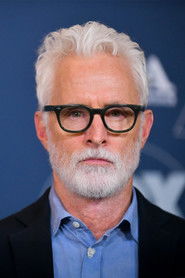 John SlatteryCravely
 Erick AvariAvi Perlman
Directing
- Mike NicholsDirector
- Michael HaleyFirst Assistant Director
- Mary BaileyScript Supervisor
- Basil GrilloSecond Assistant Director
- Mark TrapenbergSecond Second Assistant Director
- Antoine DouaihySecond Unit Director
- Rick AverySecond Unit Director
Writing
- George CrileBook
- Aaron SorkinScreenplay
Production
- Ryan BiegelAccounting Clerk Assistant
- Terri TaylorAdditional Casting
- Edward HuntAssociate Producer
- Mary BaileyAssociate Producer
- Paul A. LevinAssociate Producer
- Ellen LewisCasting
- Michael HaleyCo-Producer
- Celia D. CostasExecutive Producer
- Jeff SkollExecutive Producer
- Ryan KavanaughExecutive Producer
- Nicole Abellera HallmanLocal Casting
- Ann GrayPost Production Coordinator
- Gary GoetzmanProducer
- Tom HanksProducer
- Michelle BrattsonProduction Coordinator
- Gregg EdlerProduction Supervisor
- Cristen Carr StrubbeUnit Production Manager
Recommended by
Syriana, Bridge of Spies, Argo, Frost/Nixon, Vice, Three Kings, Lord of War, Primary Colors, Mr. Smith Goes to Washington, The Contender