
Film
The Second Circle
- Drama
- Slow-burning
A Soviet-era drama about grief stripped of ceremony. A man navigates the bureaucratic and emotional wreckage of his father's death in a spiritually hollow society, finding no rituals or frameworks to help him process loss. Quietly devastating, unsentimental, and deeply specific to its moment and place.
If you liked this
Come and See1985
Elem Klimov's masterpiece about a boy conscripted into war. Like The Second Circle, it documents how systems crush the soul—here with apocalyptic force. A companion piece on suffering under Soviet machinery.
But Relentlessly brutal and graphic. Not cathartic; it ends in numbness and rage. One of cinema's most punishing experiences.

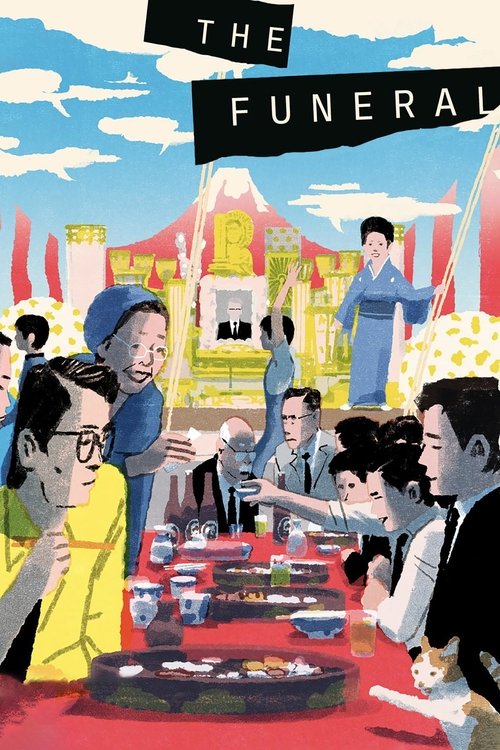
The Funeral1984
Juzo Itami's Japanese comedy-drama about a family navigating the absurd rituals of death. Shares The Second Circle's dark comedy about how we pretend to grieve when ritual fails us. Warmer in tone but equally sharp.
But The comedy is specific to Japanese funeral customs; some beats may feel oblique. Tonal whiplash if you're expecting straight drama.
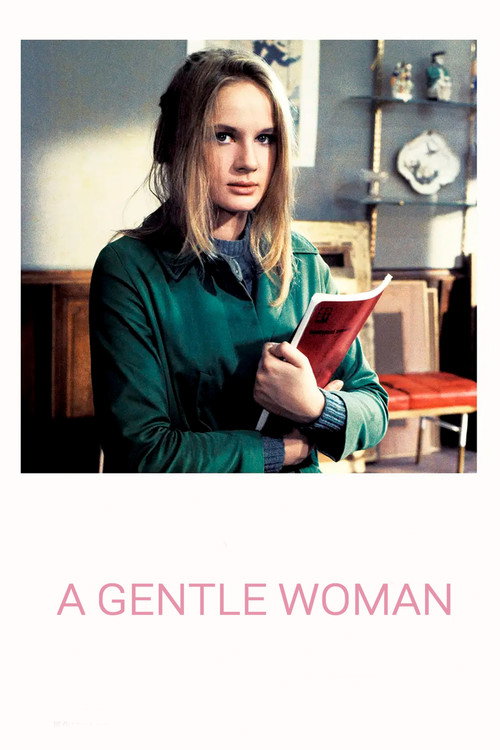
A Gentle Woman1969
Bresson's spare, glacial study of a woman's withdrawal after her husband's betrayal. Both films understand that grief and despair are states of being, not plot events. Minimalist and unforgiving in the same way.
But Glacial pacing. Bresson offers no warmth or explanation. Will feel cold if you need emotional catharsis.
Not sure tonight? Get a pick in a minute, starting from The Second Circle
The wildcard
Something you would not have found on your own.
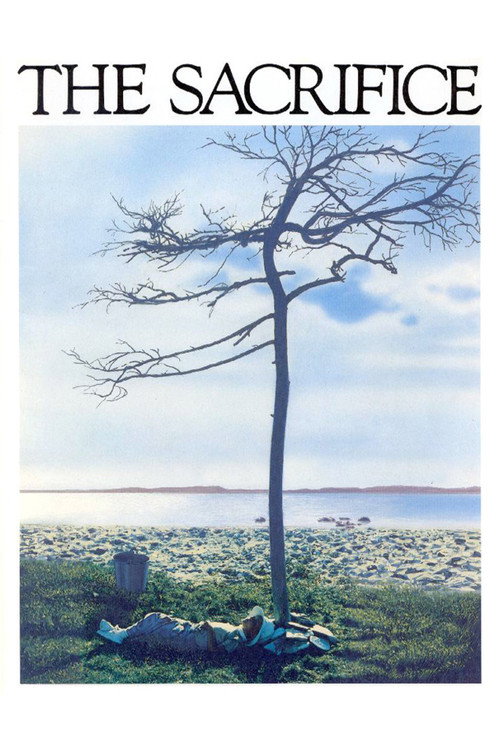
The Sacrifice1986
Both are late-Soviet films about death and spiritual emptiness, but where The Second Circle stays earthbound in bureaucracy and emotional numbness, The Sacrifice reaches toward transcendence and catastrophe. Opposite approaches to the same abyss.
Tarkovsky's final film: an intellectual man waiting for apocalypse, confronting faith, mortality, and what we owe each other. Both films circle the same questions—how to live and die in a world that offers no spiritual ground—but Tarkovsky finds the metaphysical stakes while Sokurov finds the quotidian horror.
But Tarkovsky's most hermetic and demanding work. Over two and a half hours of near-static shots. Requires submission to his pace; active viewing will exhaust you.
More like this (7)
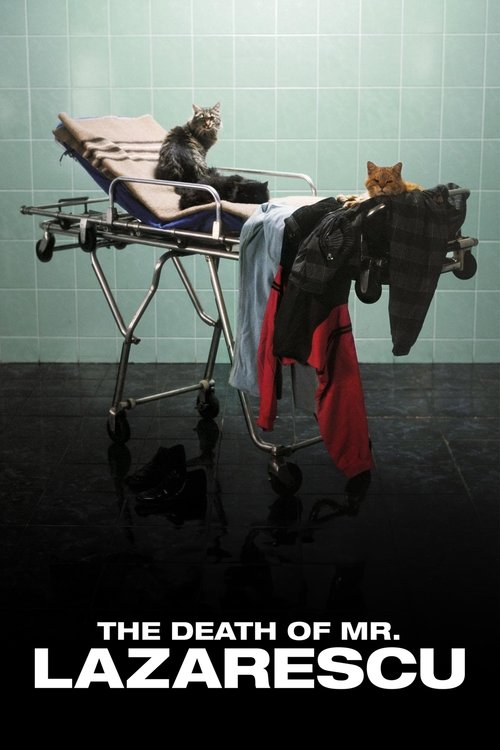
The Death of Mr. Lazarescu2005
Cristi Puiu's Romanian odyssey of an old man dying while navigating indifferent bureaucracies and hospitals. Like The Second Circle, it finds the grotesque and tragicomic in institutional failure and human isolation.
But Over three hours. Repetitive and deliberately slow. Pessimistic about human kindness in every direction.
Stalker1979
Tarkovsky's metaphysical meditation on desire and spiritual emptiness in Soviet society. Dense, hypnotic, and shaped by the same post-spiritual malaise that haunts The Second Circle.
But Nearly three hours of philosophical drift. Minimal plot. Demands complete surrender; impatience will feel like torture.

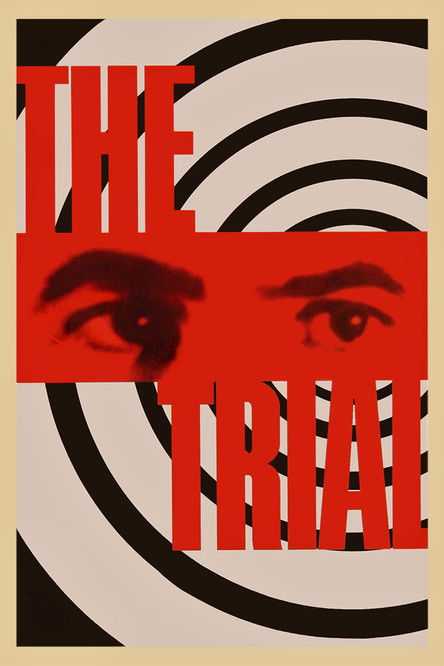
The Trial1962
Welles adapting Kafka: a man caught in systems that make no sense and offer no appeal. The bureaucratic nightmare of The Second Circle expanded into Kafkaesque allegory about powerlessness.
But Black-and-white, formally experimental, and deliberately disorienting. Welles' baroque visual style may overwhelm the quiet dread you're seeking.
Ikiru1952
Kurosawa's humanist masterpiece about a dying man finding meaning in small acts. Where The Second Circle despairs, this offers dignity in the face of meaninglessness—a profound counterargument worth hearing.
But More sentimental than The Second Circle. The emotional uplift may feel unearned if you're attuned to bleaker truths.

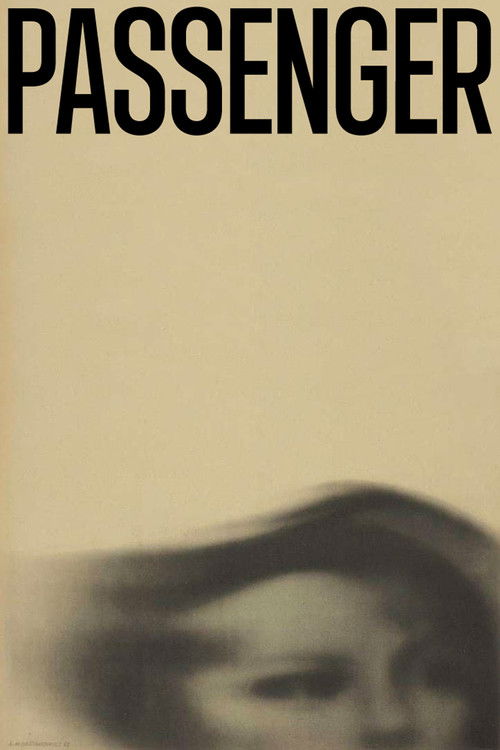
Passenger1963
Andrzej Munk's unfinished film about a woman confronting her past. Like The Second Circle, it's a Soviet-bloc film that treats memory, trauma, and social rupture with formal rigor and no easy answers.
But Literally incomplete—Munk died during production. The final act uses stills and voiceover. Structurally unique but fragmented in ways some find unsatisfying.
Memories of Murder2003
Both depict how state power and institutional indifference compound personal tragedy. The Second Circle whispers; Memories of Murder shouts. But the bone underneath is identical.
Bong Joon-ho's South Korean serial-killer procedural set during authoritarian crackdown. Like The Second Circle, it's about systems that fail the grieving and the powerless. But where one is intimate and quiet, this is tense and narrative-driven. A wildly different register, same moral sickness.
But Violent and deeply dark. Less philosophical, more visceral. The narrative momentum may feel like distraction if you prefer ambiguity to plot.

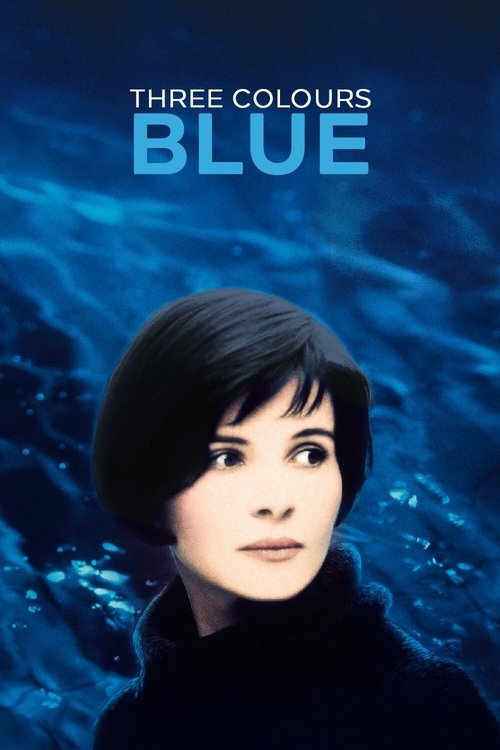
Three Colors: Blue1993
Both use grief as a lens to examine how we live after meaning collapses. The Second Circle stays in the provincial rubble; Blue floats in abstraction and art. Same devastation, opposite languages.
Kieślowski's meditation on grief after sudden loss—a woman's husband and daughter die in a car crash, and she tries to erase herself. Formally experimental (split screens, color theory as emotion), but about the same numbness and disconnection as The Second Circle. European existentialism, not Soviet naturalism.
But Deliberately opaque. Kieślowski refuses to explain symbolism. Some find it beautiful, others pretentious. The formal games may feel like evasion.
People
Cast
Directing
- Aleksandr SokurovDirector
Writing
- Yuriy ArabovWriter