
Film
Marlene
- Slow-burning
Rainer Werner Fassbinder's final film is a portrait of Marlene Dietrich built entirely from archival footage and her own voice, never showing her face. It's a meditation on fame, aging, and the gap between the woman and the legend—intimate yet inscrutable, like eavesdropping on someone through a closed door. Essential viewing for anyone fascinated by cinema's power to create mythology.
Should you watch it?
Watch it if you love portraits assembled from archive clips and interviews, where the subject stays out of frame and her guarded voice does the work.
Skip it if the film is talking-heads and clips rather than a lively story, so if you want momentum or a face to follow, it will feel slow.
What it asks of you: Settle in for ninety-four minutes of patient, unhurried assembly, with long stretches of old footage and talk that rewards close listening rather than quick cuts.
Not sure? Find tonight's pick in a minute.
If you liked this
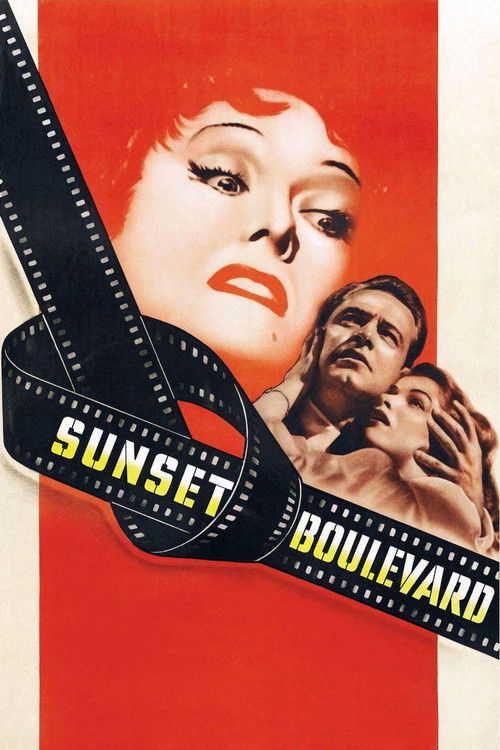
Sunset Boulevard1950
Billy Wilder's masterpiece about a fading silent film star and obsession with the past. It has the same dark fascination with Hollywood's cruelty and the price of eternal glamour that animates Fassbinder's film.
But It's a noir in the classical mode—deliberately paced, heavy on mood. If you want narrative momentum, you'll find it slow.
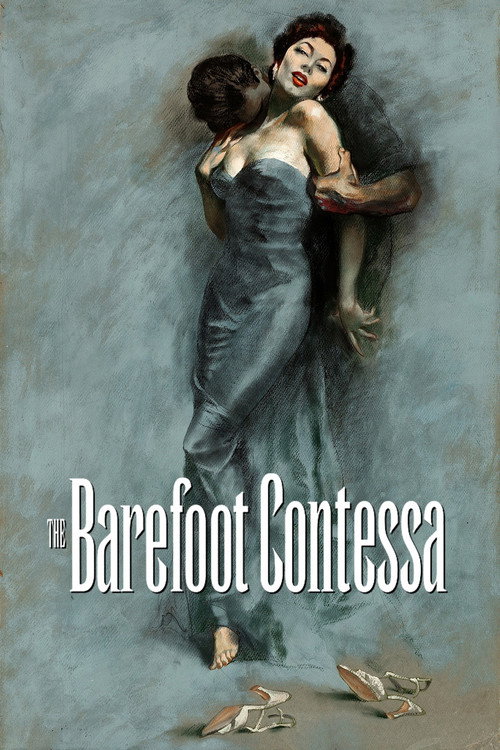
The Barefoot Contessa1954
Ava Gardner as a woman constructed by Hollywood myth, told in fragments that circle back on themselves. Like Marlene, it's about the distance between public image and private truth, with real sadness underneath.
But The framing device feels dated. Some scenes linger past their point, and the moral conclusions are arrived at rather than earned.
Singin' in the Rain1952
A joyous, intelligent musical about the transition from silent to talking pictures. It understands what Fassbinder's film explores: how movies create false selves and the vulnerability that revelation brings.
But It's a comedy, so tonal whiplash if you're coming from something austere. Some numbers outstay their welcome.

Not sure tonight? Get a pick in a minute, starting from Marlene
The wildcard
Something you would not have found on your own.
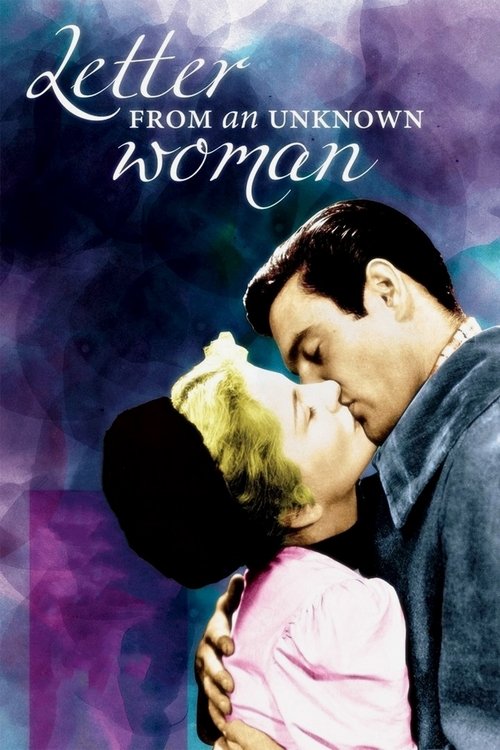
Letter from an Unknown Woman1948
Both are about the gap between the woman people know and the woman who exists alone. Both use cinema's power to create an intimacy that's actually unbridgeable. Fassbinder was obsessed with Ophüls.
Ophüls' masterpiece is told entirely from a woman's perspective addressing a man who never knew her. It's about desire, time, and the stories we tell ourselves about love. The formal beauty is devastating—no wasted moment.
But It's a melodrama, and a period piece. The emotional register is operatic, which can feel remote if you're unprepared for that register.
More like this (7)
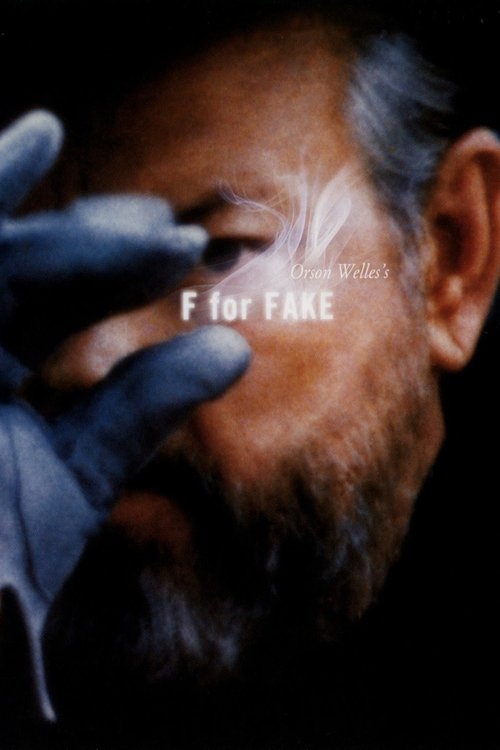
F for Fake1973
Orson Welles' essay on fakery, truth, and cinema itself. Like Marlene, it's about how images deceive, performed by a man himself constructed by myth. Witty, elegant, and genuinely unsettling.
But It's fractured and digressive by design. If you need a clear argument spelled out, you'll feel lost.
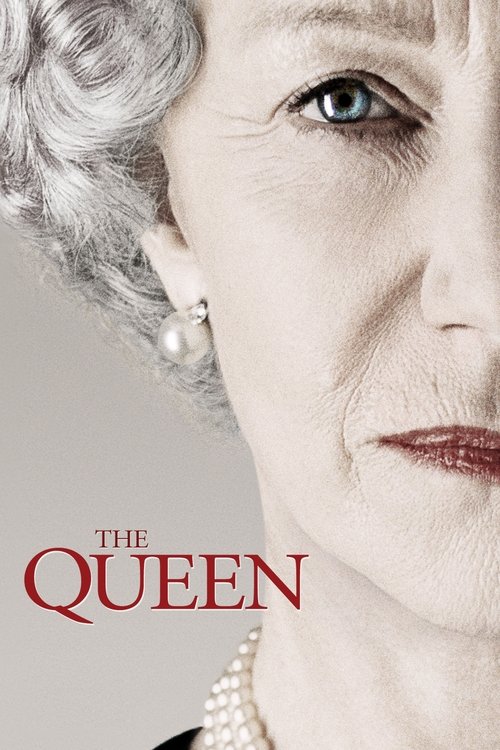
The Queen2006
Stephen Frears examines Elizabeth II in the aftermath of Diana's death—a woman trapped between duty, emotion, and public expectation. It's about the loneliness of performing a role that defines you entirely.
But It's reverential in tone, which some find dull. The political argument is soft-centred.
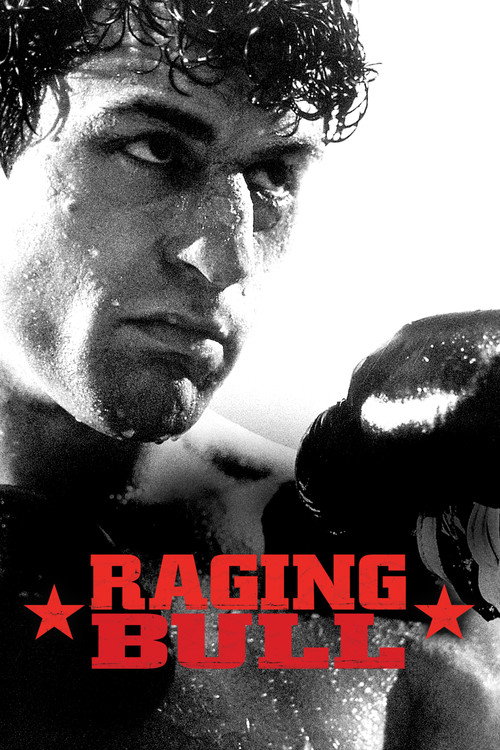
Raging Bull1980
Scorsese on the performer as self-destroyer. Jake LaMotta performs his rage for the world; it's about the brutality of turning a man into spectacle. Black and white, like Fassbinder's archive footage.
But Violent, repetitive by design, and often ugly to watch. The wife is underwritten, and the film doesn't always justify its own difficulty.
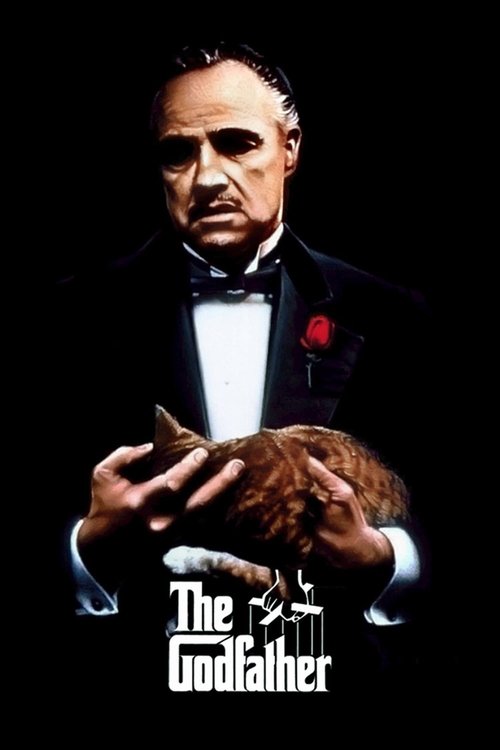
The Godfather1972
Coppola examines power, dynasty, and the performance of authority. Michael Corleone must become a myth to survive—there's the same tension between self and image that defines Marlene.
But It's nearly three hours and glacially paced. If you want crisp plotting, this is the opposite. Some find it bloated.
In a Lonely Place1950
Bogart as a Hollywood screenwriter with a violent streak, his reputation constructed and deconstructed by gossip. It's about how the city builds and destroys its own myths with terrible speed.
But It's cynical in a way that can feel exhausting. The resolution is ambiguous and bleak, which some experience as withholding.

Sans Soleil1983
Both are archive-based meditations on how cinema remembers. Both use a voice (Marlene's, a woman reading a letter) over images to create intimacy and distance simultaneously. Both are about what remains when the body is gone.
Chris Marker's essay film uses found footage, postcards, and a woman's letter to reflect on memory, history, and time itself. It's visually stunning, philosophically rigorous, and deeply strange—about how we construct meaning from fragments.
But It has no plot, no characters, and no conventional narrative. If you need coherence spelled out, you'll be frustrated. It demands active watching.

Kes1970
Fassbinder loved cinema that refused easy sentiment while drowning in genuine feeling. Both films trust that watching someone or something with absolute attention is a form of love. Both understand that beauty and cruelty coexist in the world without cancelling each other out.
Ken Loach's film about a northern English boy and a hawk he trains is about care, beauty, and how brutality destroys grace. It has nothing to do with Marlene on its surface, but everything to do with how cinema bears witness to what matters.
But It's bleak and English and working-class. The ending is devastating. It offers no comfort, and its politics are embedded, not stated.

People
Cast
 Marlene DietrichHerself (Voice)
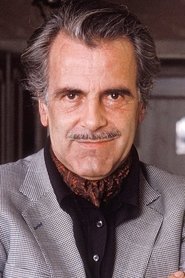 Maximilian SchellHimself
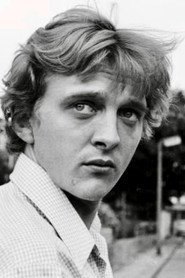 David HemmingsHimself
- Annie AlbersHerself
- Bernard HallHimself
- Patricia SchellHerself
- Marta RasoknikHerself
Directing
- Maximilian SchellDirector
Production
- Norbert BittmannCo-Producer
- Peter GenéeExecutive Producer
- Karel DirkaProducer
- Zev BraunProducer