
Film
Korczak
- Drama
- Very dark
Andrzej Wajda's 1990 film about Janusz Korczak, a Polish-Jewish pedagogue who ran an orphanage in Warsaw during the Holocaust. It's a quiet, unflinching portrait of moral courage in extremity—less a narrative arc than a series of acts of love and defiance. For those seeking cinema that reckons with historical darkness without sentimentality.
If you liked this
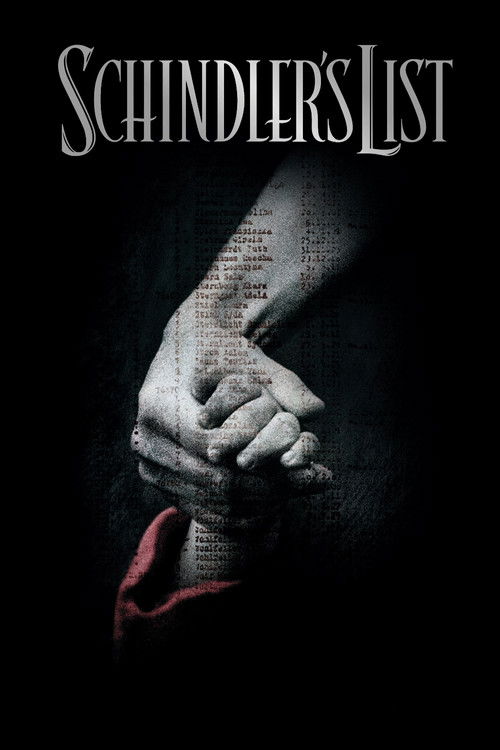
Schindler's List1993
Steven Spielberg's definitive Holocaust film: meticulous, devastating, and centered on one man's decision to shield the vulnerable from systematic evil. Essential witness.
But Nearly four hours. The factory sequences, while necessary, can feel didactic. Some find Spielberg's directness almost too clear.
Come and See1985
Elem Klimov's Soviet masterpiece follows a boy soldier through the destruction of Belarus in 1943. It offers no distance, no comfort—pure immersion in atrocity's logic. Unforgettable.
But Extraordinarily brutal and disorienting. Not a film you watch for pleasure; a film that demands you bear witness. Some sequences are genuinely hard to endure.

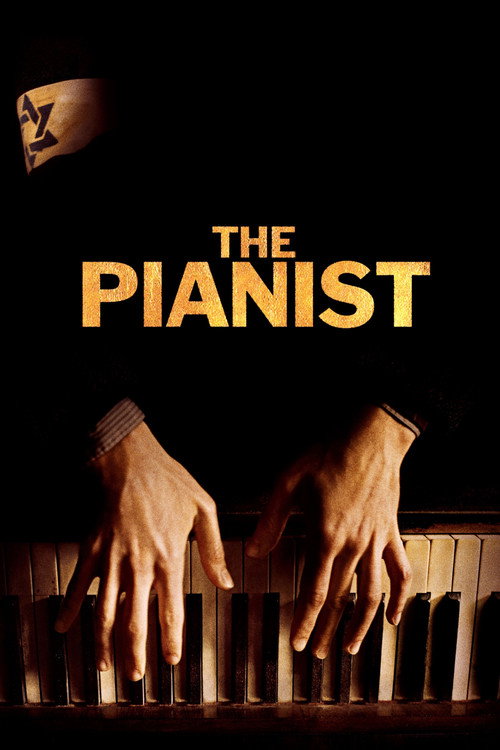
The Pianist2002
Roman Polanski's autobiography of survival: a pianist navigating Warsaw's ghetto and the city's ruins. Intimate, precise, and profoundly moving without ever asking for tears.
But Focuses on one man's survival rather than collective resistance or moral heroism. Some find this narrowness feels like self-protection rather than art.
Not sure tonight? Get a pick in a minute, starting from Korczak
The wildcard
Something you would not have found on your own.
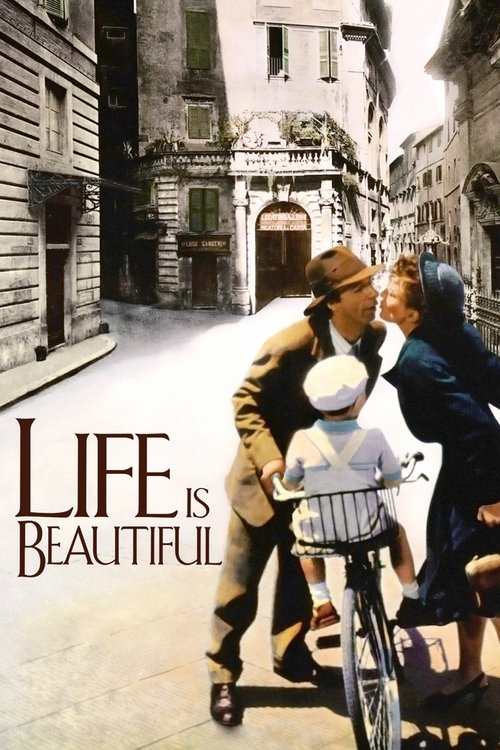
Life Is Beautiful1997
Both center on one adult's devotion to protecting children in the worst conditions. Both ask: how do you love someone when the world offers no safety?
Roberto Benigni's Italian fable: a father convinced his young son they're in a game while imprisoned in a camp. It's sentimental where Korczak is austere, comic where Korczak is grave—yet both movies are about love shielding innocence.
But Its whimsy infuriates viewers who see the Holocaust as incompatible with levity. The father's performance style reads as arch to many. Its optimism feels dishonest to some.
More like this (8)
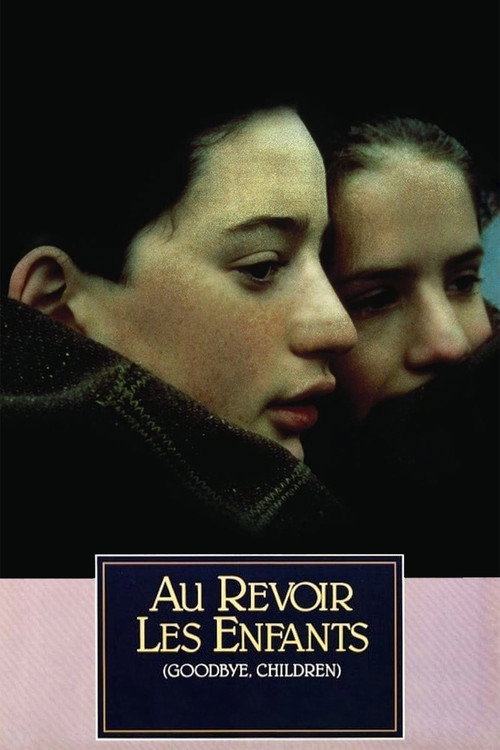
Au Revoir les Enfants1987
Louis Malle's semi-autobiographical film about a Catholic boys' school sheltering a Jewish student during the Occupation. Restrained, morally complex, and quietly devastating.
But French and set in France, not Poland. Gentler in tone than Korczak; some want more severity when addressing this subject.
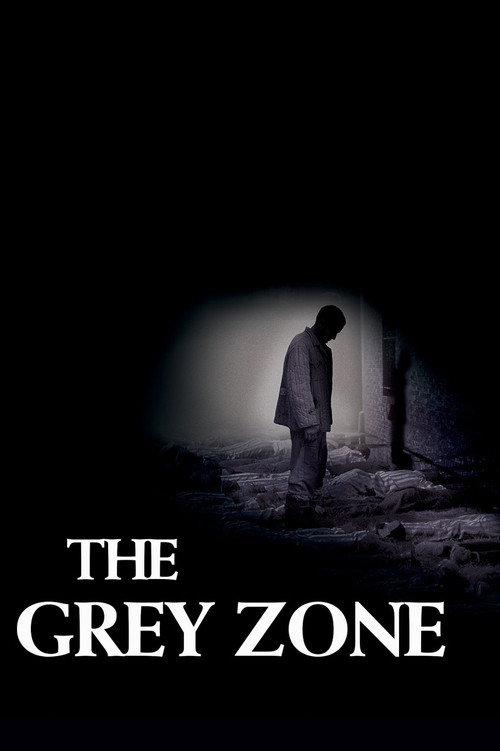
The Grey Zone2001
Tim Blake Nelson's shattering film about the Sonderkommando—Jewish prisoners forced to process victims in Auschwitz. Asks impossible moral questions about complicity and resistance.
But Extremely dark. Focuses on a specific historical tragedy that can feel claustrophobic even by Holocaust film standards. Deliberately offers no redemption.
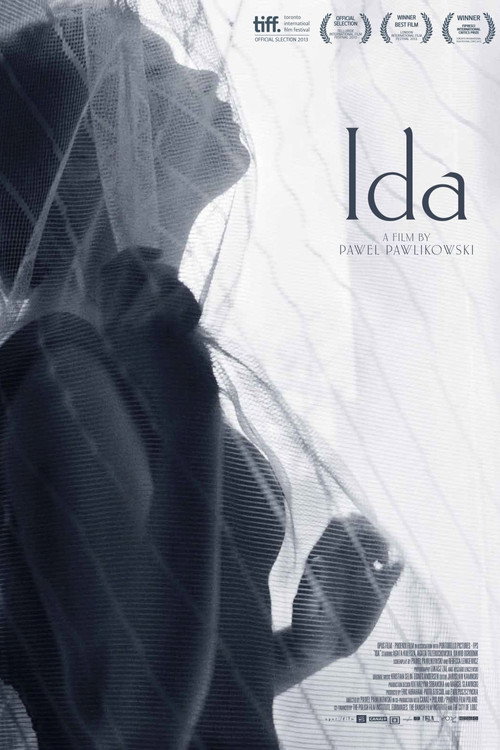
Ida2013
Pawel Pawlikowski's Polish noir about a young nun discovering her Jewish past. Black-and-white, elliptical, mysterious—a completely different way of bearing witness to Polish-Jewish history.
But Oblique and slow-moving. Shot in narrow aspect ratio. Some viewers find its mysteries frustrating rather than artful.
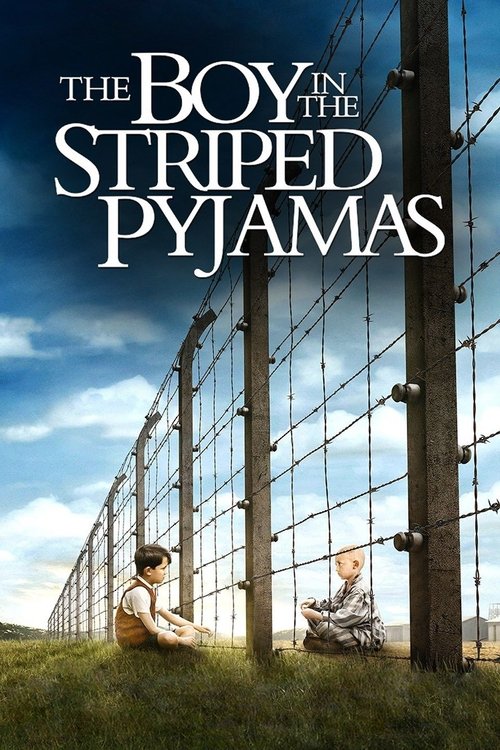
The Boy in the Striped Pyjamas2008
Mark Herman's film about friendship between a Nazi commandant's son and a Jewish boy on opposite sides of a camp fence. Emotionally direct and heartbreaking for viewers who connect with its premise.
But Its framing device—a child's innocent perspective—strikes many as evasive when depicting industrialized genocide. Some find the device manipulative.
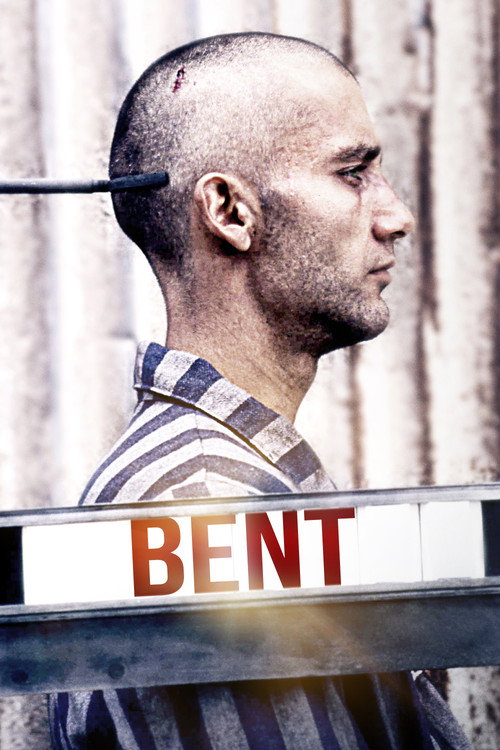
Bent1997
Sean Mathias's film about gay men in Nazi concentration camps. A story largely absent from mainstream Holocaust cinema. Intimate, angry, and necessary.
But Focuses on a lesser-known victim group; some viewers approach unfamiliar historical territory without guidance. The intimacy can feel slight against the subject's weight.
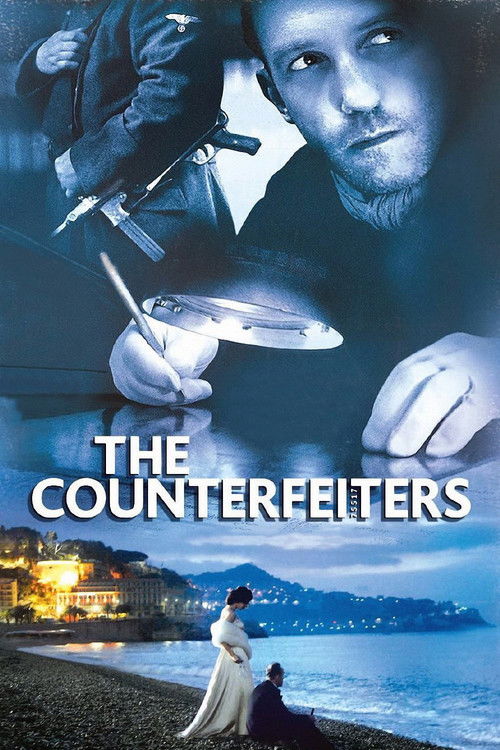
The Counterfeiters2007
Stefan Ruzowitzky's Austrian film about forgers in a concentration camp tasked with counterfeiting currency. A portrait of pragmatism, ingenuity, and moral compromise under duress.
But A heist-film structure applied to the Holocaust can feel gimmicky. The tonal shifts between thriller and tragedy don't always cohere.
The Seventh Seal1957
Both films stage confrontation with Death as a character. Both ask what meaning or dignity survives when everything else is stripped away. Both trust cinema's capacity for metaphysics.
Bergman's medieval plague film: Death arrives, speaks, plays chess. It's a metaphysical reckoning with mortality, faith, and defiance. The visual language—stark, symbolic, profound—mirrors Korczak's approach to extremity.
But No Holocaust setting; feels distant from Korczak's historical specificity. Bergman's abstraction might read as evasion to viewers wanting documentary clarity. Notoriously slow.

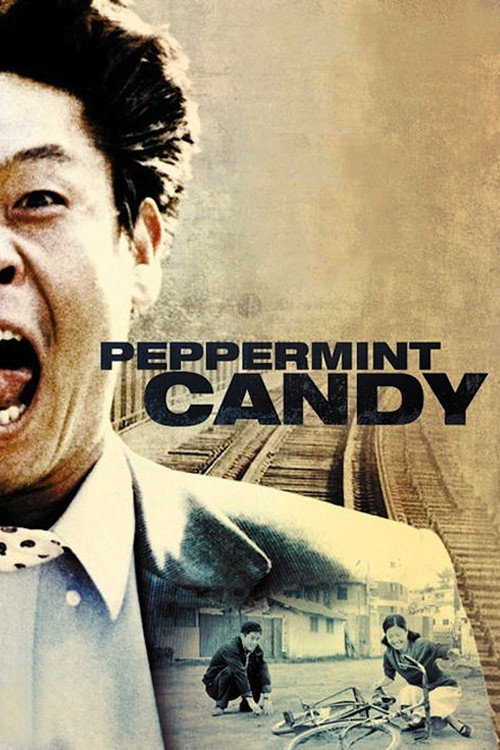
Peppermint Candy2000
Like Korczak, it refuses narrative catharsis. Both insist that moral reckoning with historical atrocity cannot be resolved in plot; it can only be witnessed. Both see individuals crushed by systems larger than choice.
Lee Chang-dong's Korean film that runs backward through decades of war, colonialism, and dictatorship—each scene revealing how historical violence ripples through one man's life. A formal innovation that transforms how we think about complicity and survival.
But Korean cinema, not European. Backward chronology requires active attention. Bleak and structurally demanding. No single clear protagonist, which some find alienating.
People
Cast
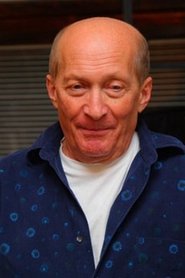 Wojciech PszoniakHenryk Goldszmit vel Janusz Korczak
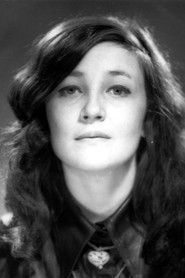 Ewa DałkowskaStefania 'Stefa' Wilczynska
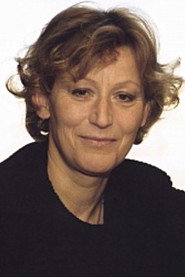 Teresa Budzisz-KrzyżanowskaMaryna Rogowska-Falska
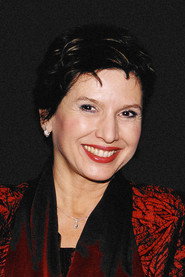 Marzena TrybałaEstera
- Piotr KozłowskiHeniek
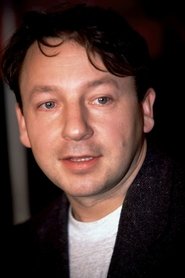 Zbigniew ZamachowskiIchak Szulc
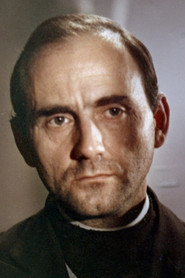 Jan PeszekMax Bauer
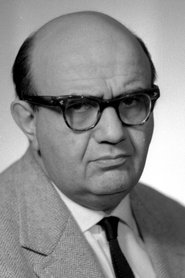 Aleksander BardiniAdam Czerniaków
 Maria ChwalibógCzerniaków's wife
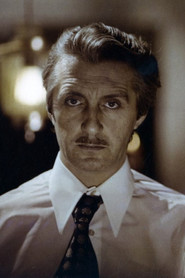 Andrzej KopiczyńskiDyrektor w Polskim Radiu
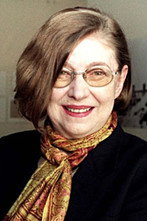 Krystyna ZachwatowiczSzloma's mother
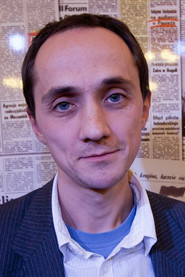 Wojciech KlataSzloma
Directing
- Andrzej WajdaDirector
Writing
- Agnieszka HollandScreenplay
Production
- David M. ThompsonExecutive Producer
- Willi SeglerExecutive Producer
- Daniel Toscan du PlantierProducer
- Janusz MorgensternProducer
- Regina ZieglerProducer