
Film
The Notebook
Other titles called The Notebook: the 2004 film.
- Drama
- Very dark
A haunting Hungarian war film following two brothers raised by a merciless grandmother in a border village during WWII. It's a portrait of childhood corrupted by circumstance—darkly funny, visually stunning, deeply unsettling. For viewers drawn to unflinching examinations of how brutality shapes young lives.
If you liked this
Come and See1985
Elem Klimov's masterpiece shows war through a child's eyes with devastating honesty. Like *The Notebook*, it refuses to soften the grotesque reality of what children witness and become.
But Relentlessly bleak and graphic. Not a film that offers catharsis or redemption—it accumulates trauma.

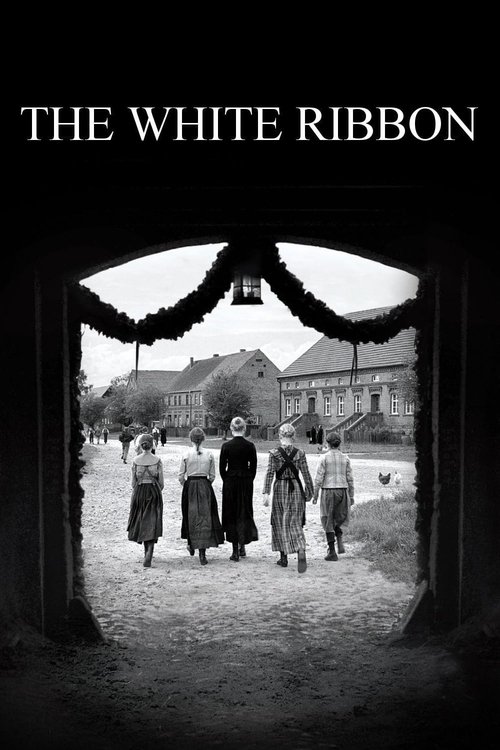
The White Ribbon2009
Haneke's investigation of evil's roots in a pre-Nazi village has the same unsettling precision as *The Notebook*. Both examine how cruelty becomes normalized in children's eyes.
But Deliberately paced and ambiguous. Haneke trusts you to sit with discomfort rather than resolve it cleanly.
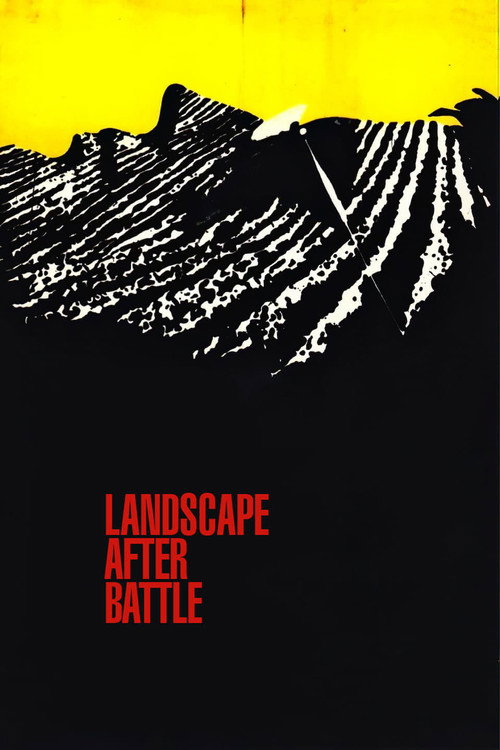
Landscape After Battle1970
Andrzej Wajda's meditation on a Polish POW camp aftermath shares the film's interest in how people survive moral collapse. Quietly devastating rather than melodramatic.
But Shot in austere black-and-white and moves slowly. Post-war ennui may feel remote compared to wartime urgency.
Not sure tonight? Get a pick in a minute, starting from The Notebook
The wildcard
Something you would not have found on your own.
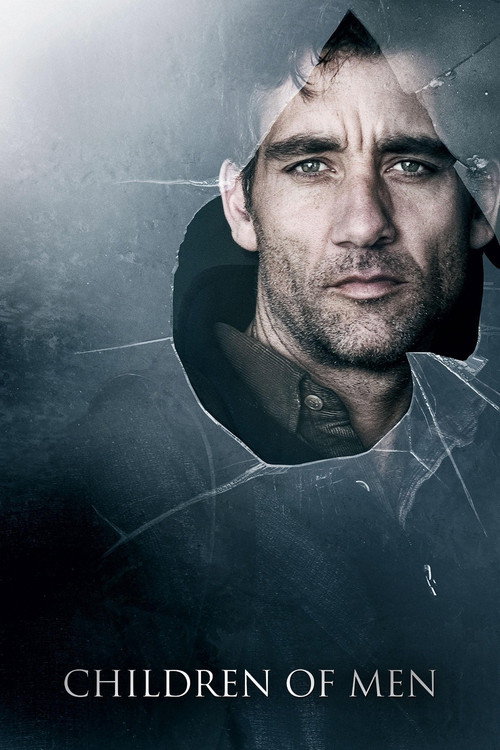
Children of Men2006
Both films use visual style to trap you in a specific moment when ordinary decency becomes impossible. Scope is opposite; philosophy is identical.
Cuarón's sci-fi apocalypse is formally the inverse: a long, elaborate tracking shot through catastrophe rather than static frames of quiet corruption. But both films trap you in the immediate physical world where abstract morality collapses.
But Science fiction logic and constant kinetic motion may feel opposite to *The Notebook*'s austere stillness. Some find the conceit overcomplicated.
More like this (7)
Hope Springs2012
Another Central European film about childhood during conflict, with the same eye for how children absorb violence as a survival tool. Sarajevo instead of Hungary, but the texture is kindred.
But The Bosnian War context may be less familiar. Requires some historical grounding to feel its full weight.
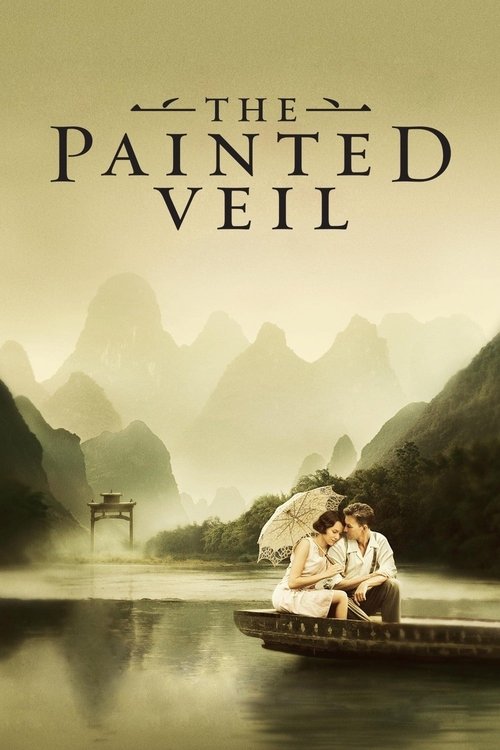
The Painted Veil2006
Explores moral compromise and the corruption of innocence in wartime China. Less bleak than *The Notebook* but shares its refusal to judge people reduced to survival.
But More romantic and less visually austere. If you want *The Notebook*'s unflinching coldness, this feels softer.
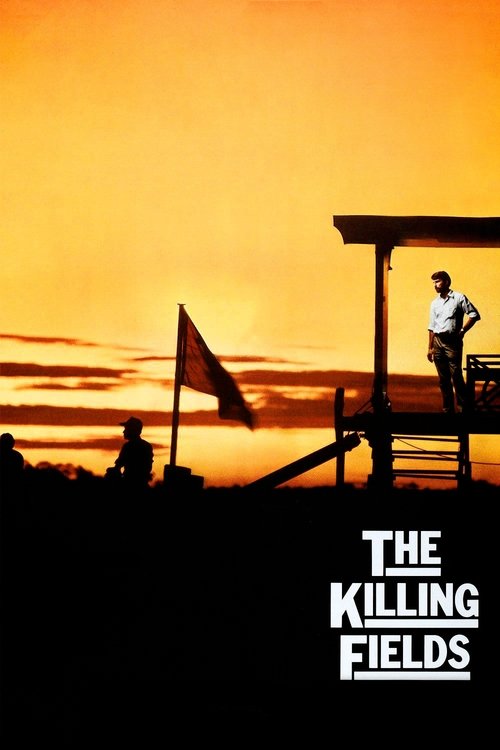
The Killing Fields1984
Schanberg's film about the Cambodian genocide follows journalists and Cambodians through absurd, mounting horror. Like *The Notebook*, it shows how normal people navigate extraordinary evil.
But Graphic violence. Based on real atrocities, not historical remove—harder to watch emotionally.
The Doom Generation1995
Andrzej Wajda's debut examines Polish resistance fighters including teenagers. An earlier film wrestling with the same question: what does war do to the young?
But Shot in grainy black-and-white and feels of its era. The rhetoric of resistance may seem dated compared to the moral ambiguity of *The Notebook*.

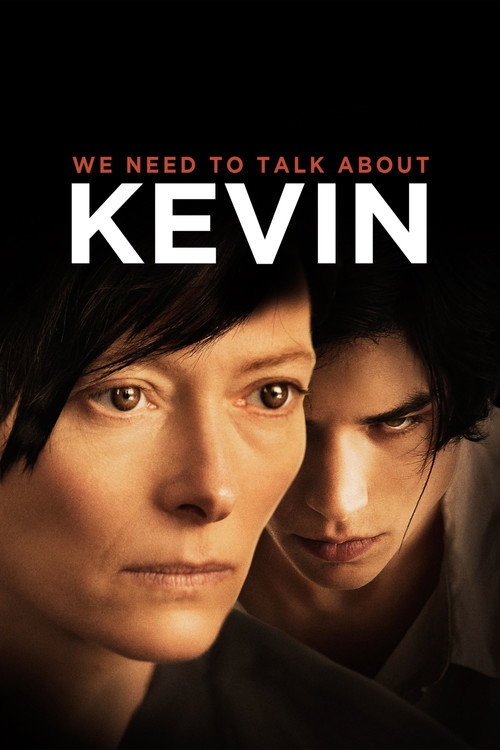
We Need to Talk About Kevin2011
Lynne Ramsay's film about a mother reckoning with her son's violence shares *The Notebook*'s refusal to offer easy psychological explanations. Is evil born or made?
But Formally fractured and centered on a parent's guilt rather than a child's experience. The subject matter is contemporary school violence, which some find exploitative.
A Prophet2009
Both examine children/young men as blank slates onto which cruel systems write lessons in depravity. Both show this process as inevitable, not tragic.
Jacques Audiard's prison drama watches a young man learn brutality as a survival adaptation, exactly as *The Notebook* does, but the confined space makes it even more claustrophobic. Equally brilliant on how systems corrupt youth.
But Set in a modern French prison among organized crime. If you want historical distance from the violence, this feels too close and real.

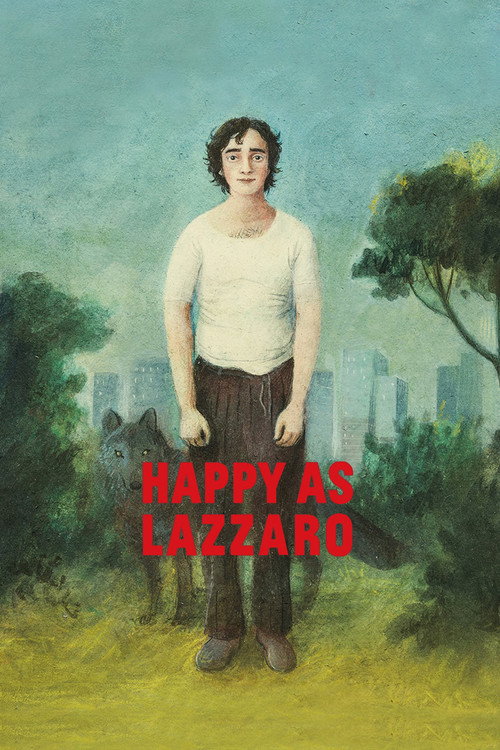
Happy as Lazzaro2018
Both films present exploitation of children as systemic rather than aberrant, and both resist the viewer's impulse to rescue or judge. Both ask: what does goodness cost when the world is structured for cruelty?
Alice Rohrwacher's magical-realist fable about a peasant boy exploited by a feudal family is absurdist where *The Notebook* is naturalistic—but asks identical questions about innocence and complicity. Visually lush and deeply strange.
But Surrealist tone and rural Italian setting may feel too fantastical after *The Notebook*'s harsh realism. The mood is more tender, less punishing.
People
Cast
 Piroska MolnárGrandmother
 Ulrich ThomsenOffizier
 Ulrich MatthesVater
 Orsolya TóthHarelip
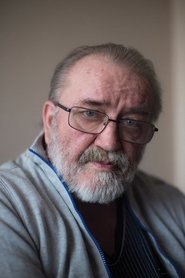 Péter AndoraiDeacon

 Diána Magdolna KissSzolgálólány
Directing
- János SzászDirector
Writing
- Ágota KristófNovel
- András SzekérScreenplay
- János SzászScreenplay
Production
- Michael BeckerAssistant Unit Manager