
Film
My Young Auntie
- Martial arts action
- Light-hearted
A spirited martial-arts comedy about a young champion who marries an elderly widower to save his estate from his scheming brother. Lau Kar-leung's film blends physical comedy, genuine kung-fu prowess, and romantic mishap with the warmth of someone who clearly loves his characters. It's playful without being silly, action-packed without losing the plot to spectacle.
Should you watch it?
Watch it if you enjoy old-school Hong Kong martial-arts comedy where the fights double as physical jokes and the heroine's sharp wit matters as much as her footwork.
Skip it if you want tight plotting or a steady tone, since it shifts between broad slapstick and family squabbling and runs long for a comedy of this kind.
What it asks of you: Two hours among the old-school fight choreography, with the patience to let the broad jokes land and the slower family scenes play out between bouts.
Not sure? Find tonight's pick in a minute.
If you liked this
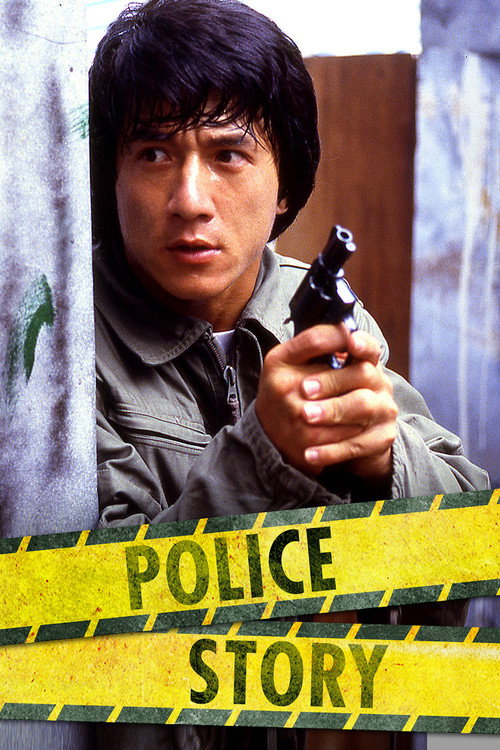
Police Story1985
Jackie Chan at his absolute peak, mixing jaw-dropping stunts with physical comedy and genuine emotion. A masterclass in using your body to tell a story, with sequences that still astonish.
But The dubbing is occasionally clumsy, and some broad comedy beats haven't aged smoothly. It's also exhausting—Chan hurls himself down staircases for real.
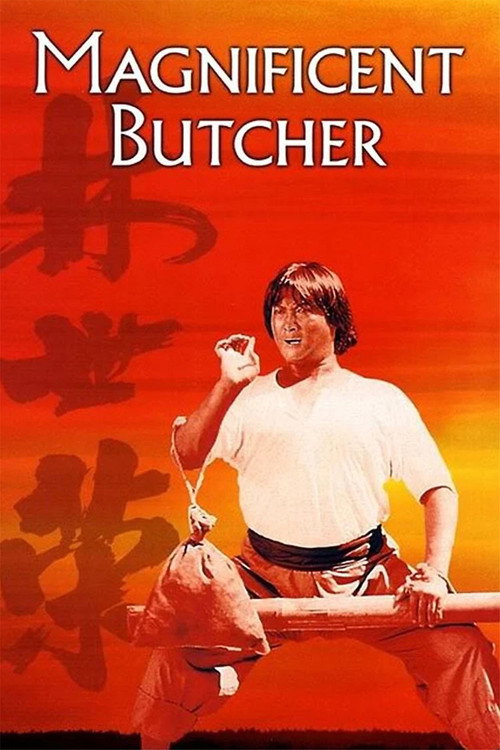
The Magnificent Butcher1979
Sammo Hung's love letter to kung-fu cinema and to his characters' humanity. Funny, tender, and built around fights so inventive they feel like choreographed arguments between friends who adore each other.
But The plot is gossamer-thin and sometimes moves sideways. If you need narrative propulsion over character warmth, this won't grip you.
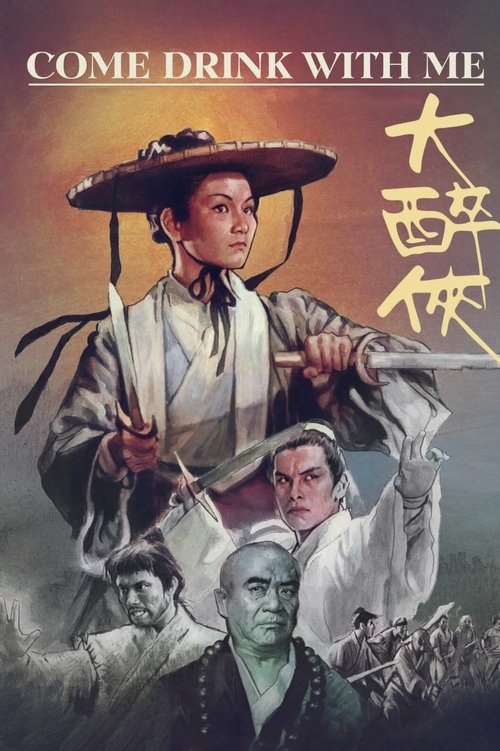
Come Drink with Me1966
King Hu's debut is the ancestor of everything in *My Young Auntie*—female martial artist, roguish charm, and a sensibility that treats action as conversation. Visually stunning in a way that makes you rethink what cinema can be.
But It's formal and measured where modern action films sprint. Patience is not optional. The pacing rewards attention but demands it.
Not sure tonight? Get a pick in a minute, starting from My Young Auntie
The wildcard
Something you would not have found on your own.
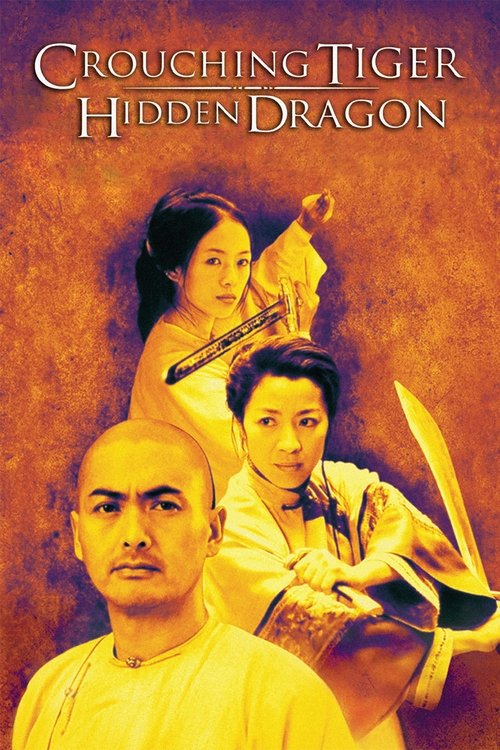
Crouching Tiger, Hidden Dragon2000
Both films place a woman with real martial skill at the center and use her power to explore desire, duty, and what she wants for herself rather than what men need her to do.
Ang Lee remade the rules of what martial-arts film could be—balletic, tragic, and luminous. It's a century away from 1981, but it carries the same belief that heroism and longing are the real subject.
But The weightlessness that makes it beautiful can feel anticlimactic if you want impact. Some people watch it and feel moved; others watch it and wait for gravity to return.
More like this (8)
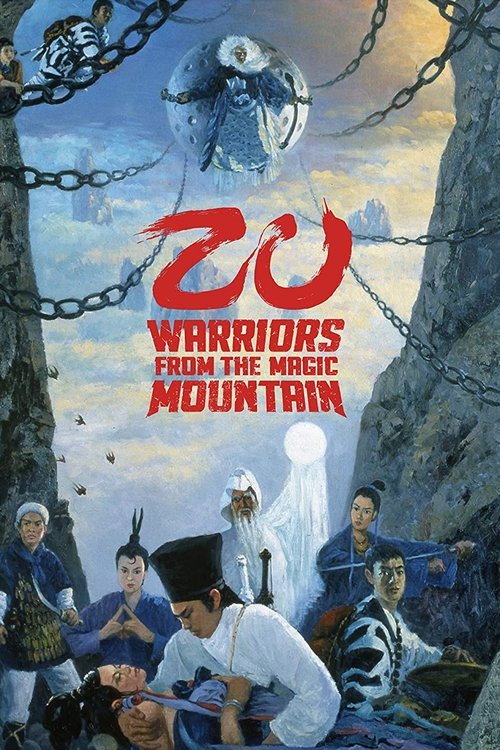
Zu: Warriors from the Magic Mountain1983
Tsui Hark's fever dream of a film—gravity-defying swordplay, wild color, baroque production design, and genuine stakes underneath the phantasmagoria. Pure cinema in motion.
But The plot genuinely falls apart in the third act. It's more about sensation than sense, which is either liberating or infuriating depending on your mood.
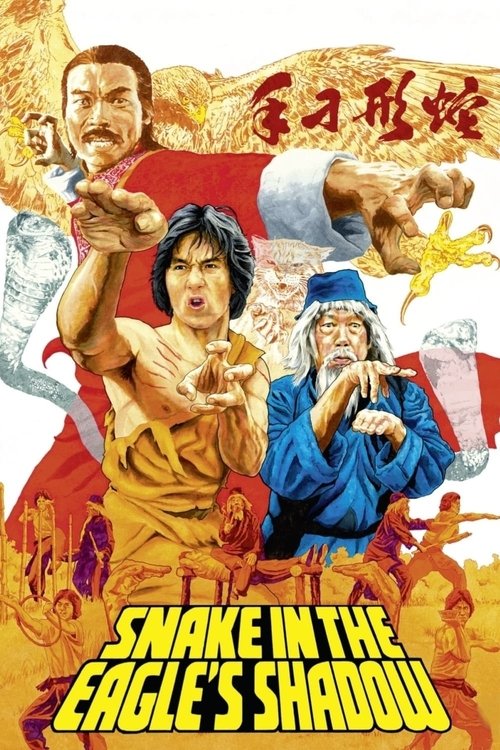
Snake in the Eagle's Shadow1978
Jackie Chan's breakthrough is scrappy and joyful, finding comedy in the mechanics of combat itself. A film that understands kung-fu as humor, and humor as a form of kindness.
But The production values are threadbare. It looks cheap because it was cheap, which gives it charm but also real limitations.
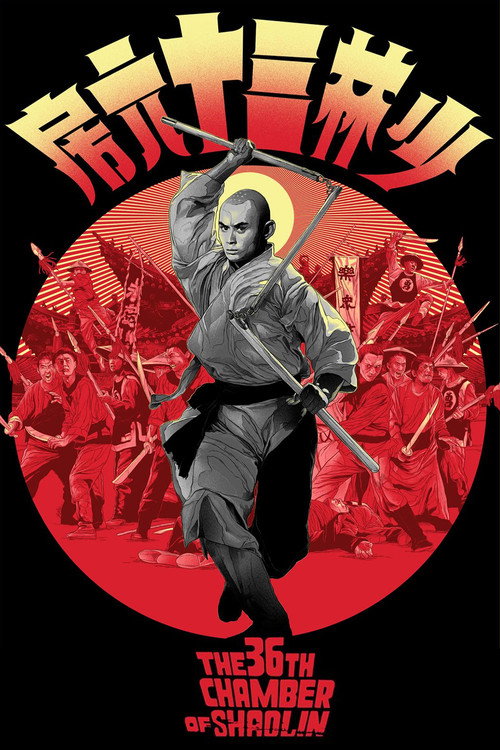
The 36th Chamber of Shaolin1978
Gordon Liu's odyssey through martial training is hypnotic—meditative where most action is frantic. It takes its philosophy seriously while never forgetting that watching people fight is deeply satisfying.
But The middle section is genuinely slow, watching Liu master chamber after chamber. Some viewers will call it transcendent; others will find it repetitive.
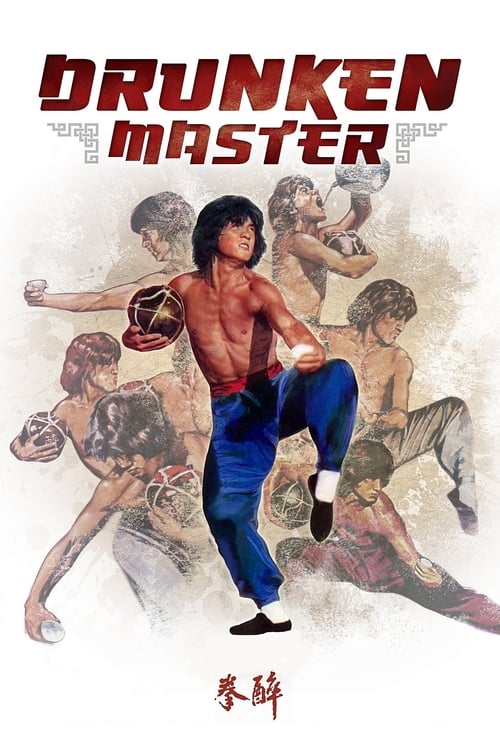
Drunken Master1978
Jackie Chan learning drunken boxing from a master who is also genuinely hilarious. It's a training film that never gets boring, with fights that read like slapstick played at full speed and with real consequence.
But The early section plays rough—there's slapstick that lands with real violence. If you need your comedy separated from your action, this won't work for you.
Raiders of the Shaolin Temple1982
Jet Li's film debut, shot at the actual Shaolin Temple with a philosophical bent that undercuts the spectacle. Quiet in places where action films usually shout, thoughtful about why these skills matter.
But It moves like molasses in spots. Jet Li is still feeling his way as an actor, and his inexperience shows in scenes that aren't about movement.
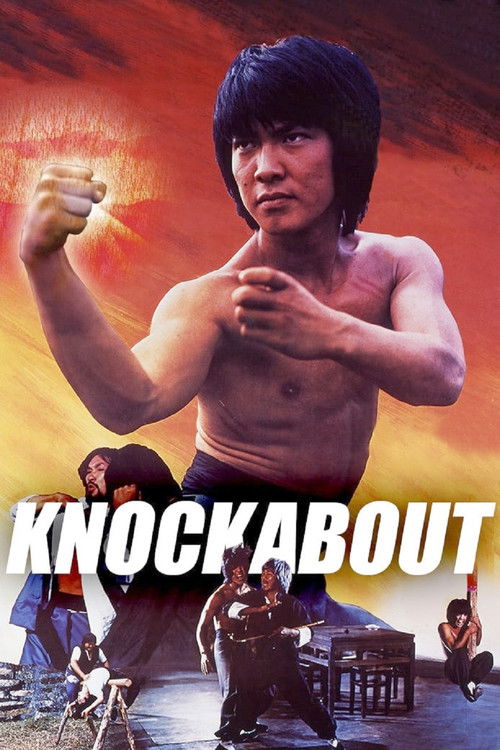
Knockabout1979
Sammo Hung and Yuen Wo-ping directed this ramshackle buddy comedy about two brothers conning their way through the city. The fights emerge from character and circumstance, which makes them sing.
But The tone whips between tones constantly—comedy, brutality, sentiment. If you need consistency of register, this will feel scattered.
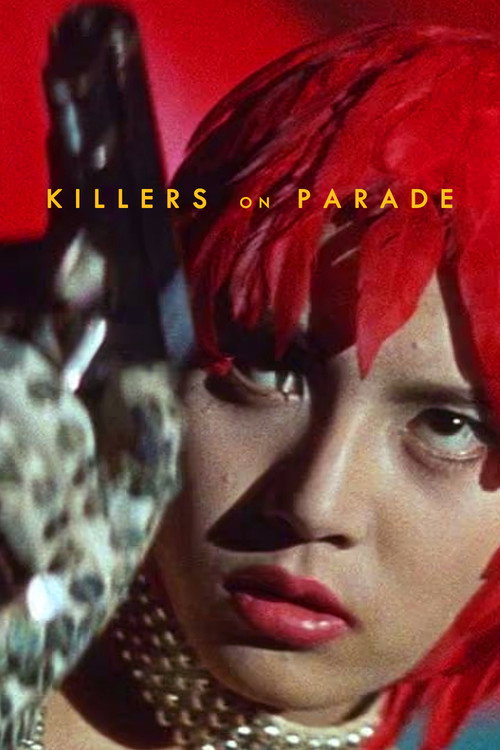
Killers on Parade1961
Both are comedies made in film cultures outside Hollywood that trust their audience to care about people between action beats—character is not filler, it is the whole point.
A Taiwanese comedy from another era entirely—it has the same warmth, the same willingness to be silly and sincere in the same breath, the same faith in its characters' goodness. A genuine rarity, charming without trying.
But It's obscure for a reason—the print is imperfect, the pacing is glacial by modern standards, and it requires genuine patience. Finding it is half the battle, and then watching it demands surrender.
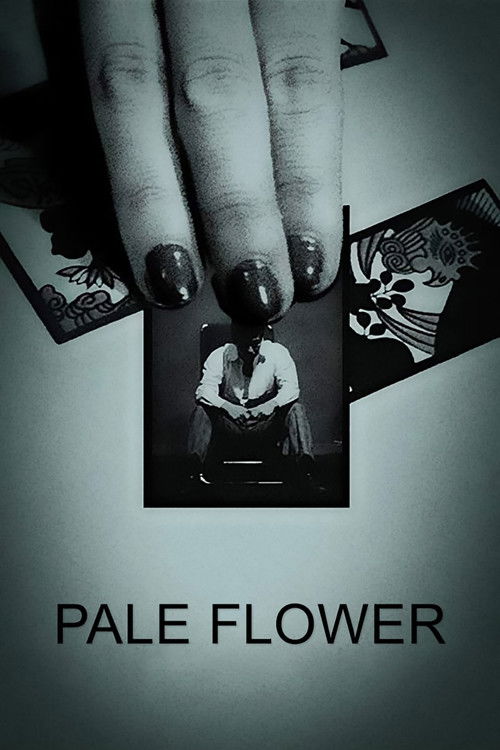
Pale Flower1964
Both films make their protagonist's sense of honor and isolation the emotional center, and both use genre as a vehicle for studying what it costs to be good in a world that doesn't always reward it.
Masaki Kobayashi's yakuza film is meditative, almost abstract—style as substance, with performances so restrained they feel like moving sculpture. It's the opposite of bustle, and somehow more powerful for it.
But It moves glacially and offers no catharsis or resolution. If you watch it for narrative satisfaction, you will be betrayed. It's a mood, not a story.
People
Cast
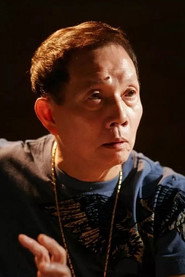 Lau Kar-leungYu Jing-Chuen
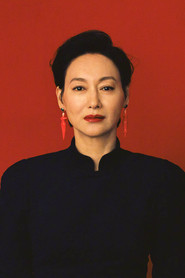 Kara Wai Ying-hungJing Dai-Nan
 Hsiao HoCharlie Yu Tao
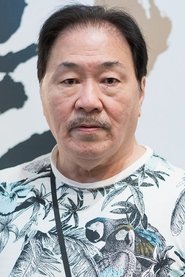 Johnny Wang Lung-WeiYu Yung-Sheng
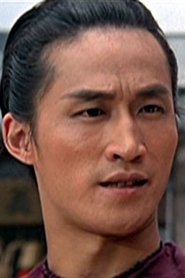 Wilson Tong Wai-ShingSheng's Swordsman
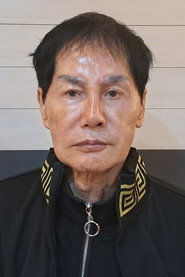 Kwon Yeong-MoonSheng's Qigong Expert
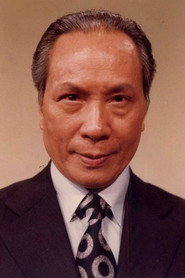 Walter Tso Tat-WahYu Jing-Fok
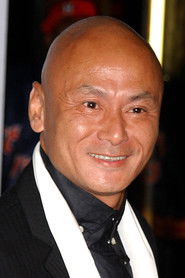 Gordon Liu Chia-huiJames
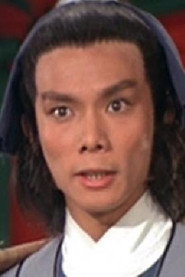 Richard Yuen TakAh Tak
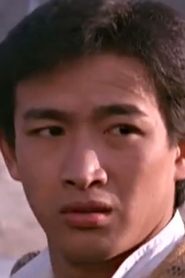 Robert Mak Tak-LawRobert
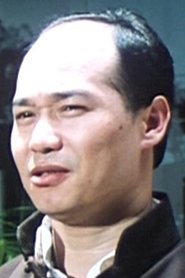 King Lee King-ChuSheng's Thug
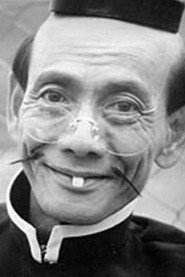 Wang ShaDetective
Directing
- Huang Pa-ChingAssistant Director
- Lee Tai-HangAssistant Director
- Lau Kar-leungDirector
- Choi Yu-KuenScript Supervisor
Writing
- Lau Kar-leungScreenplay
- Lee Tai-HangScreenplay
Production
- Run Run ShawProducer
- Lawrence Wong Ka-HayProduction Assistant
- Mona Fong Yat-WahProduction Manager
Recommended by
Return to the 36th Chamber, The Prodigal Son, Kids from Shaolin