
Film
Five Element Ninjas
A 1982 Hong Kong martial arts revenge film where a student hunts the ninja cult that slaughtered his master and brothers. It's a kinetic, colorful showcase of wire-work action and martial arts choreography, with minimal plot and maximum spectacle. For anyone who loves physically inventive cinema and doesn't need dialogue to carry the story.
If you liked this
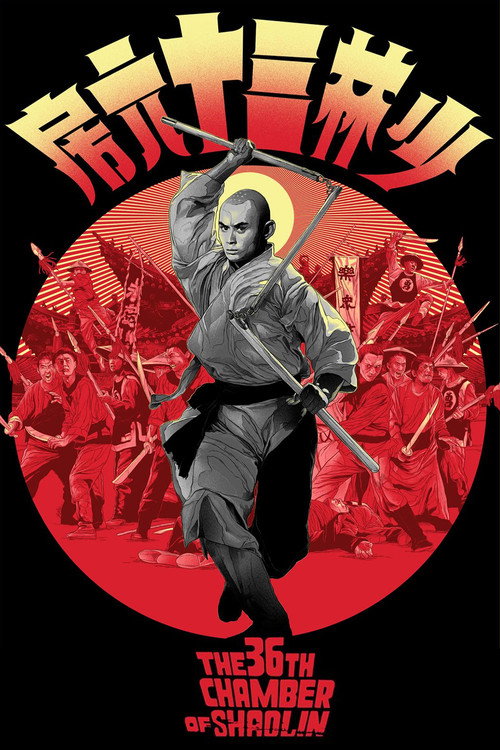
The 36th Chamber of Shaolin1978
Gordon Liu's methodical journey through martial training has the same patient accumulation of skills before final confrontation. Hypnotic choreography and a protagonist who earns every victory through discipline and sweat.
But The pacing is deliberately slow and meditative in places. If you want non-stop action, the first hour may test your patience.
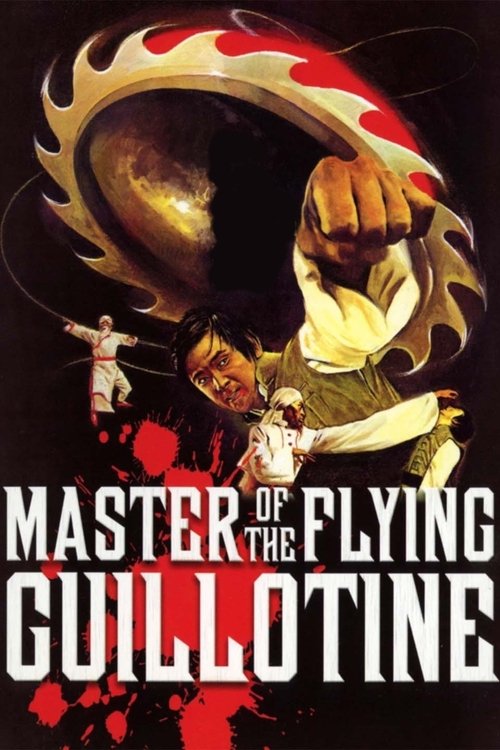
Master of the Flying Guillotine1976
Jimmy Wang Yu faces an enemy with an exotic, unstoppable weapon in combat set pieces that are genuinely inventive and weird. The same blend of earnest martial drama and gloriously strange action design.
But The film is disjointed and the plot barely holds together. Continuity and logic take a back seat to individual fight scenes.
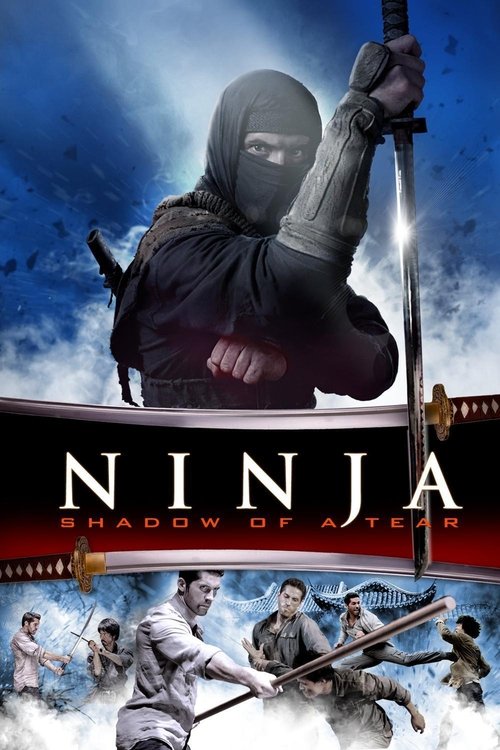
Ninja: Shadow of a Tear2013
Modern revenge narrative with the same economy of plot—man loses everything, seeks retribution through carefully choreographed combat. Treats martial arts as a serious craft rather than cartoon spectacle.
But Grittier and more brutal than the classical films. If you prefer the stylized wire-work aesthetic, this ground-level approach may feel heavy-handed.
Not sure tonight? Get a pick in a minute, starting from Five Element Ninjas
The wildcard
Something you would not have found on your own.
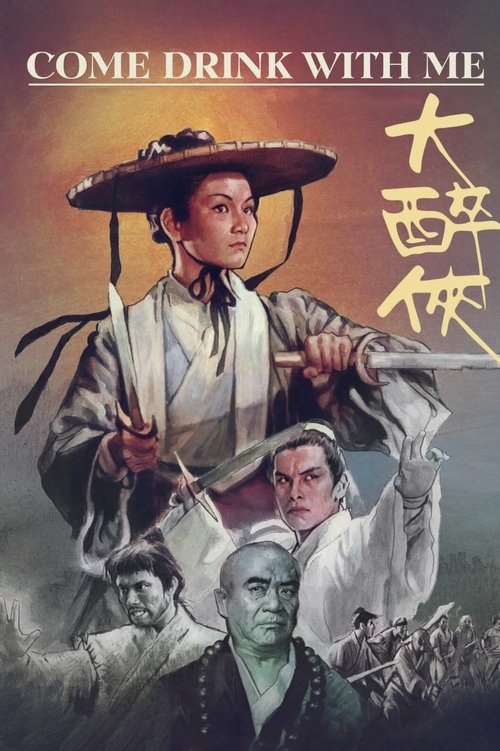
Come Drink with Me1966
Both films build their world through action sequences rather than exposition. Hu's approach to choreography as visual poetry laid the groundwork for everything that followed, including Five Element Ninjas' blend of style and spectacle.
King Hu's wuxia masterpiece predates wire-work action cinema. Elegant, balletic swordplay shot against stunning landscapes and architecture. Proves martial arts cinema can be visually sophisticated and deeply atmospheric.
But The pacing is unhurried and the emphasis is visual rather than visceral. If you want speed and impact, this meditative approach will feel slow.
More like this (7)
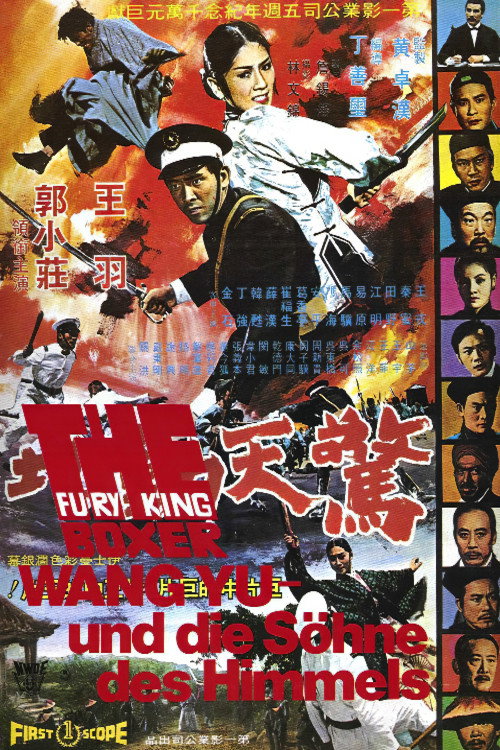
Fury of King Boxer1972
The ur-text of kung fu revenge films. Establishes the template: training montage, worthy antagonist, tournament or final showdown. Raw energy and practical stunt work that influenced everything after.
But Picture quality varies depending on the print available. Some versions are murky and heavily edited from the original cut.
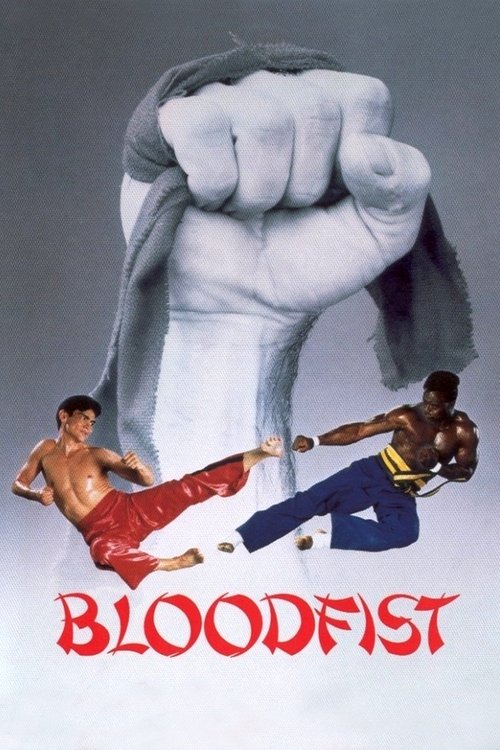
Bloodfist1989
Don Wilson's revenge-through-martial-arts follows the same beat: loss, training, entry into a tournament. Energetic B-movie that respects its own premise and delivers clean, inventive fight work.
But Acting and dialogue are functional at best. The film exists for the action; everything else is scaffolding.
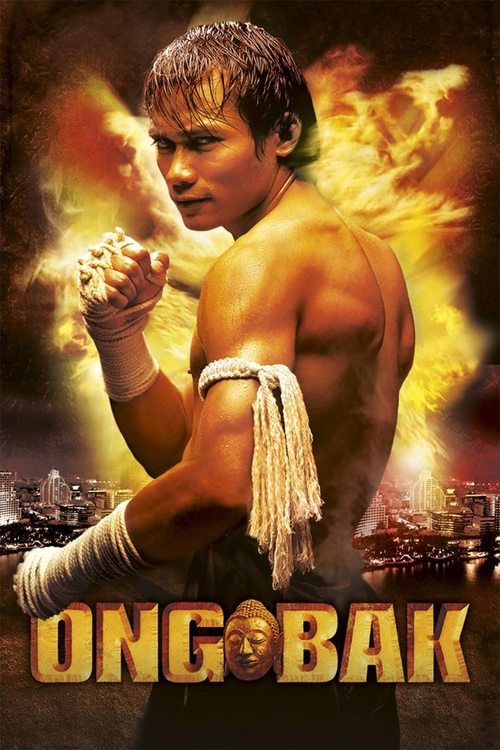
Ong-Bak2003
Tony Jaa's acrobatic physicality and practical stunt work revived the martial arts revenge template for a new era. Inventive choreography and genuine peril in every sequence—no wires, no CGI.
But The plot is simple to the point of invisibility. Some find the relentless action monotonous without narrative variation.
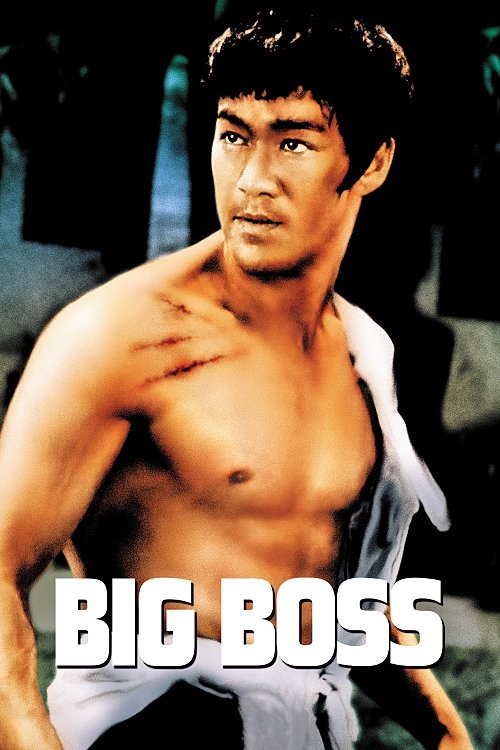
The Big Boss1971
Bruce Lee's explosive debut. Straightforward revenge narrative carried by an actor of such presence that minimal plot feels immaterial. Establishes the template and the star power that made it essential.
But Dated in many ways—the dubbed dialogue, the gender politics, the archaic fight choreography compared to modern wire-work. Can feel slow if you're used to contemporary action.
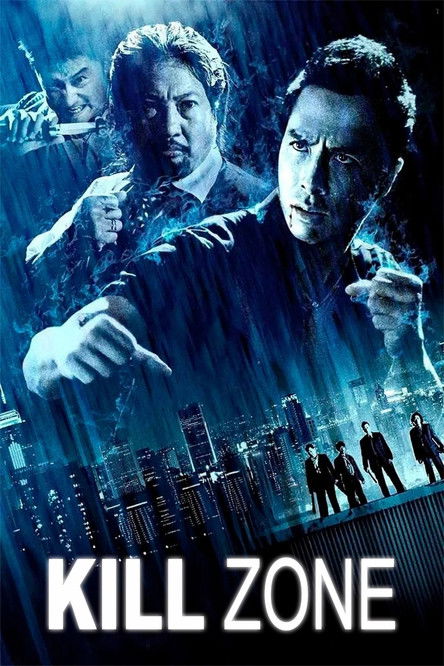
SPL: Kill Zone2005
Donnie Yen and Simon Yam in a brutal, intelligent action film about rival martial artists. Elevated choreography and a genuine moral complexity beneath the spectacle.
But More serious in tone than typical revenge films. Some will find the dark, unglamorous violence alienating rather than thrilling.
Harakiri1962
Both are structured as revenge journeys, but Harakiri uses that structure to interrogate the meaning of vengeance itself. Where Five Element Ninjas asks 'will he win?', Harakiri asks 'should he win?' It's the moral inverse of the genre.
Masaki Kobayashi's samurai tragedy uses combat as a language for exploring honor, shame, and the cost of revenge. Visually stunning and emotionally devastating—swordplay as metaphor rather than entertainment.
But This is a serious meditation on death and institutional cruelty. It will leave you shaken rather than exhilarated. Absolutely not a fun night out.

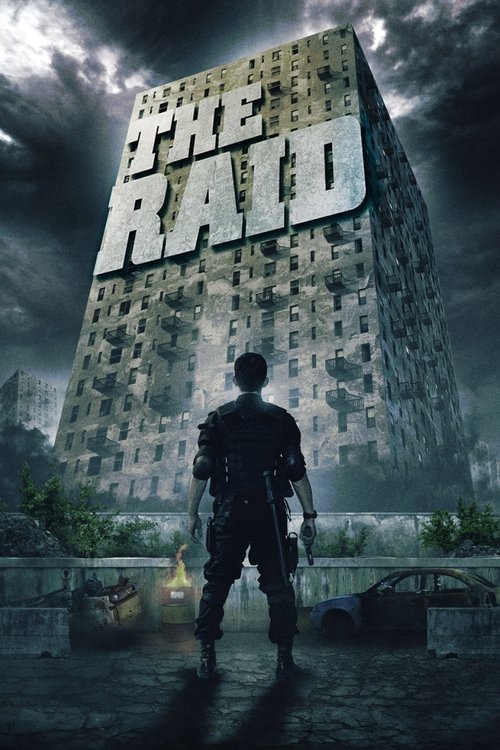
The Raid2012
Where Five Element Ninjas celebrates the *poetry* of combat with color and wire-work, The Raid strips it down to raw physicality and spatial choreography. Both films understand that action IS storytelling; they just speak different dialects. One is ballet, one is boxing.
Gareth Evans' Indonesian action film is essentially one long sequence: a squad ascending a building while fighting every floor. Brutal, intimate, and technically flawless. Modern action filmmaking at its absolute peak.
But Virtually no plot. Also extremely violent in a way that feels immediate and real rather than stylized. Some will find it exhausting rather than cathartic.
People
Cast
 Ricky Cheng Tien-ChiXiao Tian Hao
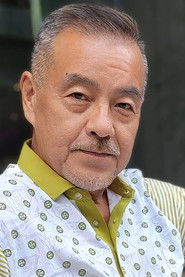 Lung Tien-hsiangLei Ben
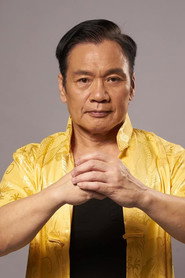 Lo MengLiang Zhi Sheng
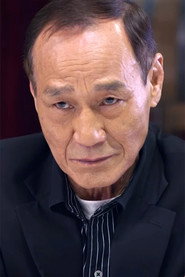 Michael Chan Wai-ManKembuchi Mudou
 Chan Pui-SaiJunko / Ah Shun
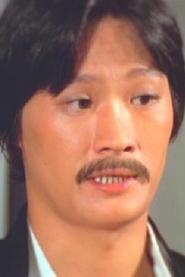 Wong LikLi Ying Wu
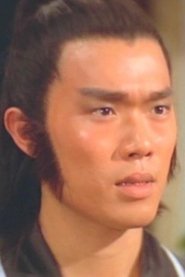 Chu KoChen Jun
- Kwan FungYuan Zeng
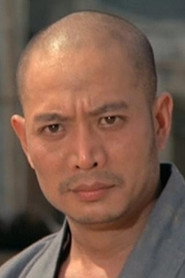 Chan ShenChief Hong
 Yu Tai-PingHuang Fat
 Hsiao YuHe Fen
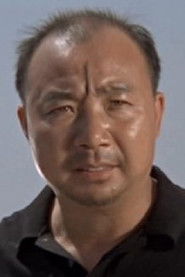 Chow Siu-LoiYang Tung Fei
Directing
- Lo Yuen-MingAssistant Director
- Man Man-WangAssistant Director
- Chang ChehDirector
- Sunny Lam San-KuenScript Supervisor
Writing
- Chang ChehScreenplay
- Ni KuangScreenplay
Production
- Run Run ShawExecutive Producer
- Mona Fong Yat-WahProducer
Recommended by
The 18 Bronzemen, Hanuman and the Five Kamen Riders, Kids from Shaolin