
Film
Triads: The Inside Story
A reluctant heir is dragged into Hong Kong's underworld after his father's assassination, forced to lead a crumbling triad organization through violence and betrayal. This is raw, unglamorous crime drama with Chow Yun-Fat trapped between duty and survival. It's for viewers who want the texture of organized crime—the tedium, the betrayal, the impossible choices—rather than heroic gangster mythology.
If you liked this
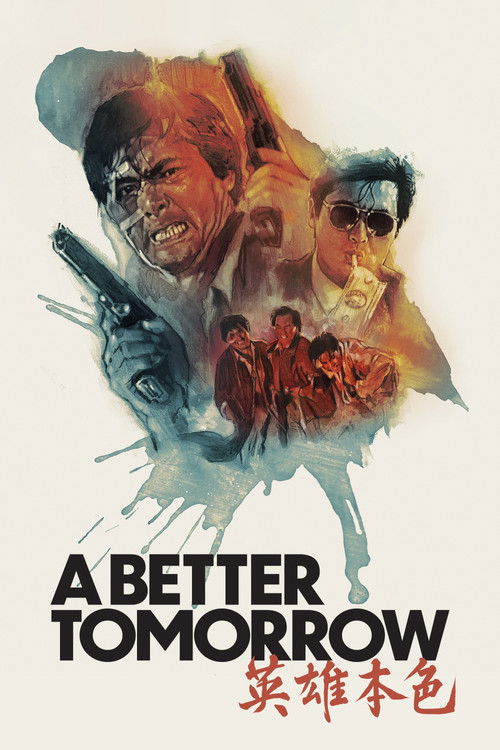
A Better Tomorrow1986
The film that made Chow Yun-Fat an icon, with similar themes of loyalty tested by violence and the price of attempting redemption within a criminal code.
But The action sequences overshadow character development for long stretches; style sometimes trumps substance.
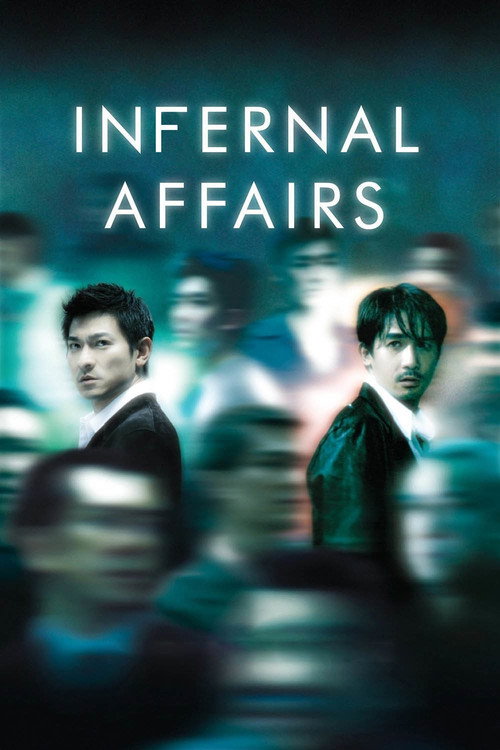
Infernal Affairs2002
Hong Kong crime drama about infiltration and moral compromise, where nobody's hands are clean. The cat-and-mouse dynamic builds relentless tension across institutional lines.
But The plot hinges on several coincidences that strain credibility in the final act.
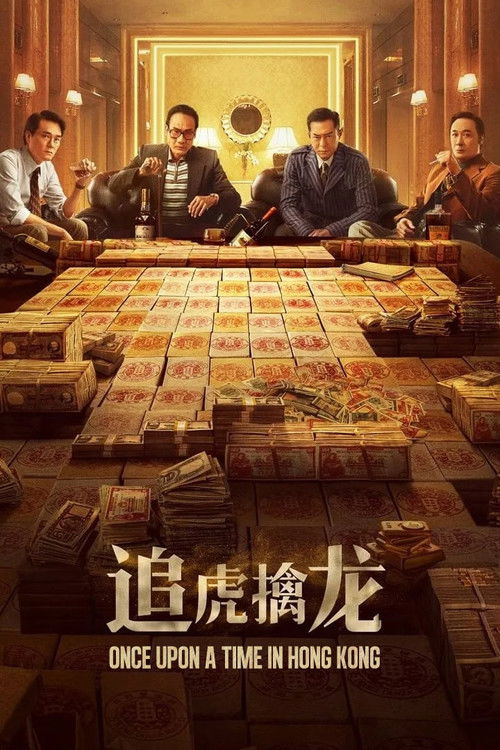
Once Upon a Time in Hong Kong2021
Another multigenerational triad saga exploring legacy, power transfers, and the human cost of the business. Echoes the same reluctant-heir structure with gritty authenticity.
But The pacing drags in the middle section; some subplots feel underdeveloped.
Not sure tonight? Get a pick in a minute, starting from Triads: The Inside Story
The wildcard
Something you would not have found on your own.
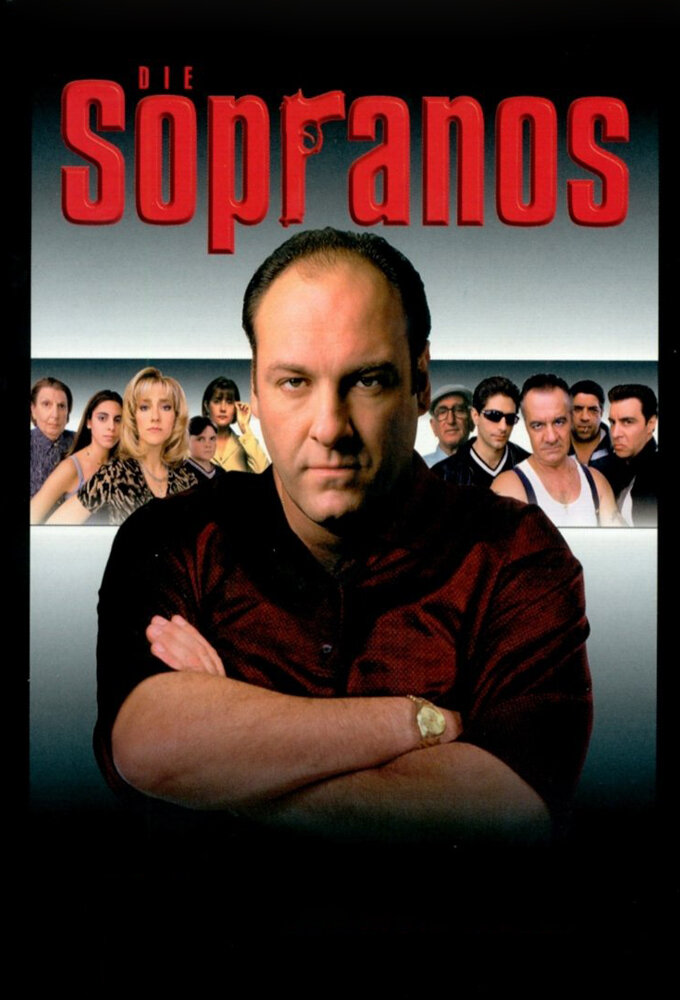
The Sopranos1999
Both follow a protagonist forced to lead an organization they never wanted, watching them deteriorate morally and psychologically as they navigate betrayal and loyalty simultaneously. The true antagonist is the system itself, not an external enemy.
Tony Soprano is another reluctant family leader crushed between inherited power and personal conscience, but on television this allows the psychology to breathe for seasons. The internal corruption mirrors Li Man-Ho's—you watch someone become what they tried not to be.
But It's a massive commitment; the final season alienated many viewers, and the ending is deliberately ambiguous in a way that infuriates some people.
More like this (7)
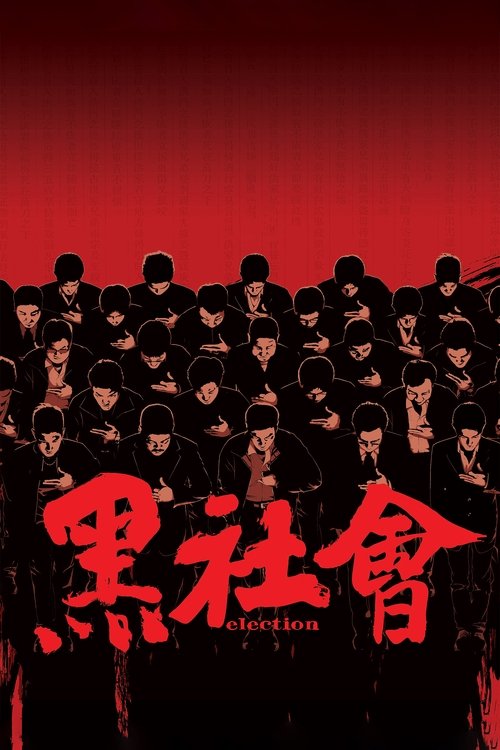
Election2005
Johnnie To's masterpiece about a triad leadership election—pure procedural tension as factions scheme, betray, and consolidate power. A clinic in how organized crime actually operates.
But Deliberately slow-burn and austere; no heroics or warmth. Some may find it glacial.
The Godfather Part II1974
The definitive film about inherited power, fractured loyalty, and the impossible weight of leadership. Shows how a reluctant heir is groomed and corrupted by necessity.
But Nearly three and a half hours, and requires patience for multiple interwoven timelines and subtlety over action.

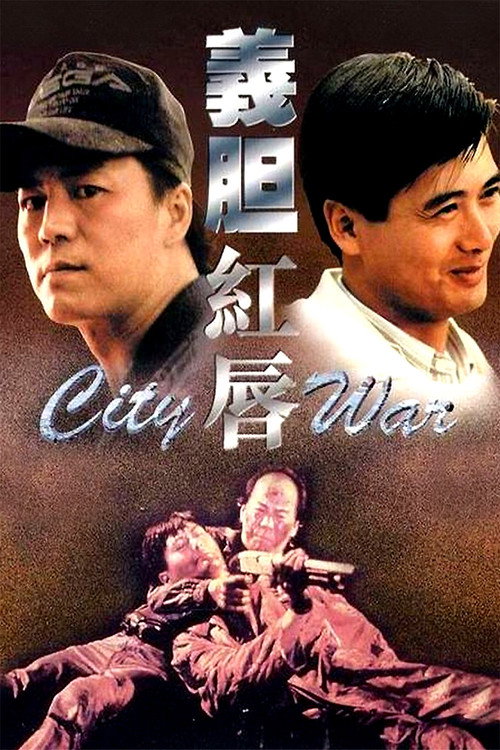
City War1988
Another Chow Yun-Fat triad film from the same era, with similar themes of gang power struggles and personal honor tested by circumstance and violence.
But Suffers from pacing issues and a script that doesn't always justify the violence on screen.
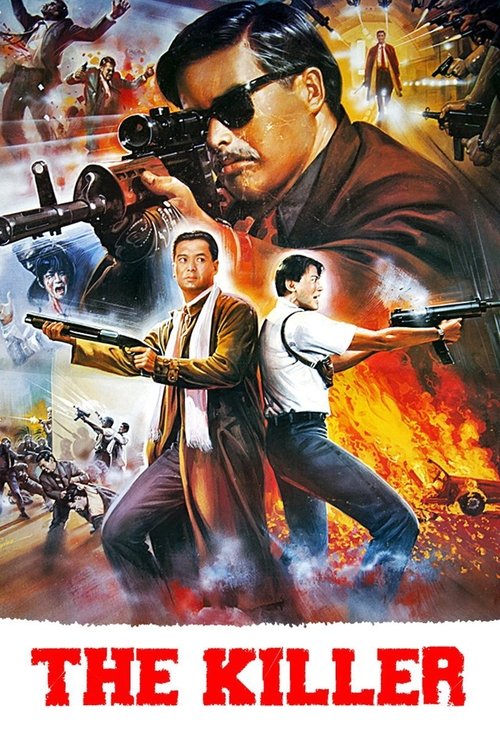
The Killer1989
John Woo's operatic crime drama about a professional assassin trapped by circumstance and conscience. Explores the code within the underworld with visual poetry and emotional weight.
But The melodrama and religious symbolism won't resonate for everyone; the pacing favors mood over plot momentum.
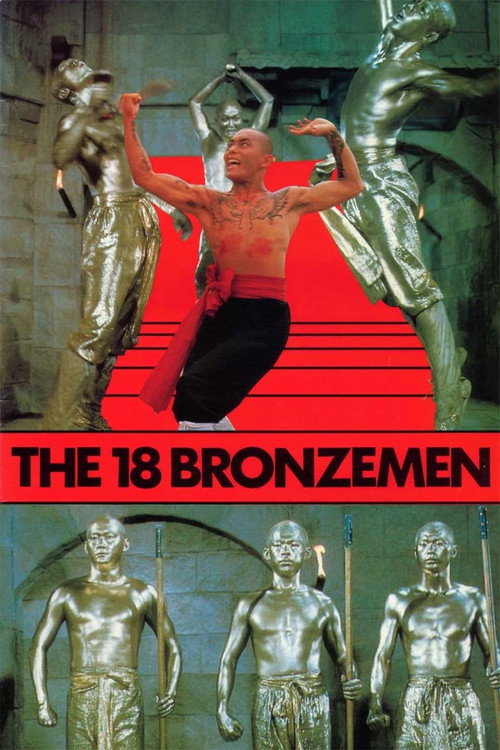
The 18 Bronzemen1976
An earlier, rougher take on triad power dynamics and succession with martial arts woven through. Shows how the genre evolved and what pre-modern Hong Kong crime cinema looked like.
But It's deliberately lo-fi; production values and storytelling feel primitive to modern viewers.
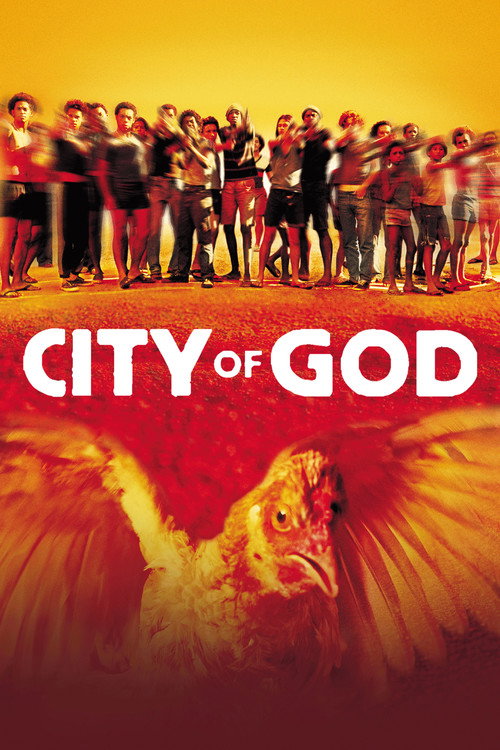
City of God2002
Both examine systemic criminal enterprise as a birthright rather than a choice, where leadership means presiding over inherited tragedy. The institution devours the person trying to reform it.
A Brazilian favela crime saga with the same theme: inherited violence passed down through generations, where even trying to escape means being trapped. The energy is frenetic where *Triads* is grounded, but the moral question is identical.
But The violence is brutal and unblinking; the rapid-fire editing and constant activity can feel exhausting rather than engaging.
Branded to Kill1967
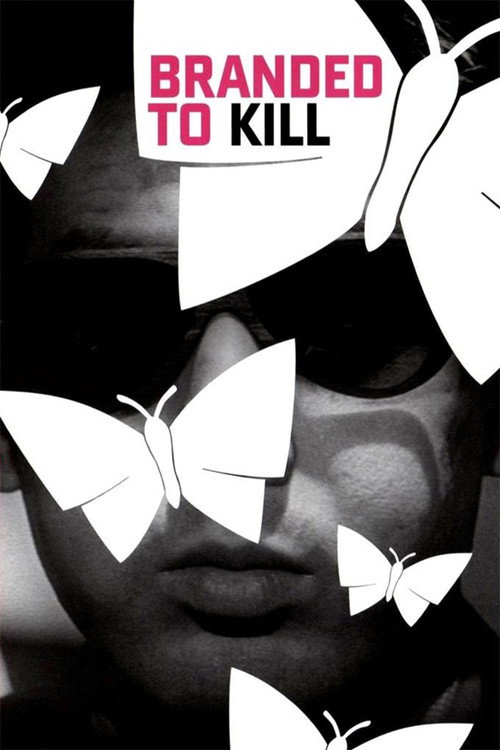
Both are unflinching looks at how criminal organizations consume their own members, but where *Triads* is a procedural, *Branded to Kill* is a fever dream about the same inescapable trap.
A Japanese yakuza film from the 1960s that predates the Hong Kong crime boom. It's abstract, dreamlike, and deeply pessimistic about a man trapped in criminal hierarchy—no escape, only descent.
But It's formally experimental and sometimes deliberately obscure; the plot is secondary to mood and visual language, which might feel pretentious or alienating.
People
Cast
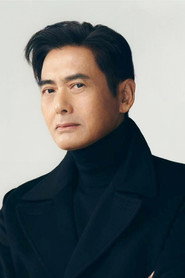 Chow Yun-FatLee Man Ho
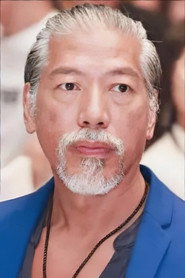 Roy Cheung Yiu-yeungYeung Kong
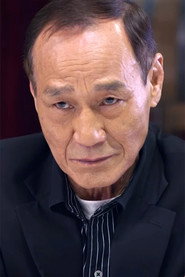 Michael Chan Wai-ManTse Shing
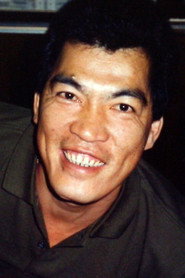 Shing Fui-OnMad Keung
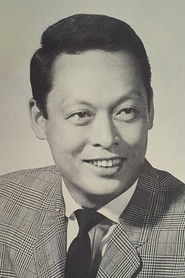 Tien FengUncle Kwan
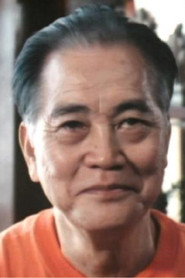 Lam KauUncle Ping
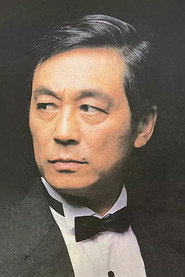 Kenneth TsangSupt. Chan Tin- Lok
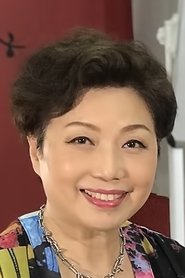
 Fanny Sit Chi-LunJenny
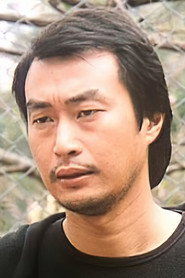 Lung Ming-yanCoffin Shing
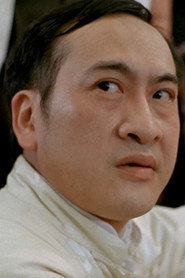 Lam Wai-HungUncle Bill
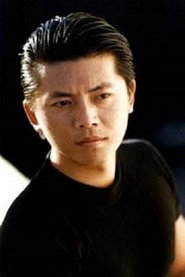 Kelvin Wong SiuShrimp
Directing
- Lam Moon-WaAction Director
- Taylor Wong Tai-loiDirector
Writing
- Nam YinWriter
Production
- Karl MakaExecutive Producer
- Richard Cheung KuenProducer